
Pekka Buttler, June 2026
(Featured image: V Centrum
Konica Hexanon AR 28 mm f/3.5 @ f/5.6, 1/1000 s and ISO 100 )
Introduction
First off, you can also access the lens’ data sheet.
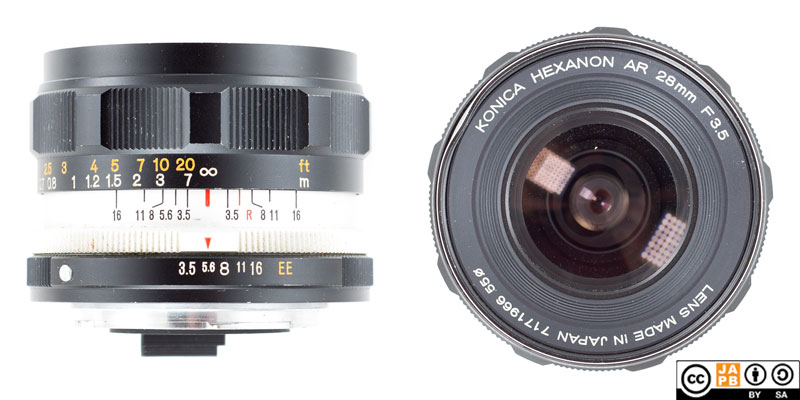
The Konica Hexanon 28 mm f/3.5 lenses come in four different versions, some of whichalso have other meaningful differences. For a brief summary of the different versions, see below:
Version 1 (1965–69): ARP
The first version was a preset aperture lens likely originally designed for use with Konica’s previous F-system (but never launched). Besides being a preset aperture lens (with the characteristic double aperture rings at the front) it sports a 58 mm filter thread (which is unusual for subsequent Konica lenses) a silver ring at the rear (with detailed DOF scales) and an otherwise overall glossy black finish.
This version uses a 7 elements in 6 groups optical design and its aperture ring goes all the way to f/22.
Version 2 (1965–77): 7-element [data sheet]
Quickly after launching the Auto-Reflex, Konica followed up with an auto-aperture version of the 28 mm f/3.5 lens, which then remained in production for a dozen years and went through a number of cosmetic variants (see below). This version of the lens uses a 7 elements in 7 groups design and offers a minimum aperture of f/16. Four different cosmetic variants existed (see more in data sheet)
Version 3 (1975-78): Hexar [data sheet]
In 1975 Konica launched a series of budget lenses under the Hexar (not Hexanon) name. This lens uses a simplified 5 elements in 5 groups optical recipe, while offering Konica’s then latest coatings. Only one cosmetic variant of this lens exists.
Version 4 (1978–88): 5-element [data-sheet]
After discontinuing the Hexar line of lenses Konica launched a new, compact 5-elements in 5 groups design to replace both the earlier designs: the 7-element Hexanon as well as the 5-element Hexar. This final version was available only in one cosmetic variant.
This sample…
The sample that went on a walk-around with me is a representative of the 1965–1977 ‘7-element’ design and moreover a relatively early cosmetic variant that was in production 1967-1970. This variant (that combines a silver ring with a satin black finish) was manufactured using both Konica’s earlier single coating as well as the later multi-coating (which Konica called CDC or ‘Color Dynamic Coating’), of which the tested sample would look to be a single-coated version.
Ergonomics
Konica AR lenses in general
The Konica Hexanon AR1 lenses use the Konica AR lens mount. The Konica AR mount is a relatively typical male bayonet mount that is different in two respects2, neither of which impact adapting these lenses to mirrorless cameras. The availability of Konica AR adapters is good, and adapters can be had in all price brackets (from premium to medium to noname adapters). Using Konica AR lenses on your mirrorless camera also necessitates no setting rings or aperture engagement switches:
– Insert your Konica AR lens into your Konica AR adapter.
– Twist and listen for a click
– Go out and shoot.
This copy of the Konica AR 28/3.5
My copy (pictured) of the Konica Hexanon AR 35 mm f/2.8 is of the variety that still has the silver/aluminium ring that characterises many earlier Konica lenses but has already abandoned the glossy black finish that characterises the earliest of the Konica AR lenses. Using the typology developed by Jean-Jacques Granas3, this would be a B-type lens.
As usual, there are those who like and appreciate rubber focus rings, and then there are those who don’t. In terms of ergonomics, I find the metal focus ring typical of B and C-type lenses to be suitably grippy. The focus ring action of Konica lenses almost invariably requires a wee bit more force than many other lenses. Even when using fleece gloves I find the metal focus rings to do their job very well.
My main complaint with the otherwise very fine Konica AR lenses is always the aperture ring, as it has two characteristics that I have no love for: First, the lenses have an Auto exposure mode that is always just one (admittedly longish) step beyond minimum aperture. Hence you can enter this auto exposure mode (coded as EE on older and AE on newer lenses) accidentally, but you need to press a button on the aperture ring to exit the auto mode. And unless you know your Konica lenses intimately, you may need to remove the camera from your eye to find that button.
Secondly, the click stops of Konica lenses are often on the noisy, even raspy side. Konica lenses originally always offered half-stop clicks (and this lens is among those) before moving to offering only full-stop clicks. While there are some differences in the raggedness of those clicks from one Konica lens to another, this is one of those lenses where – at the risk of going over into mild exaggeration – moving the aperture ring feels like something you’re doing something you’re not supposed to do. As a result, you often need a fair bit of force to get the aperture ring moving, and once you get it to move, you have to pay attention and count the number of clicks (because very often you get more clicks than you wanted).
Importantly, while these are features that work agains the modern photographer who is using his Konica lenses adapted to one or other mirrorless system, on the original Konica Auto-Reflex system you only used the aperture ring when you wanted to manually adjust your exposure (and with the majority of Konica users that was: rarely).
Please note though that while I like to make unappreciative noises about the aperture rings on Konica Hexanon lenses, I have never been annoyed enough by them to leave a Konica lens at home. Also, I have noticed that with time I have learned to deal with both limitations as only mild annoyances.
Konica was an early believer in filter thread standardisation and with the exceptions of some extreme wide-angle lenses, exceptionally bright lenses, bright tele lenses and some zoom lenses, 55 mm is the Konica filter thread diameter. This helps, because one can pack a wide range of Konica primes in their backpack and make do with only one set of filters.
Konica also offered a range of very nice rectangular clamp-on lens hoods for their wide-angle (24–28 and 35 mm) lenses that are both impressive to look at and actually work very well.
Setting the scene:
This walk-around is based on imagery that occurred on the 17th of March. All of the images in this Walk-around are from Stockholm, starting with me walking around in the Stockholm suburb of Vällingby and ends with me returning to the Stockholm city centre for my trip home (the imagery from before switching to this lens you can find in this walk-around and the images after switching this lens for another will be forthcoming).
Whenever I intend to shoot vintage lenses I choose between Sony ⍺7R2 (high resolution, compact body, wide range of adapters) and my Nikon Z5 (better ergonomics, supreme battery life) and in this case I chose the Sony simply because of compactness.
Shots were taken using a Fotga Konica AR->NEX adapter mounted on the pictured body, unless mentioned otherwise. When shooting test images I almost never use filters or hoods (and if I do, I mention it clearly). All shots in RAW, handheld with IBIS on.
Edit in post: ACR default conversion only4, straighten, resize to 2k, save as JPEG quality 60.
Images and commentary
Ghosting, veiling
What kind of ghosting or veiling to expect from a late 1960s lens that is not even multicoated?
In that respect, this lens might even surprise you, in a positive sense. Certainly it does have a tendency to produce some ghosting (coloured shadows caused by internal reflections), but it seems to be relatively immune to the type of veiling flare that would destroy contrast. What I find important for any lens (but wide-angle lenses in particular) is how it is able to deal with situations where the sun is just out of the frame – situations that often lead to the worst veiling. Even without the dedicated lens hood the Konica Hexanon AR 28 mm f/3.5 does a good job in this respect.
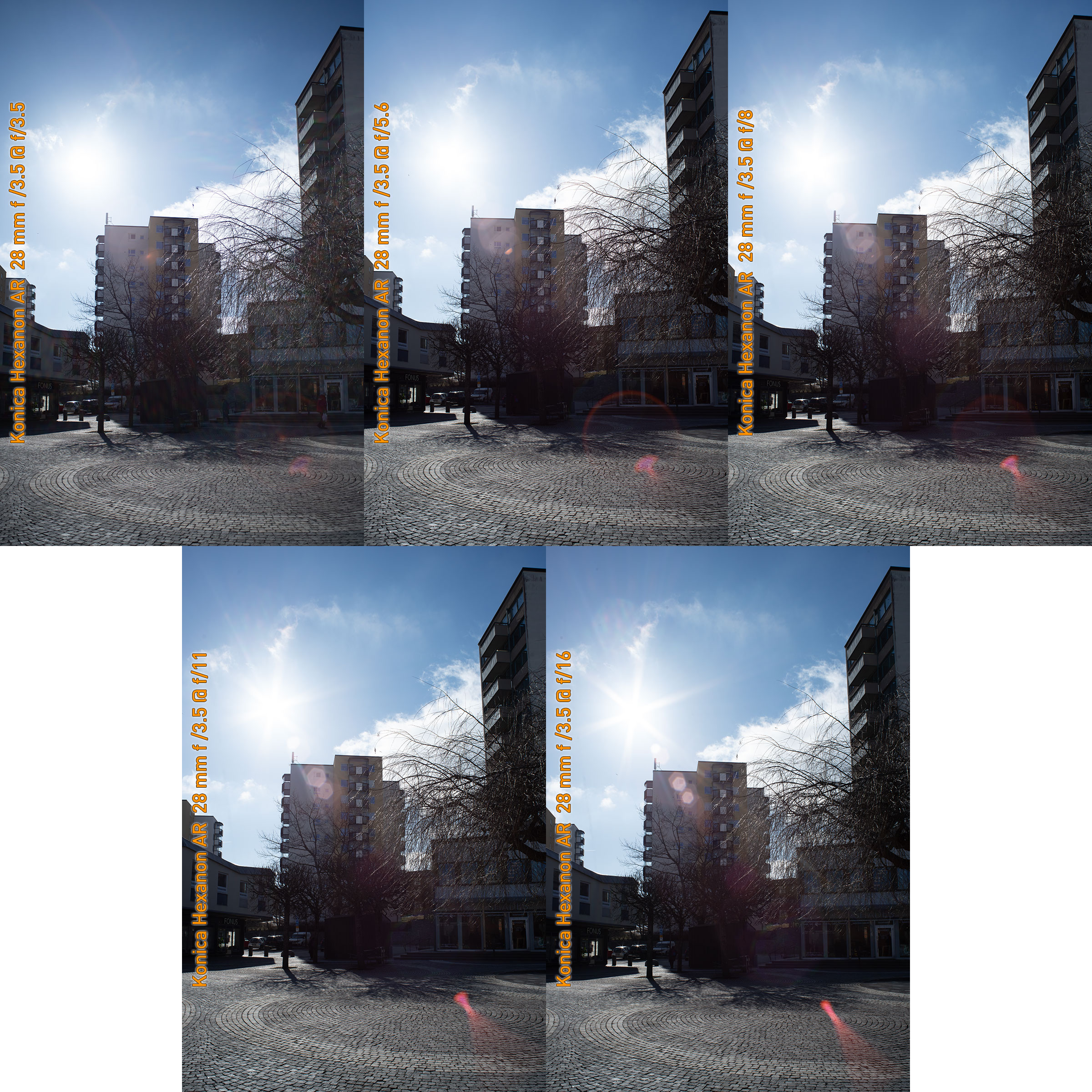
Here are some other illustrative samples from this walk-around:
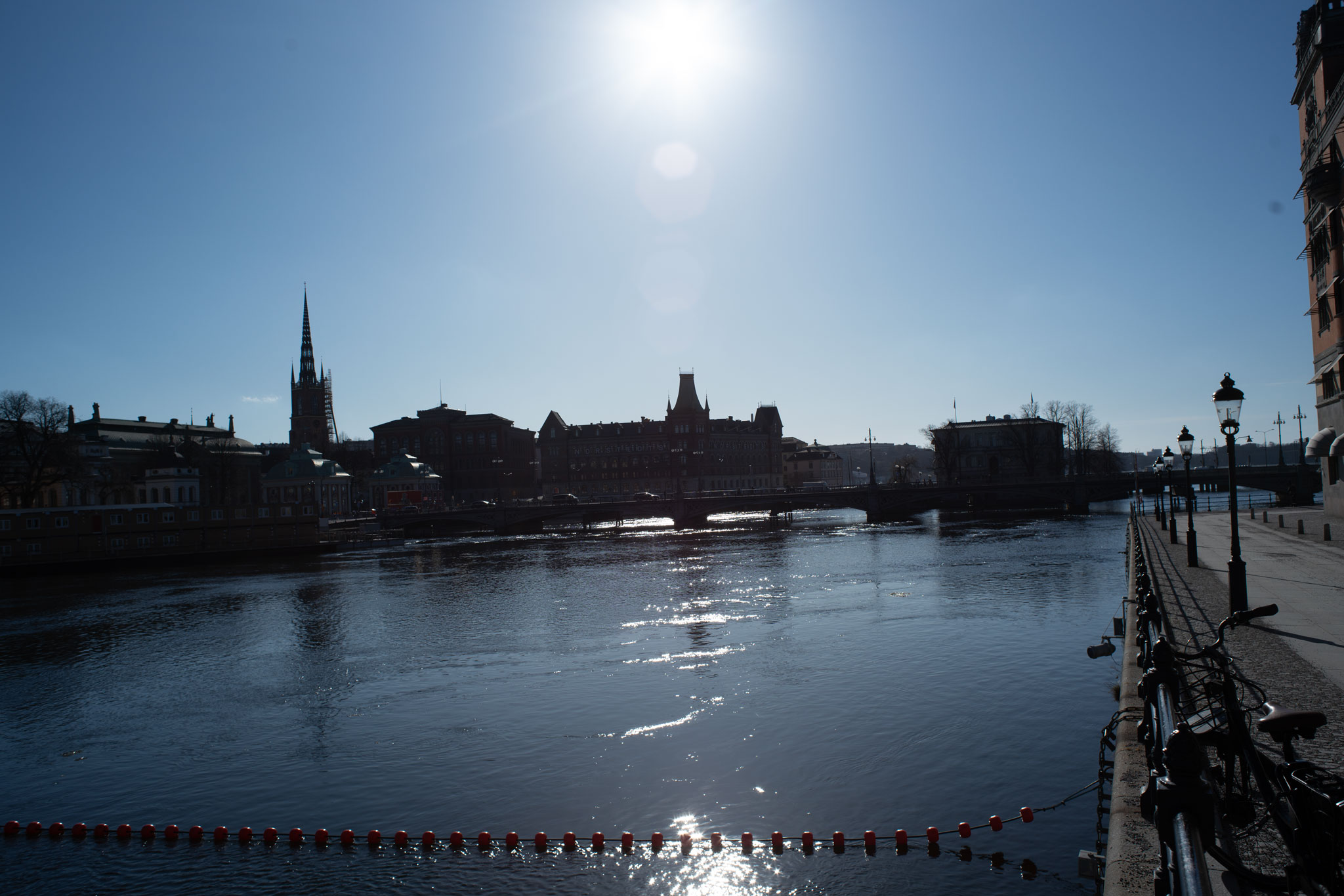
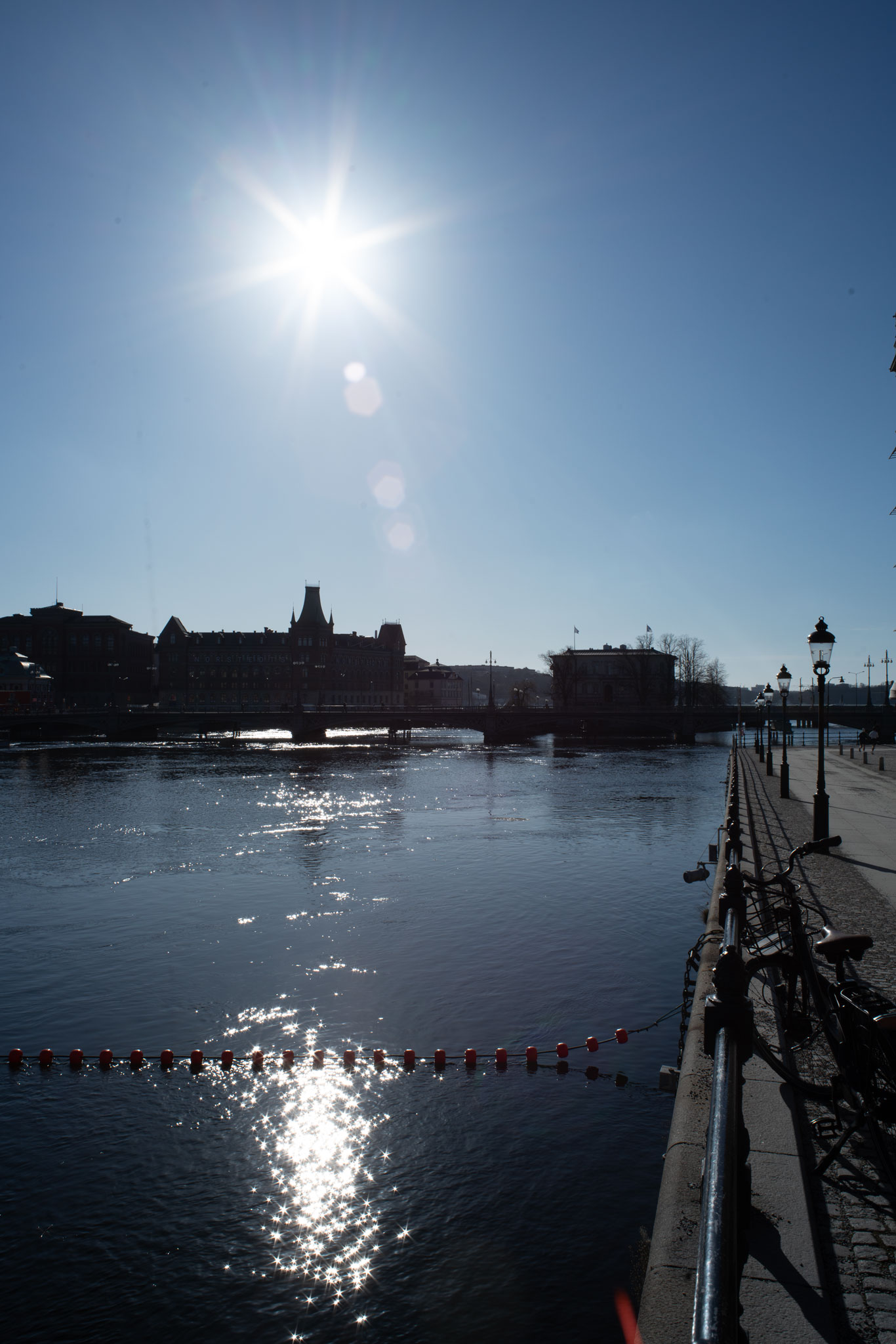
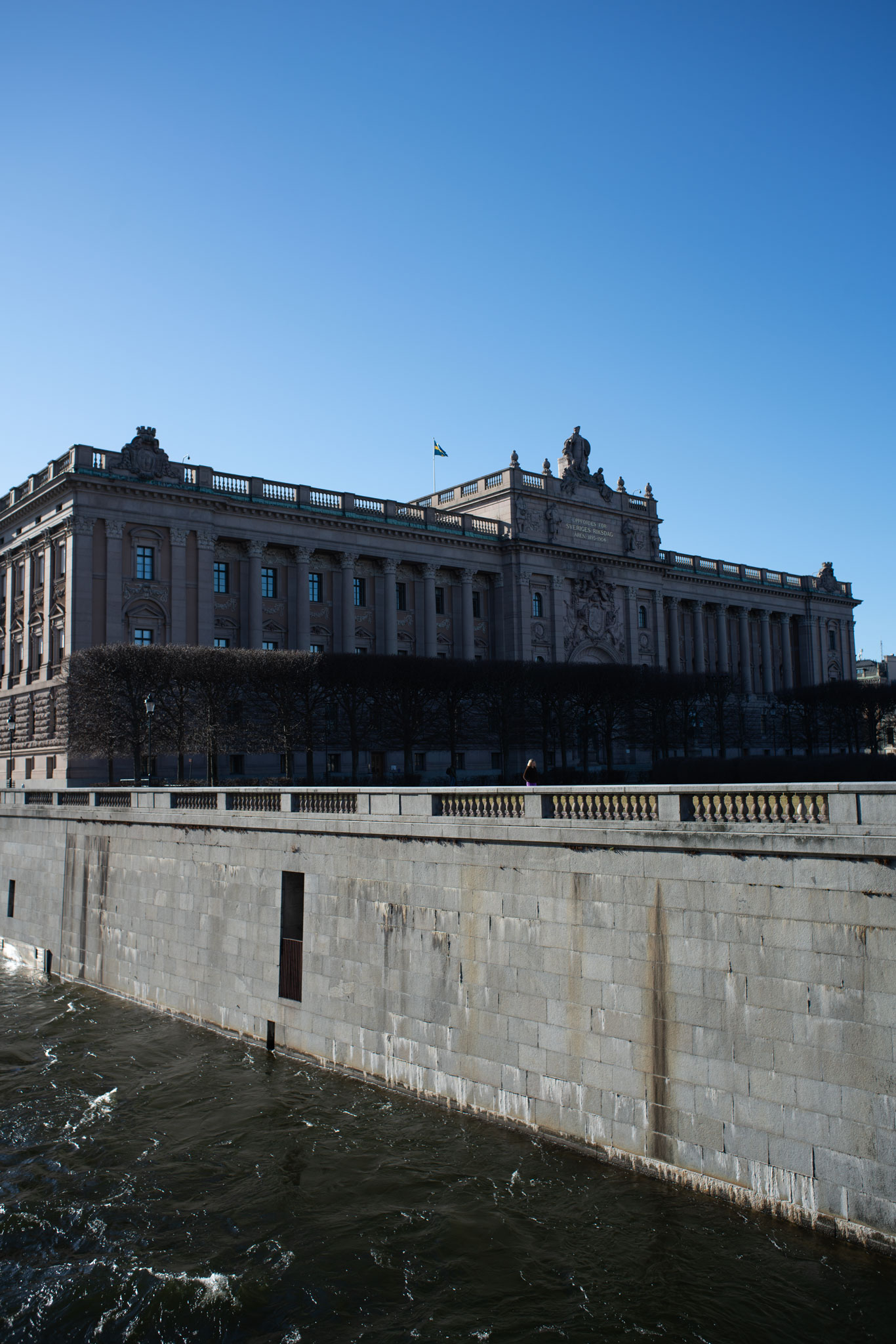
Sun in frame with some ghosts
Vignetting
Next, let’s discuss vignetting. With 55 mm being a generous filter thread for a 28/3.5 lens, and with f/3.5 not being an ambitious maximum aperture, extreme vignetting was not to be expected. Even so, at f/3.5 there is some vignetting, but it is not a showstopper and at f/5.6 vignetting is practically gone.
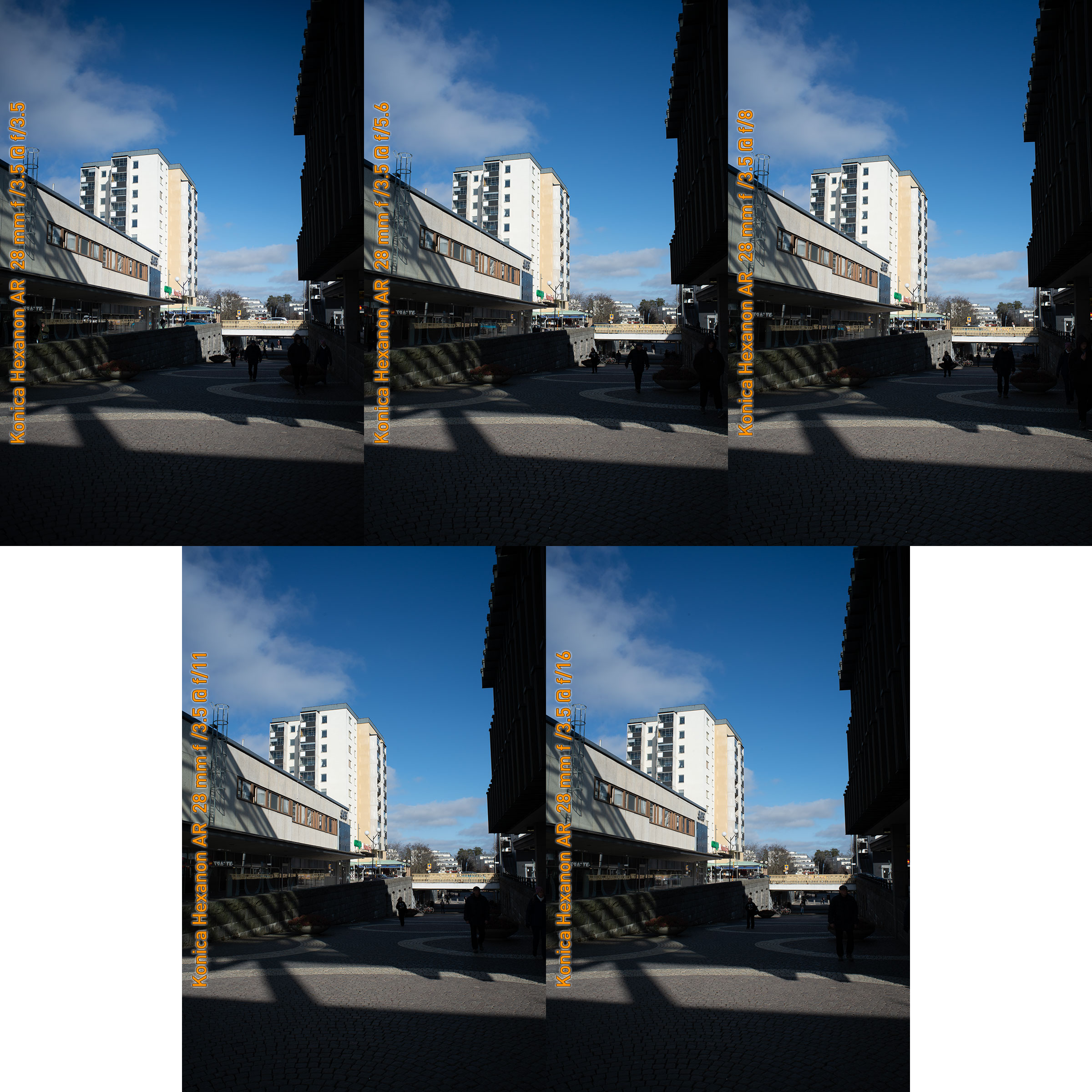
(right-click and open in new tab for larger version)
A more precise inspection of vignetting often necessitates normalising the centre exposure and comparing image corners side by side. The collage below compares top left quadrants from the set of images above.
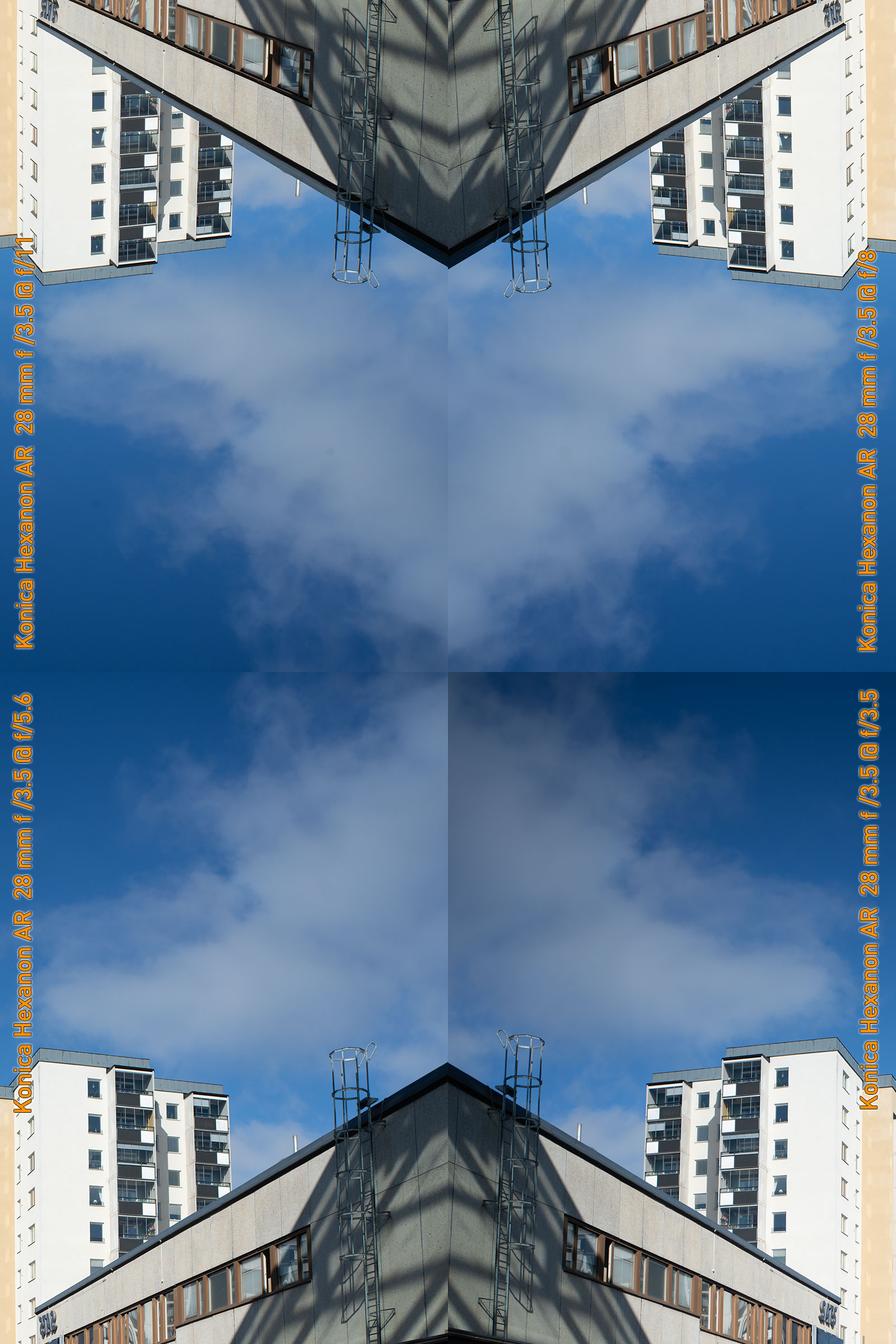
Shown this way, the vignetting at f/3.5 is quite significant. On the other hand it also shows that there is almost no difference between f/5.6, f/8 and f/11.
Sharpness
Before we get started with sharpness: unless you know the difference between ‘definition’ and ‘contrast’, you better read up on the distinction.
No one expects a legacy lens from the 1960s to match the sharpness of modern glass, and everyone knows that if you shoot a 1960s wide-angle wide open, sharpness shouldn’t be the priority.
While lenses of all types can show different behaviour at short and long distances, this is often especially noticeable with wide-angle lenses. On the other hand, because no-one would use a wide-angle lens for flat-field repro work, sharpness-testing a wide-angle lens at real close range (MFD–0,5 metres) is fundamentally misleading. Hence we will test this lens both at medium range (≈ 2 m subject distance) and at long range (≈250 m). For clarity, let’s start by showing the original images from which the 1:1 crops are selected:
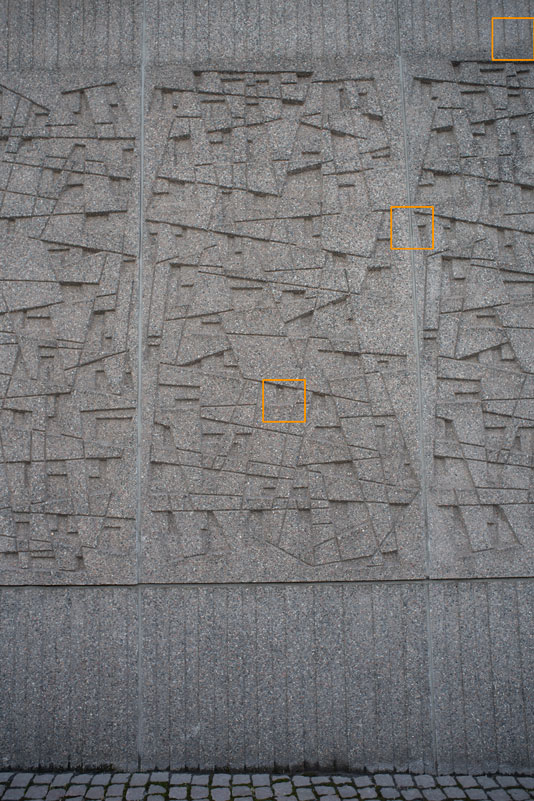
(click to open larger version)
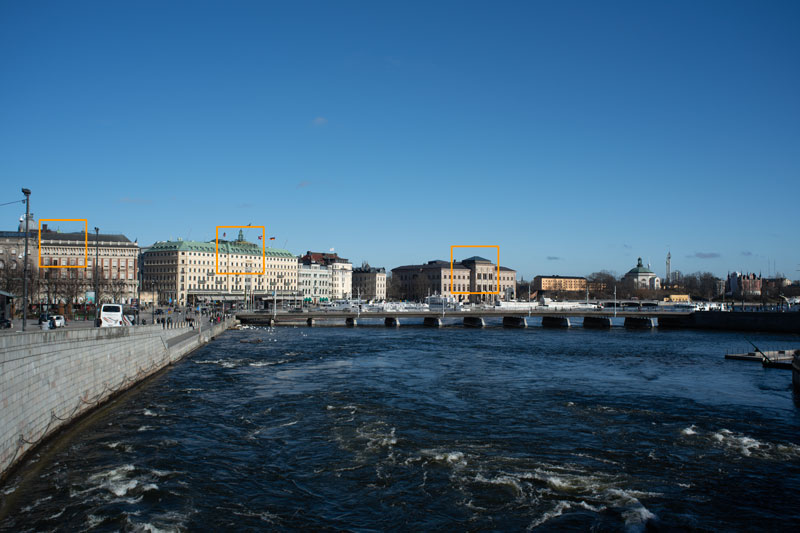
(click to open larger version)
Medium-range sharpness
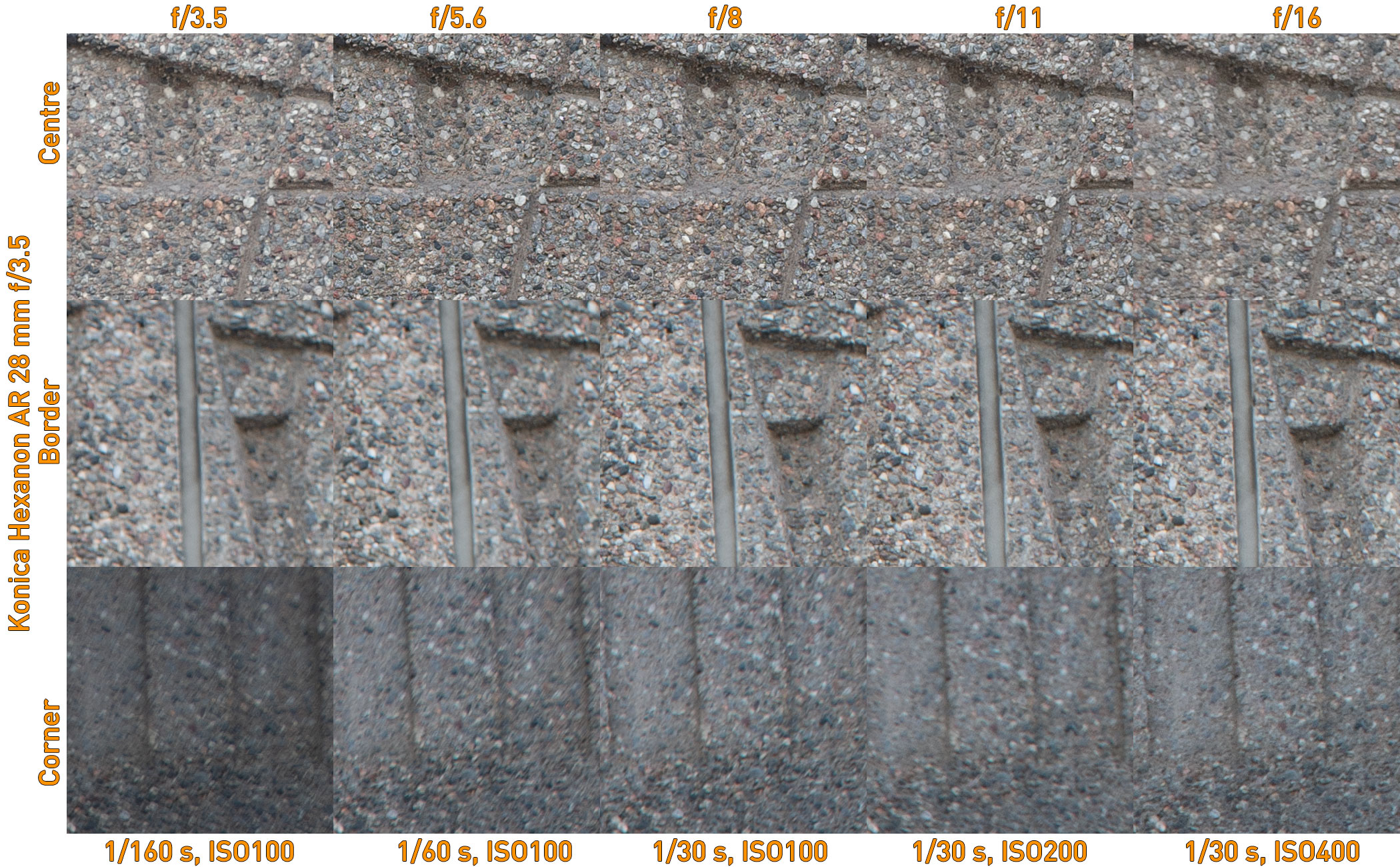
The collage above (f/3.5–f/16) shows six (1:1) crops From various areas of the frame
Centre sharpness wide open is so/so. Definition is surprisingly good, but the image lacks contrast, likely due primarily to spherical aberration. Stopping down to f/5.6 shows a marked improvement. Stopping down further to f/8 gives another modest improvement in sharpness, while at f/11 the image centre already starts being diffraction-limited. Going to f/16 shows a noticeable drop in sharpness. If centre-sharpness is all that matters f/8 is optimum, whereas both f/5.6 and f/11 are fully usable.
Border areas are not tack-sharp at any aperture. At f/3.5 and f/5.6 there is a fuzzy glowiness to the pictures, which does clear up quite significantly when going to f/8, and improves by another step going to f/11, whereas f/16 is very similar to f/11. Here one could really say that if sharpness is the ultimate goal, anything below f/8 should be avoided, and smaller apertures should very much be preferred. Other tests confirm that the weak border area performance is at least partially due to field curvature.
Corners are bad. In terms of sharpness the crops keep getting better all the way to f/16 and even at f/16 the result would not match the dictionary definition of ‘crisp’. Besides an overall low level of contrast there are other aspects aberrations at work as well and these clearly show themselves in some of the crops: At f/3.5 there is considerable vignetting evident and at f/3.5 to f/5.6 you can see some smearing/stretching caused by either severe tangential astigmatism or a combination of tangetnial astigmatism and field curvature. While this low-contrast shot does not support any conclusions on chromatic aberrations, the long-range shots show that chromatic aberrations might be a minor contributing factor.
Long-range sharpness
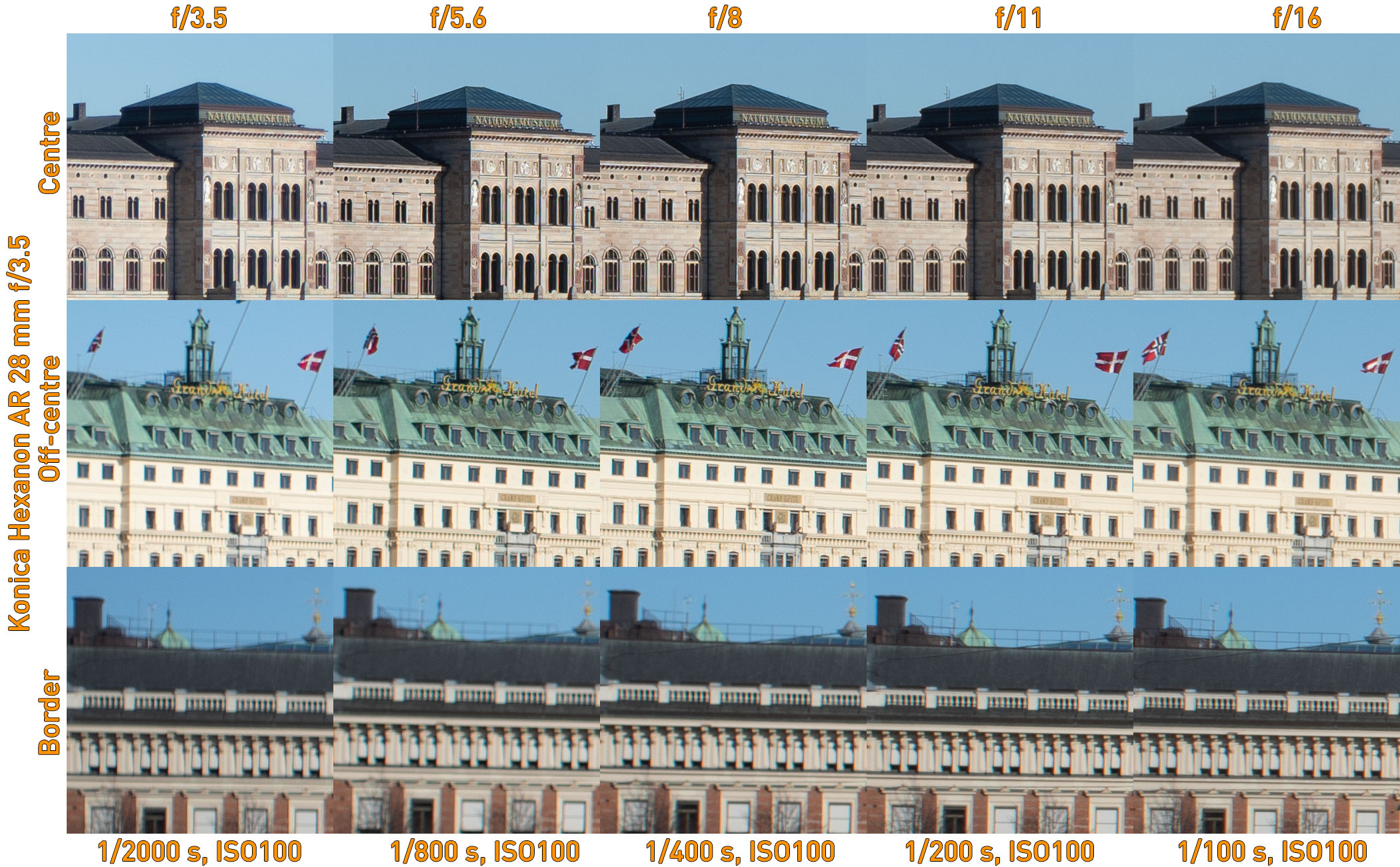
Centre sharpness is very good to splendid. At f/3.5 there is some lack of contrast, but no lack of definition. That contrast picks up by f/5.6 and from f/5.6 to f/11 centre sharpness is basically flawless. At f/16 diffraction starts eating into definition and contrast.
Off-centre the story is somewhat similar. While there is lack of contrast at f/3.5 and while it does improve markedly going to f/5.6, f/5.6 is not yet at its peak as contrast continues to improve going to f/8. Also in the off-centre region there is a shadow of lateral chromatic aberrations at all apertures. Even so, I would class the imagery in the f/8–f/11 range as essentially flawless.
Border areas are not so good. First there is a level of lateral chromatic aberrations that are (as they tend to be) worse as you move farther from the image centre. Secondly, while contrast is generally good, there is a pervasive lack of definition, some of which remains even when stopped down, that cannot be entirely explained by astigmatism (which is clearly present at wider apertures) or any of those other types of aberrations that usually diminish as you stop down (spherical aberration, comatic aberration, longitudinal chromatic aberration). That said, at f/11 the resulting image is totally workable (even though the 1:1 crops might lead you to think otherwise).
Chromatic aberrations
Because some of the images above already show signs of chromatic aberrations, a closer inspection is warranted. Here we’ll take 1:1 crops from several pictures.
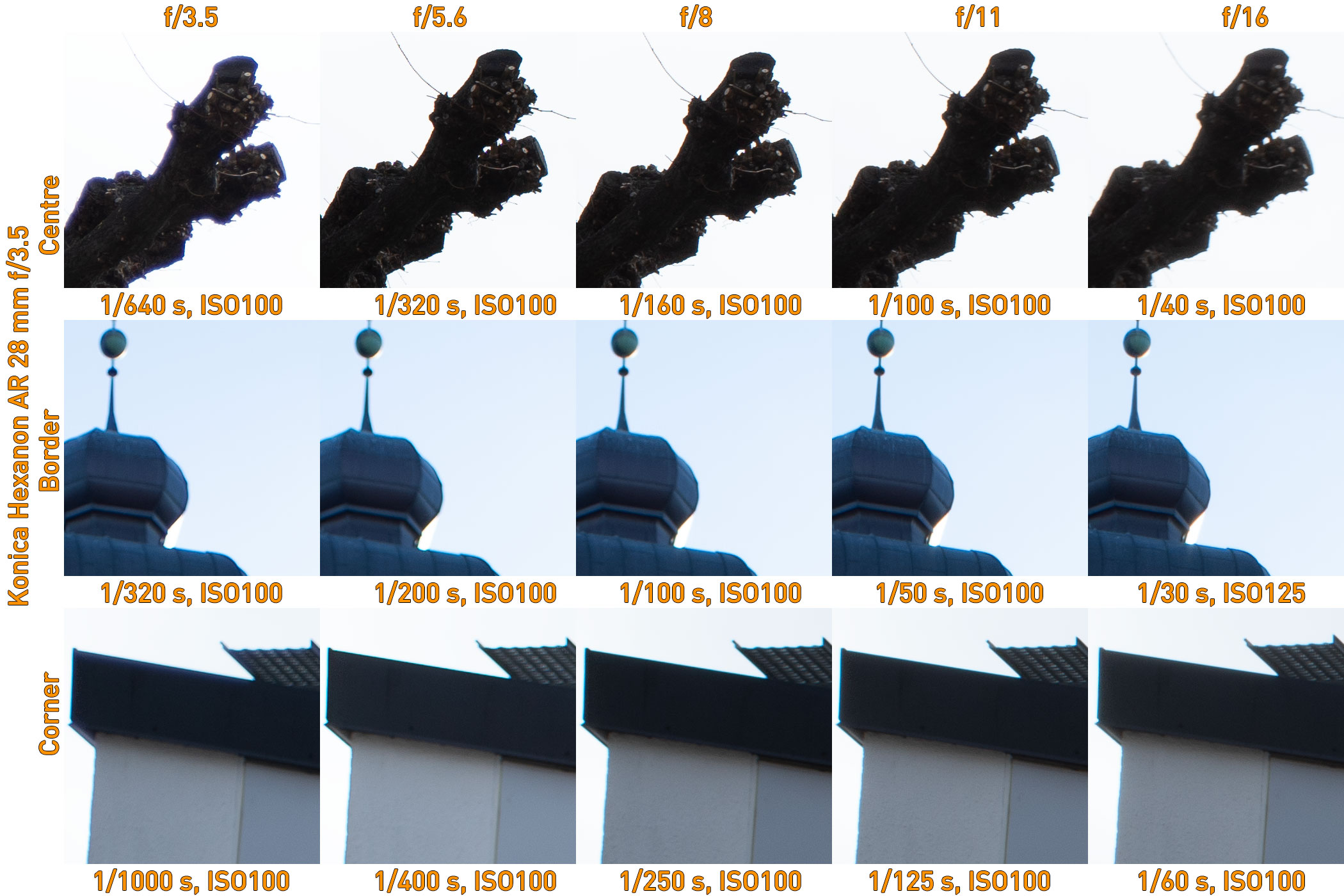
Longitudinal (axial) chromatic aberrations are the bane of wide aperture lenses, and with this lens definitely not being one of those, longitudinal chromatic aberrations are not a major issue. However, it is quite clear (first row), that you can get even this lens to show longitudinal chromatic aberrations at wide open and with sufficient contrast. These issues are however entirely gone as soon as you stop dowbn a bit.
These next rows of crops show that border and corner areas do have a tendency to producing lateral chromatic aberrations, but those are generally only visible at 1:1 magnification. While lateral chromatic aberrations are pesky because they do not improve by stopping down, but can instead become worse as other aberrations recede. On the other hand, modern post-production tolls can help address these.
Other aberrations
In terms of geometric distortions, this lens is somewhat controlled. It shows a moderate amount of barrel distortion, but far from being field-relevant. Furthermore, the distortion is not complex and can therefore easily be corrected in post. In terms of tint (that the images would be especially cold or warm) this lens’ colour balance is neutral and the images show Konica’s signature colours.
I have not had a chance to take this lens out to photograph starscapes or the nighttime lights of distant cities, so I can say nothing absolute about whether the lens shows significant comatic aberration. That said, with its moderate maximum aperture, I hope you have other lenses to reach for if you want to shoot in the dark.
Summary
Summa summarum
These results are not entirely unexpected for a lens that is a 1960s wide-angle lens design. While top-of-the-line optics companies have today mastered aberration free wide-angle lenses, these use computer design and manufacturing technologies that were in the realm of science fiction when this lens was made. While I’m not in the business of making excuses for legacy lenses, the simple fact is that for a 1960s wide-angle lens, these results are by no means extraordinary.
The Konica Hexanon AR 28 mm f/3.5 is a typical legacy wide-angle lens in that it offers good centre sharpness but does struggle a bit in the corners. While the lens does not offer the corner-to-corner sharpness that you can get with modern super-corrected lenses, you get Konica’s signature colours in a compact package that does not (corner sharpness notwithstanding) suffer any major weaknesses. Herein, a special mention goes to how well the lens’ simple coatings deal with the bright spring sunlight.
Gallery
All images ISO 100 unless stated differently. Click the thumbnail for a 2k version. If you want to pixel peep the original RAW files, please get in touch or leave a comment.
I am dividing the gallery up in two parts – both to separate the motifs, but also to not overwhelm the system.
Part I: Vällingby
Vällingby is a western suburb of Stockholm best known as one of the world’s earliest and most influential examples of post-war planned suburban development. Built originally in the 1950s according to the idea of the “ABC city” (Arbete–Bostad–Centrum: work, housing, and services), Vällingby was designed to combine residential areas, employment, shopping, and public transport into a self-contained community centered on the modernist Vällingby Centrum shopping district and connected to central Stockholm by the metro. My Walk-around focused on that shopping centrum as well as some nearby buildings.
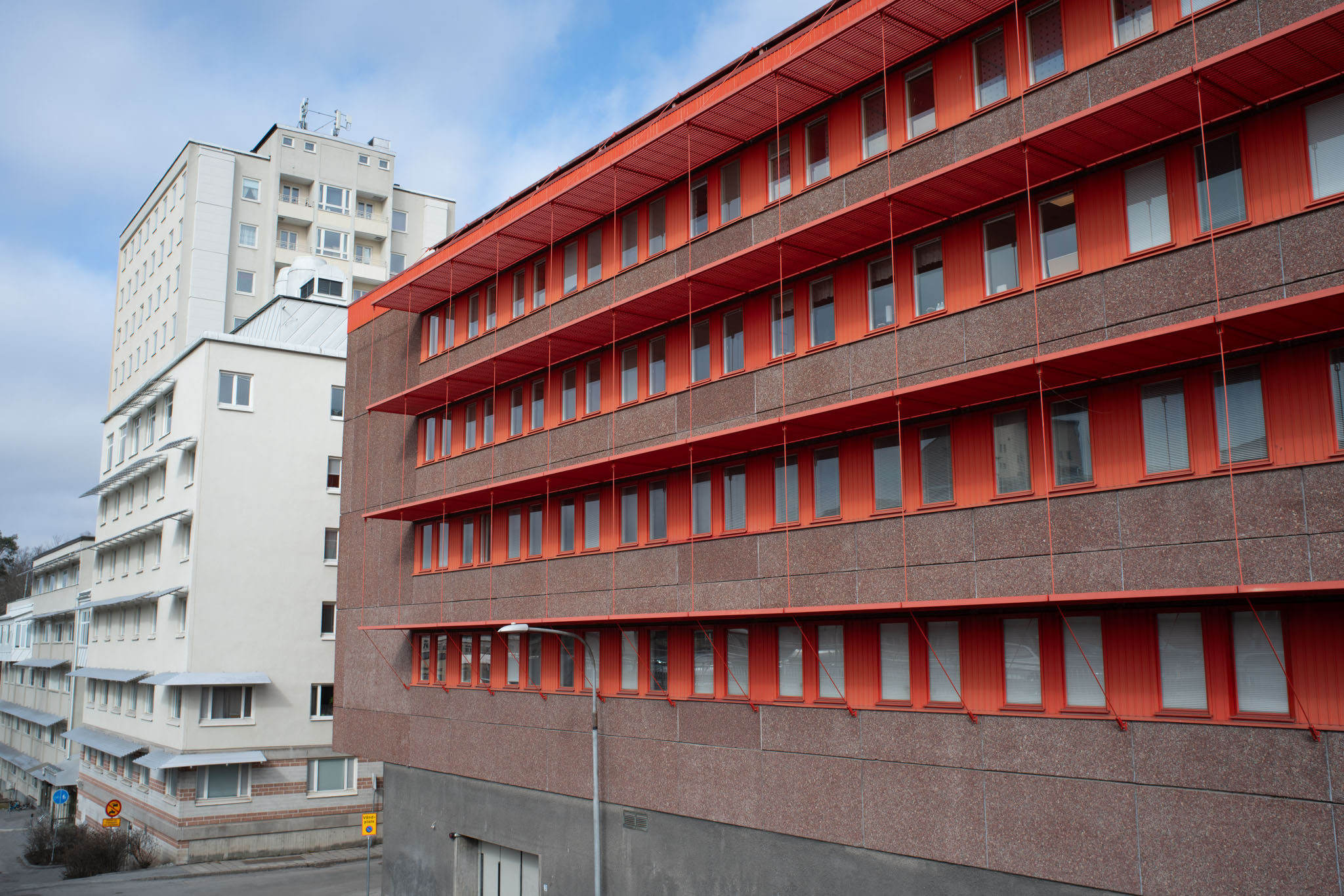
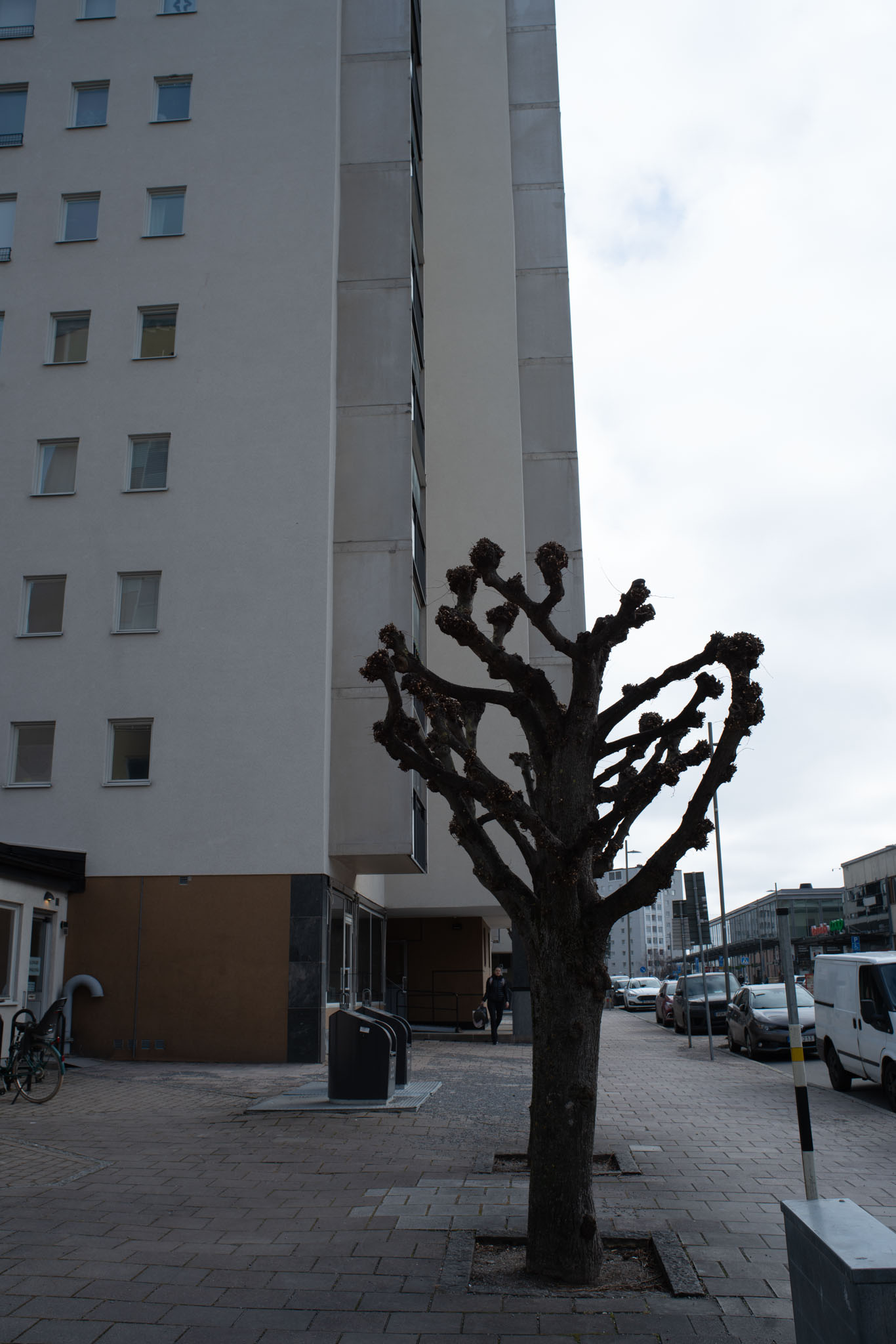
Konica Hexanon AR 28/3.5 @ f/8, 1/160 s
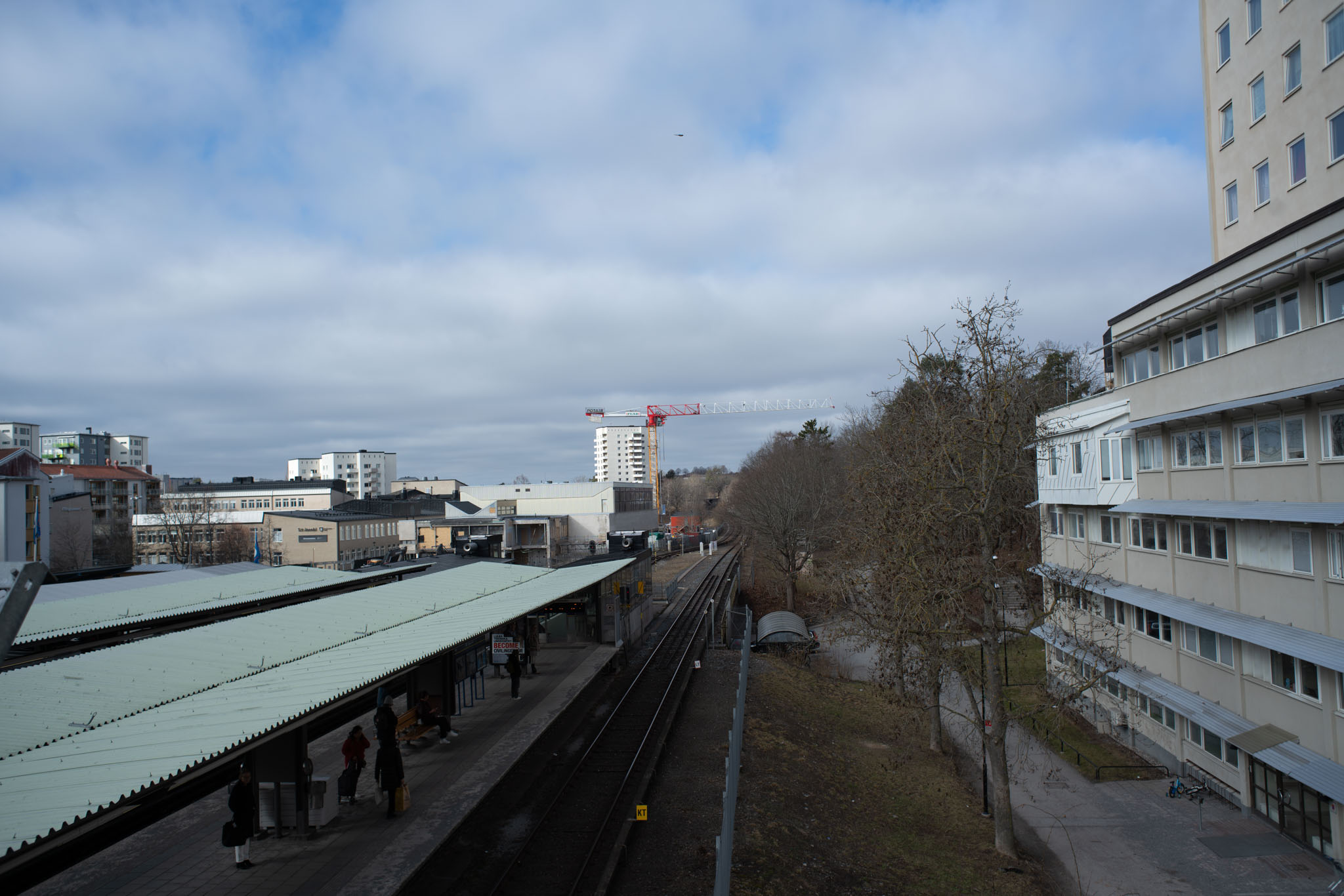
Konica Hexanon AR 28/3.5 @ f/5.6, 1/500 s
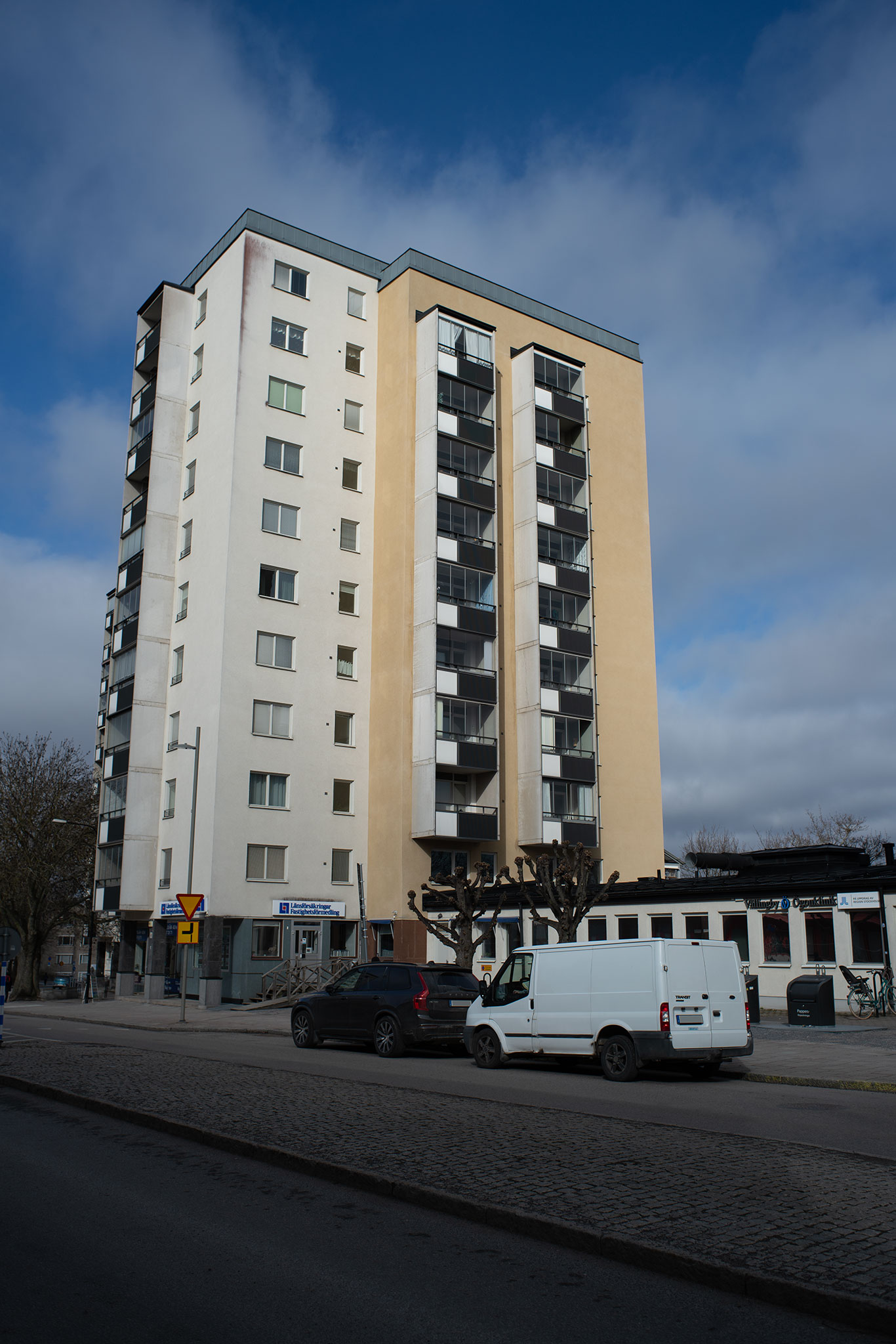
Konica Hexanon AR 28/3.5 @ f/5.6, 1/1000 s
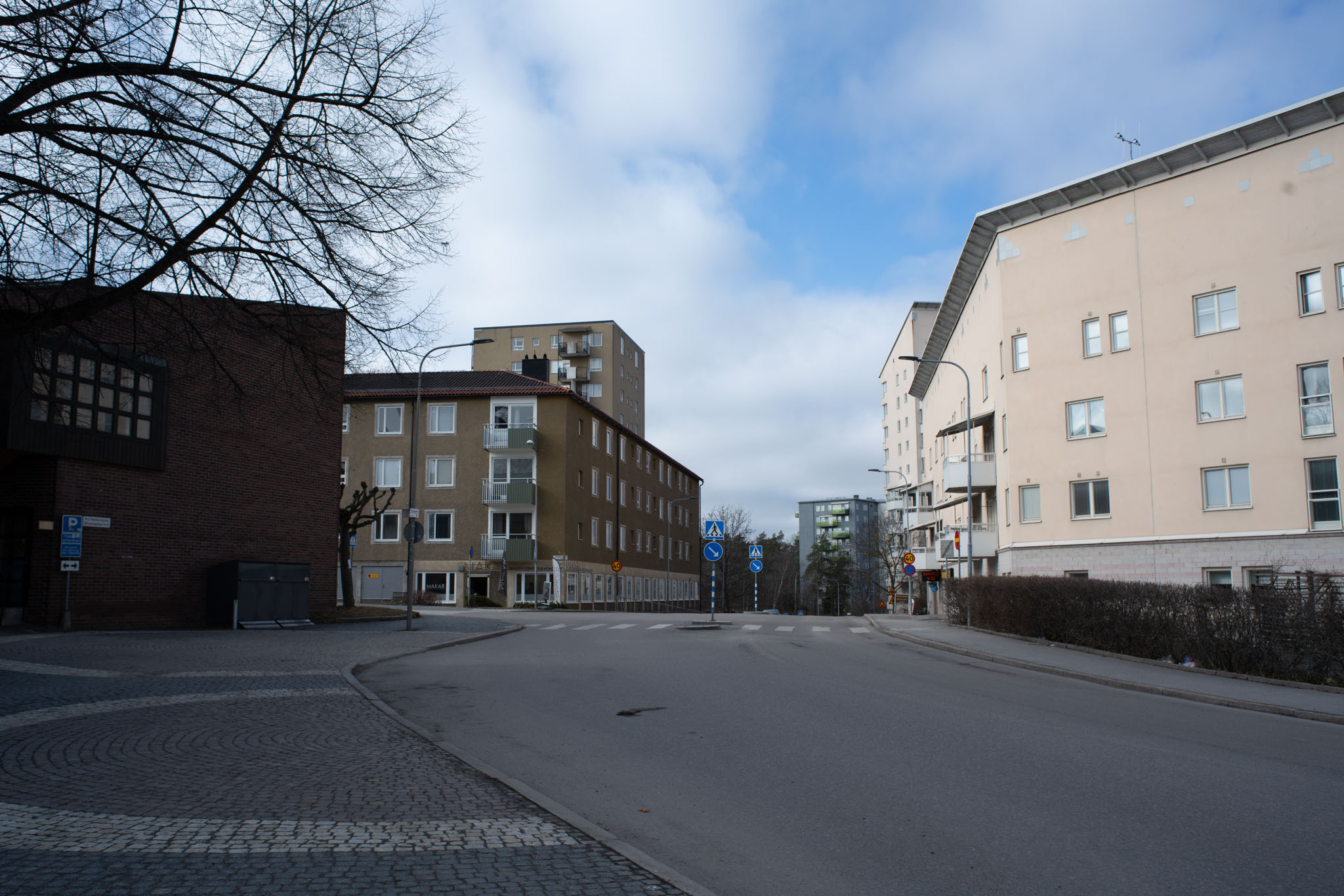
Konica Hexanon AR 28/3.5 @ f/8, 1/200 s
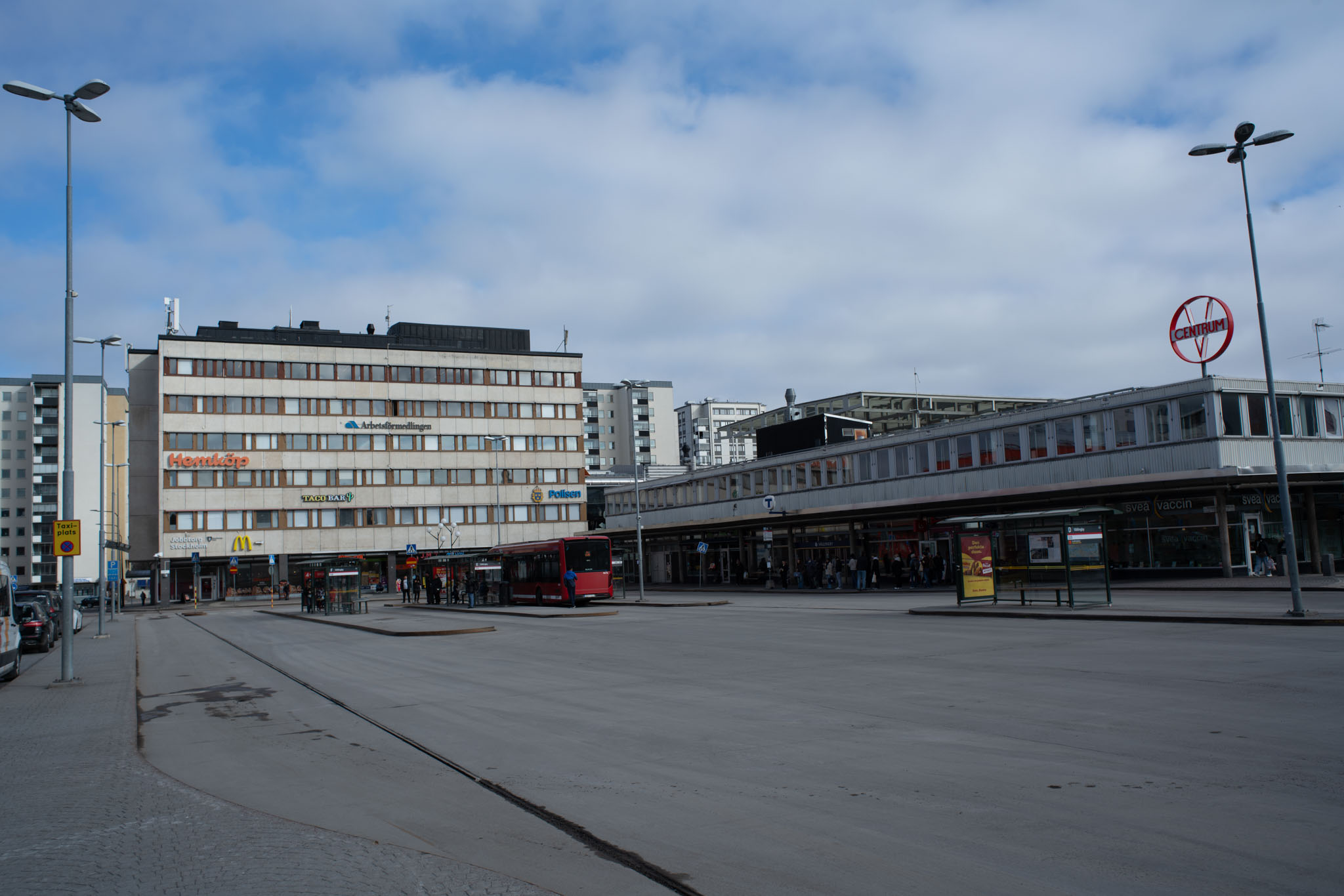
Konica Hexanon AR 28/3.5 @ f/8, 1/250 s
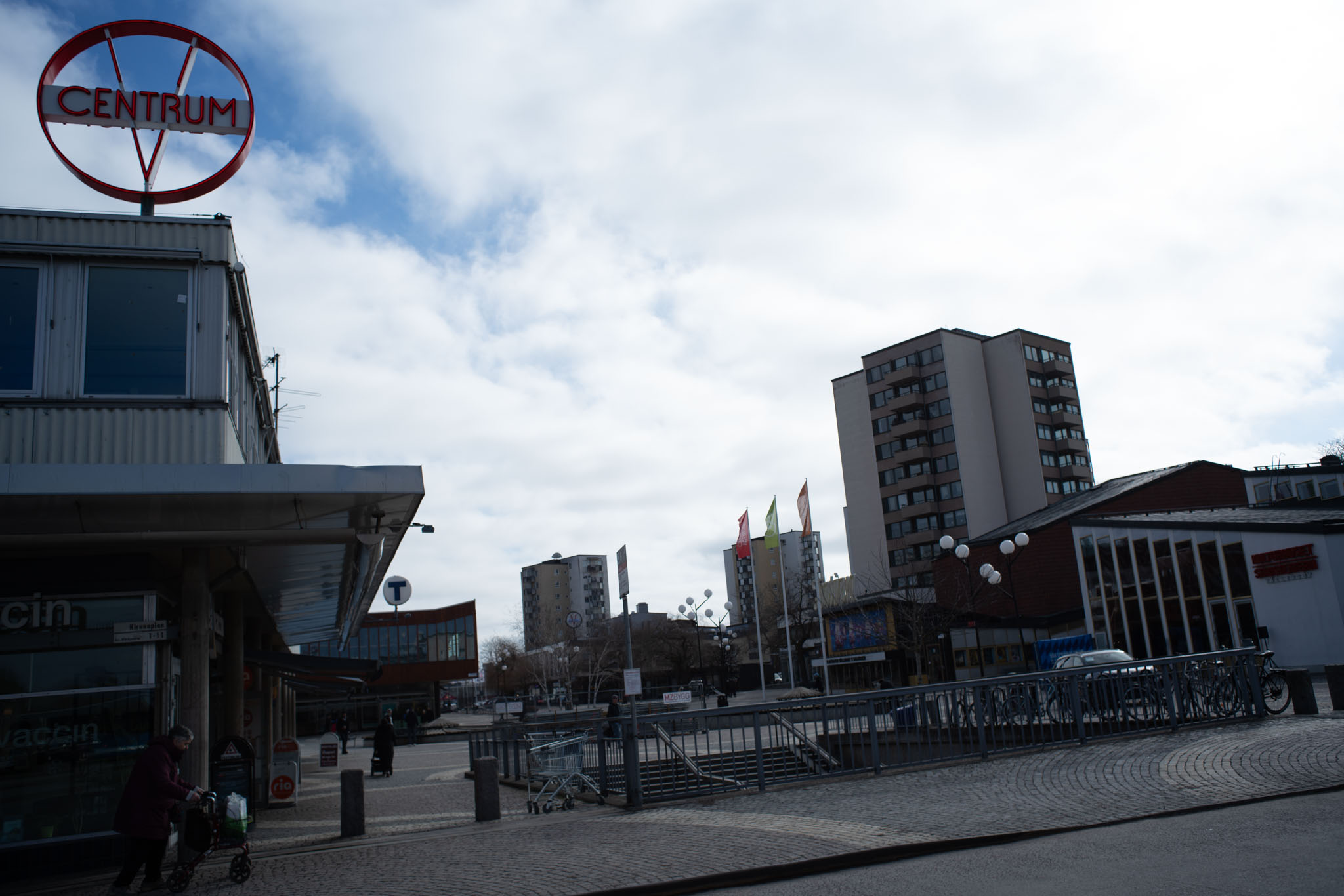
Konica Hexanon AR 28/3.5 @ f/5.6, 1/1000 s
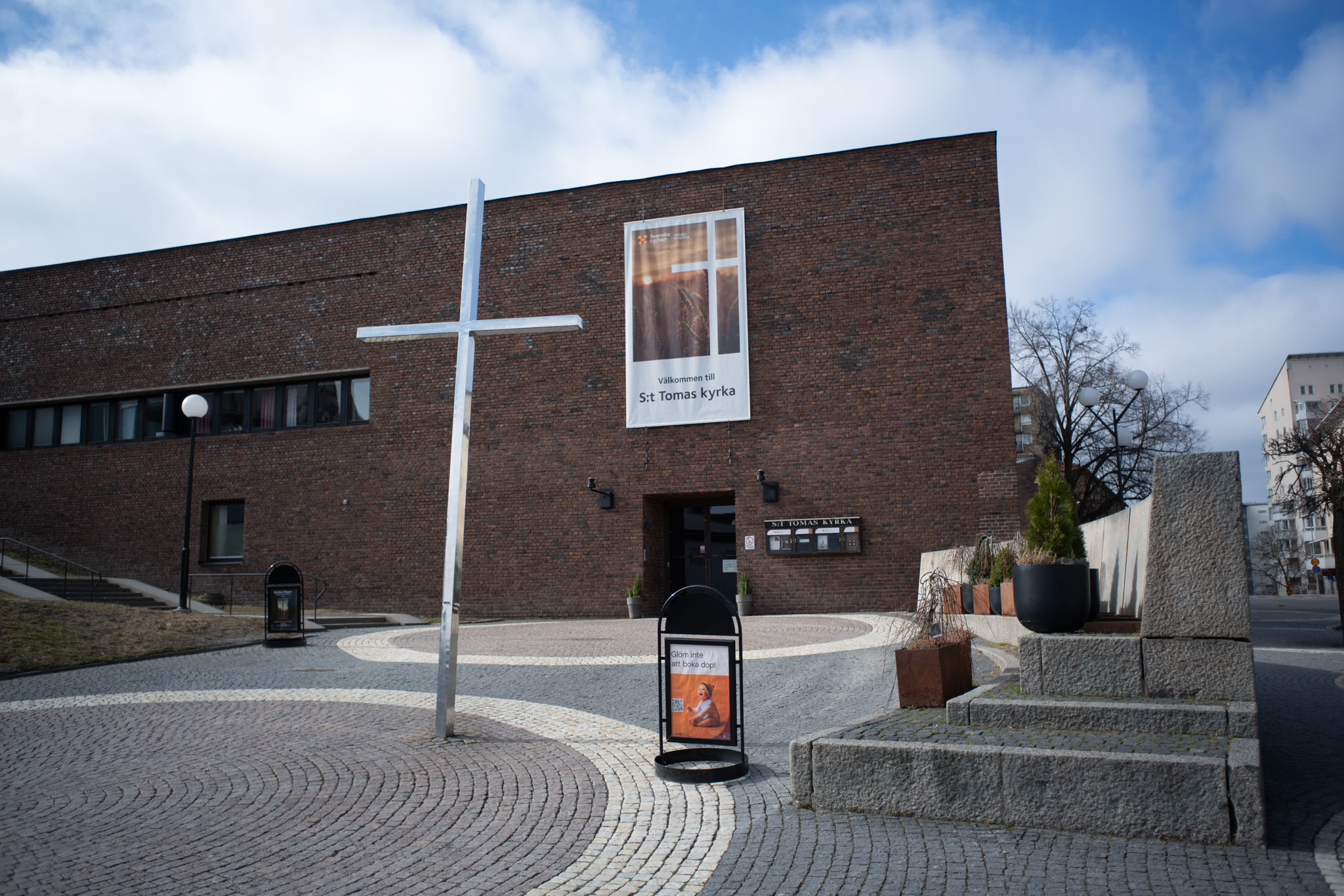
Konica Hexanon AR 28/3.5 @ f/3.5, 1/1000 s
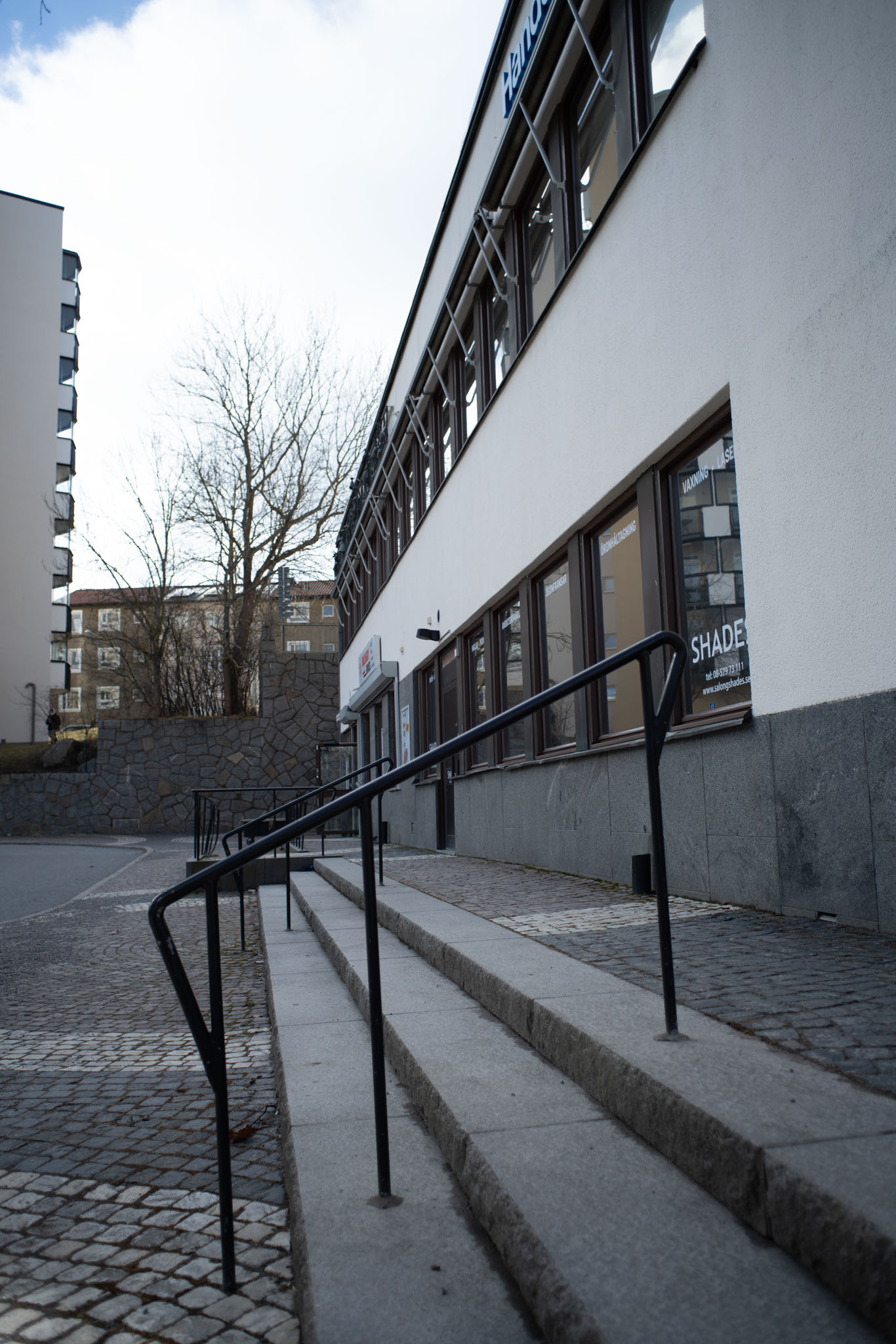
Konica Hexanon AR 28/3.5 @ f/3.5, 1/1000 s
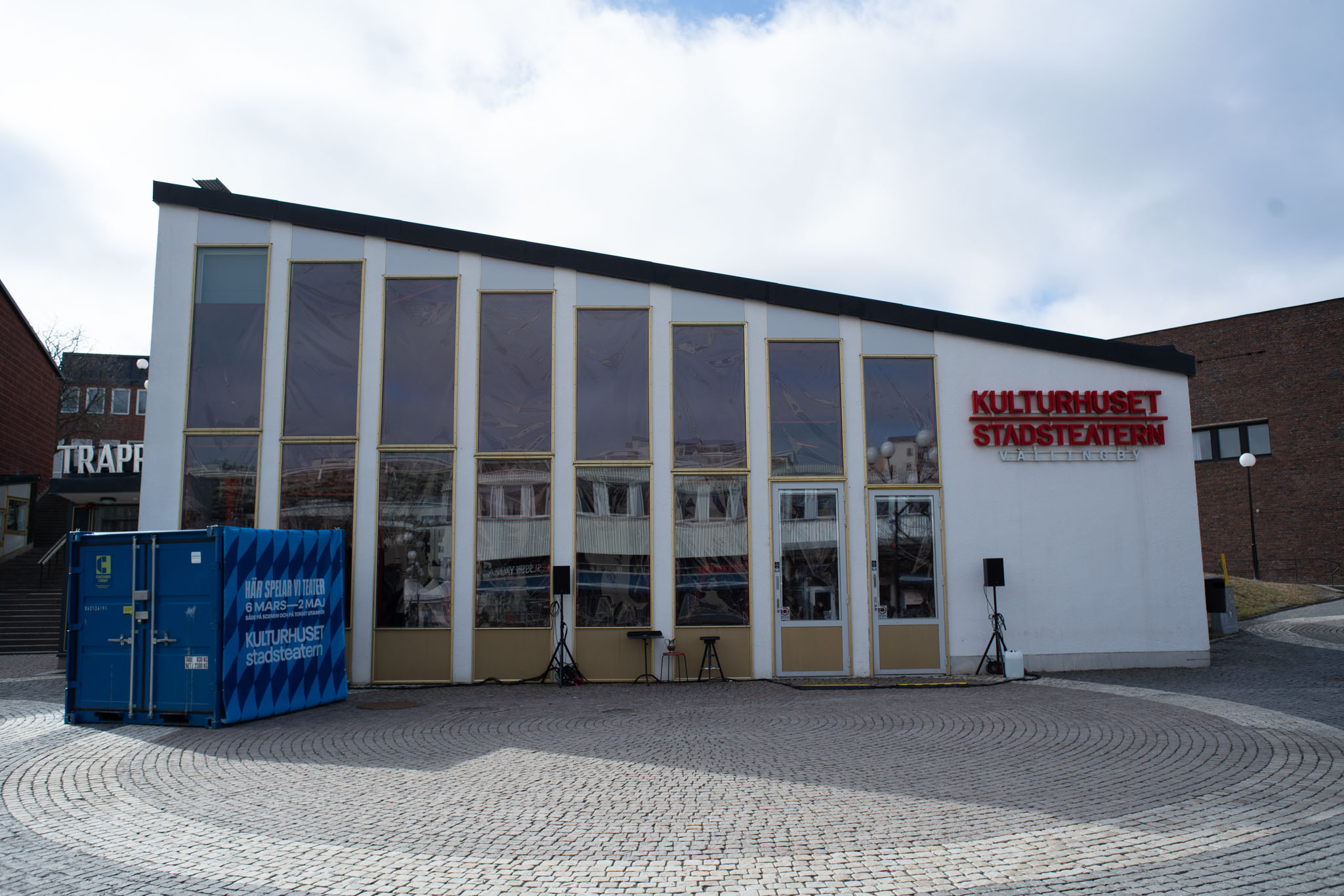
Konica Hexanon AR 28/3.5 @ f/5.6, 1/400 s
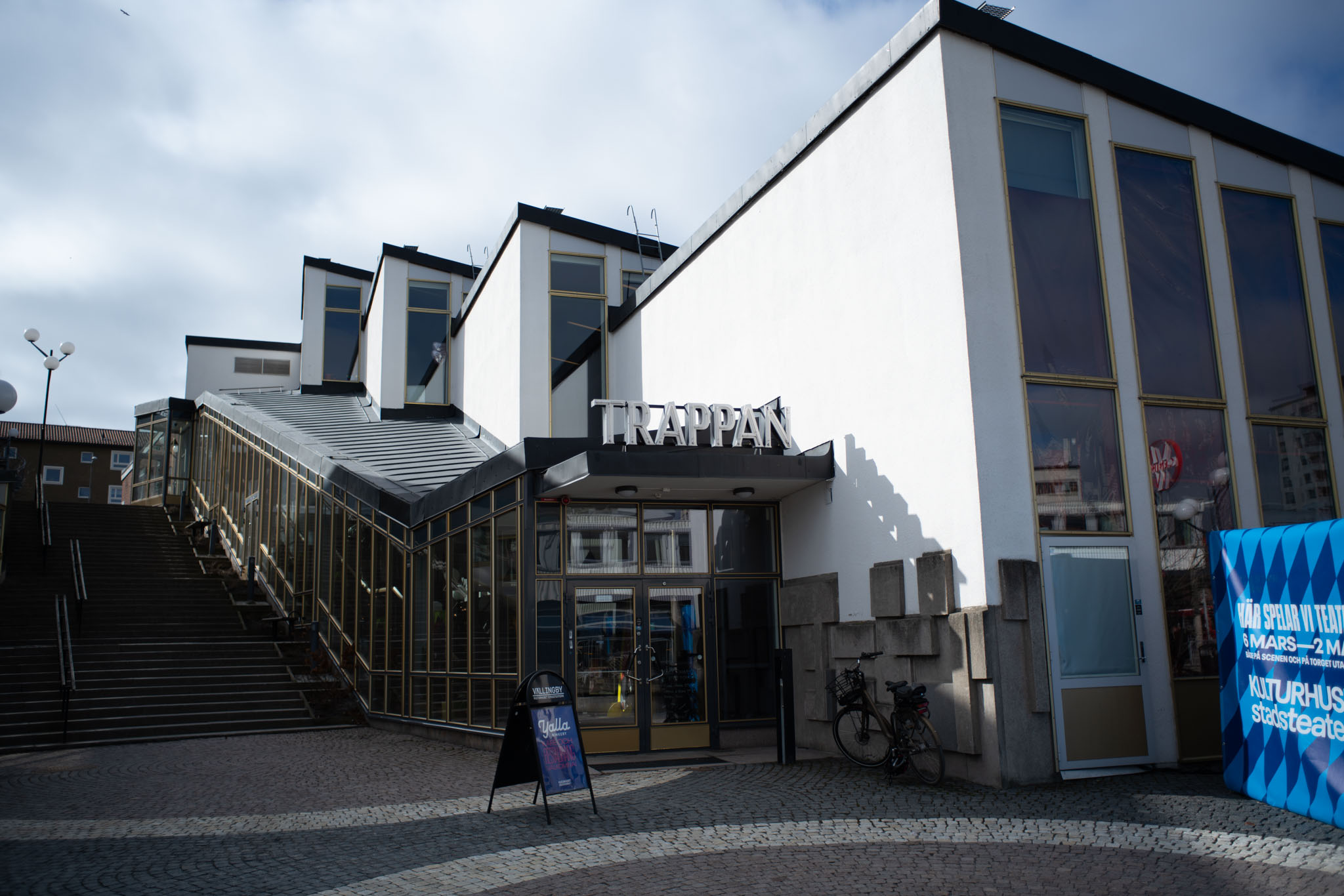
Konica Hexanon AR 28/3.5 @ f/3.5, 1/1250 s
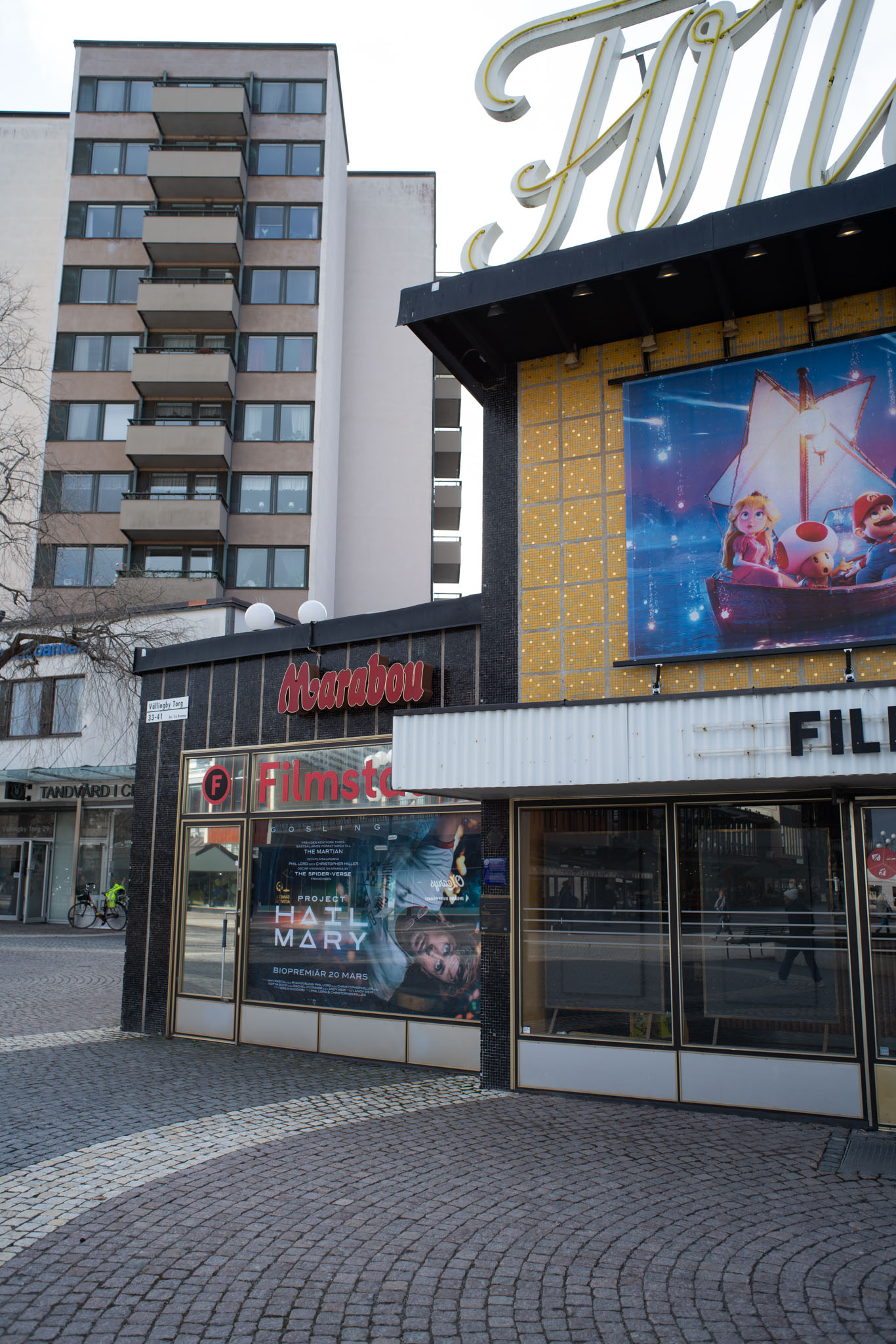
Konica Hexanon AR 28/3.5 @ f/5.6, 1/200 s
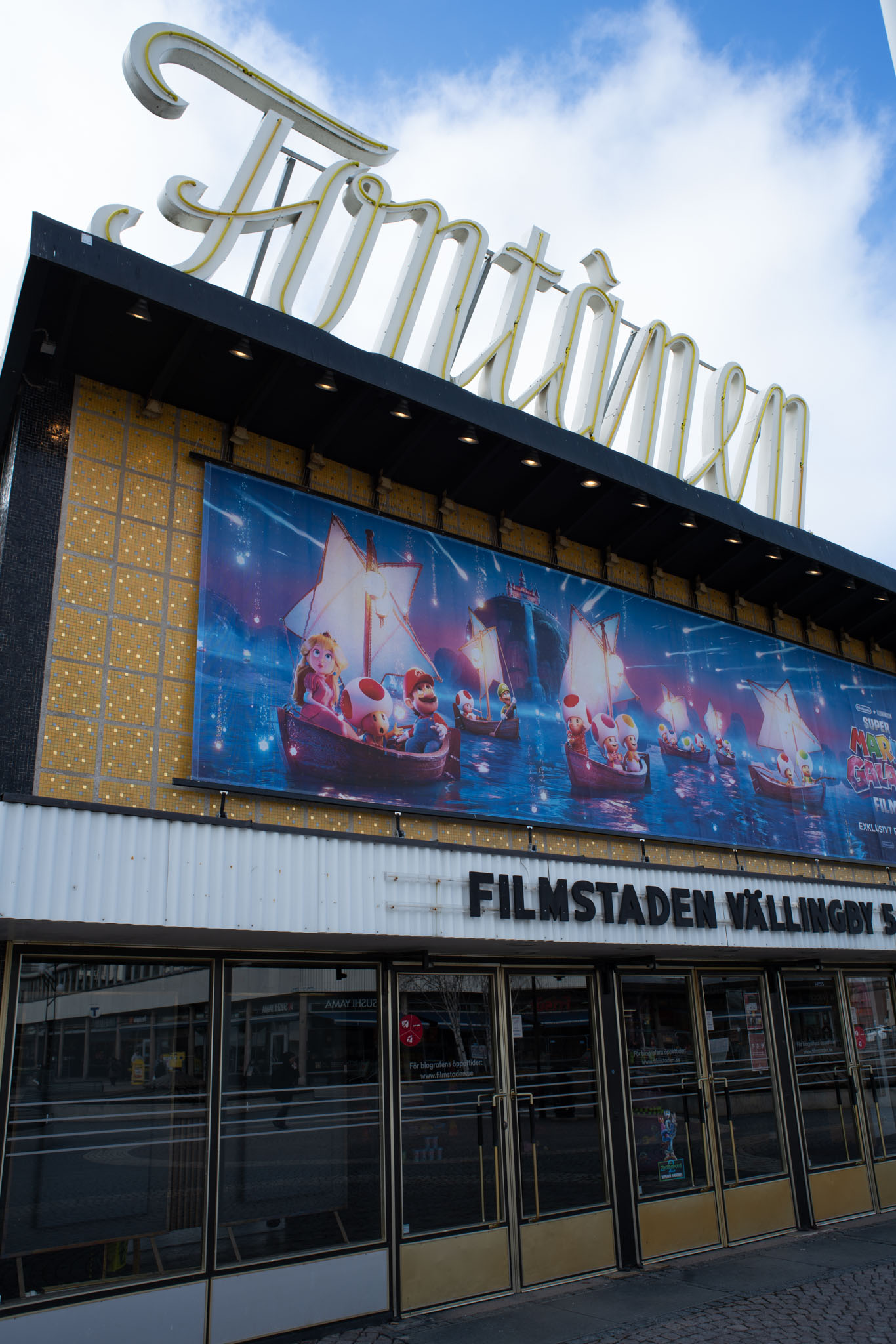
Konica Hexanon AR 28/3.5 @ f/8, 1/100 s
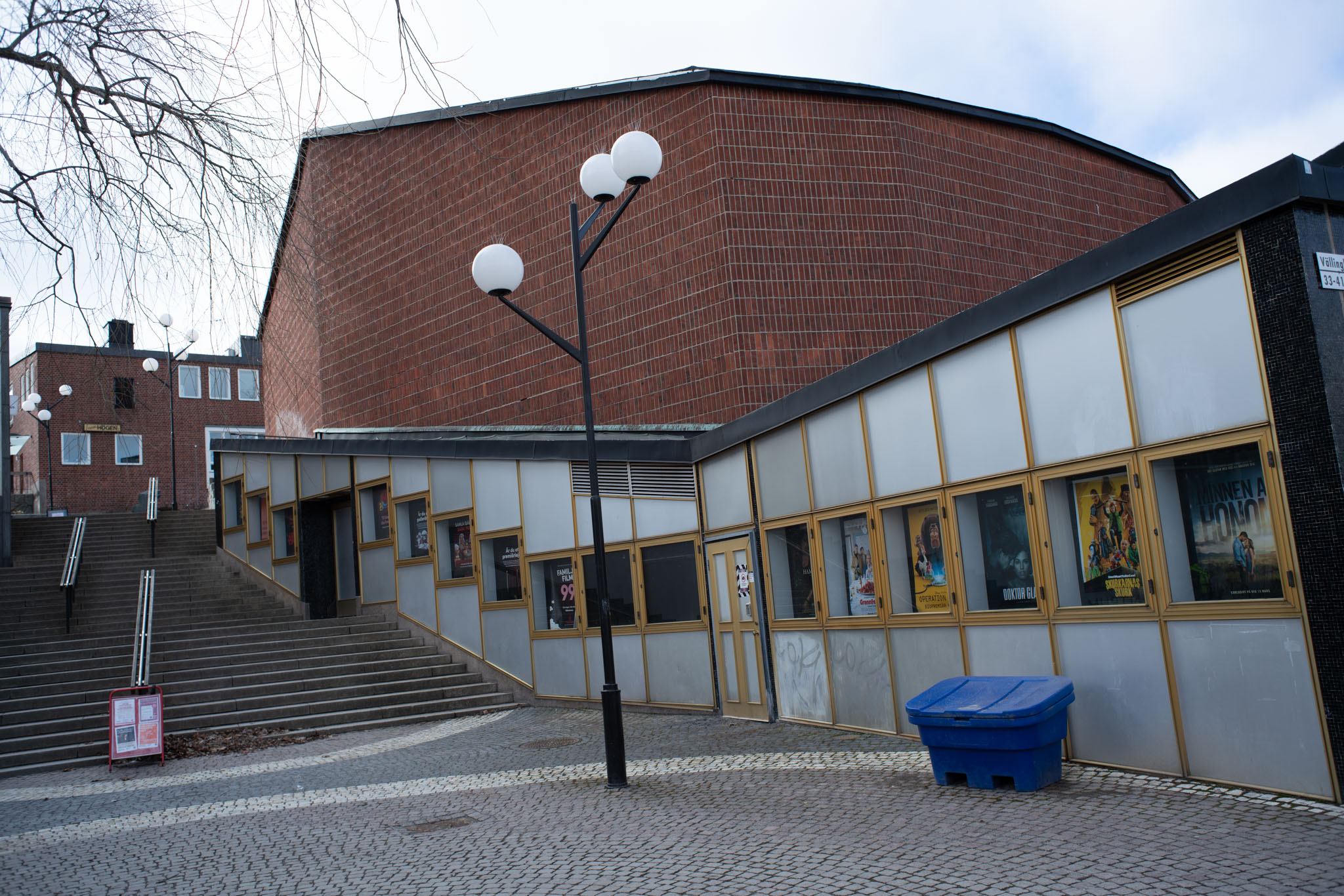
Konica Hexanon AR 28/3.5 @ f/5.6, 1/160 s
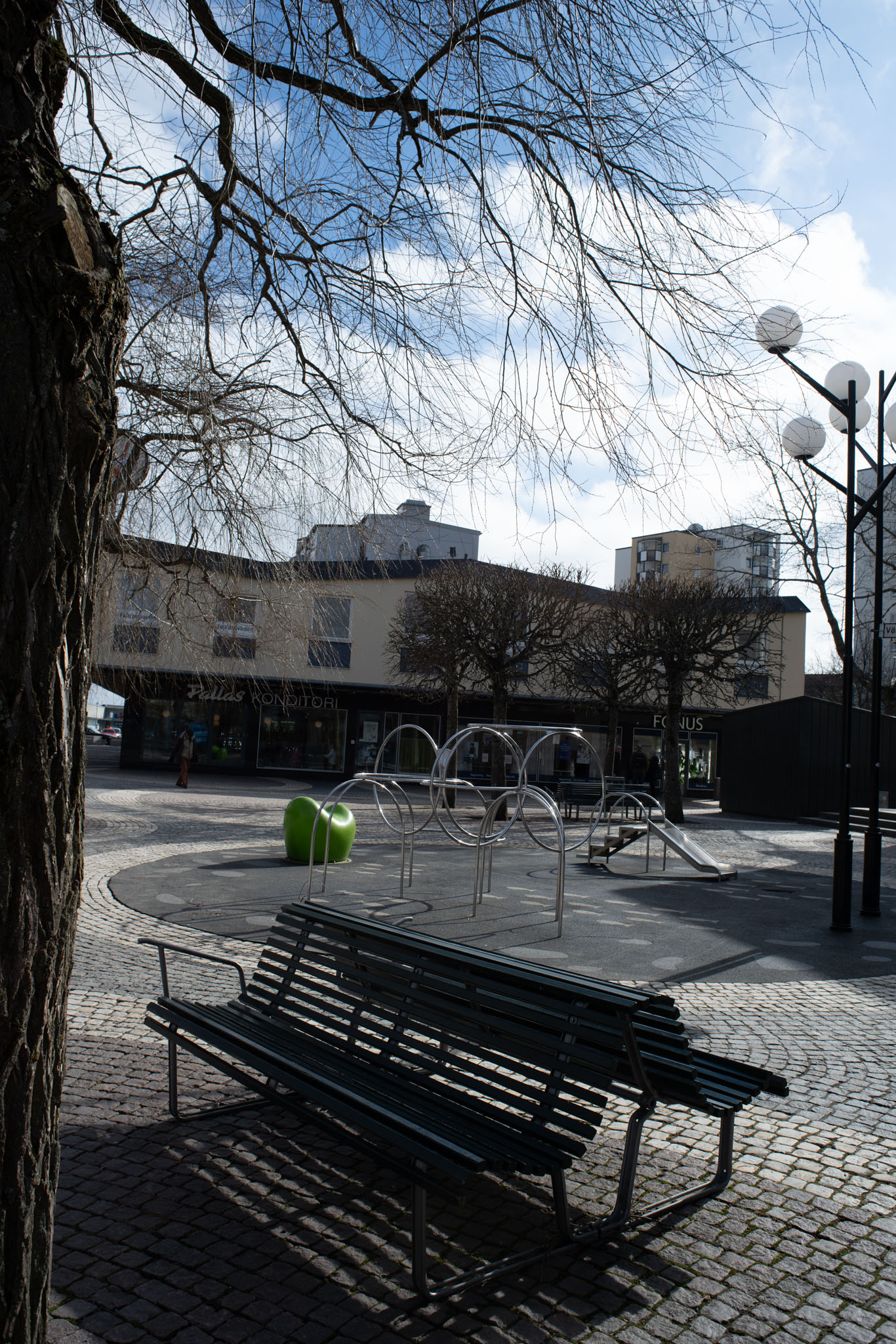
Konica Hexanon AR 28/3.5 @ f/8, 1/250 s
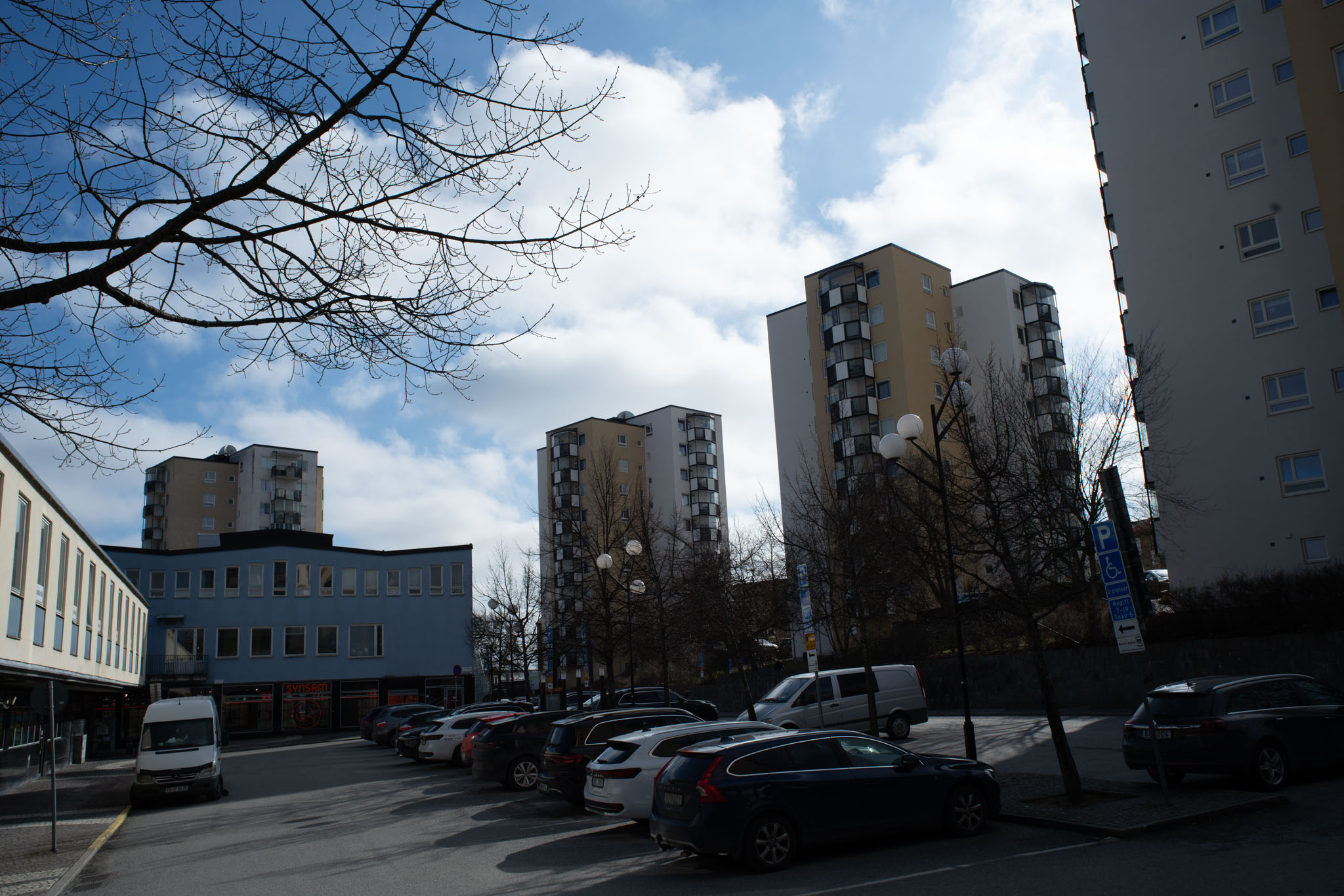
Konica Hexanon AR 28/3.5 @ f/11, 1/250 s
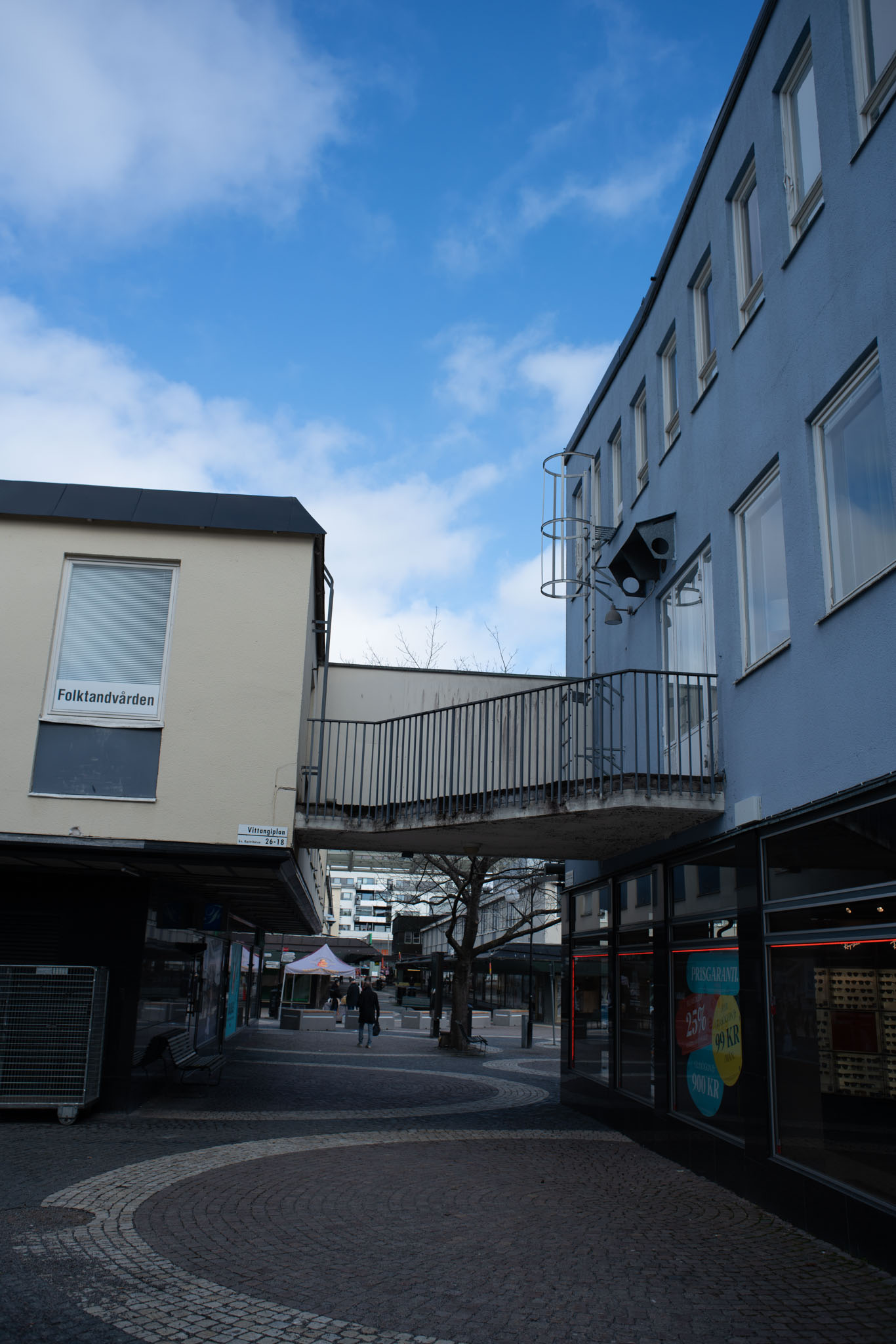
Konica Hexanon AR 28/3.5 @ f/5.6, 1/320 s
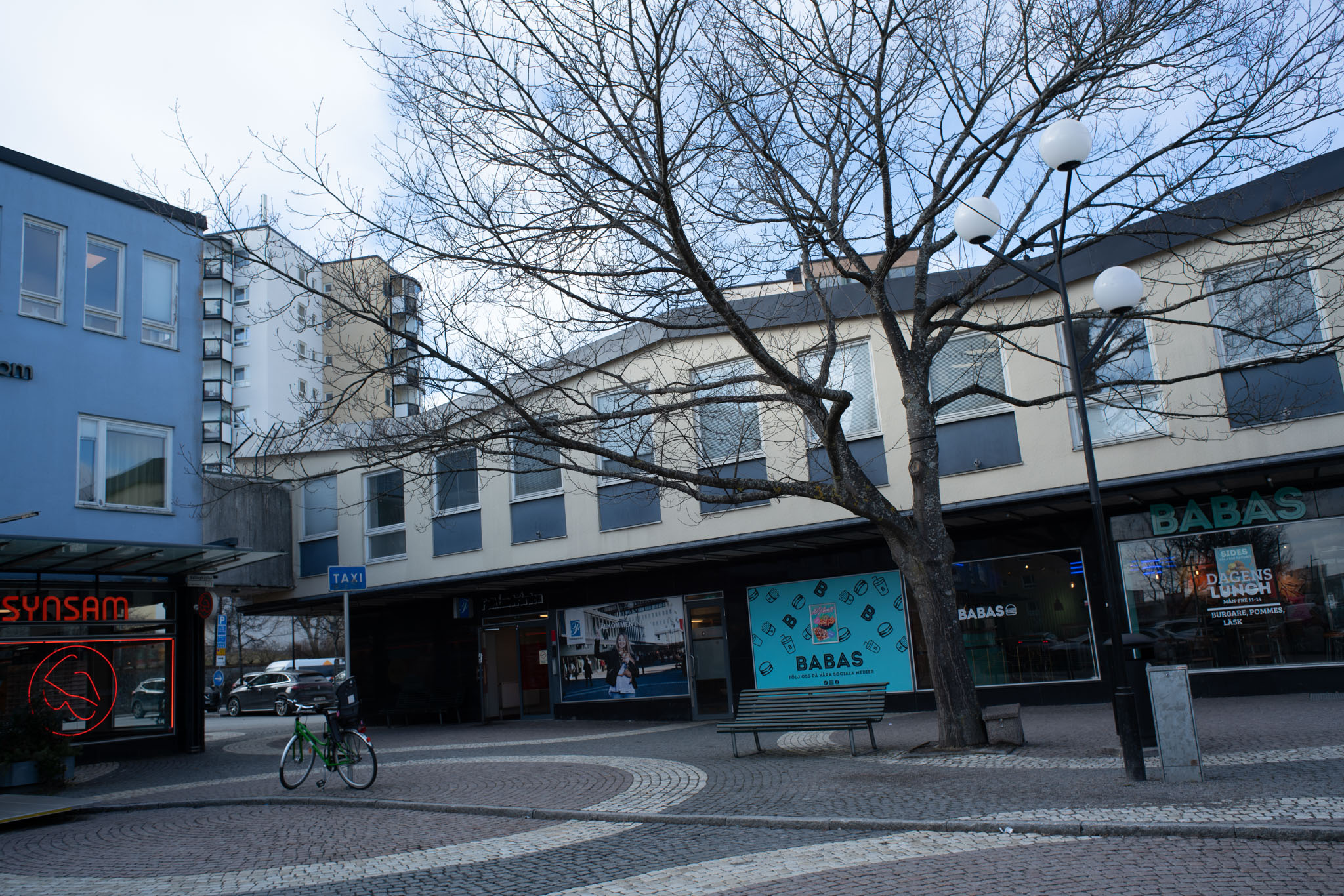
Konica Hexanon AR 28/3.5 @ f/8, 1/80 s
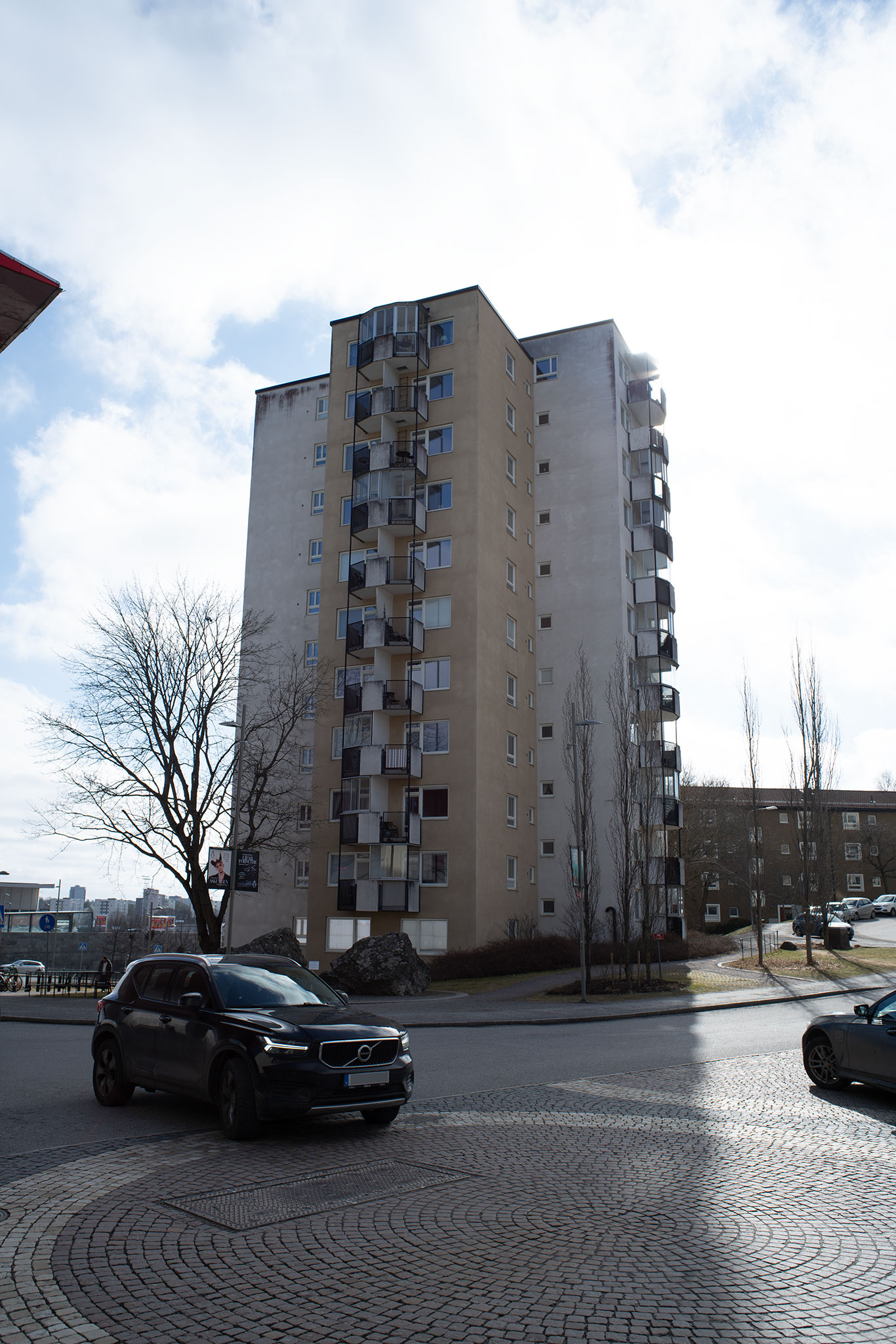
Konica Hexanon AR 28/3.5 @ f/8, 1/250 s
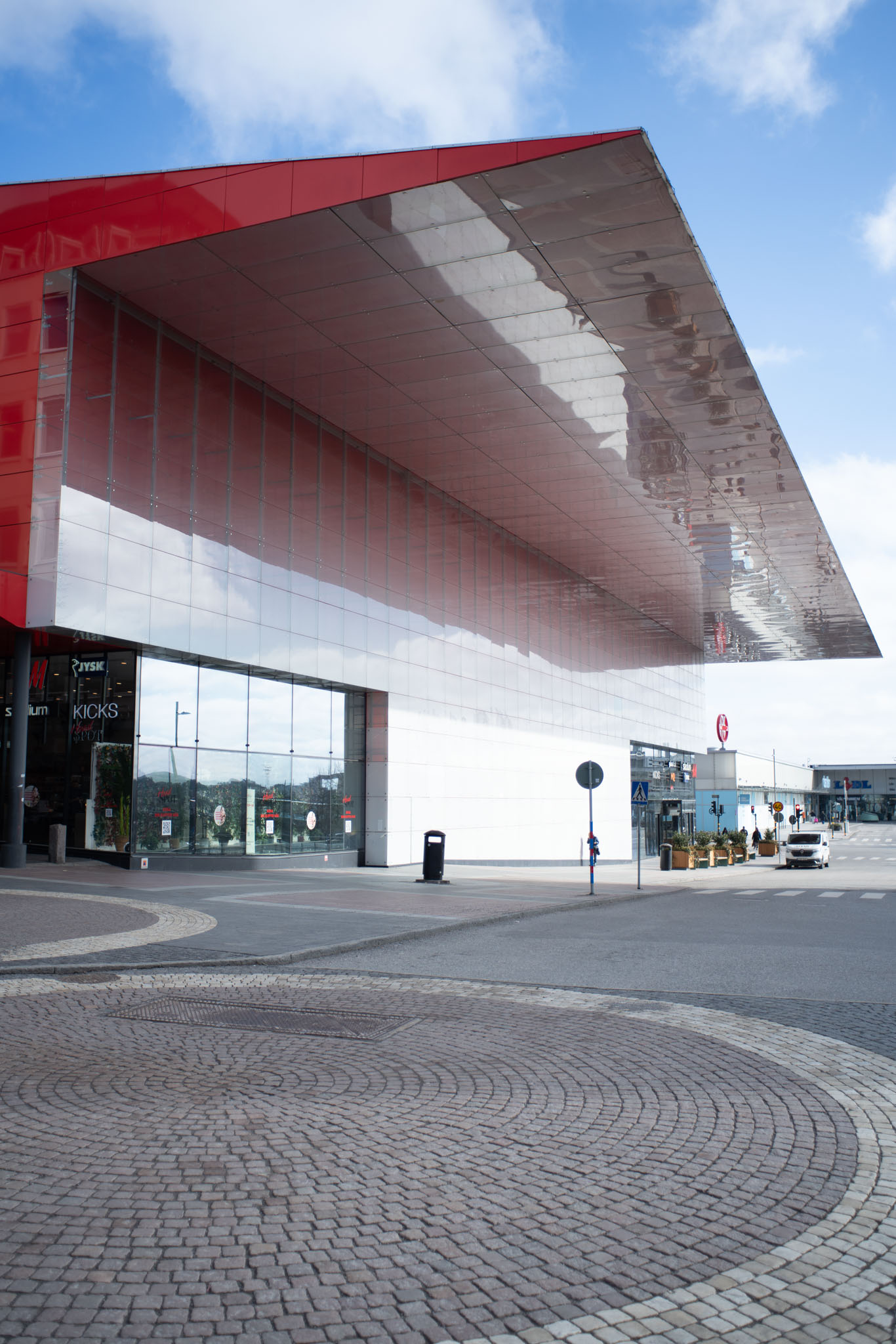
Konica Hexanon AR 28/3.5 @ f/3.5, 1/640 s
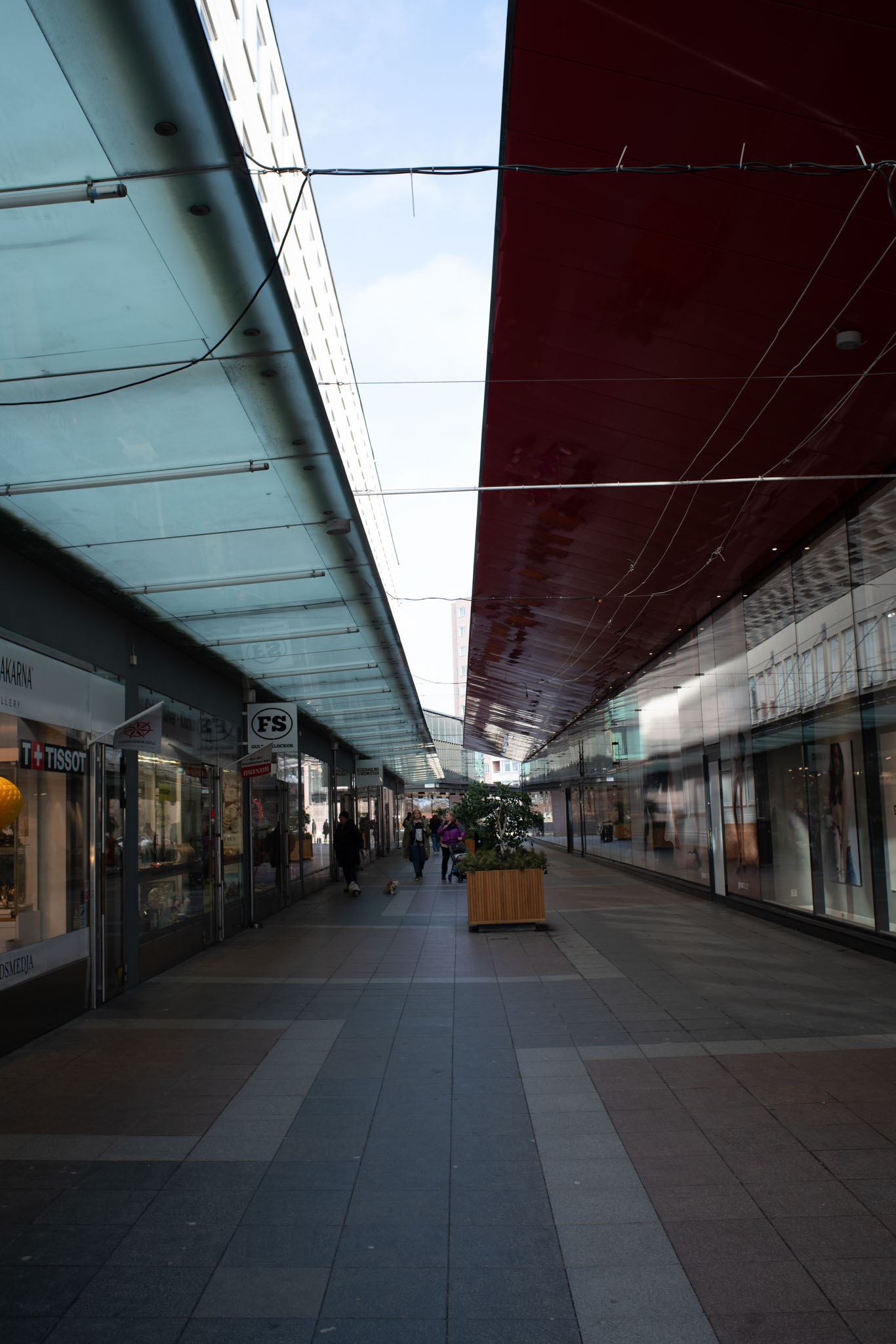
Konica Hexanon AR 28/3.5 @ f/5.6, 1/80 s
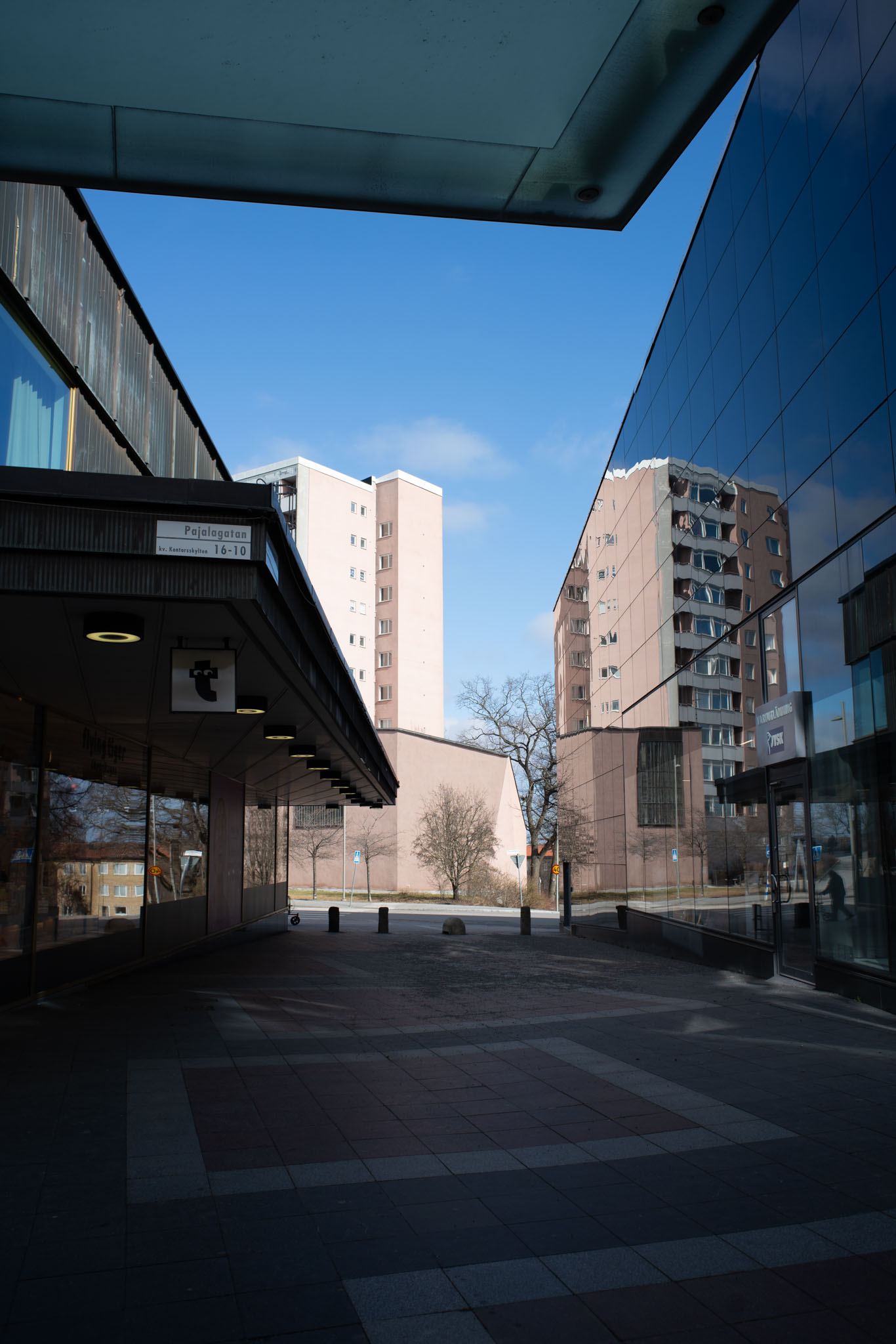
Konica Hexanon AR 28/3.5 @ f/5.6, 1/400 s
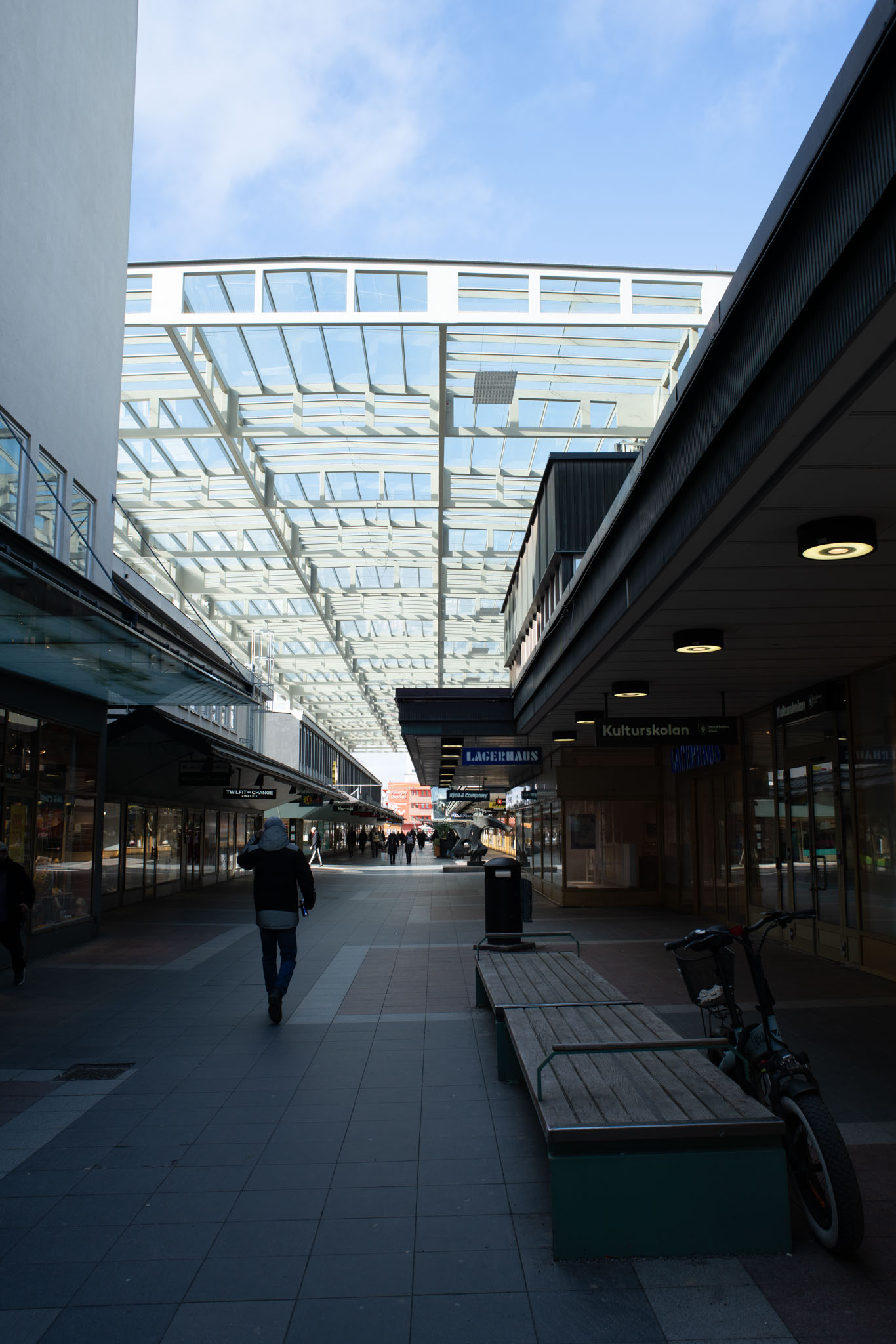
Konica Hexanon AR 28/3.5 @ f/8, 1/125 s
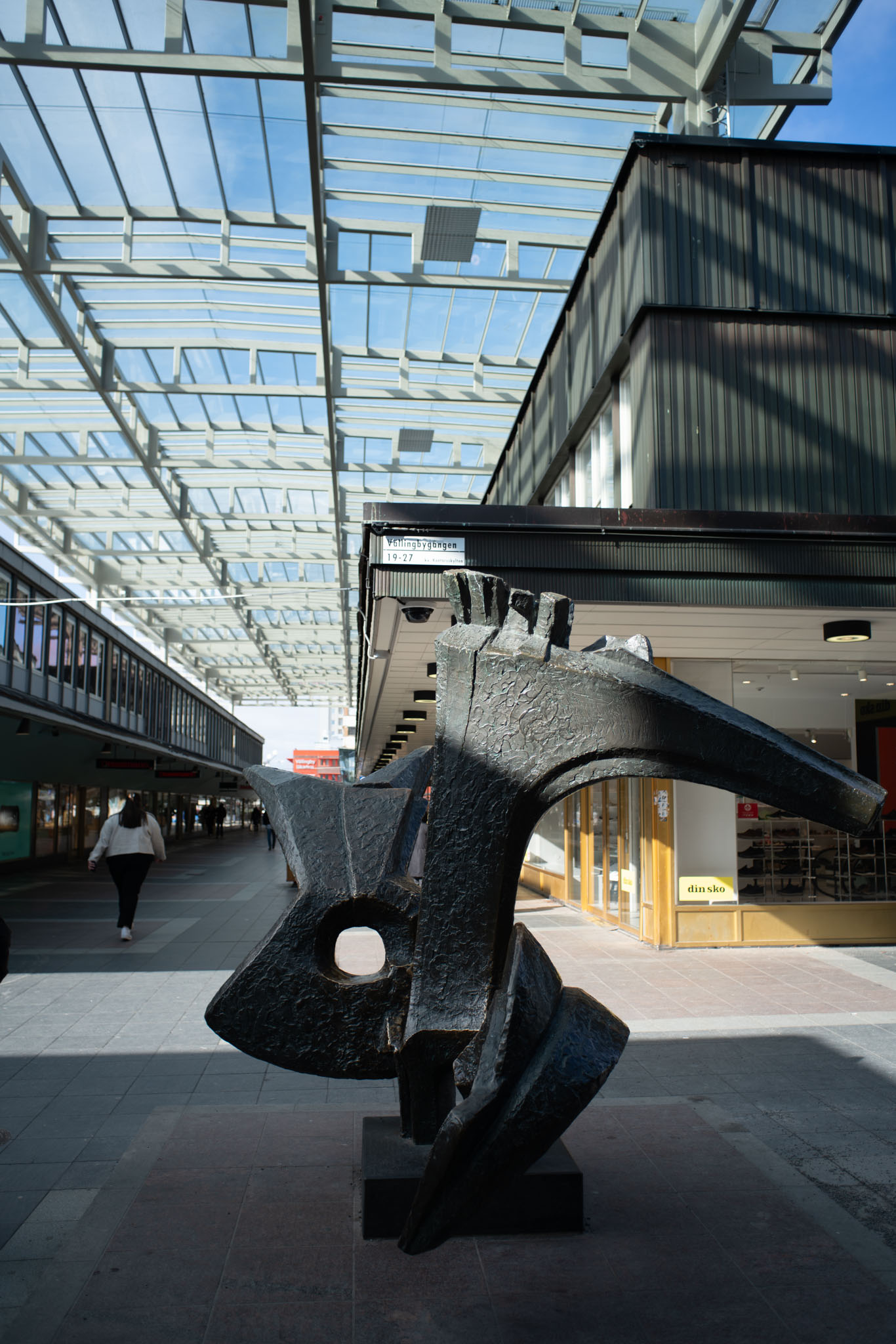
Konica Hexanon AR 28/3.5 @ f/3.5, 1/400 s
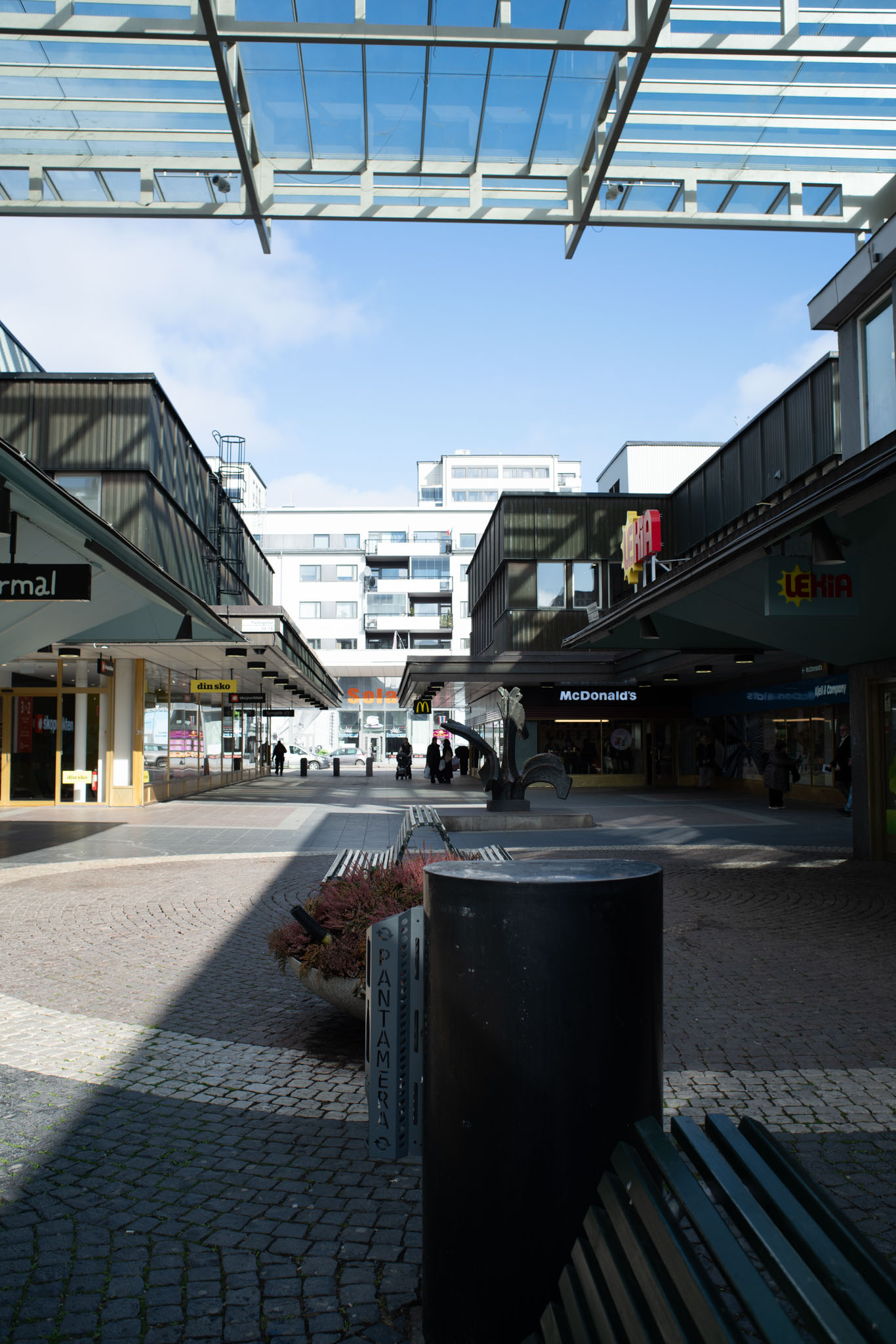
Konica Hexanon AR 28/3.5 @ f/5.6, 1/250 s
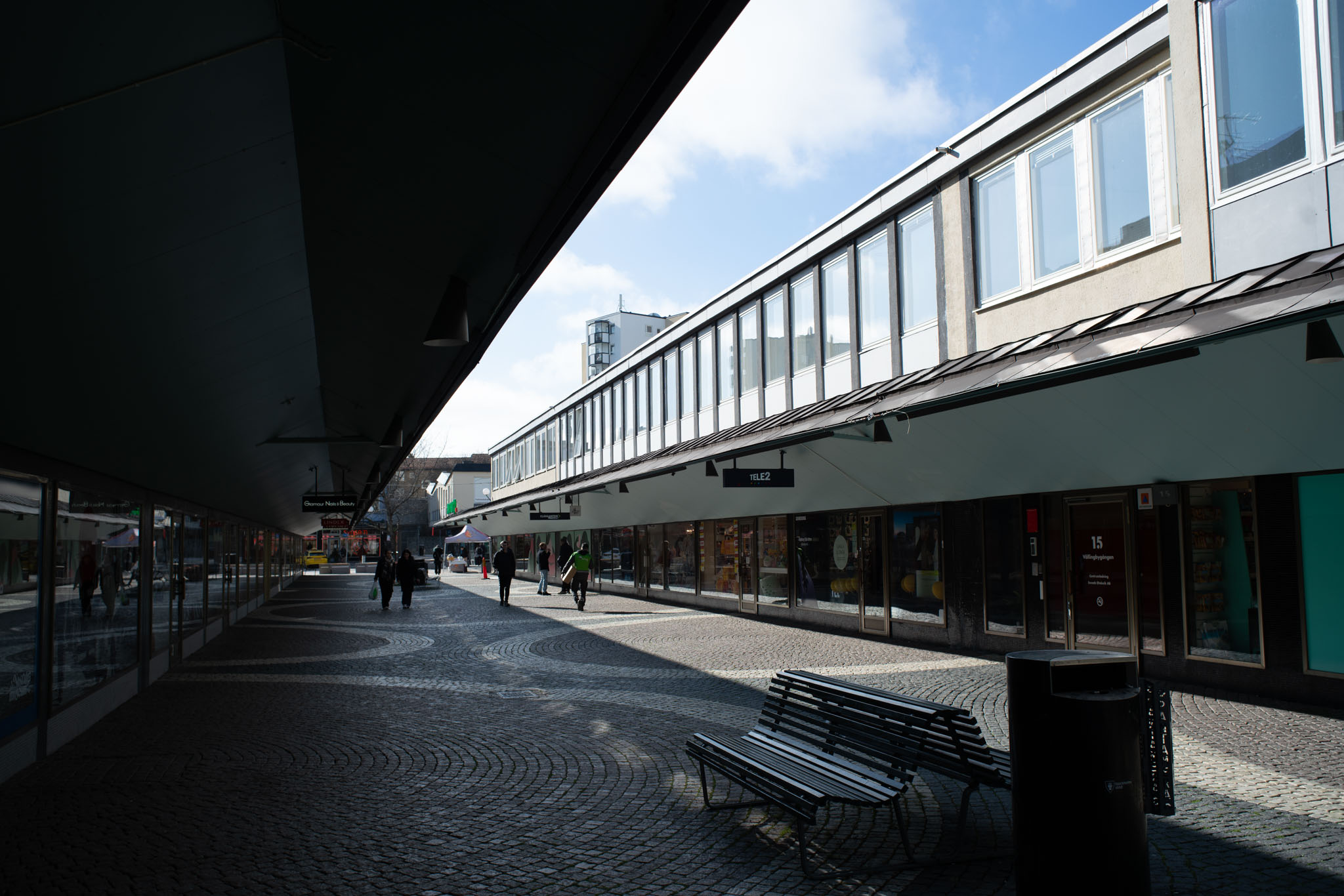
Konica Hexanon AR 28/3.5 @ f/5.6, 1/320 s
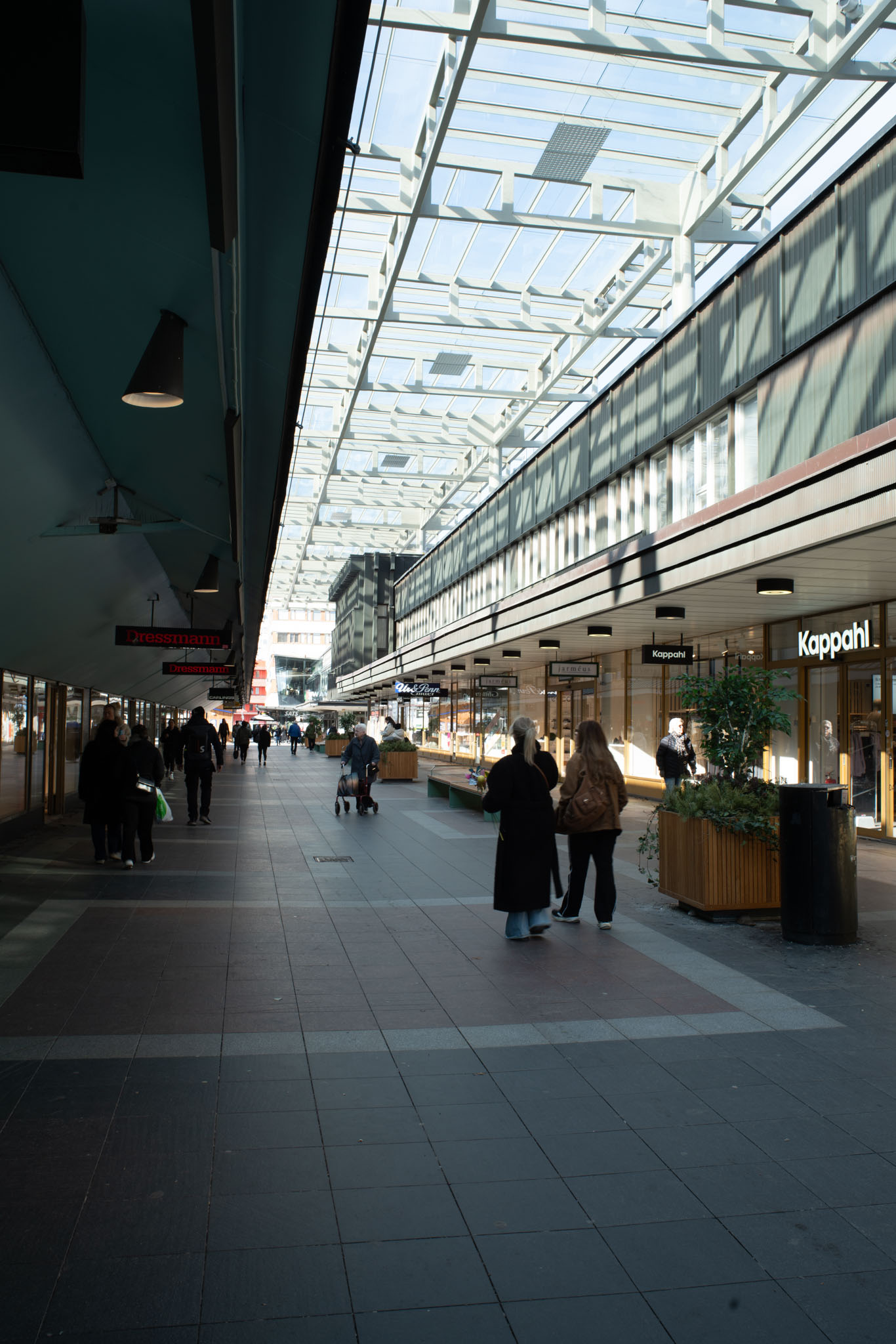
Konica Hexanon AR 28/3.5 @ f/11, 1/30 s, ISO160
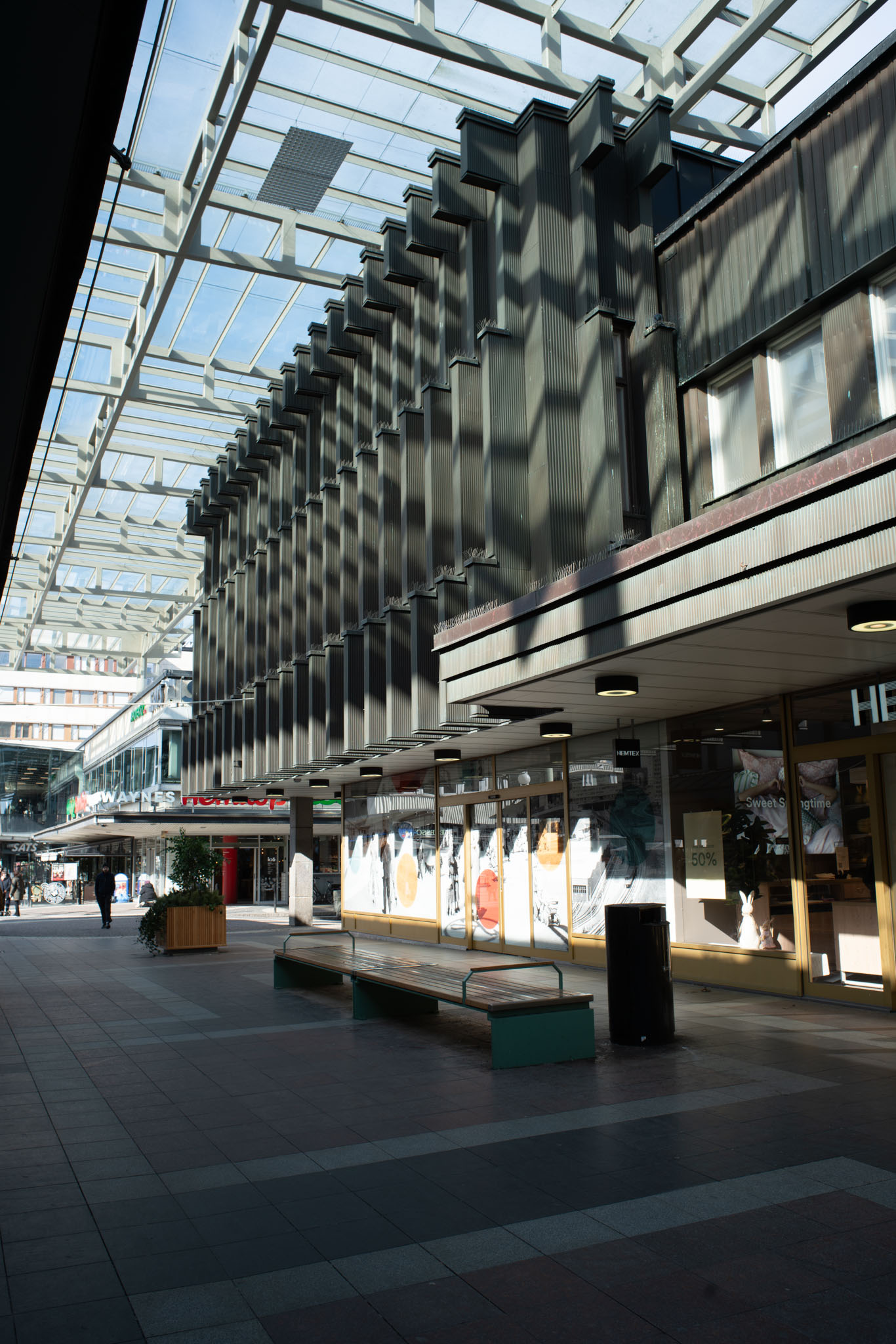
Konica Hexanon AR 28/3.5 @ f/8, 1/60 s
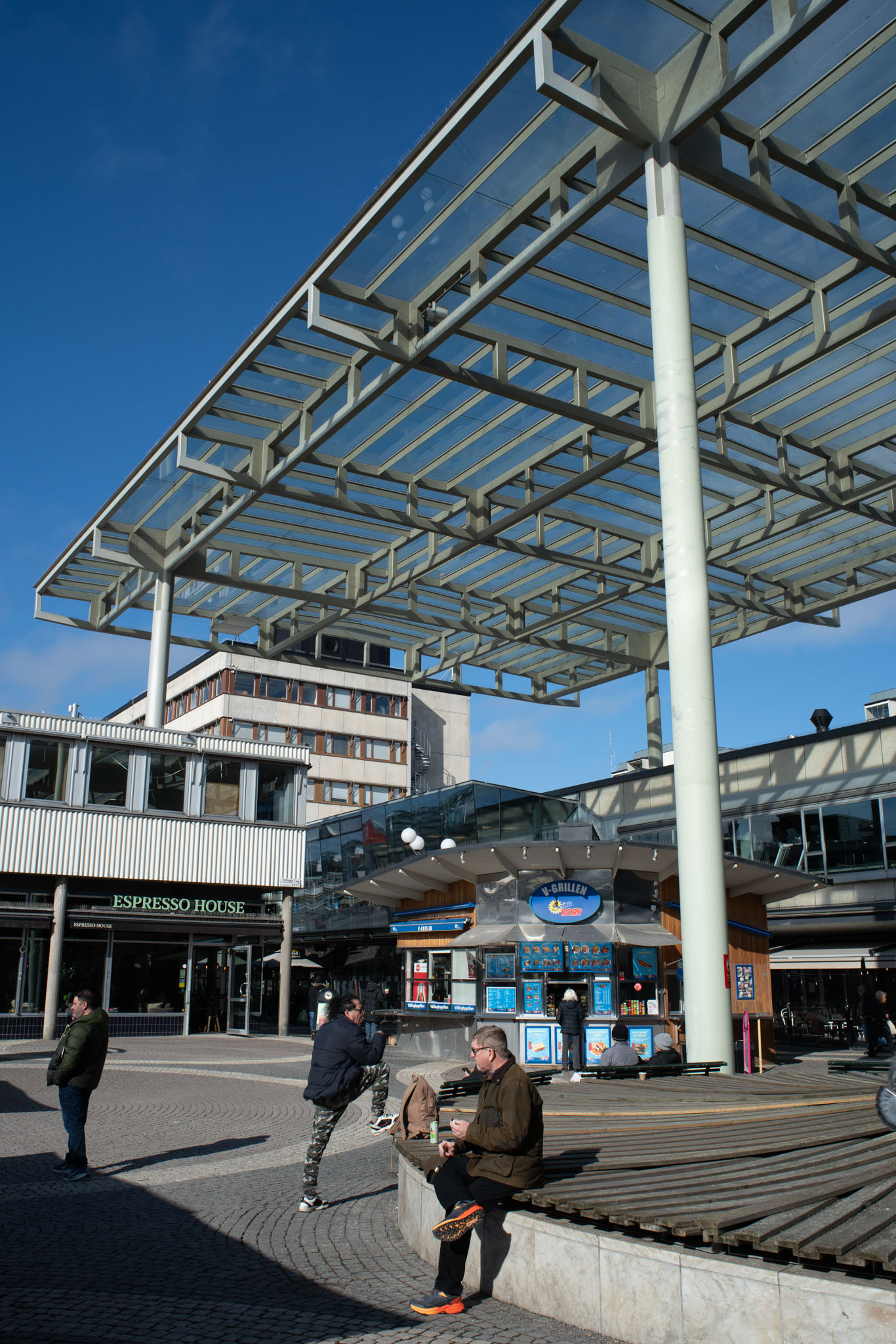
Konica Hexanon AR 28/3.5 @ f/8, 1/320 s
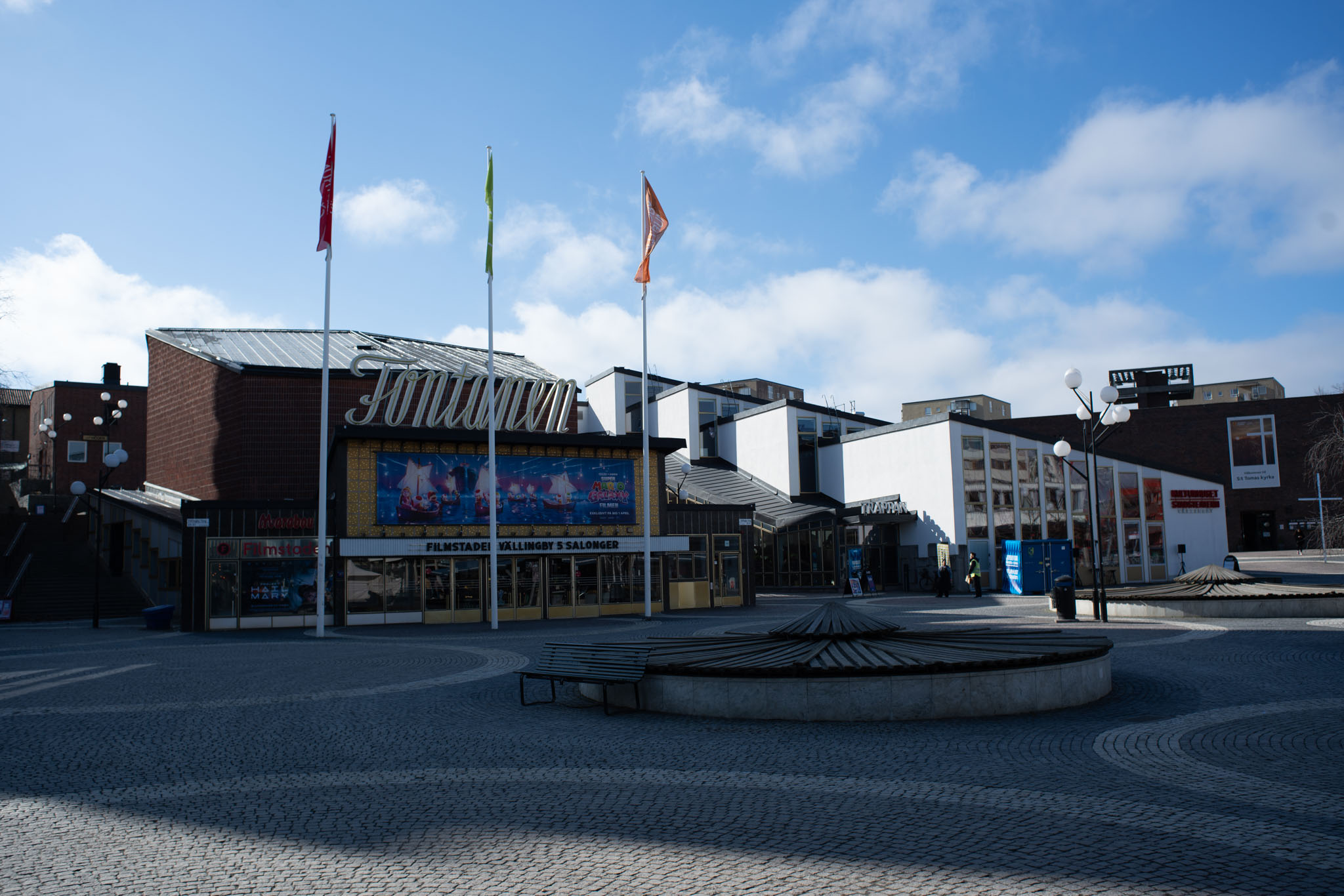
Konica Hexanon AR 28/3.5 @ f/5.6, 1/500 s
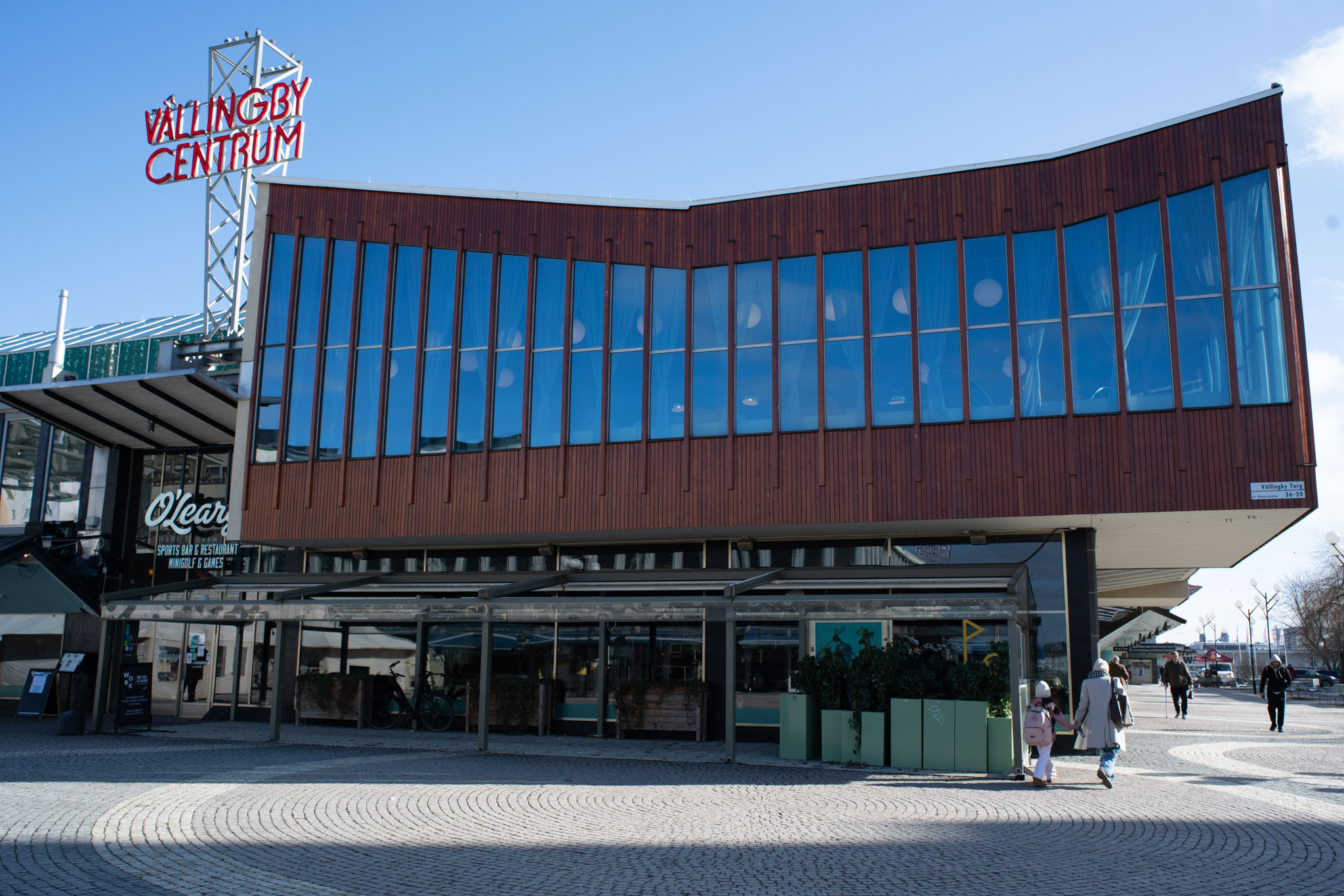
Konica Hexanon AR 28/3.5 @ f/8, 1/100 s
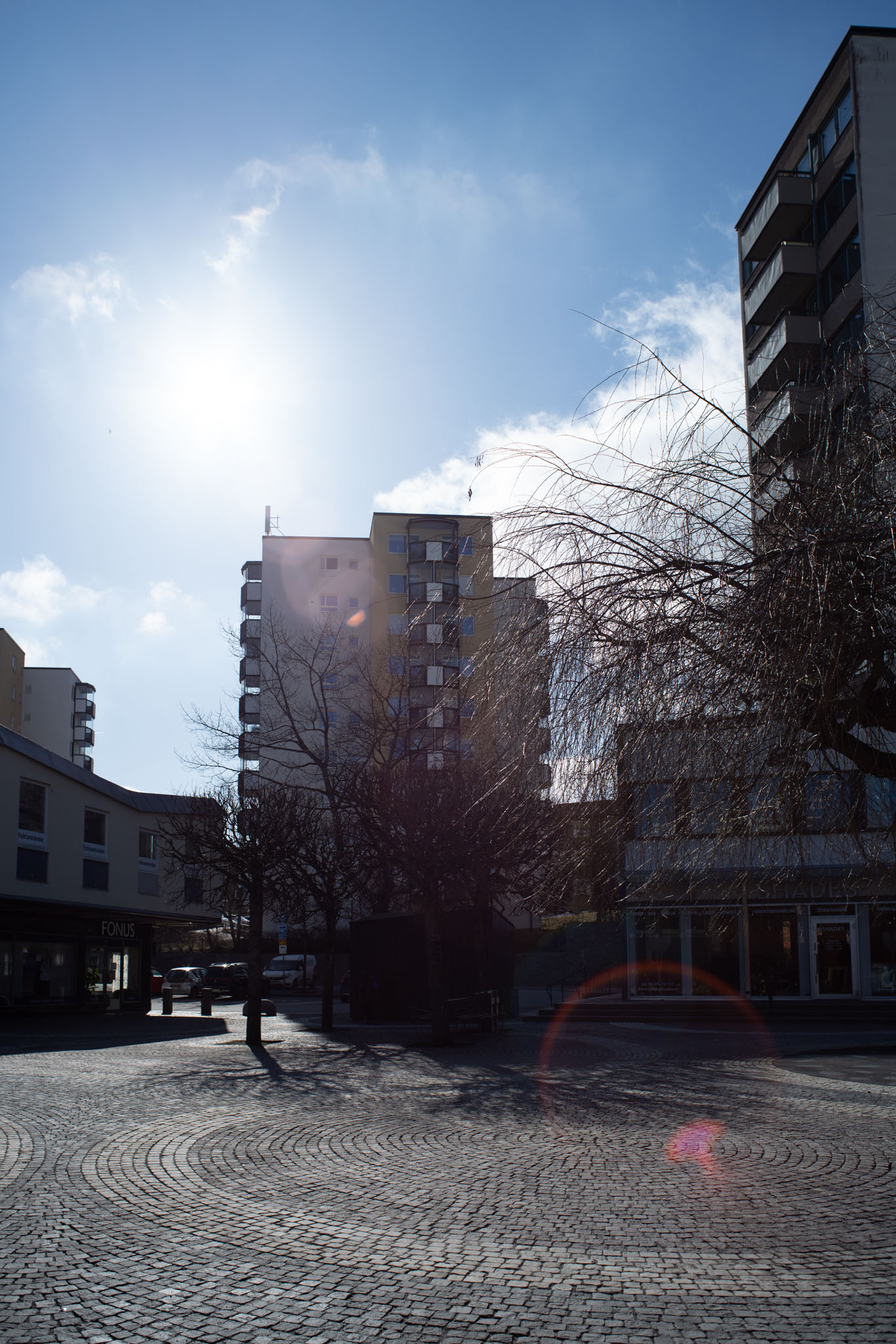
Konica Hexanon AR 28/3.5 @ f/5.6, 1/1000 s
Part II: Downtown Stockholm
After walking around Vällingby, I took a metro to Stockholm and walked back towards by ferry home. The sun was shining and I decided to take a few more snaps.
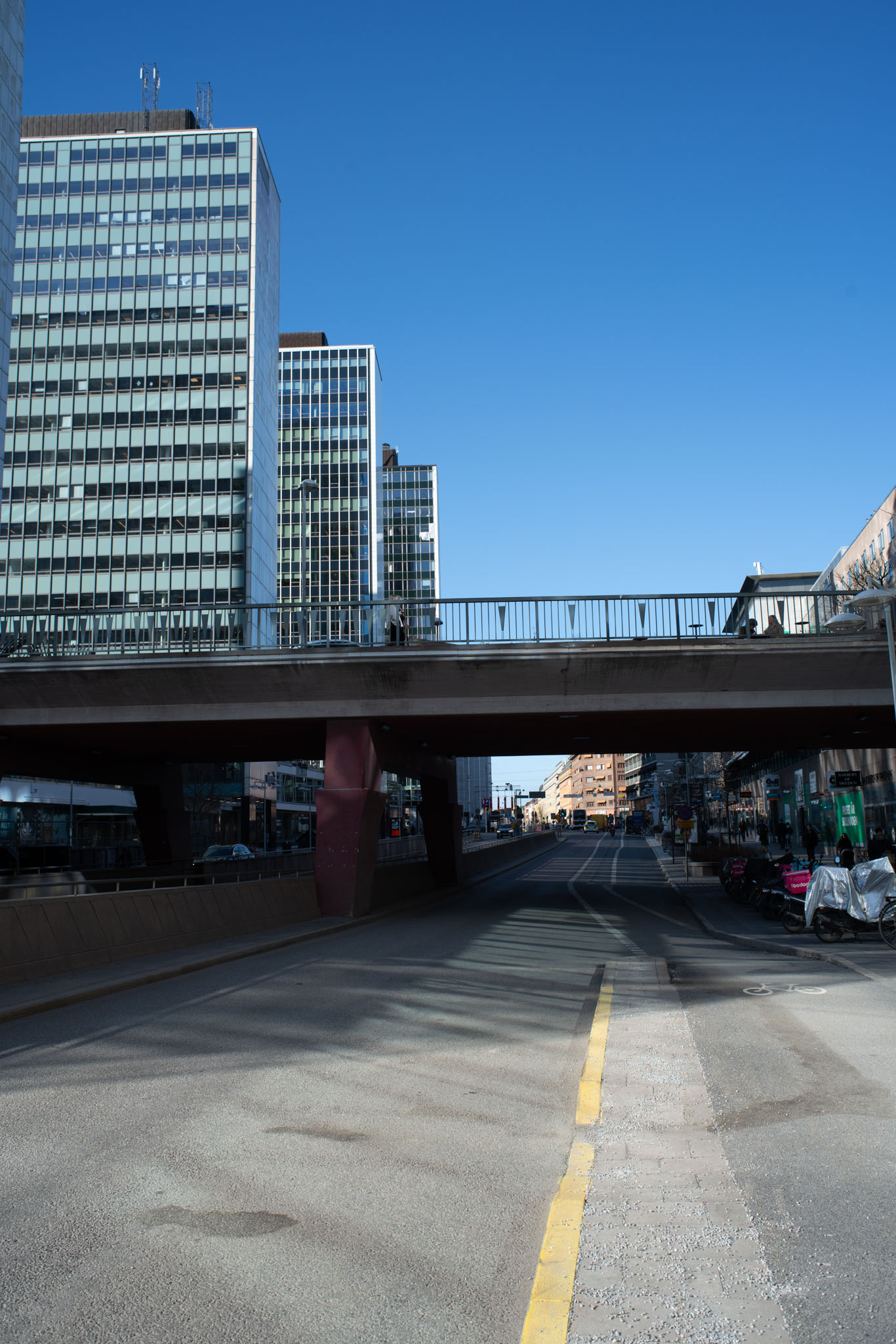
Konica Hexanon AR 28/3.5 @ f/8, 1/160 s
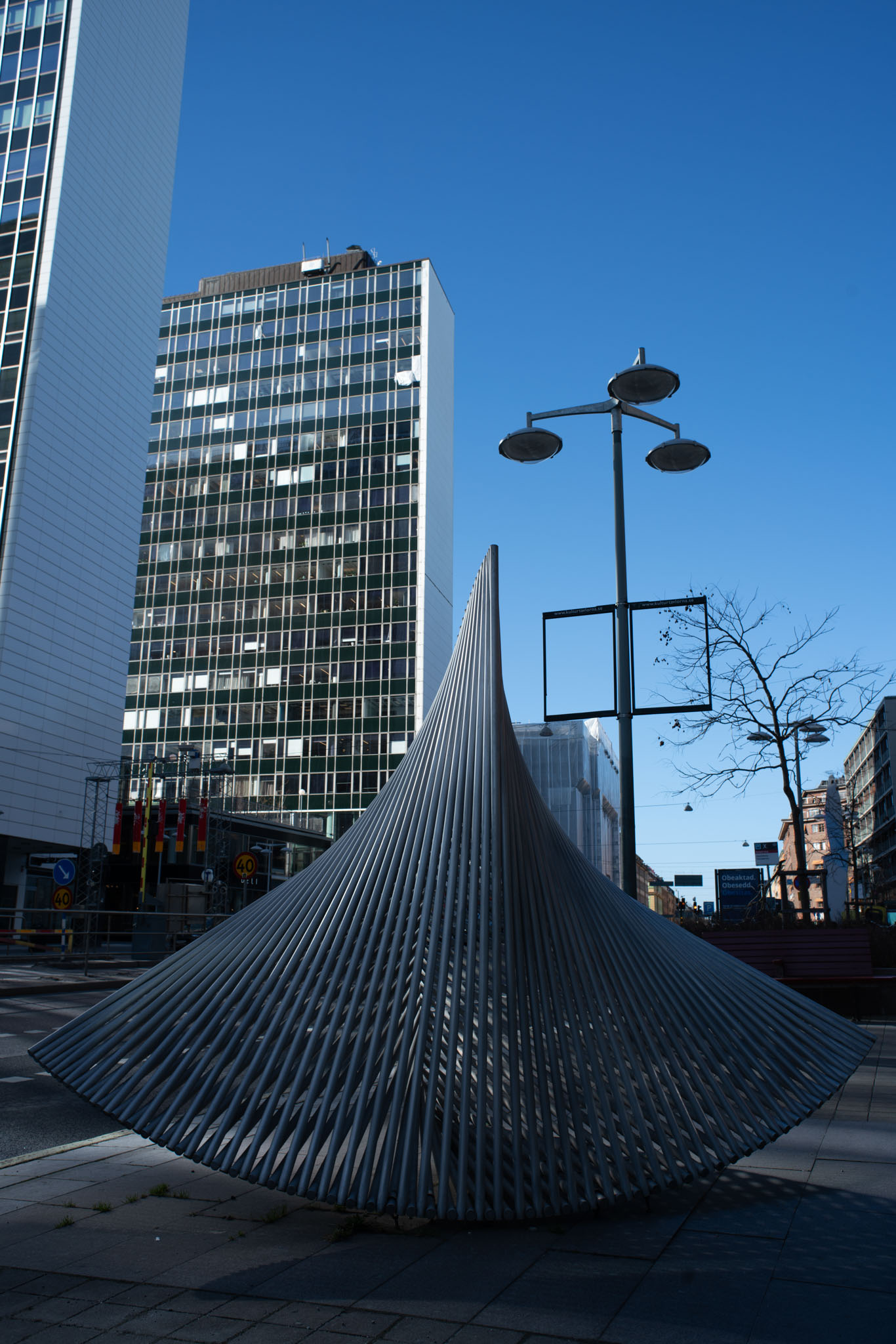
Konica Hexanon AR 28/3.5 @ f/8, 1/160 s
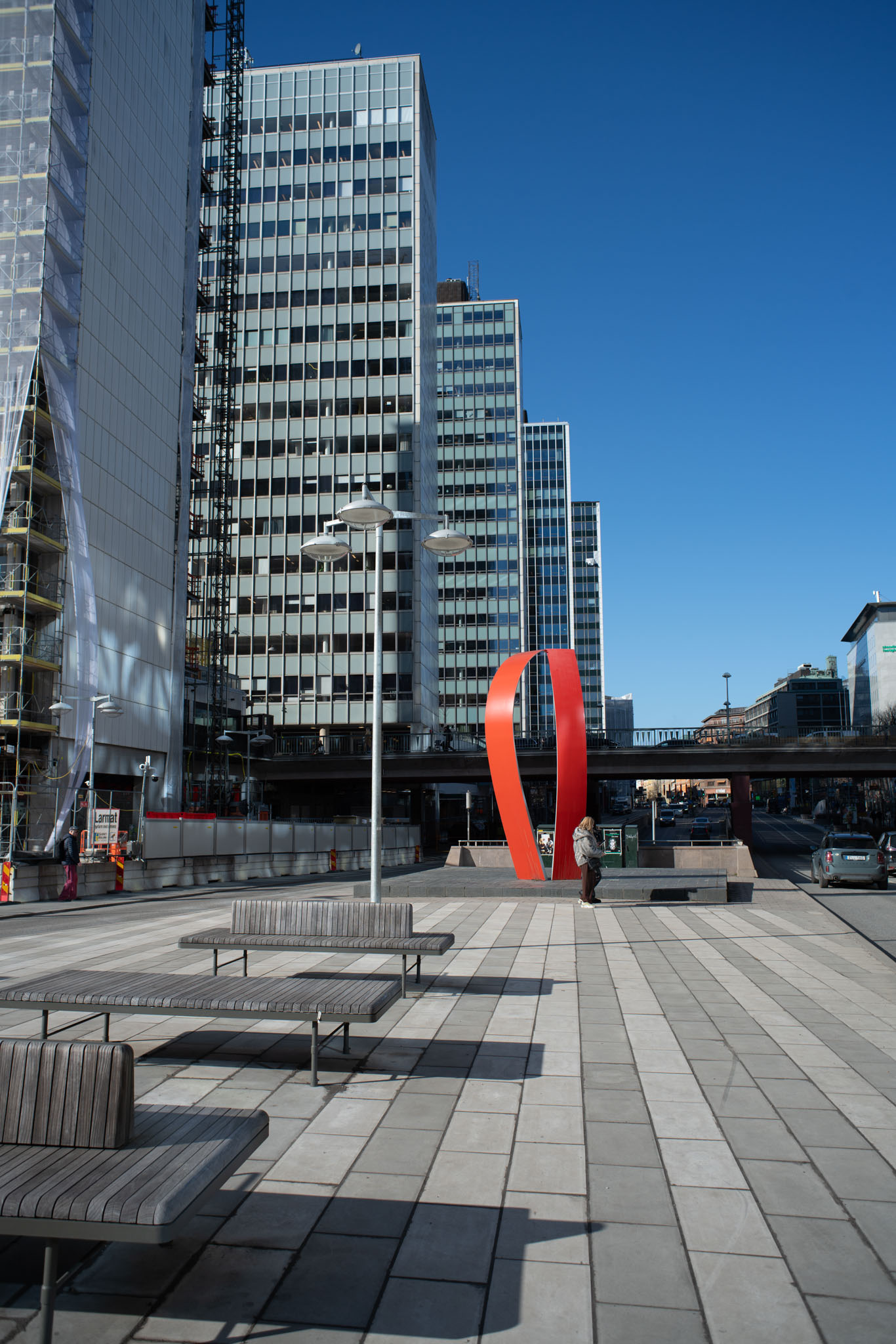
Konica Hexanon AR 28/3.5 @ f/5.6, 1/500 s
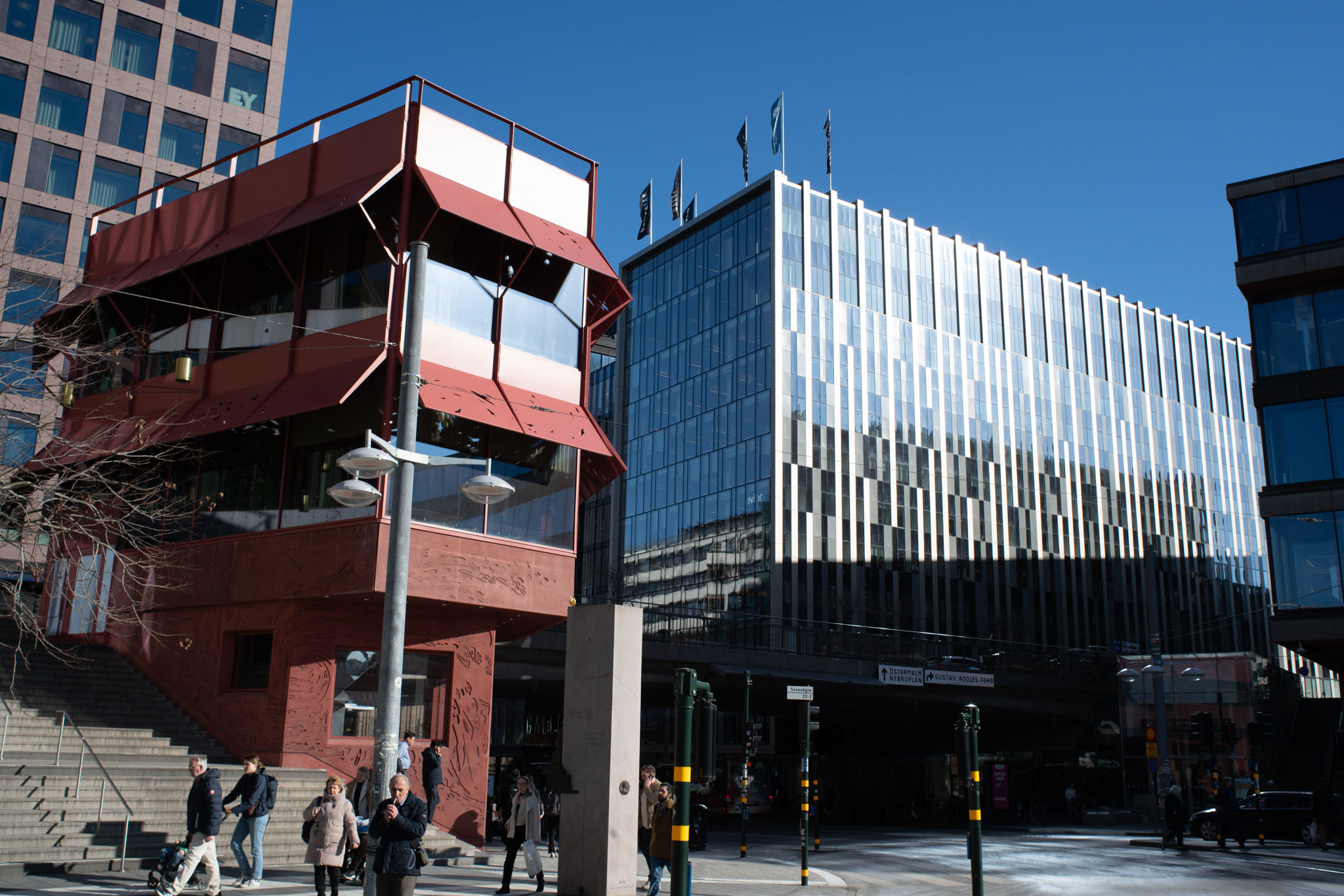
Konica Hexanon AR 28/3.5 @ f/8, 1/250 s
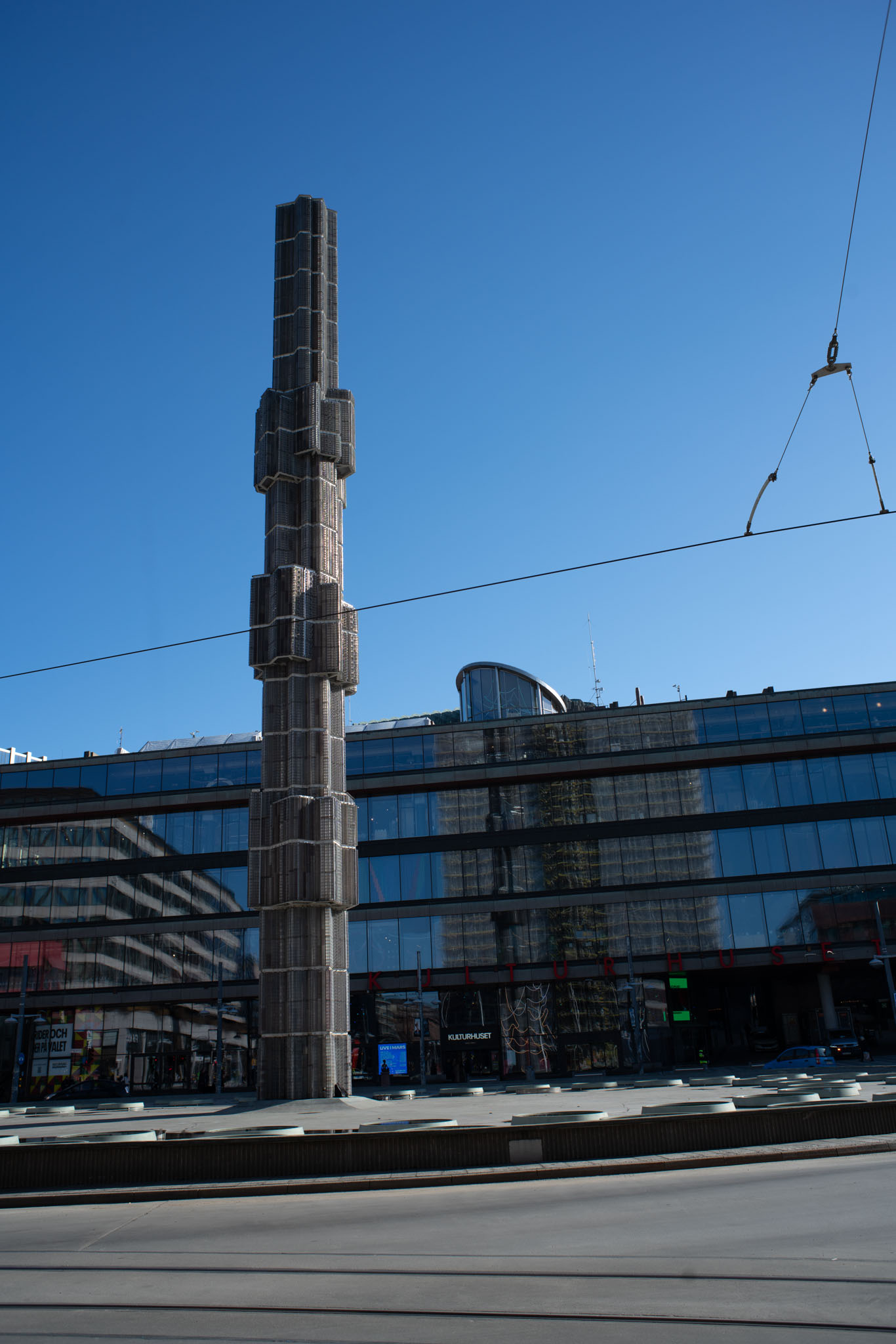
Konica Hexanon AR 28/3.5 @ f/8, 1/250 s
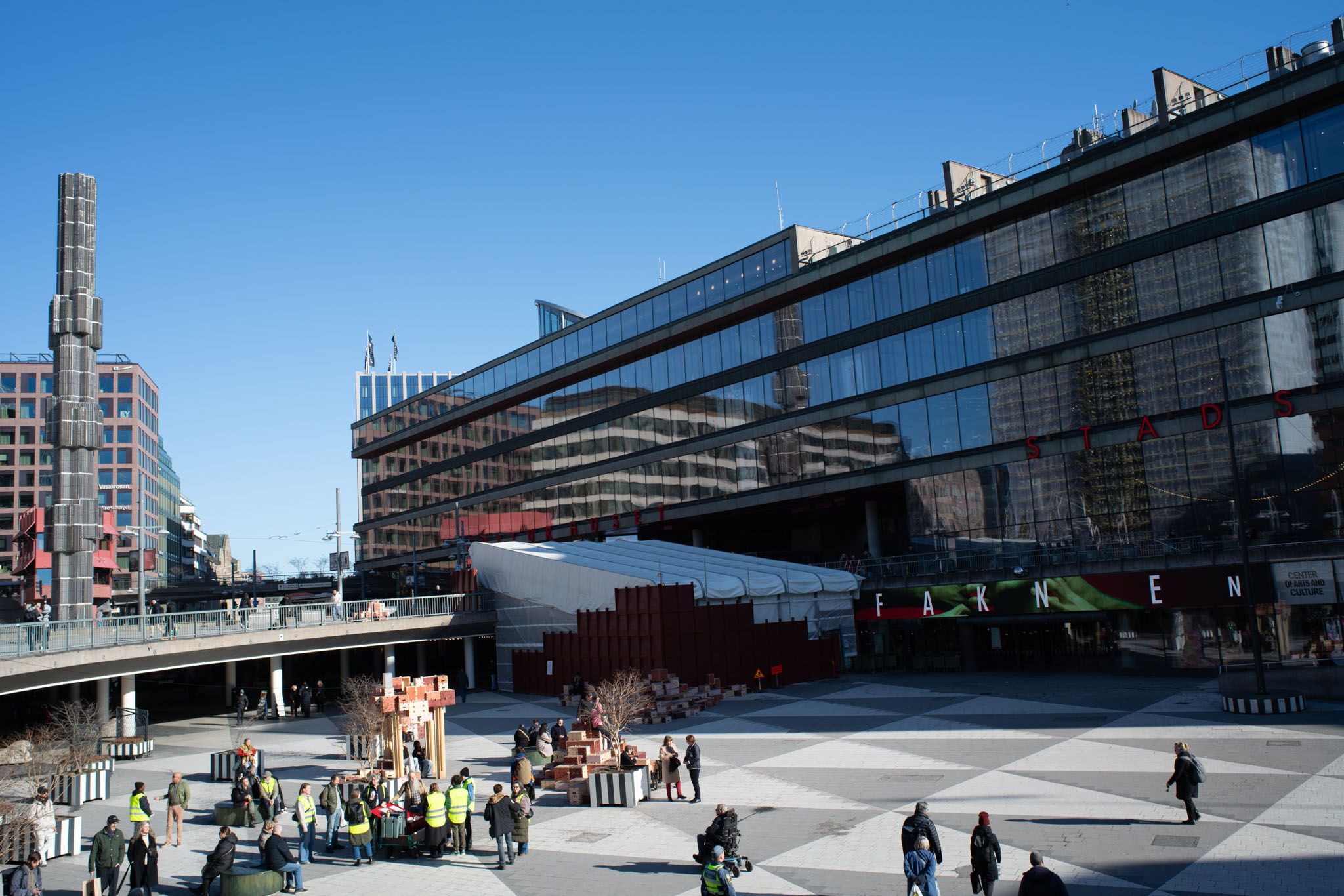
Konica Hexanon AR 28/3.5 @ f/8, 1/160 s
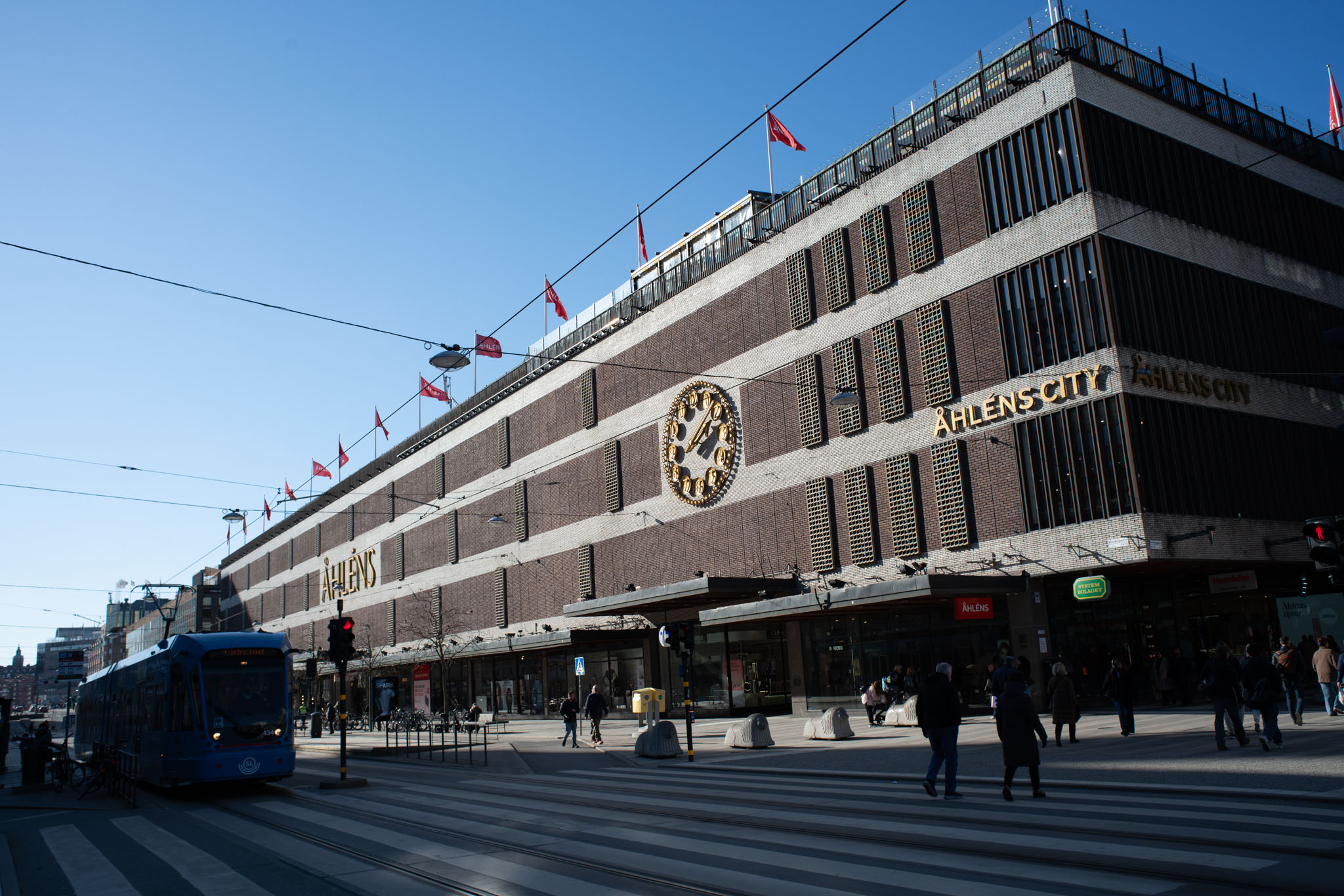
Konica Hexanon AR 28/3.5 @ f/8, 1/200 s
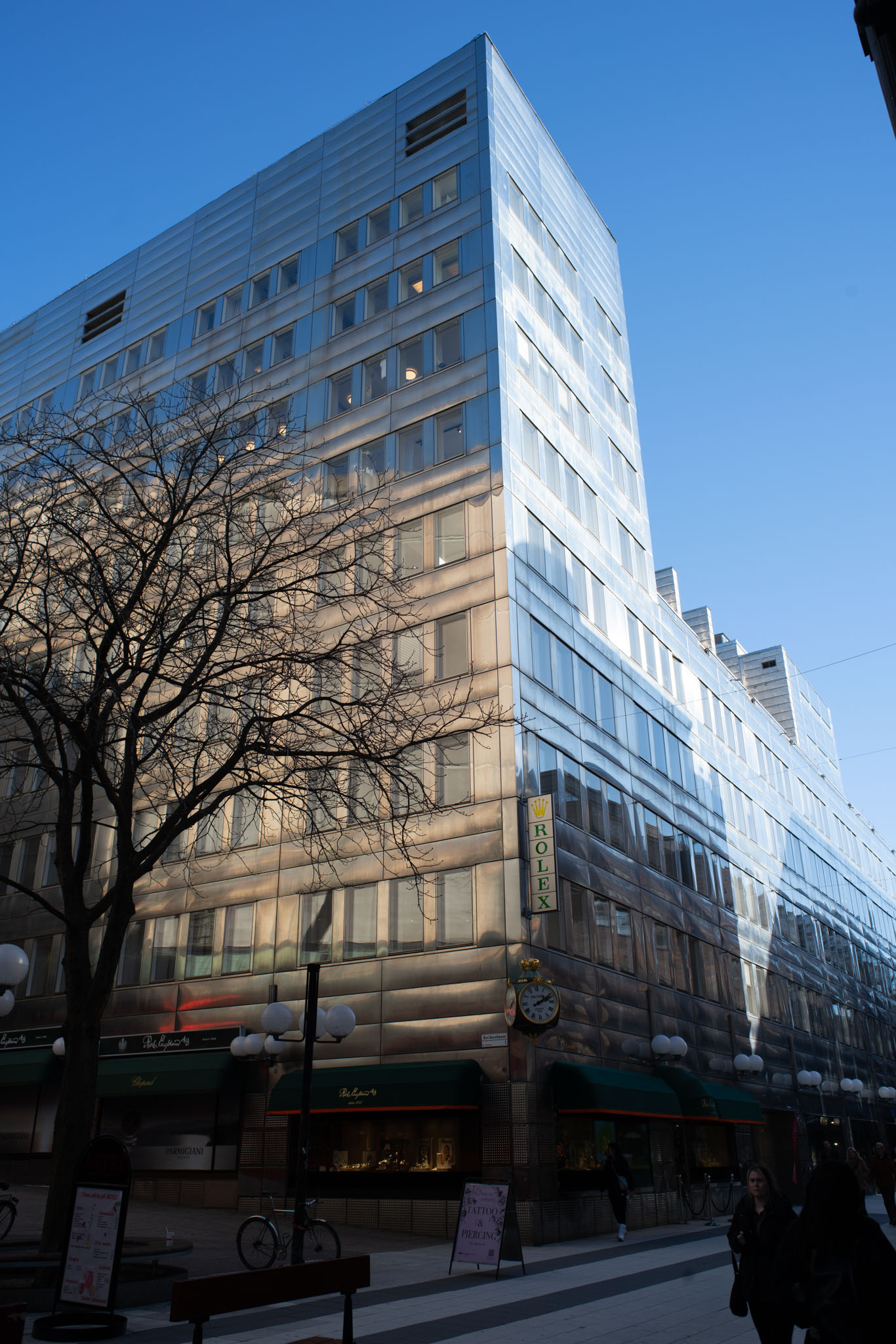
Konica Hexanon AR 28/3.5 @ f/8, 1/100 s
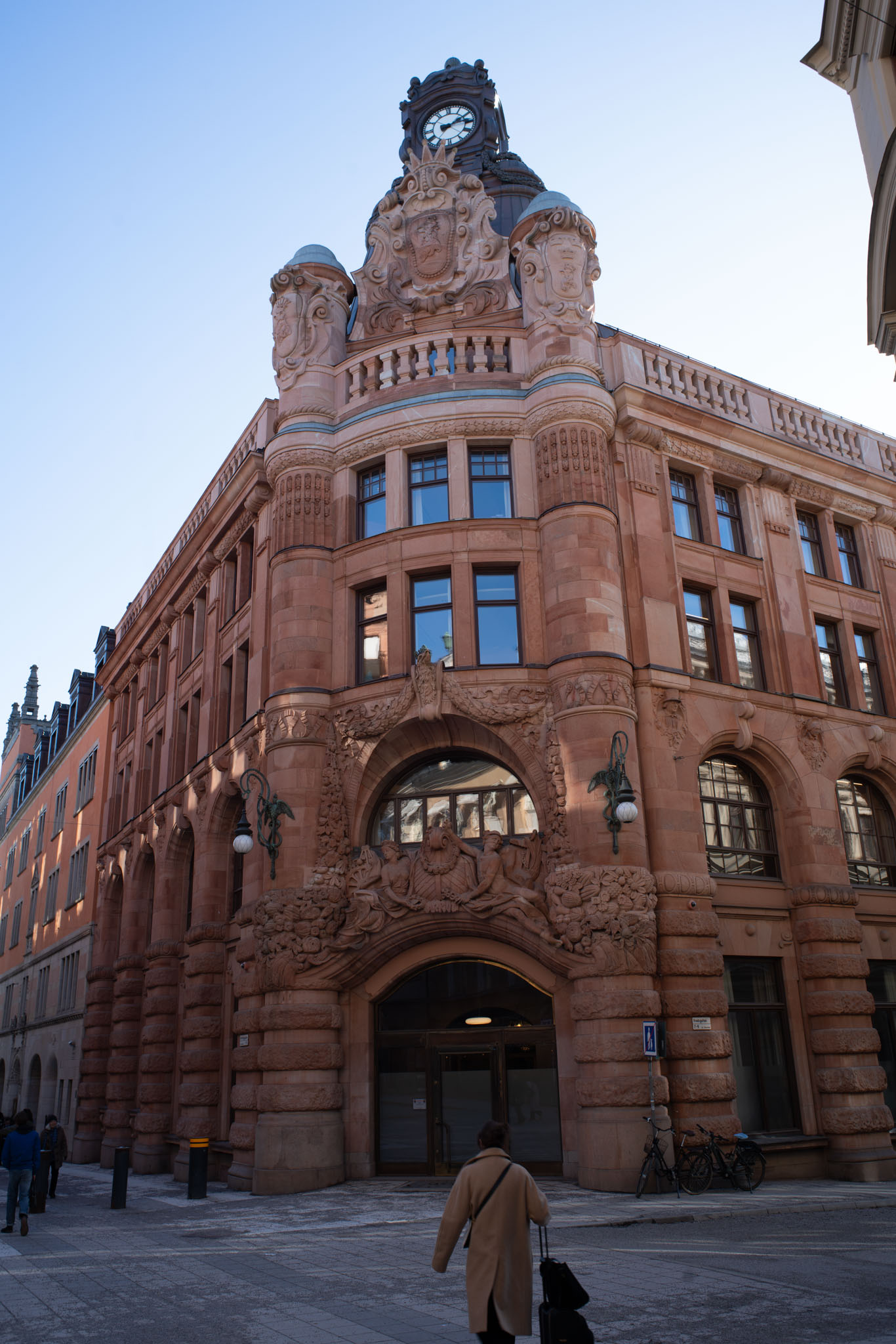
Konica Hexanon AR 28/3.5 @ f/8, 1/60 s
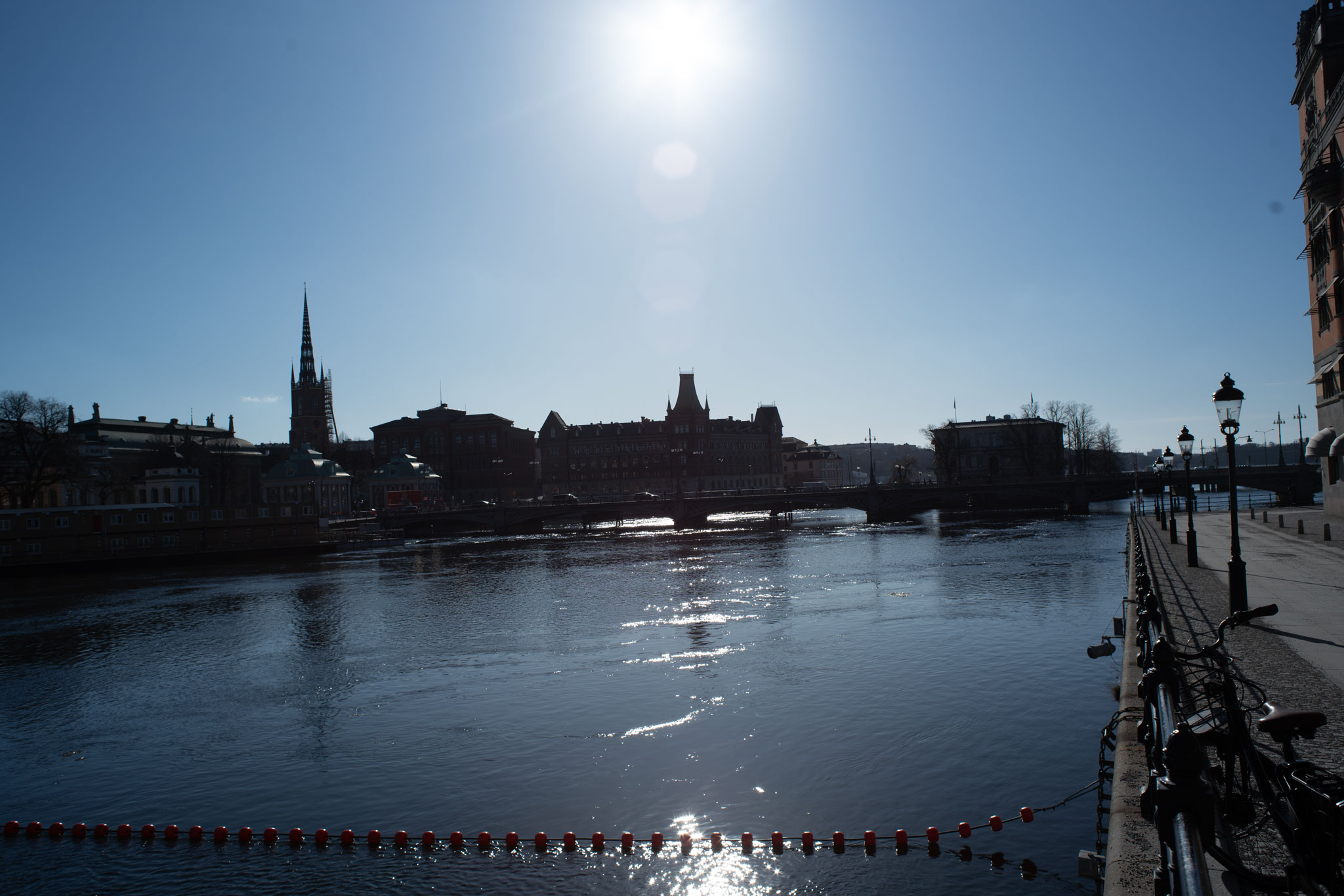
Konica Hexanon AR 28/3.5 @ f/8, 1/800 s
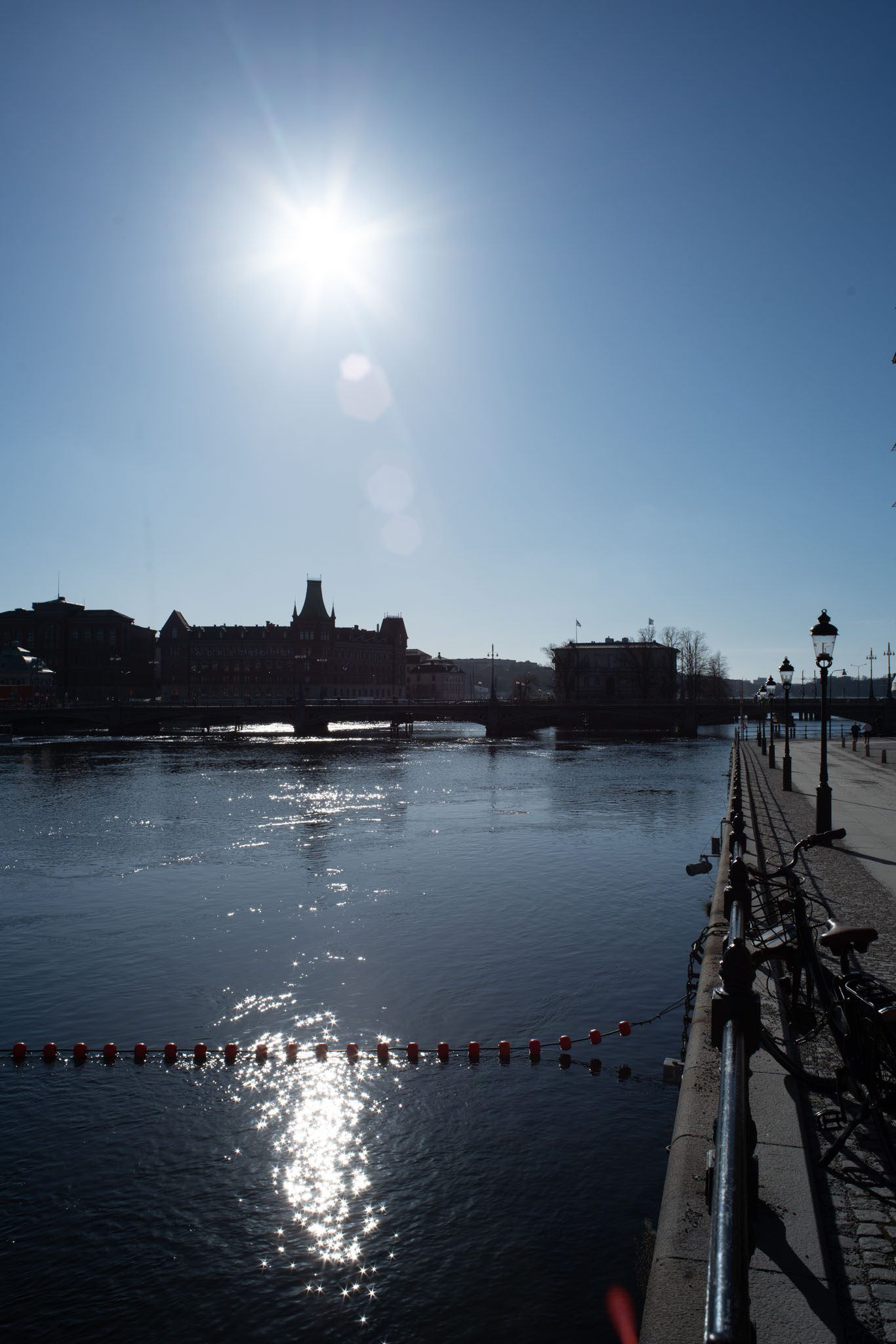
Konica Hexanon AR 28/3.5 @ f/11, 1/500 s
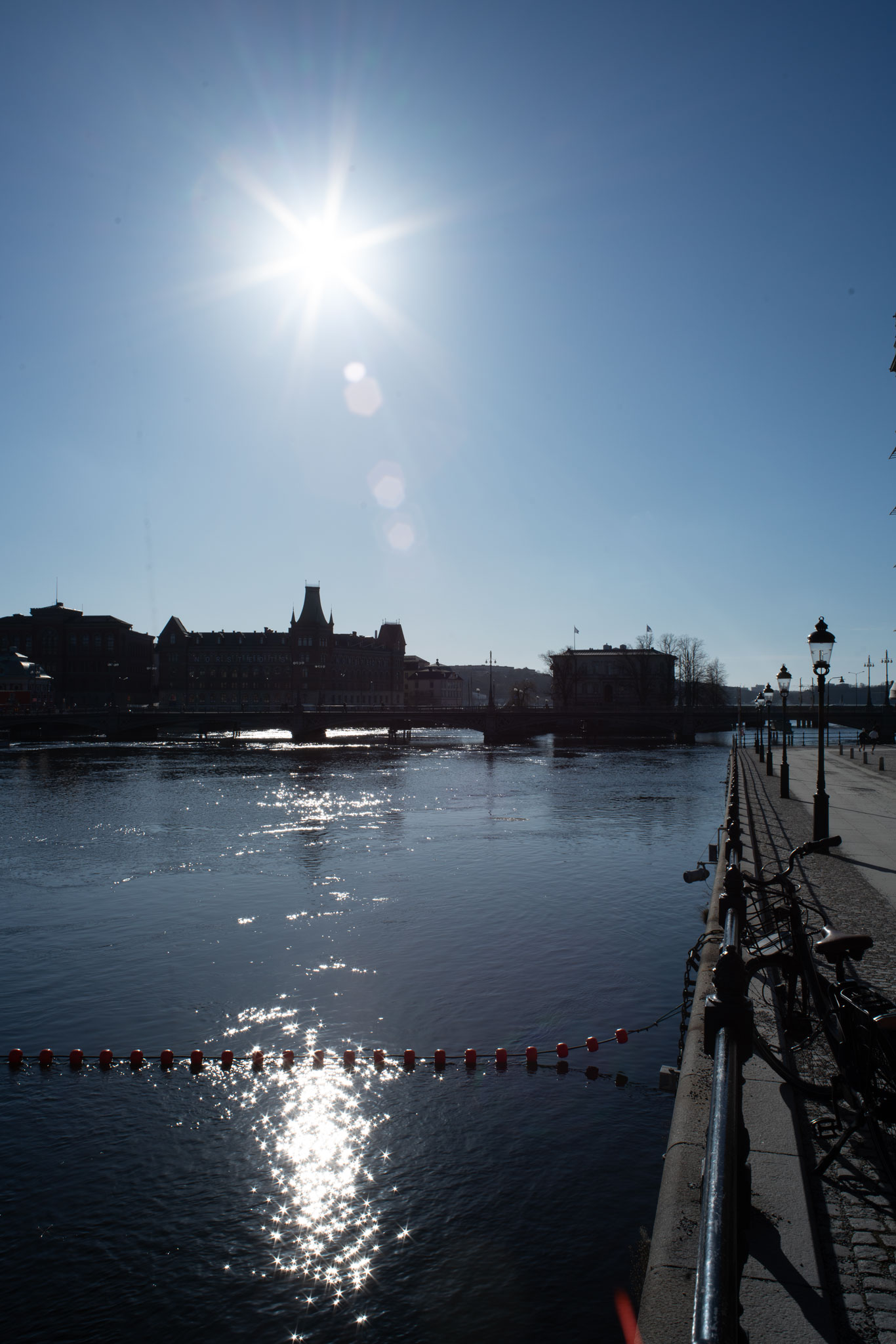
Konica Hexanon AR 28/3.5 @ f/16, 1/250 s
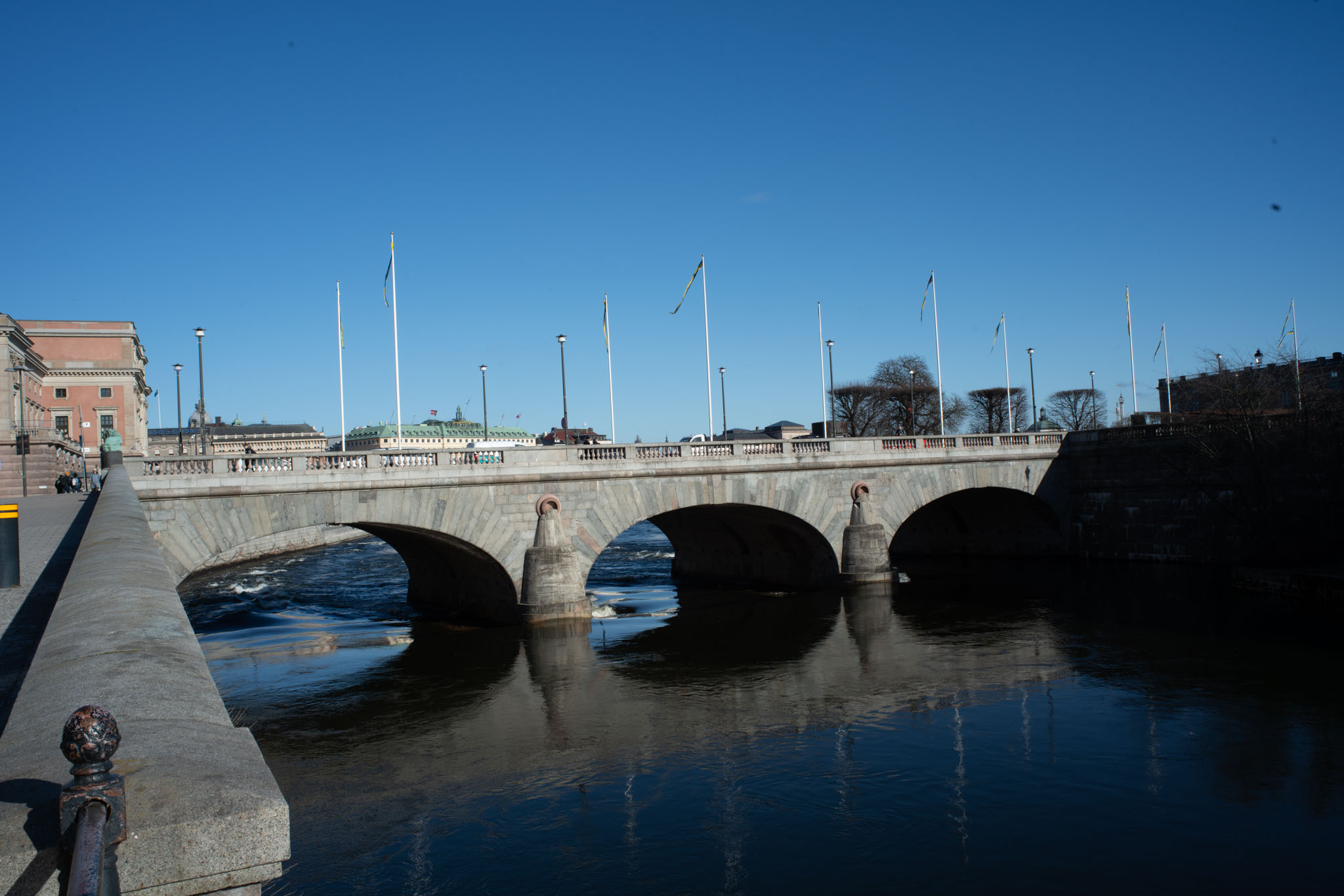
Konica Hexanon AR 28/3.5 @ f/16, 1/80 s
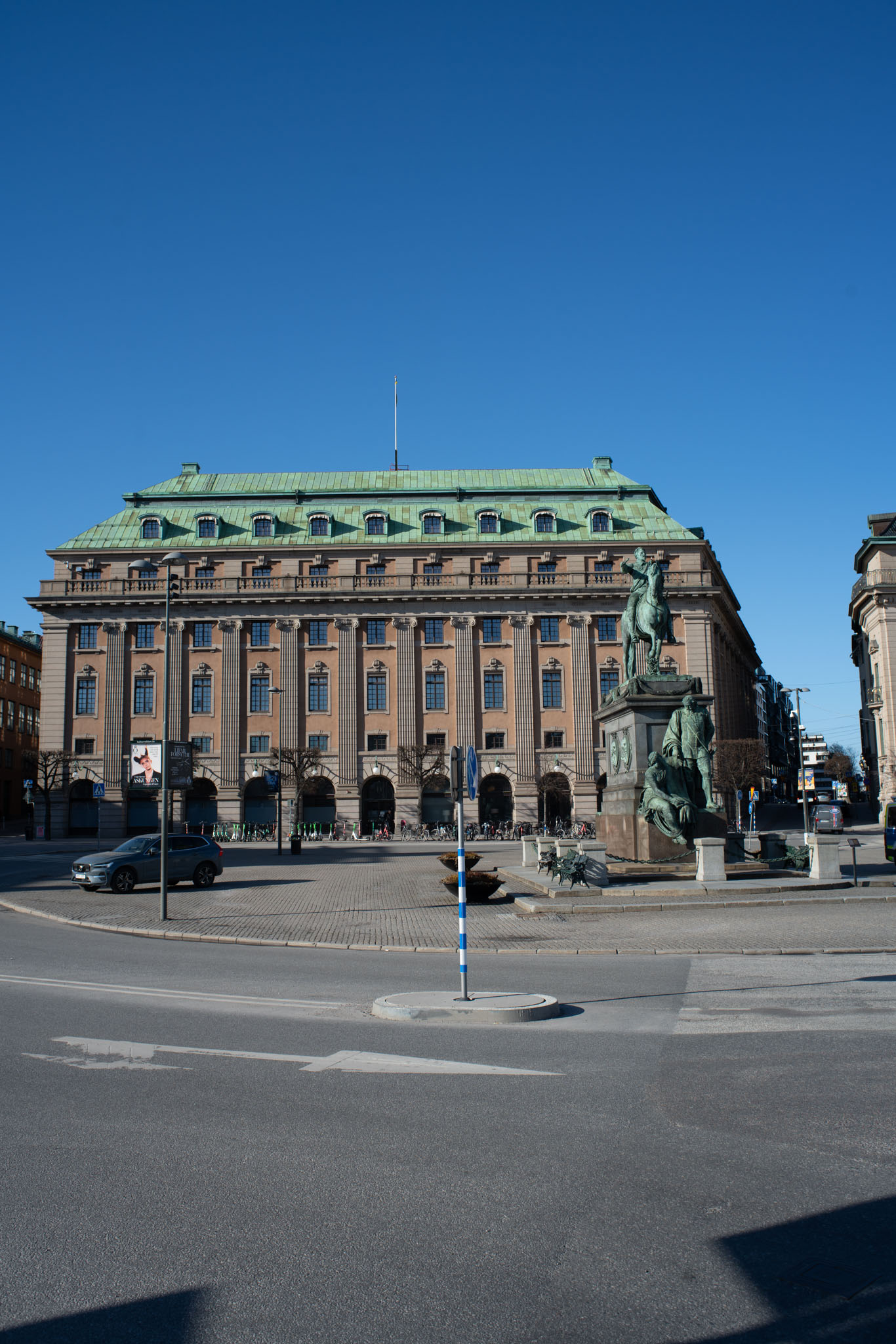
Konica Hexanon AR 28/3.5 @ f/8, 1/250 s
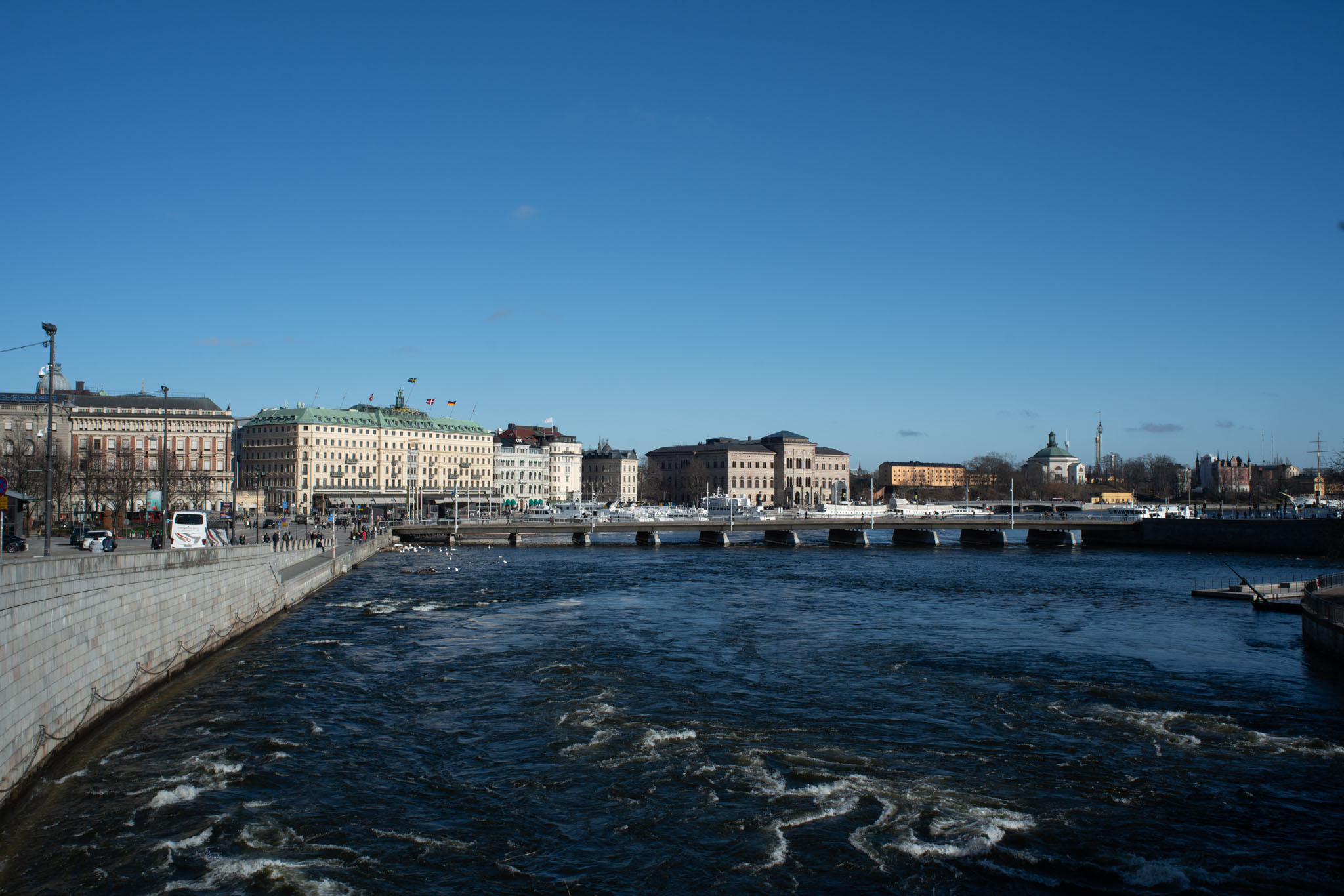
Konica Hexanon AR 28/3.5 @ f/11, 1/200 s
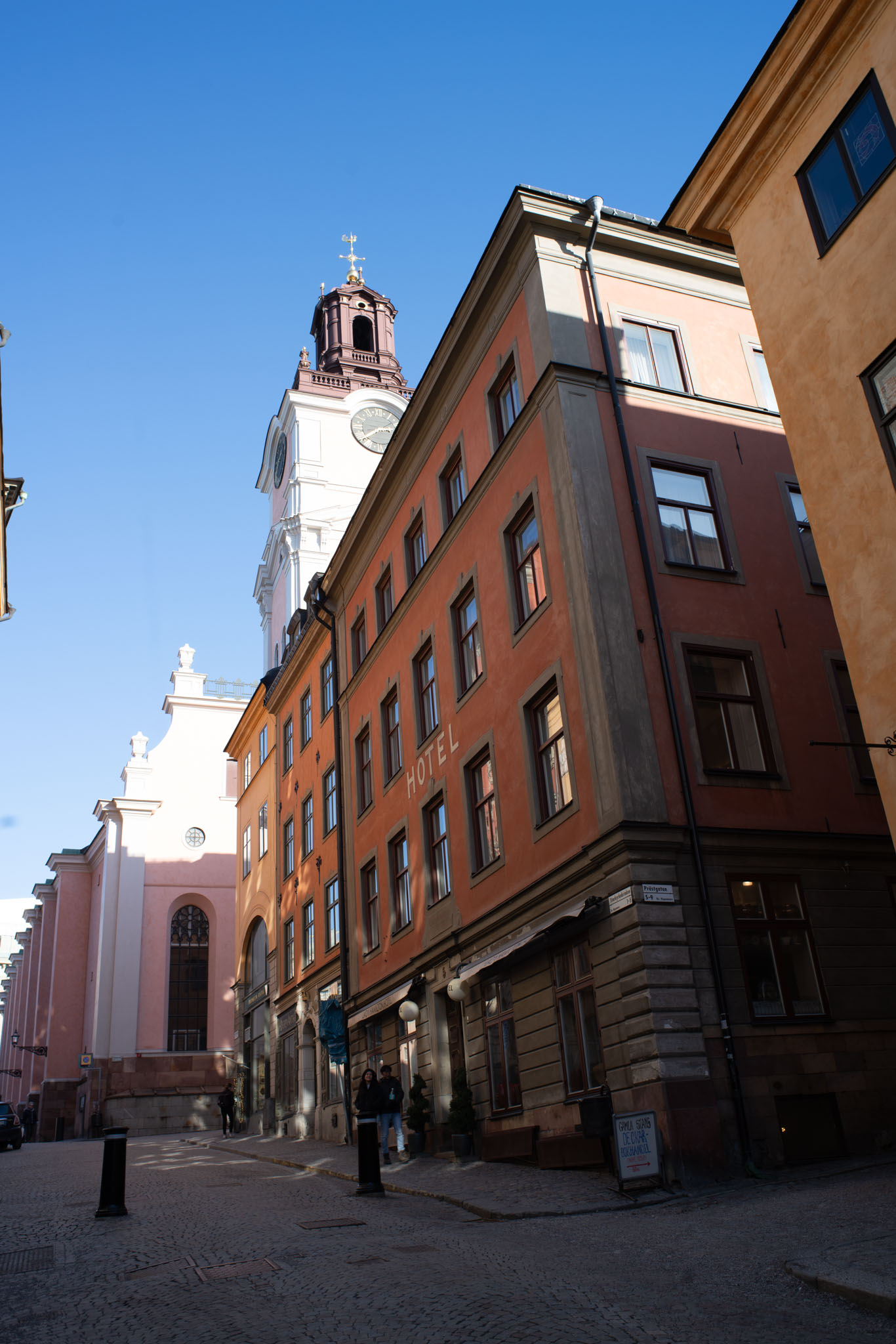
Konica Hexanon AR 28/3.5 @ f/8, 1/80 s
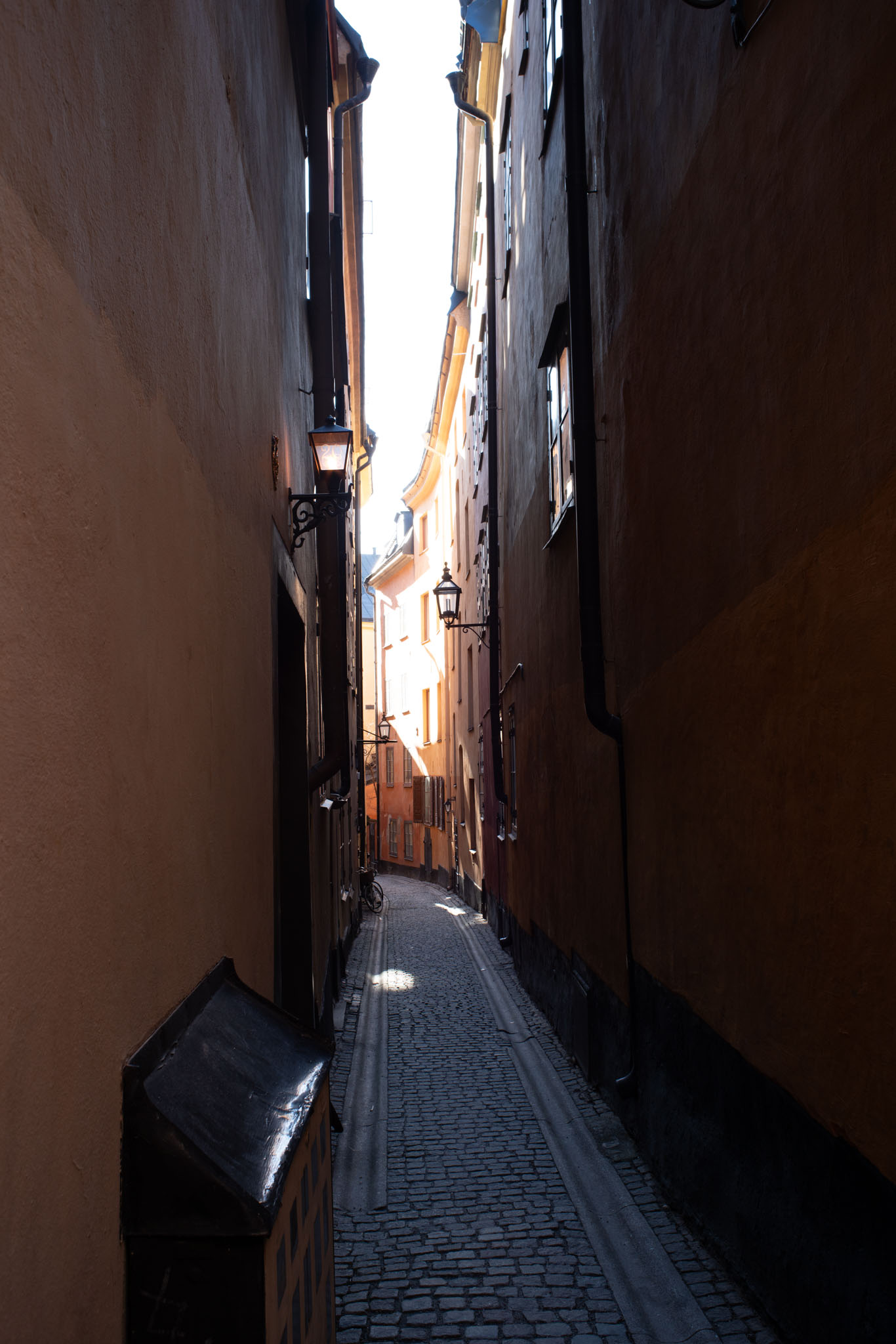
Konica Hexanon AR 28/3.5 @ f/8, 1/30 s, ISO320
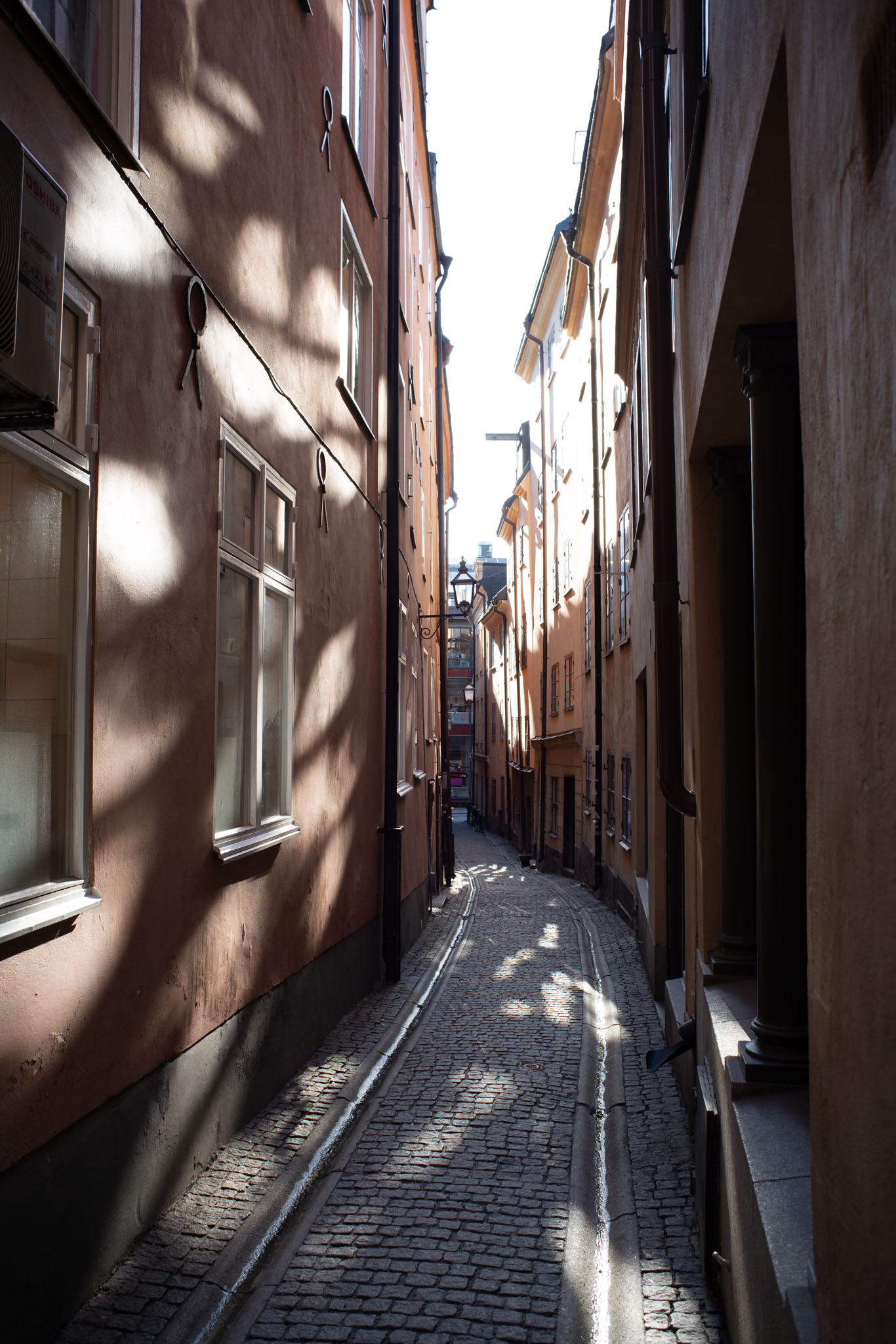
Konica Hexanon AR 28/3.5 @ f/5.6, 1/30 s
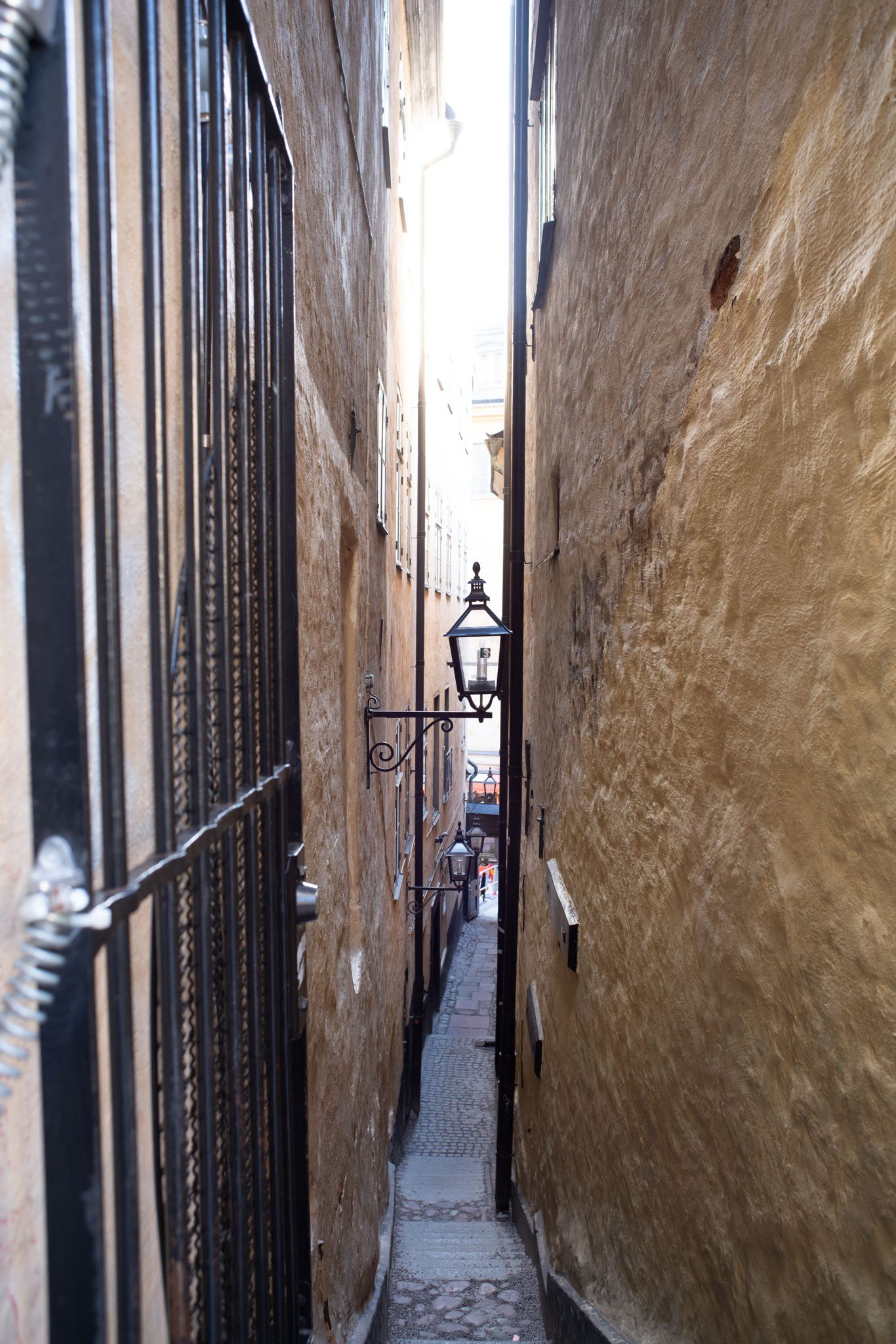
Konica Hexanon AR 28/3.5 @ f/5.6, 1/30 s, ISO1250
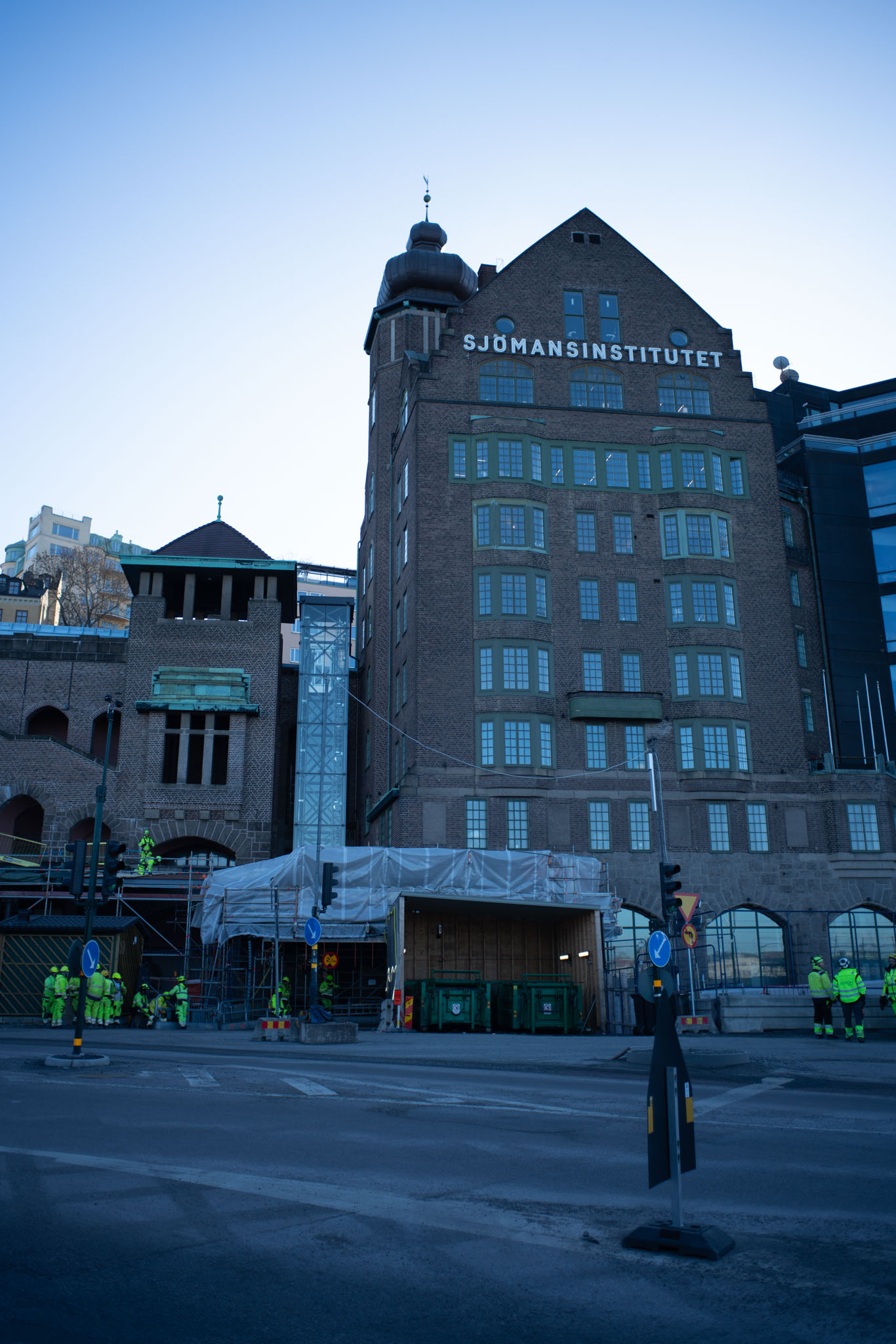
Konica Hexanon AR 28/3.5 @ f/3.5, 1/320 s
Footnotes
- AR is short for ‘Auto-Reflex’ – the 1965 Konica Camera that launched the Mount and the successful line of cameras. ↩︎
- Firstly, the AR mount was from the beginning geared to enable shutter priority auto exposure. Considering that that the mount was launched 1965, this makes it a very early such mount (e.g. the Canon FD mount that offered the same functionality was launched 6 years later). Secondly, at 40,5 mm, the Flange focal distance of the Konica AR mount is unusually short, meaning that Konica AR lenses could not be adapted to other cameras before the launch of Mirrorless cameras. ↩︎
- Mr. Granas is likely the top authority on Konica AR-era lenses and cameras and you can access his typology here. ↩︎
- No changes to exposure or colours, no sharpening, no denoising, no defringing. License plates and identifying marks retouched when necessary. ↩︎