Pekka Buttler, March 2026
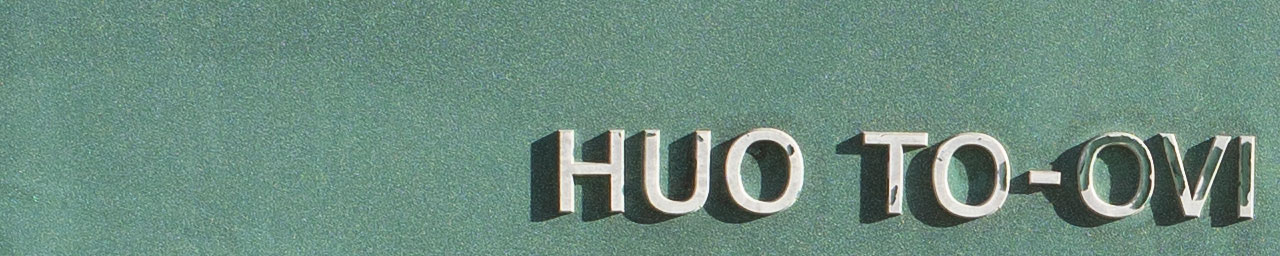
(Featured image: 1:1 crop from the service entrance @f/11)
Introduction
First off, you can also access the lens’ data sheet.
The Miranda Auto 50 mm f/1.4 lens was introduced in ca 1966 for the Miranda (professional) Automex/Sensorex camera line and later (ca 1968) also for the (prosumer) F, G and Sensomat lines. The two lines differ primarily in whether the lens is able to communicate the selected aperture to the camera body (they are optically identical). See more about Miranda lens technology and technological generations in the Miranda lens compendium and the JAPB company profile for Miranda.
This Miranda Auto 50 mm f/1.4 is not your average fast fifty. Firstly, with its 46 mm filter thread it sports the narrowest filter thread of any fast fifty. Secondly, with its relatively symmetrical 8 elements in 6 groups optical design (see below) it uses a (for a legacy fast fifty) unique approach.
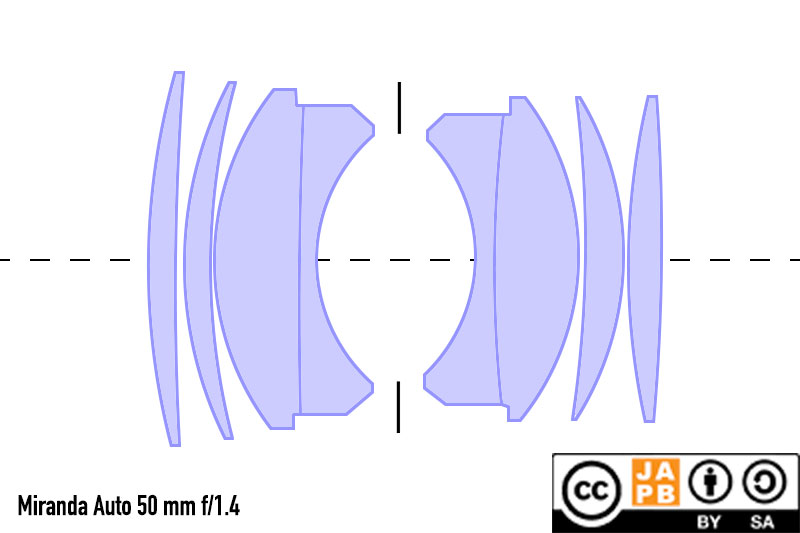
However, not all Miranda 50/1.4 lenses share these characteristics as this lens was replaced in 1972 (for the Automex and Sensorex cameras) and 1974 (for the other cameras) with a new design that utilised a more customary 52 mm filter thread and a 7 elements in 5 groups design,
Read on to see my attempt at describing this lens’ strengths and weaknesses.
Ergonomics
First off, Miranda lenses (and cameras) use their own proprietary lens mount: The Miranda mount. The Miranda bayonet mount is in some ways different from most other bayonet mounts (it’s a four-pronged female bayonet with a relatively short flange focal distance), but it is very straightforward, meaning that nothing special (such as aperture activation rings or aperture setting rings) is required. At the same time, Miranda adapters are not especially easy to come by1.
Assuming you already have an Miranda adapter for your camera, you just insert this lens, twist and listen for the locking mechanism to snap. Then you go shooting.
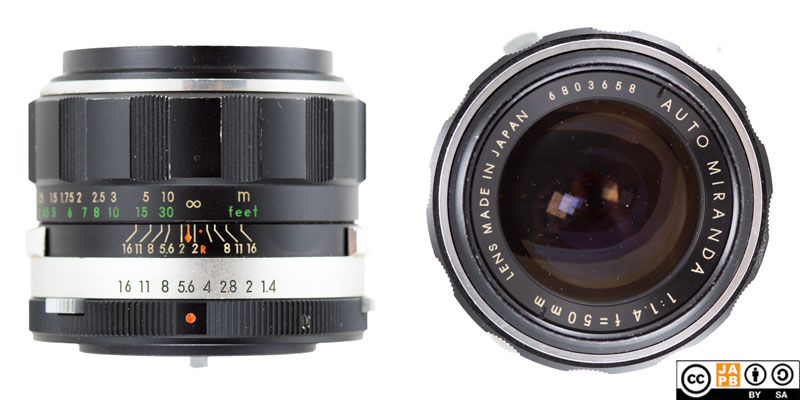
The Miranda Auto 50 mm f/1.4 is not a big lens. While the diminutive 46 mm filter thread is not reflected in every aspect of the lens, the lens is a bit under average size for a late 60s fast fifty. It weighs pretty exactly 300 grams and feels very solid in your hand.
From the front to the back the lens features a traditional thread mount for filters and hoods, a metal focus ring with lengthwise ribbing (shallow valleys), a DOF scale, a silver-coloured aperture ring with wings for gripping and lens release button as well as a DOF preview button. The lens’ focus ring moves lightly and smoothly while the aperture ring is a bit on the heavy side but with very satisfying full-stop clicks.
As I have now been using the lens predominantly in the Finnish late winter/early spring, I have mostly been using fleece gloves. In such a situation the focus ring poses no issue, but I would very much like the whole aperture ring (or at least the part of the aperture ring that is free from lettering to be grippy – instead of just the aperture ring’s wings. The fact that only the aperture ring’s wings have grip means that one invariably has to grip the aperture ring from below (or above) and cannot grip it from the side.
I have shot this lens a decent amount of time (only adapted thus far) and whenever I’ve decided to check what my aperture value is (when I’ve counted the rapid clicks and think I am at a specific aperture, only to decide to nevertheless check it visually) I have almost invariably been right on target.
Setting the scene:
This walk-around combines imagery from several short outings between 4.3.2026 and 8.3.2026. After a cold winter, these days have seen a lot of sunshine and a rapidly progressing thaw. In terms of photography the settings can still be very challenging (bright sunshine and white snow makes for extreme contrasts)
In winter and coldness I usually prefer my Nikon Z 5, but in this case I chose the Sony ⍺7R2 simply because of ease of adapting. All images were taken with a Sony ⍺7R2 and the Miranda Auto 50 mm f/1.4 lens. Most of the shots were taken using a 3D-printed adapter, while some were taken using a combination of Miranda>Leica M and Leica M>NEX adapters. All shots in RAW, handheld with IBIS on.
Edit in post: ACR default conversion only2, straighten, resize to 2k, save as JPEG quality 60.
Images and commentary
Ghosting, veiling and vignetting
To avoid the usual trap of always beginning with discussing sharpness, let’s first talk about ghosting and veiling. Miranda was not at the forefront of coating technology and most of Miranda’s 1960s lenses were what we would today call ‘single-coated’ As a result, no-one should be surprised that the Miranda Auto 50/1.4 flares more than modern lenses, but I have to say that I rather like how it flares.
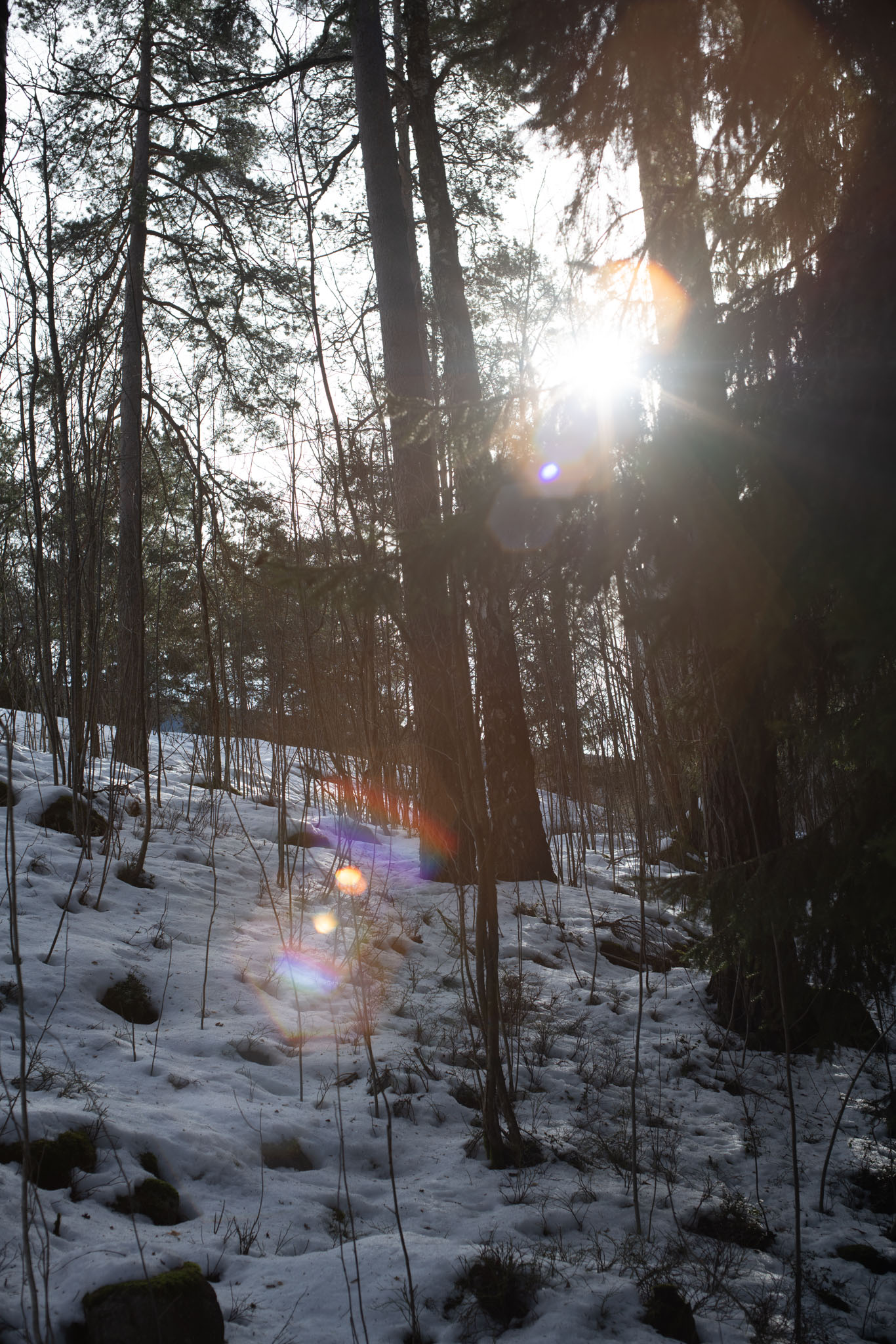
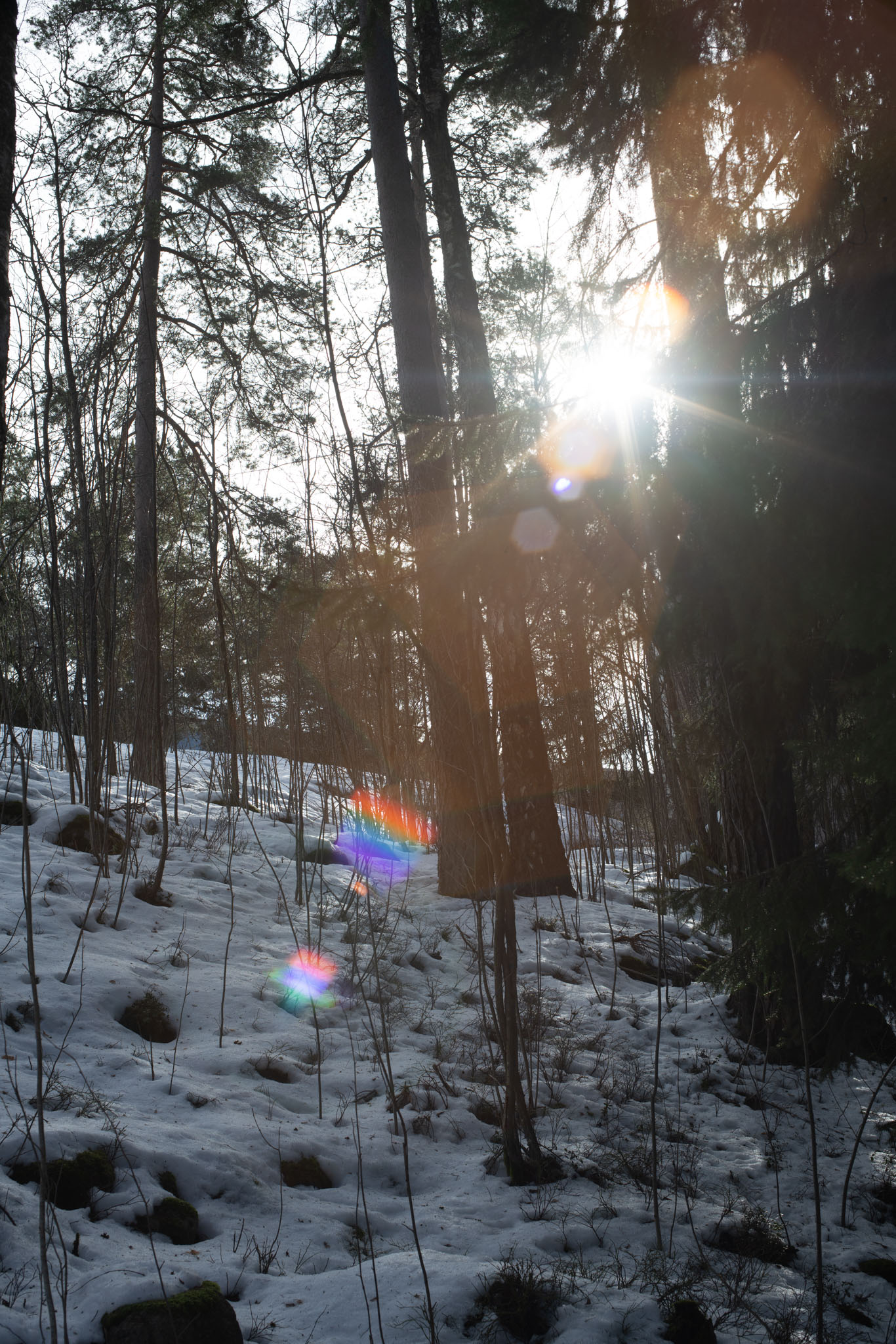
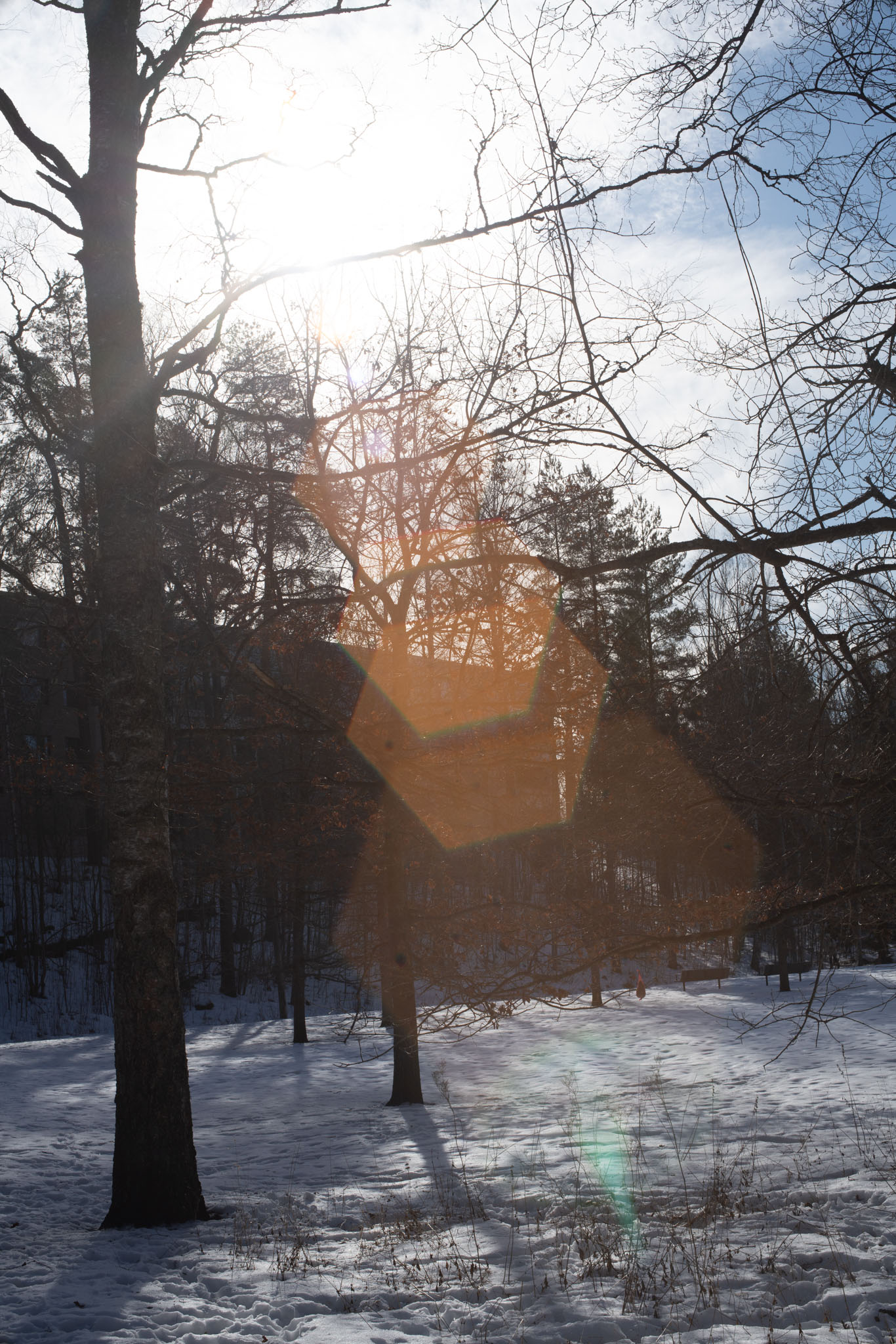
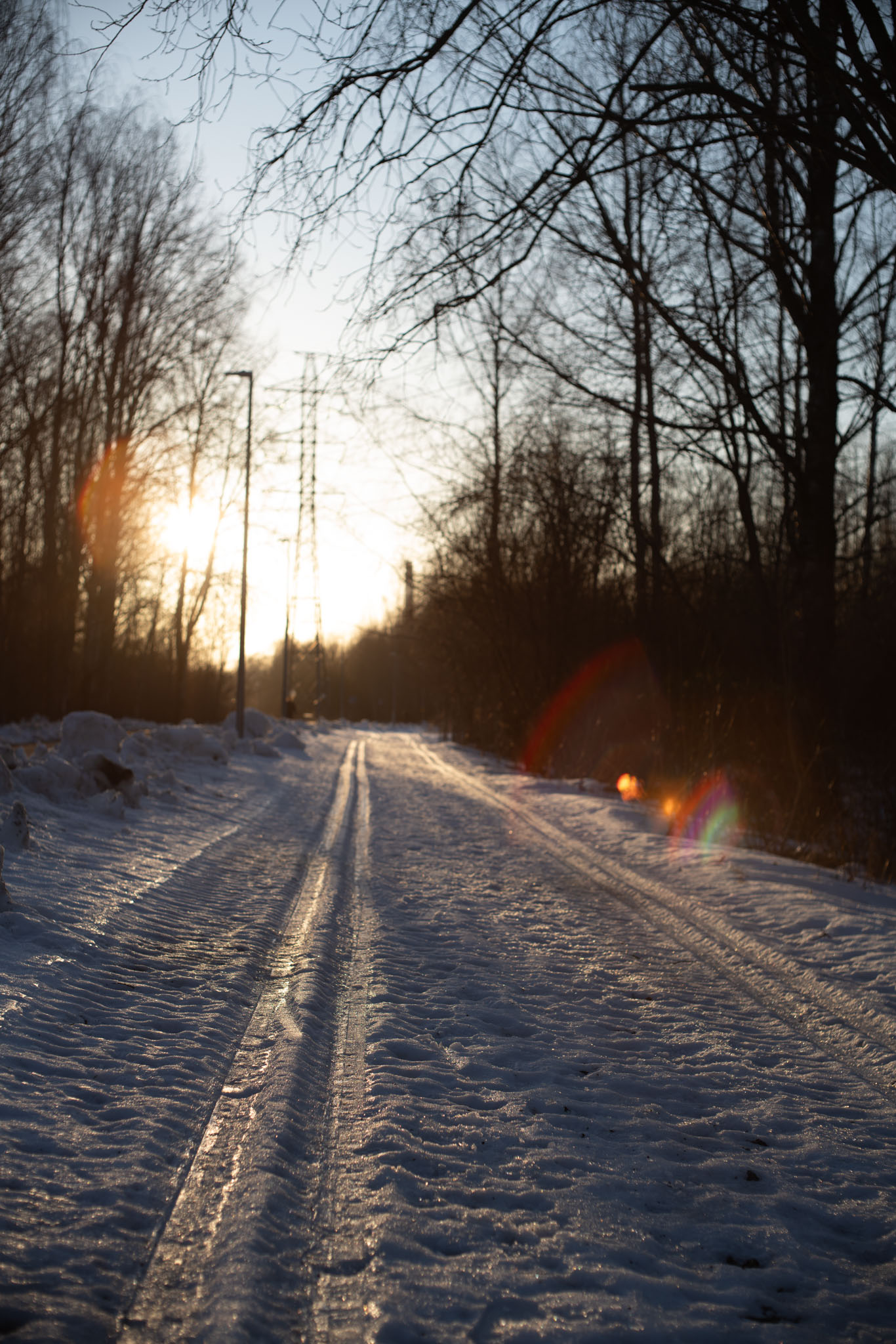
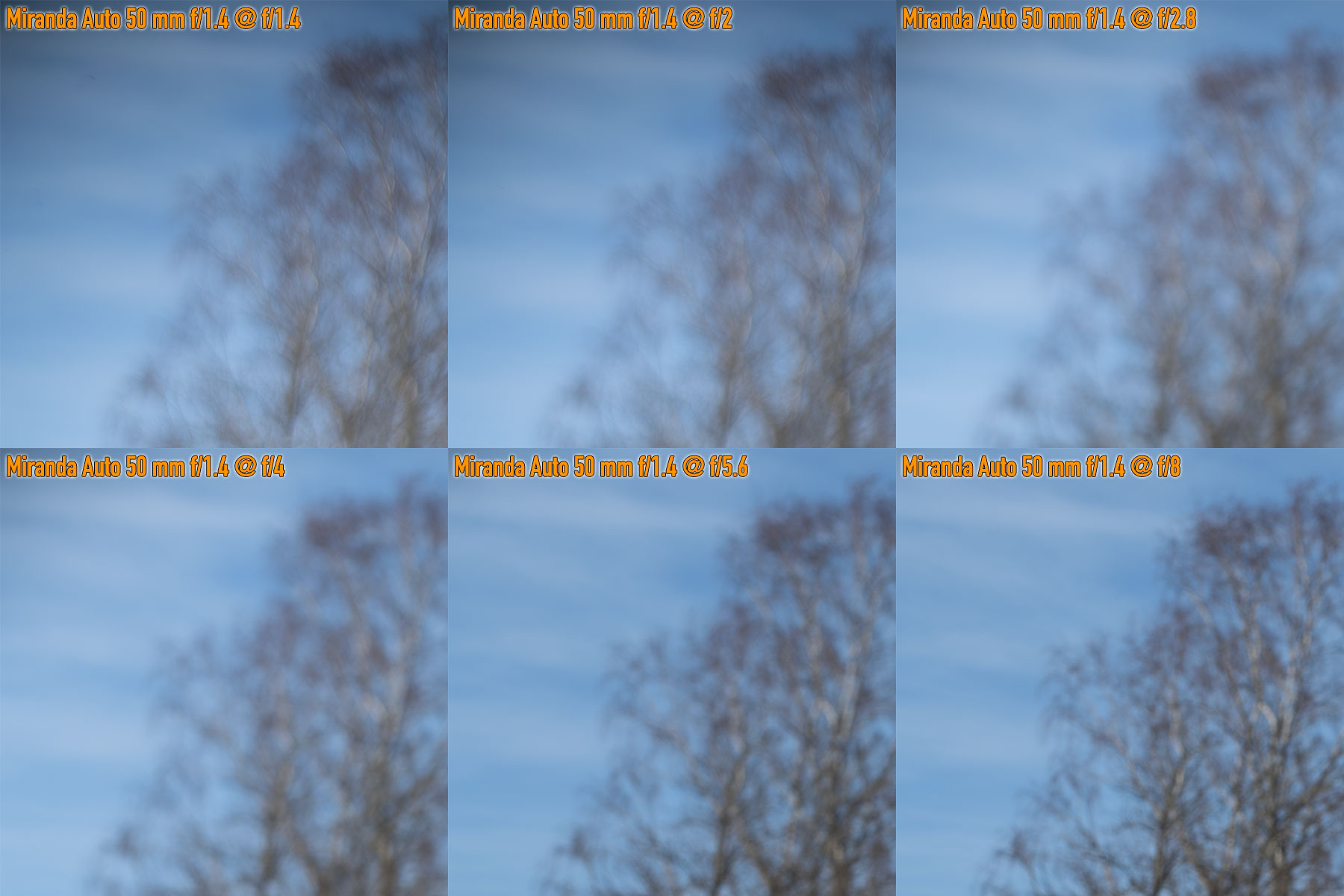
Next, lets discuss vignetting. Again, with a small filter thread diameter (and hence a smallish front element) some vignetting is to be expected and here the Miranda behaves as predicted. At f/1.4 vignetting is considerable and while it’s mostly gone by f/4, a small whiff remains in the absolute corners even at f/5.6. At f/8 the entire image is finally evenly illuminated.
Sharpness
Before we get started with sharpness: unless you know the difference between ‘definition’ and ‘contrast’, you better read up on the distinction.
No one expects a legacy lens from the 1960s to match the sharpness of modern glass, and everyone knows that if you shoot a 1960s fast fifty wide open, sharpness shouldn’t be the priority (bokeh? Yes. Dreamy portrait vibes? Absolutely.). Even so, this lens might surprise you a bit.
First, let’s discuss sharpness (definition and contrast) in low-contrast situations and in the image centre:
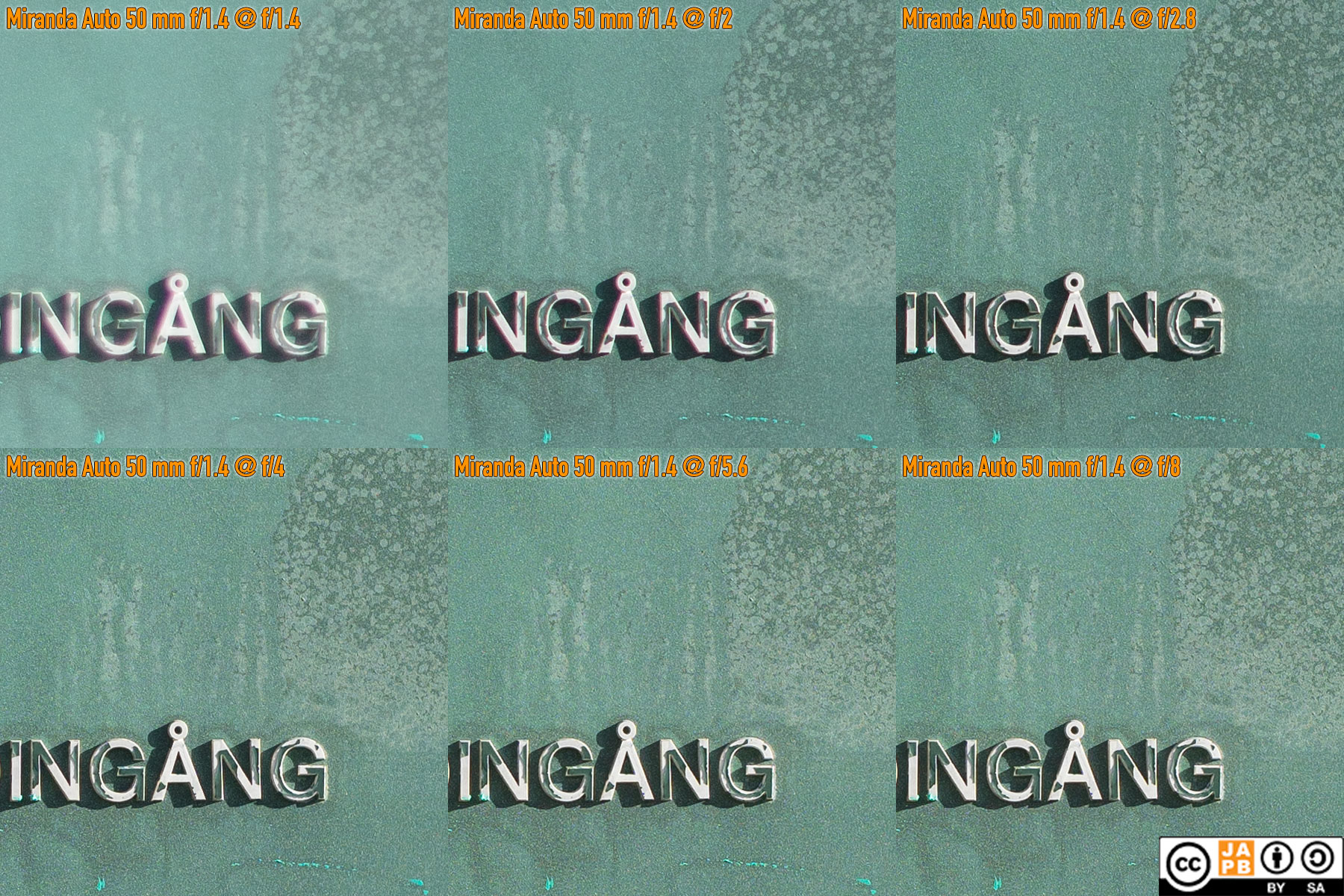
The collage above (f/1.4–f/8) shows six centre-area crops (1:1). These show a marked improvement in sharpness going from wide open to f/2, another considerable improvement going to f/2.8, whereafter the improvements are comparatively minor. This means that if centre sharpness is a key criterion, then f/2.8 is already within the sharp zone of this lens, f/2 is manageable, while f/1.4 should be avoided.
Besides noting that f/1.4 is not sharp, it also pays off to analyse the nature of that unsharpness. One aspect is very noticeable in the edges of the lettering, namely chromatic aberrations (visible here as purple fringing). While most RAW editors allow you to correct the purple colour cast with a few clicks, the fundamental problem is that not all photons are ending up where they should.
Another clear issue is that the wide-open images are somewhat lacking in contrast, which is an indicator of spherical aberrations. Let’s next look at a situation with a bit more contrast:
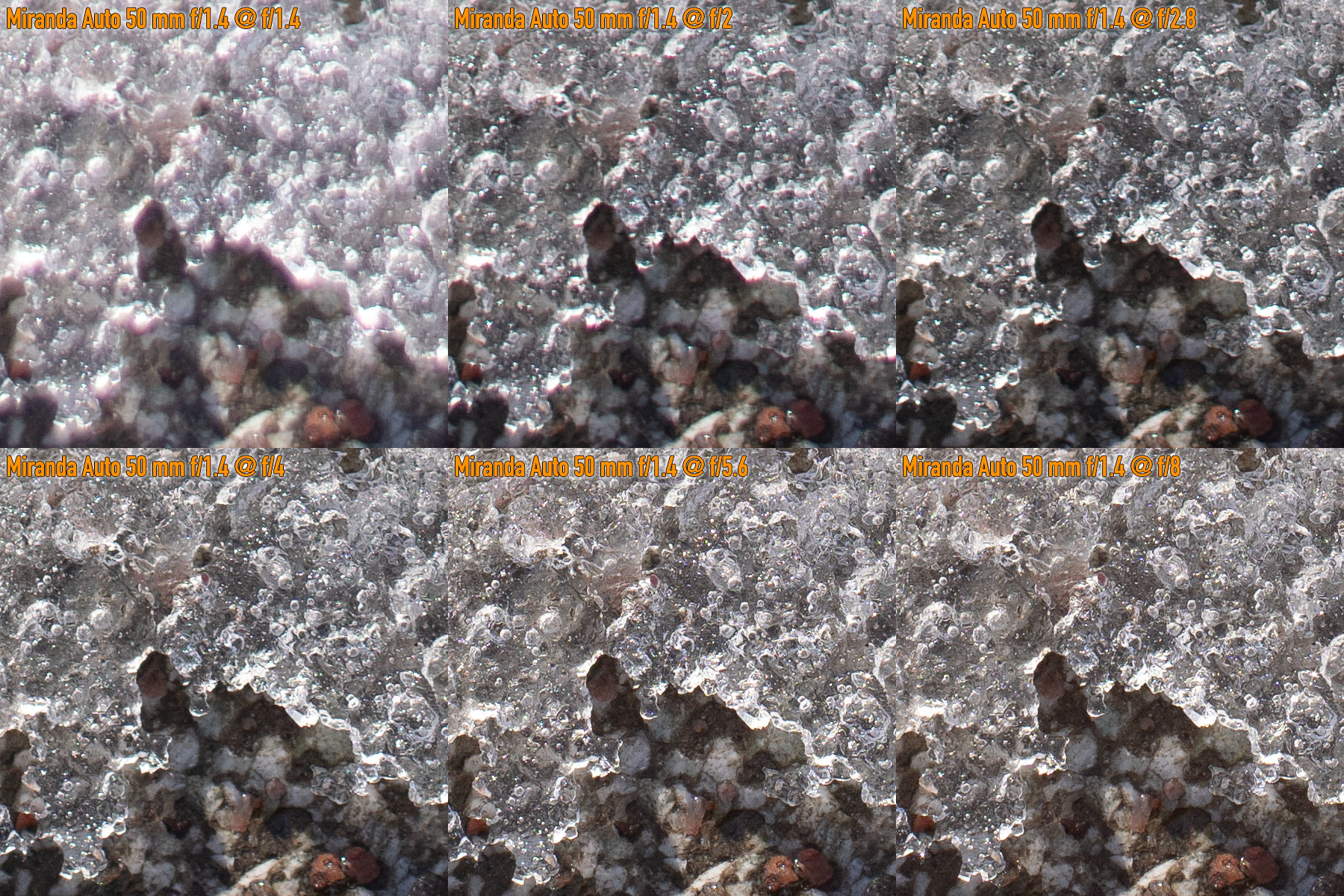
Again, f/1.4 is clearly dreamy (and those purple fringes are again clearly visible) while f/2 shows a marked improvement as does the next step to f/2.8. While each subsequent stopping down to f/11 leads to a minor improvement, I’d be willing to use the f/2.8 quality in most cases.
That combination of spherical aberrations and longitudinal chromatic aberrations is obviously at its worst at f/1.4, but it is not gone by f/2 and in high-contrast transitions, there some minor remnants left even at f/2.8. On the other hand, at f/4 and beyond, this lens is bitingly sharp. Hence, speaking about centre sharpness we can see peak sharpness from f/4 to f/11 (diffraction starts eating into definition at f/16), usable sharpness (when sharpness is sought) at f/2.8, but f/1.4 and to some extent f/2 should not be used if sharpness is a goal.
However, centre sharpness is (obviously) not the whole story.
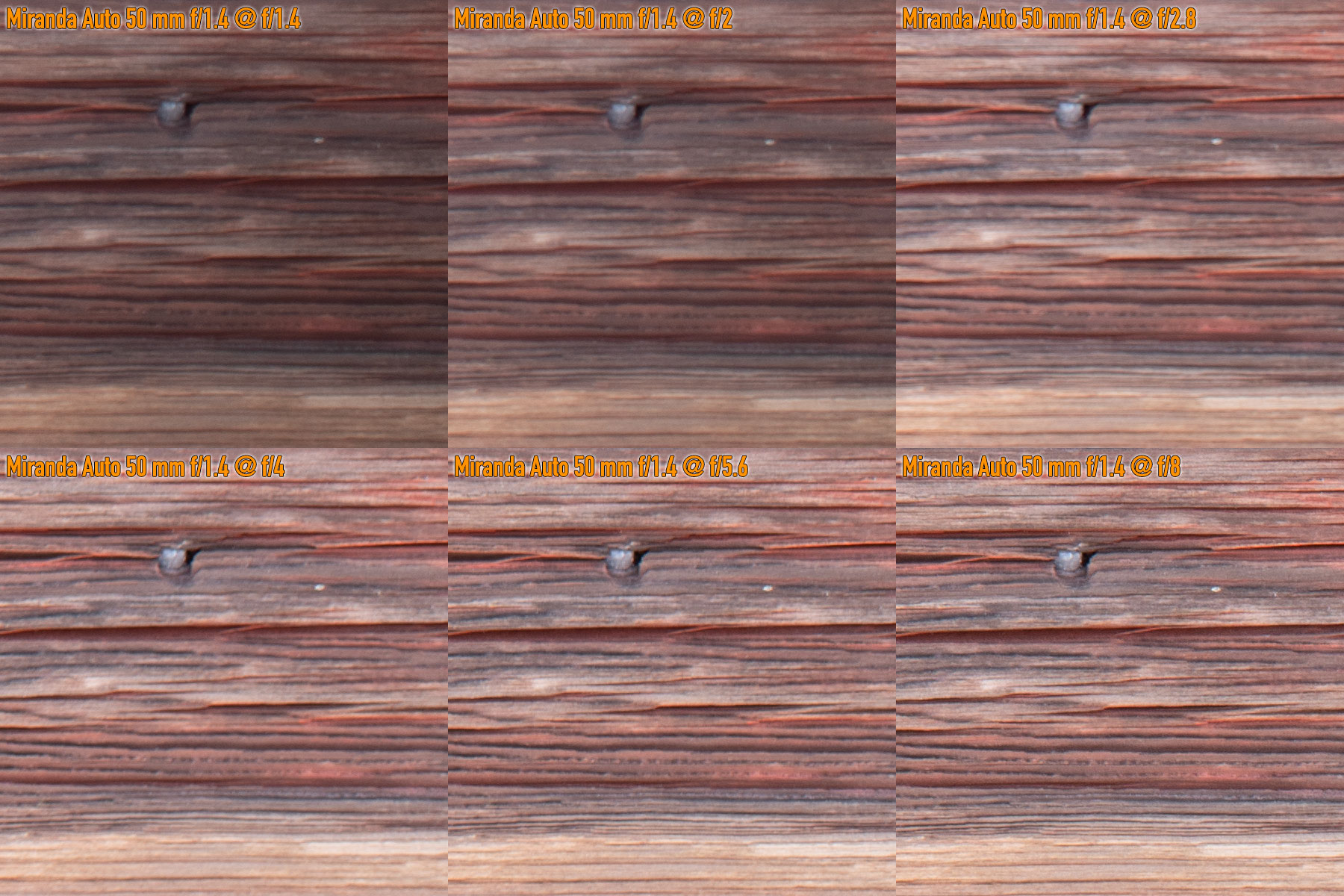
This collage of corner crops not only illustrate corner sharpness but also summarise real-world vignetting. In terms of corner sharpness, the situation is not rosy. Neither is it outright bad. Interestingly the corner crops show better-than-decent detail while the main weakness seems to be related to contrast. At f/1.4 and f/2 vignetting is considerable, at f/2.8 it is still somewhat noticeable (but no longer field relevant). In terms of aiming for corner-to-corner sharpness, the results start being usable at f/4, decent at f/5.6 and good at f/8.
What exactly causes that loss of contrast is however not entirely clear. The Miranda Auto 50/1.4 shows very little field curvature (not surprising considering the high level of symmetry of the optical design) so that is not the cause of the lack of corner contrast. Also, the absence of any visible corner smearing means that astigmatism is not egregious, but mild astigmatism could show up as a loss of contrast in corner areas. Sadly, as I have not had a chance to photograph night-time scenes with this lens yet, I cannot give a certain answer regarding astigmatism or comatic aberration.
Chromatic aberrations
Because of the images above, we need to revisit those chromatic aberrations in a more demanding situation:
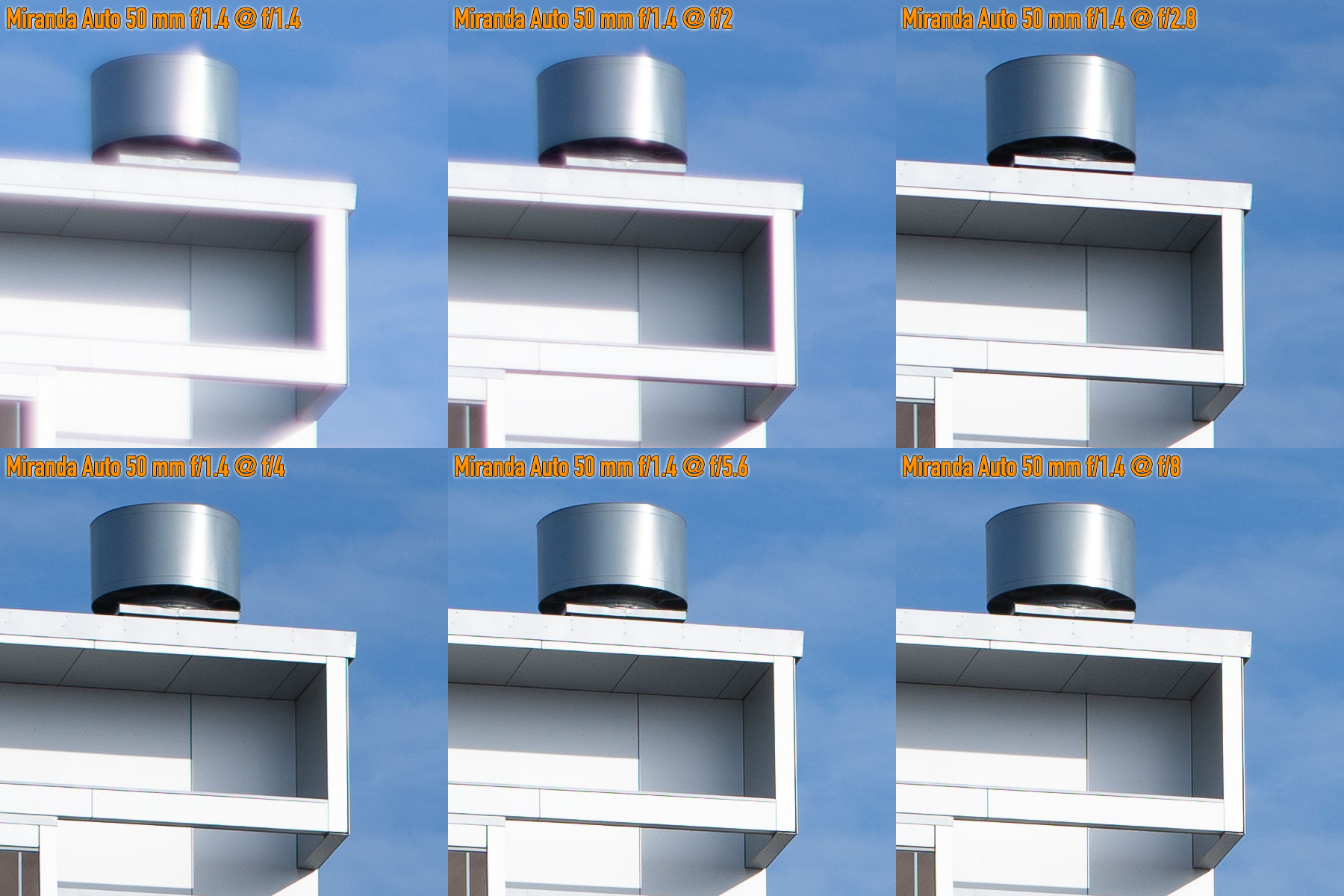
This series of collages show that when dealing with high contrast transitions, longitudinal chromatic aberrations can be a real issue at wider apertures. In these images the issue is almost ludicrously strong wide open (these are 1:1 crops), still clearly present at f/2, and detectable at f/2.8 (but no longer field-relevant).
On the other hand, the lens does not show any special propensity towards producing lateral chromatic aberrations. Some images do show the phenomenon, but only a 1:1 magnification.
Other aberrations
This lens does have some level of geometric distortions, namely a modest level of pinchusion distortion. This geometric distortion should not be a big issue in the normal shooting range). Also, I generally see no clear tint (that the images would be especially cold or warm) so colour balance of the lens is neutral (You should not let the fair share of golden hour shots and blue skies below fool you). In the absence of veiling flare the lens is able to produce vibrant colours.
I have not had a chance to take this lens out to photograph starscapes or the nighttime lights of distant cities, so I can say nothing absolute about whether the lens shows significant comatic aberration or astigmatism. That said, even the earlier tests indicate that this lens is not a good choice if your aim is to document the night sky.
Summary
The Miranda Auto 50 mm f/1.4 is a characterful vintage fast fifty that rewards stopping down: while soft and dreamy wide open, it sharpens rapidly and delivers excellent centre sharpness from about f/4 onward, along with neutral colour rendering and vibrant colours when flare is controlled. The lens also produces pleasant flare and classic rendering, which many photographers will find aesthetically appealing.
However, wide open, the lens shows the typical weaknesses of a 1960s fast design: low contrast, strong longitudinal chromatic aberrations (purple fringing), heavy vignetting, and soft corners, meaning that f/1.4–f/2 are more suited to artistic rendering than technical sharpness, while good corner performance only appears after stopping down to around f/5.6–f/8.
Gallery
All images ISO 100 unless stated differently.
Click the thumbnail for a 2k version. If you want to pixel peep the original RAW files, please get in touch or leave a comment.
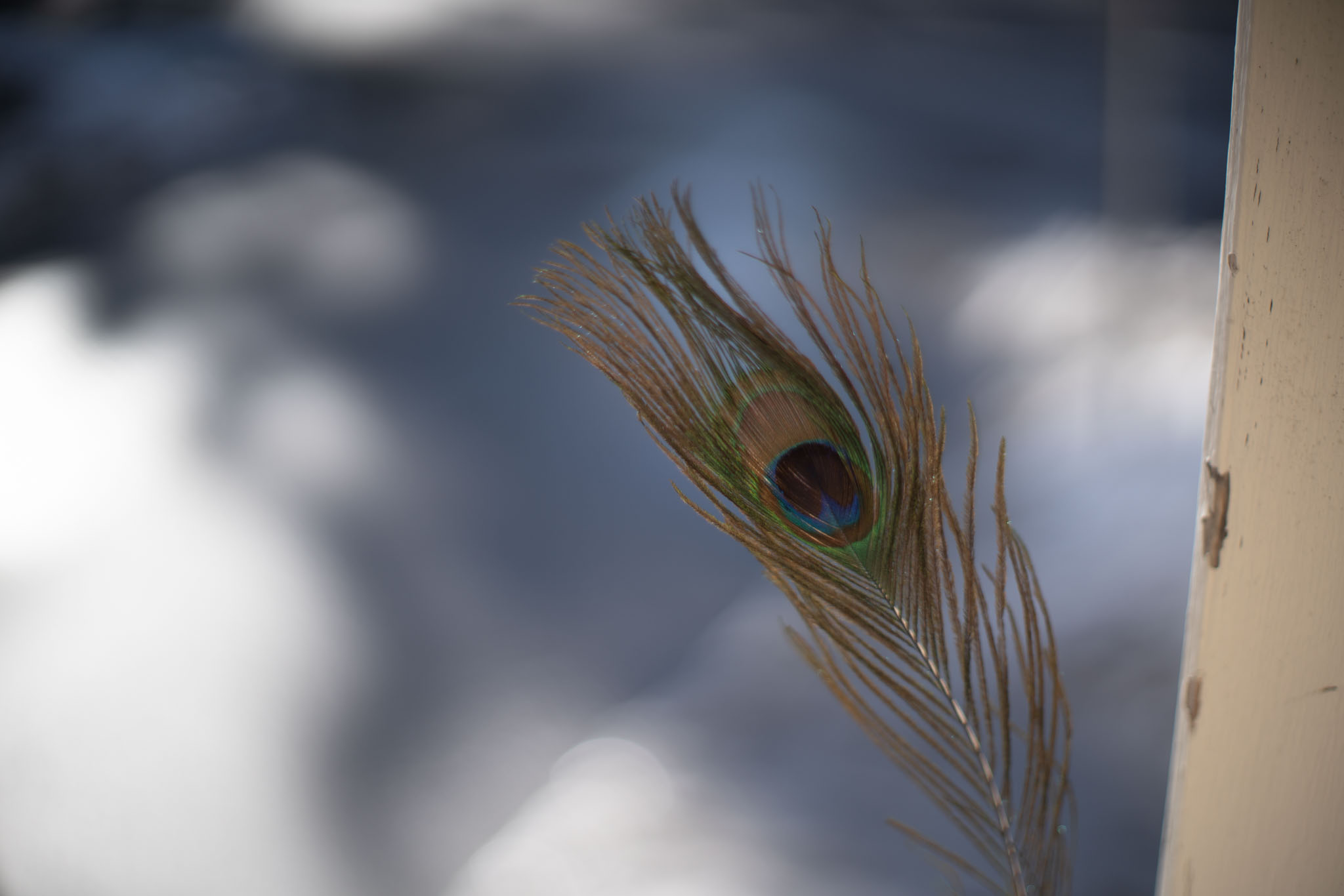
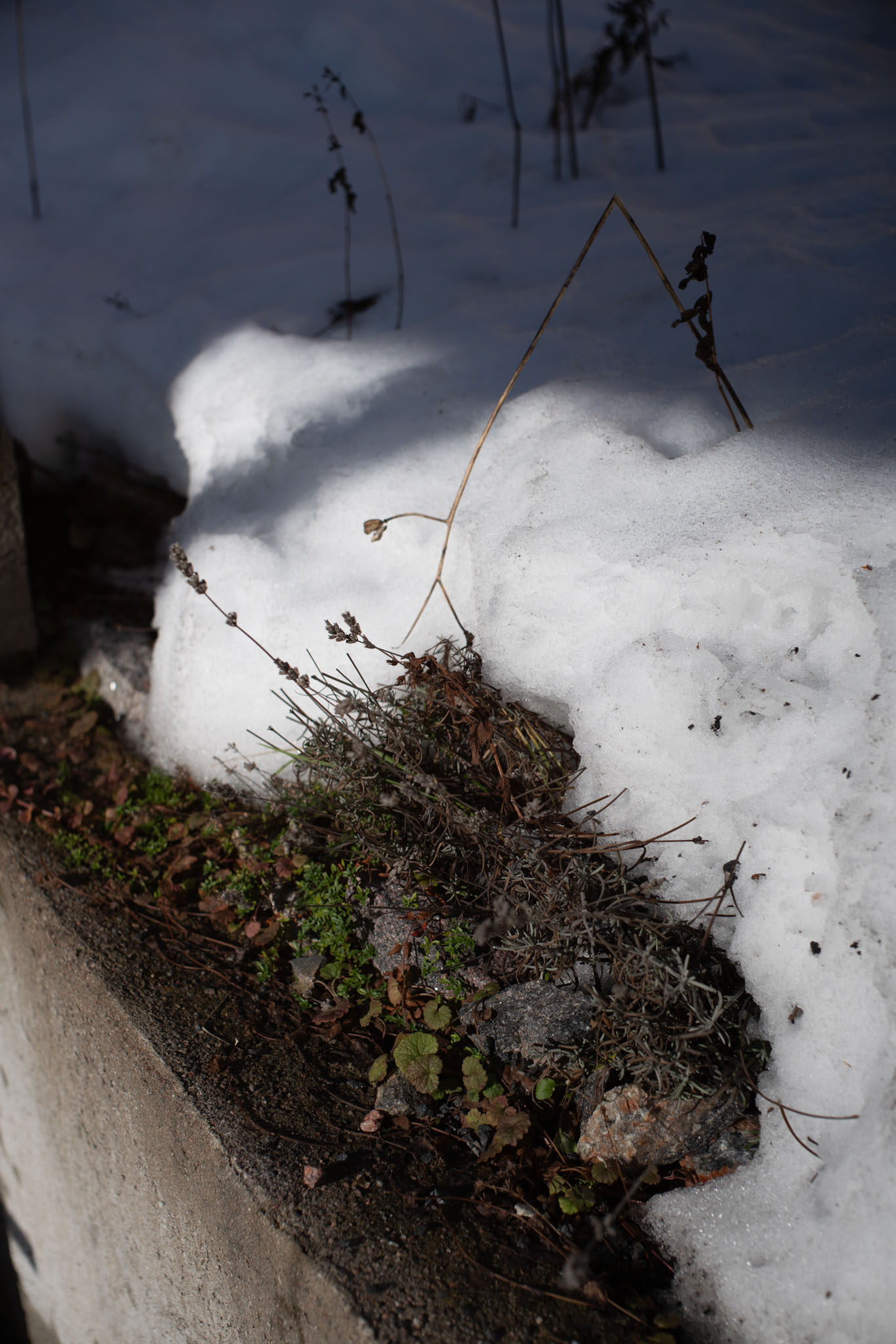
Miranda Auto 50/1.4 @ f/2.8, 1/3200 s
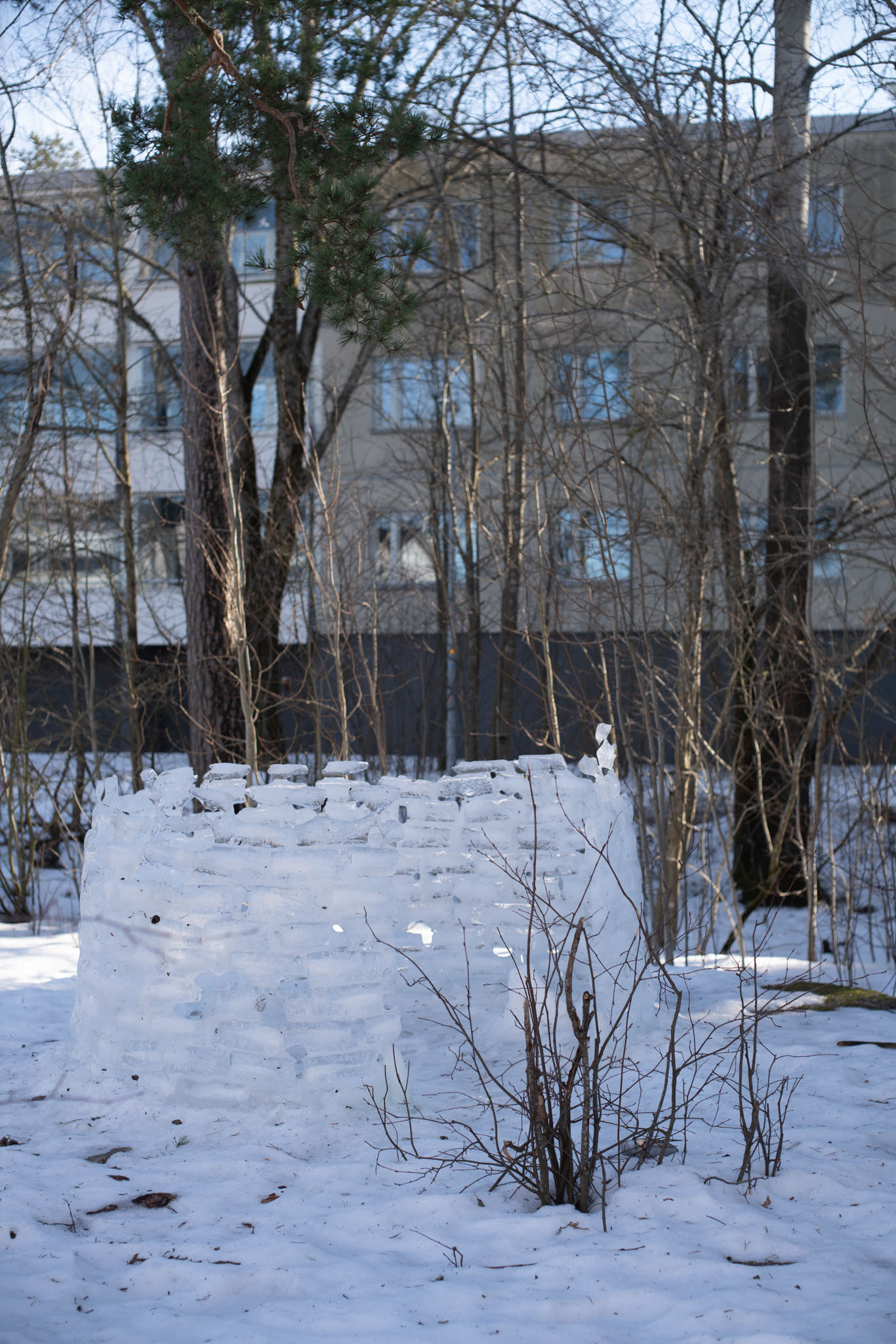
Miranda Auto 50/1.4 @ f/4, 1/400 s
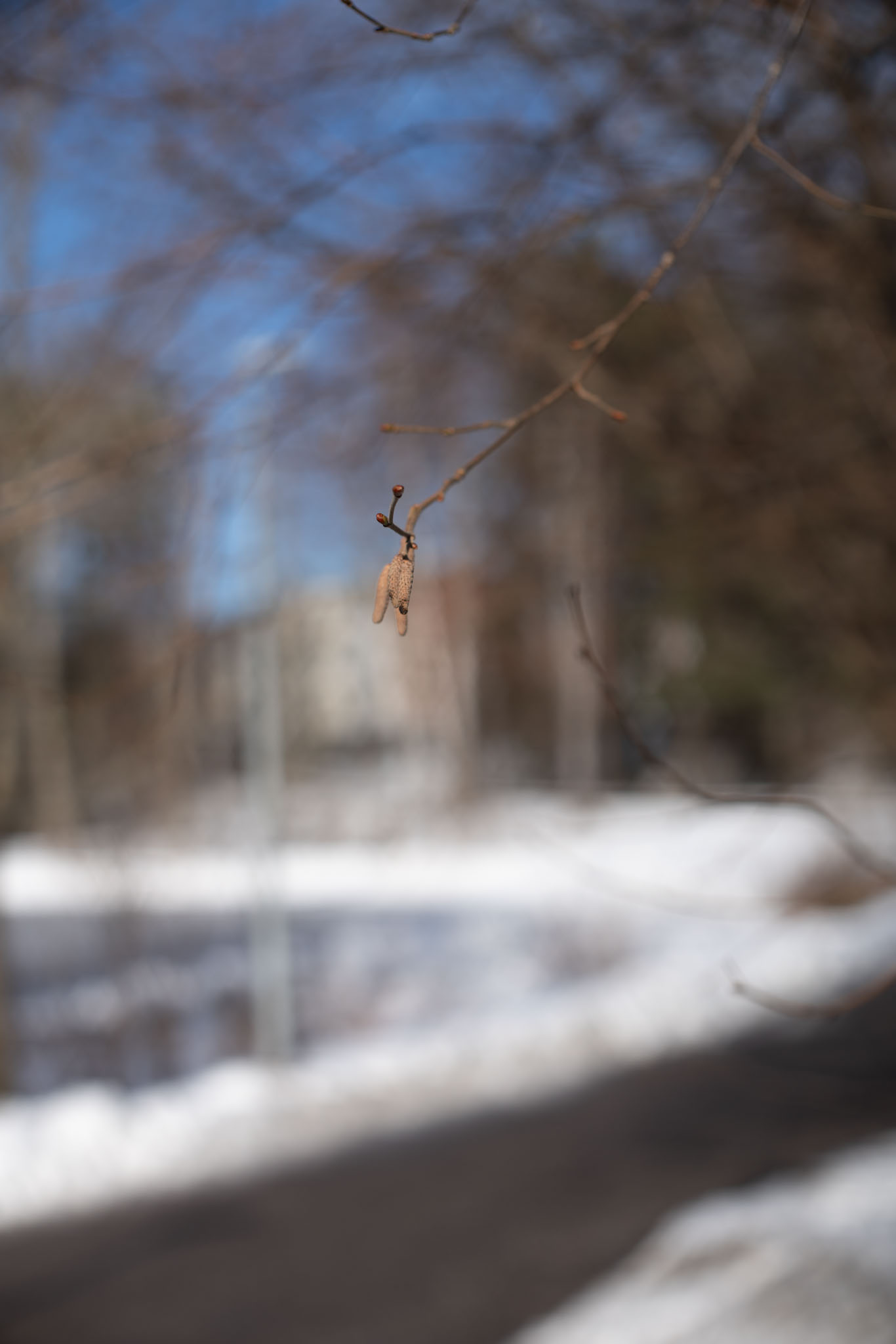
Miranda Auto 50/1.4 @ f/4, 1/1600 s
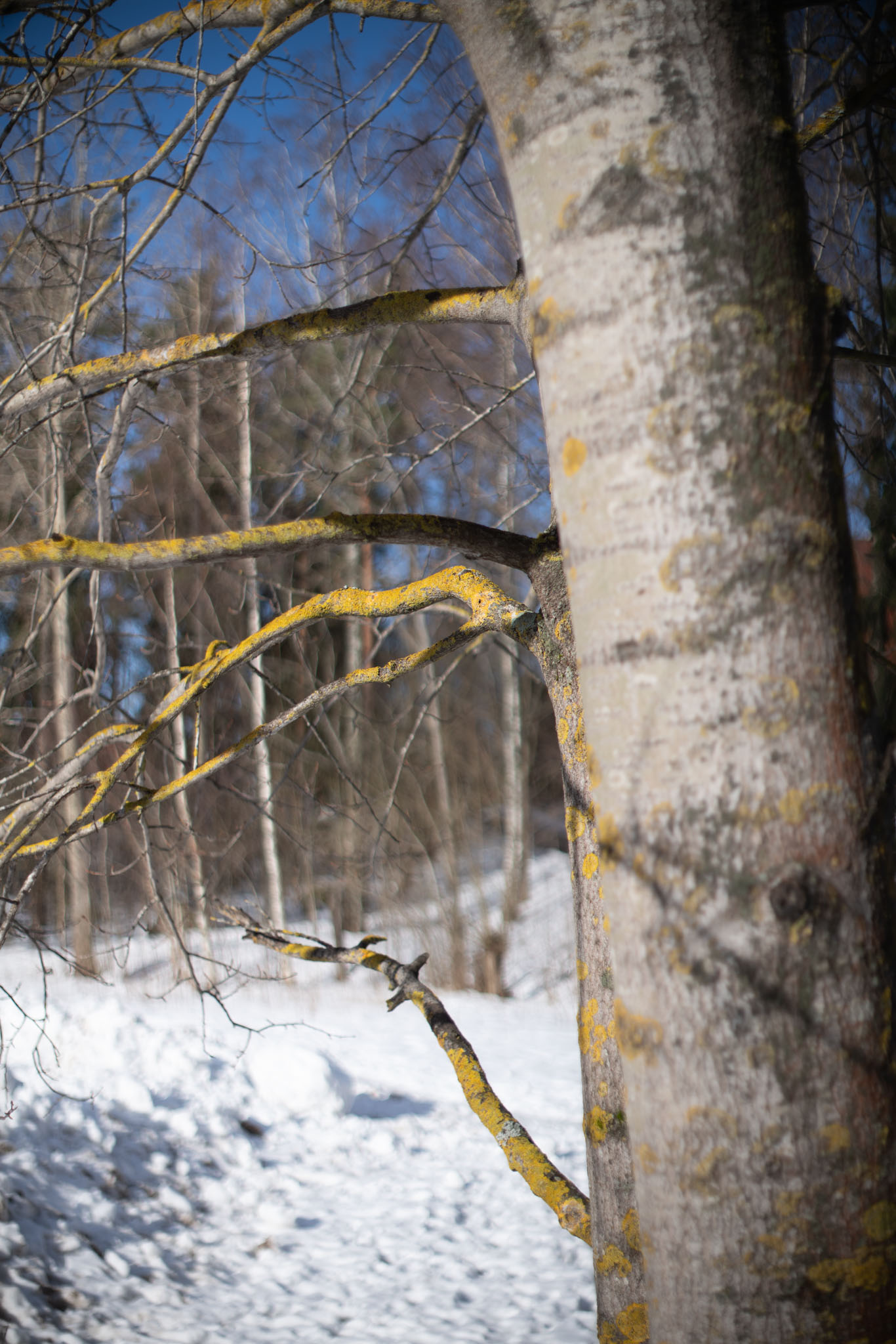
Miranda Auto 50/1.4 @ f/2, 1/5000 s
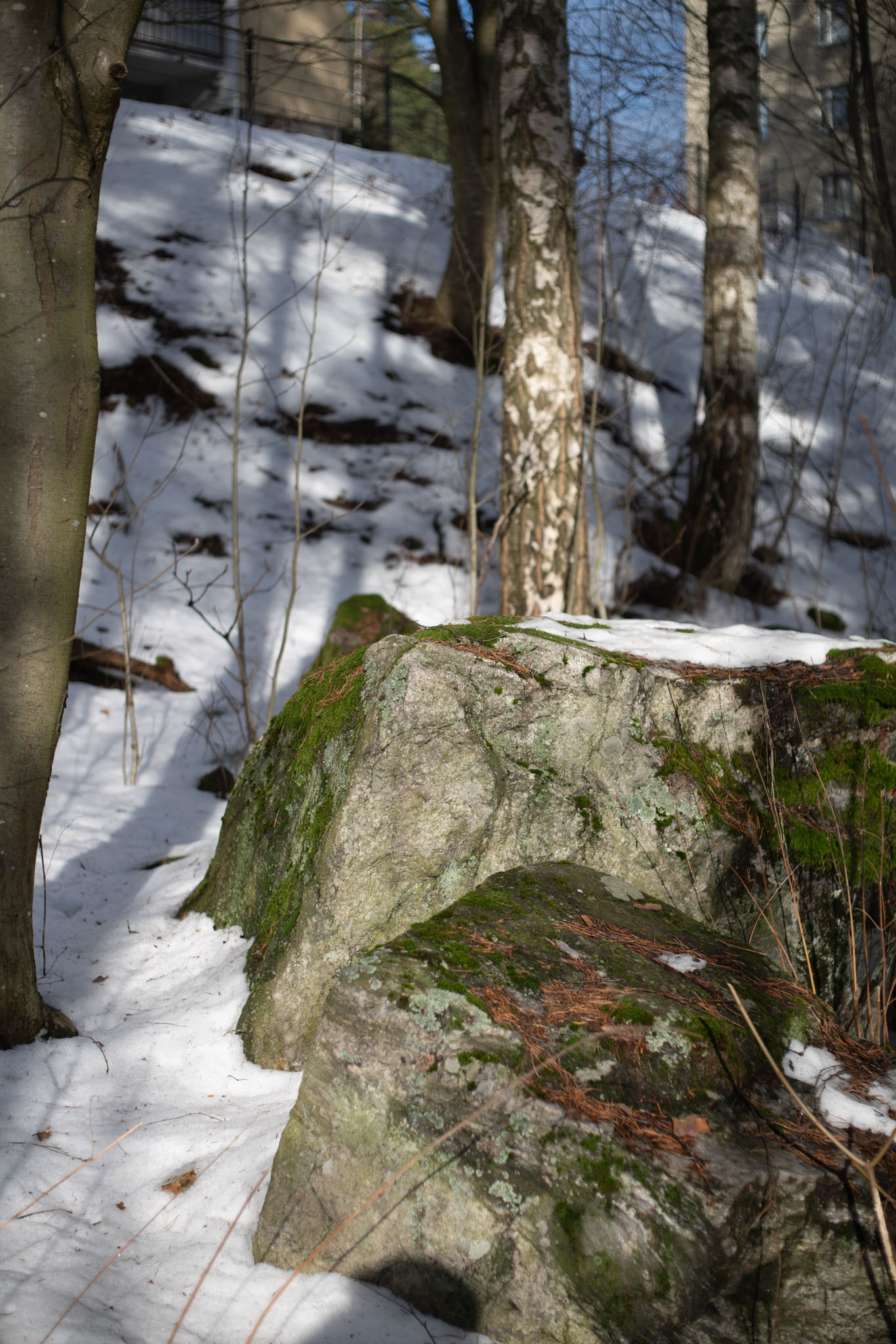
Miranda Auto 50/1.4 @ f/2.8, 1/2000 s
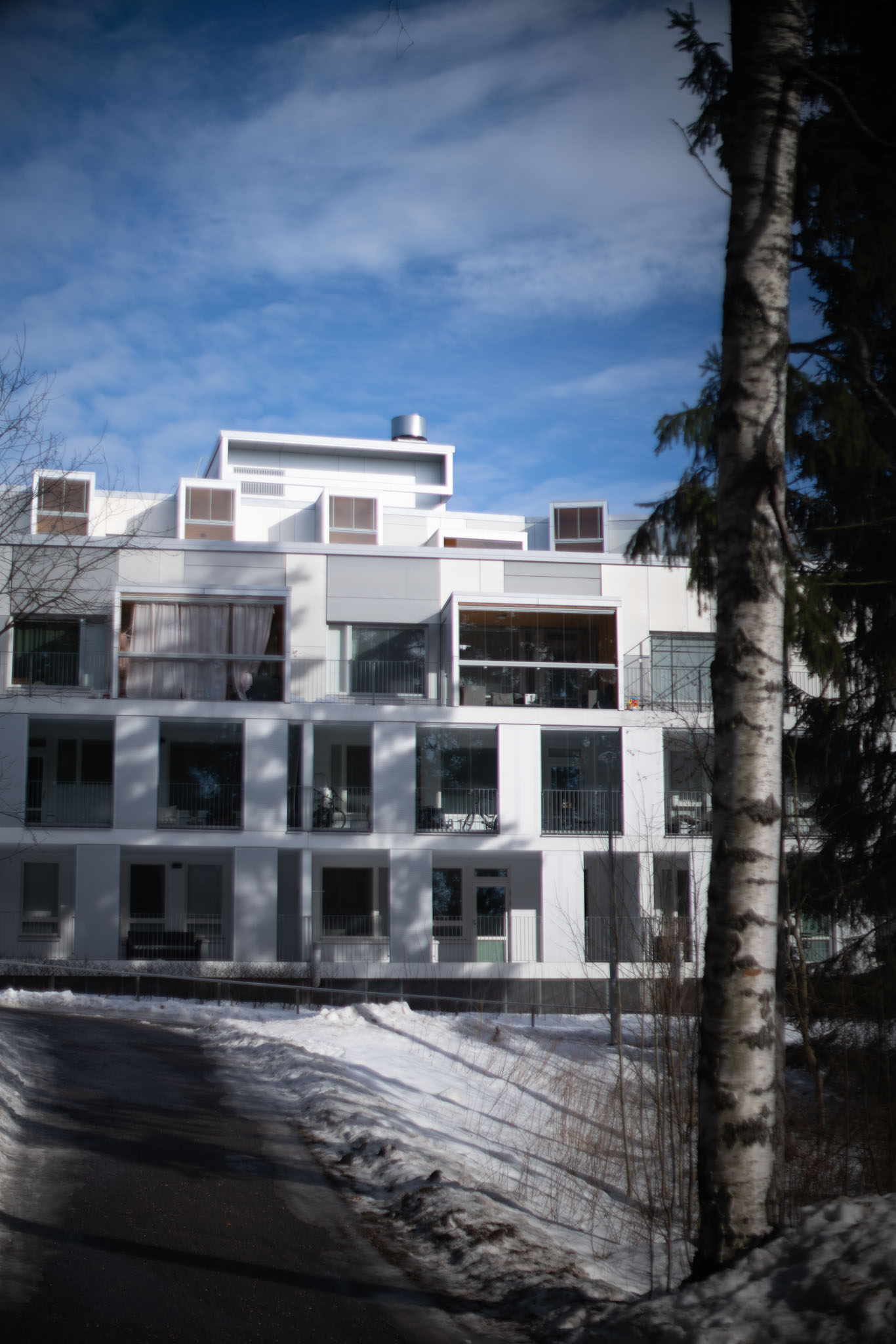
Miranda Auto 50/1.4 @ f/1.4, 1/8000 s
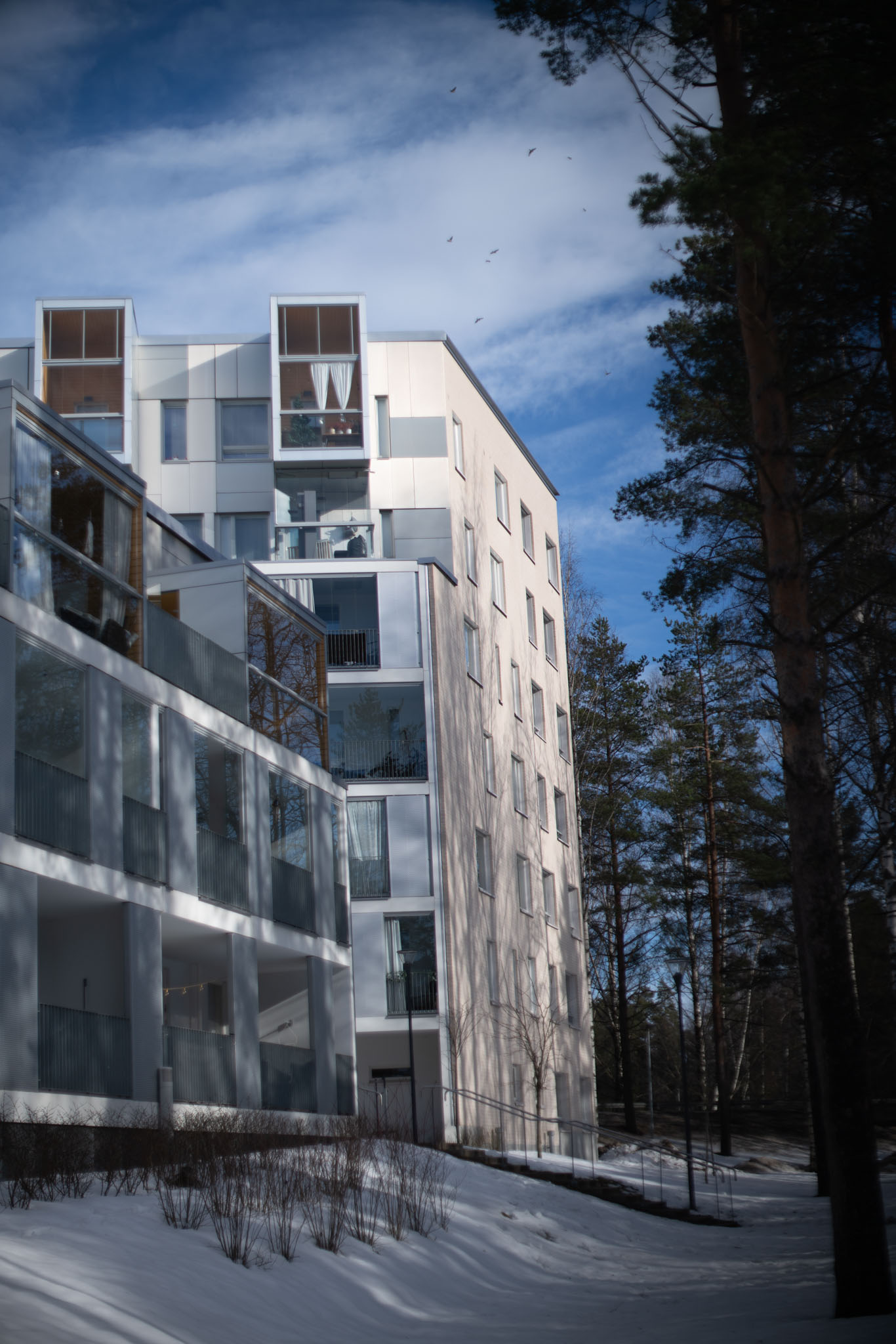
Miranda Auto 50/1.4 @ f/2, 1/6400 s
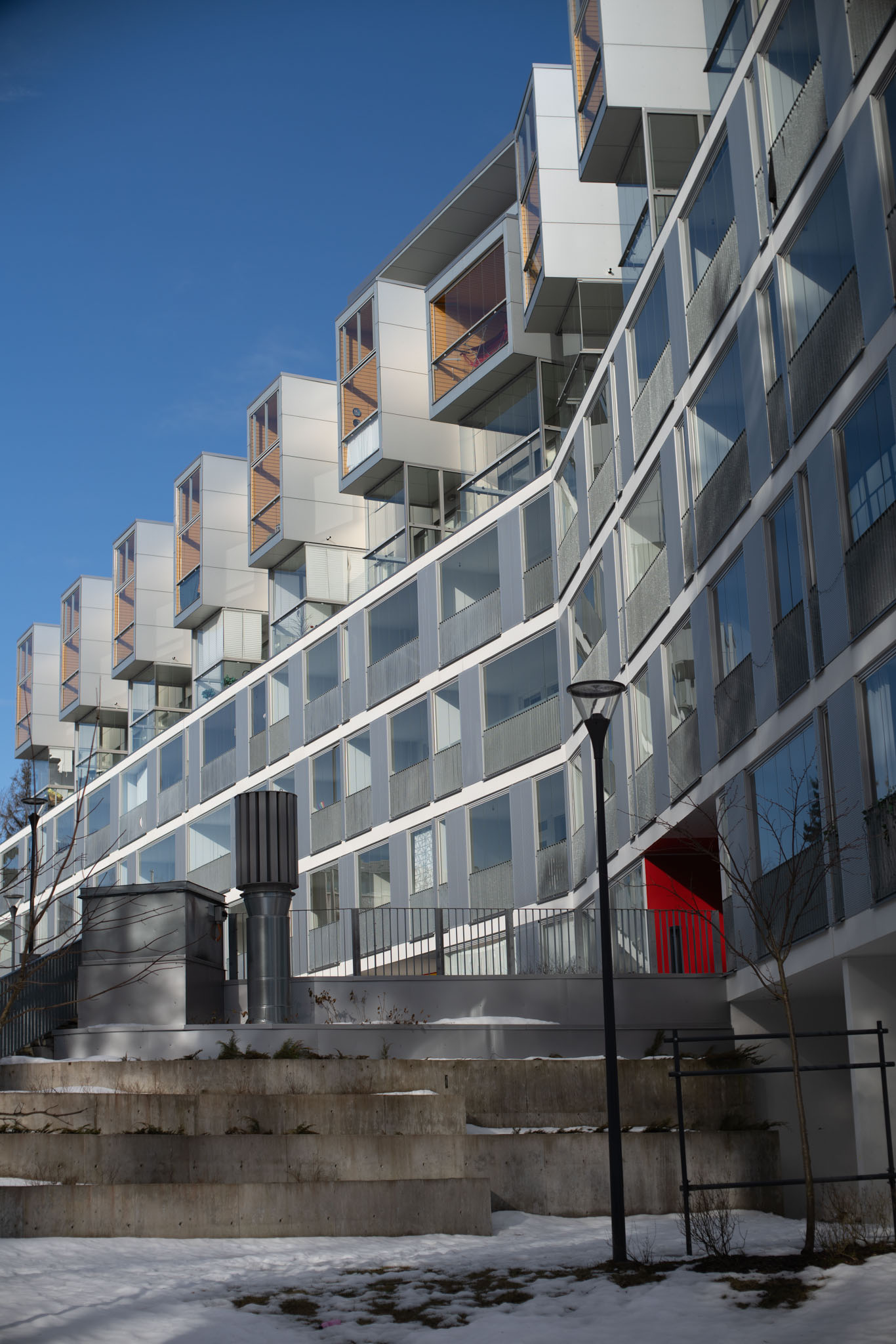
Miranda Auto 50/1.4 @ f/4, 1/2000 s
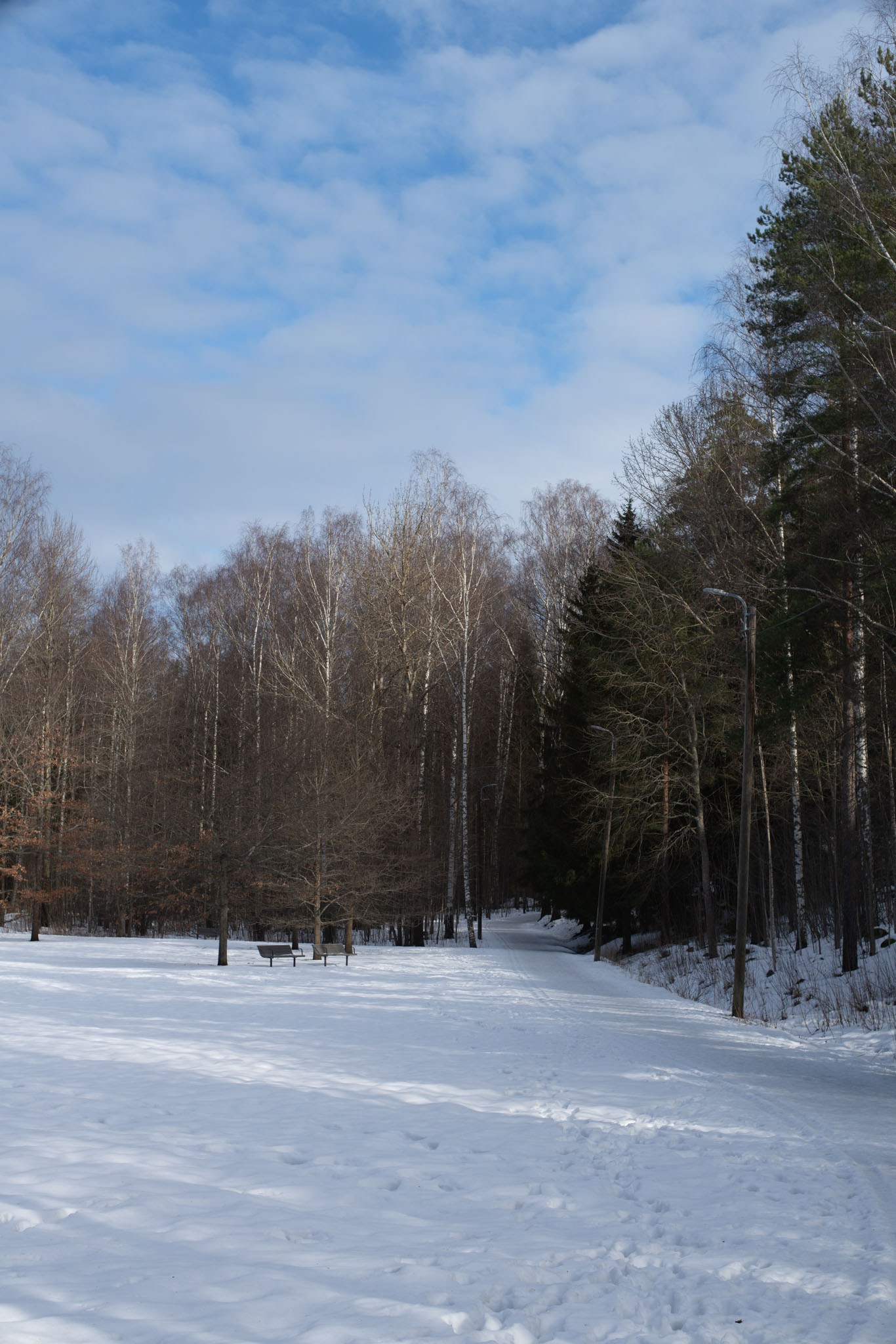
Miranda Auto 50/1.4 @ f/8, 1/320 s
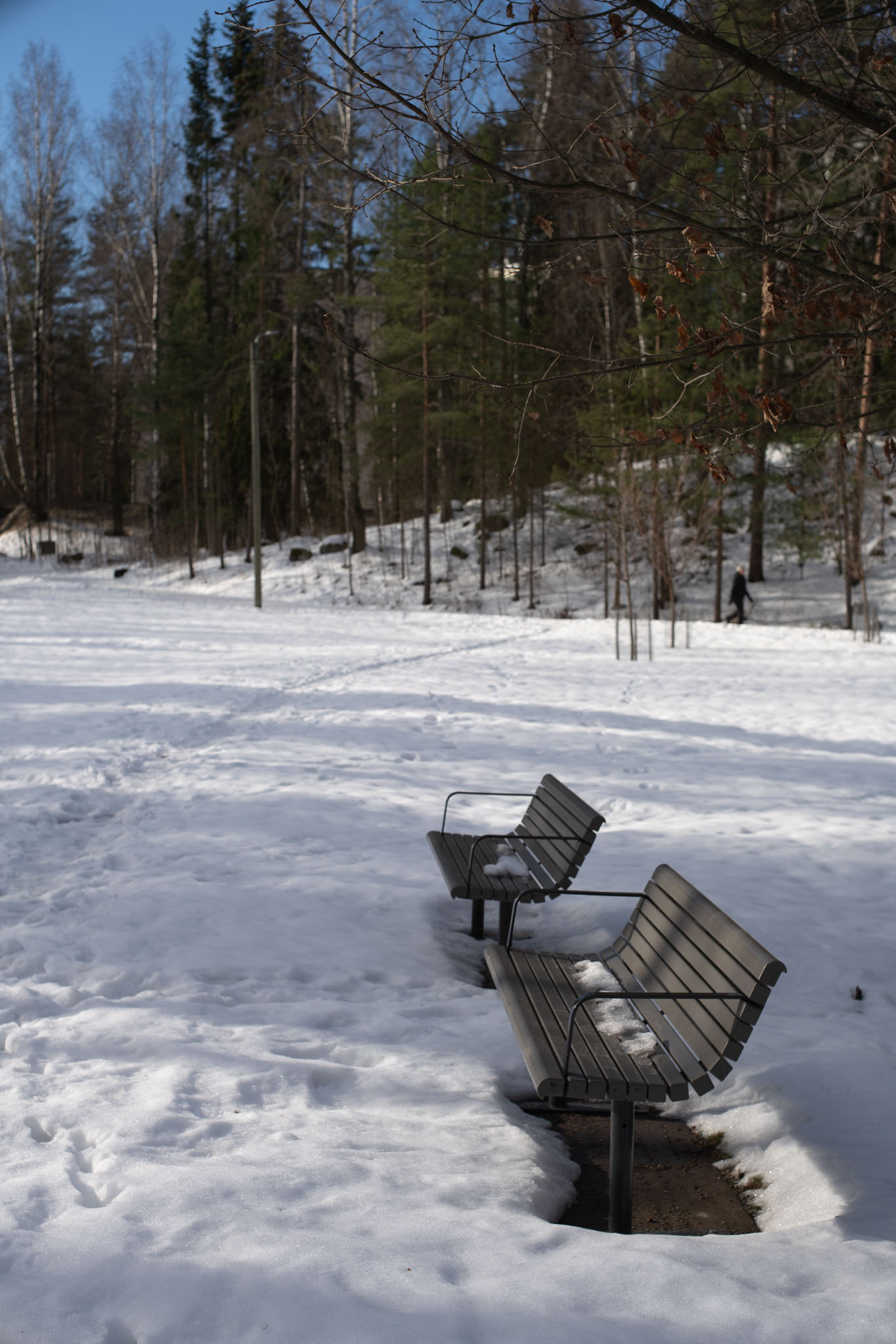
Miranda Auto 50/1.4 @ f/5.6, 1/800 s
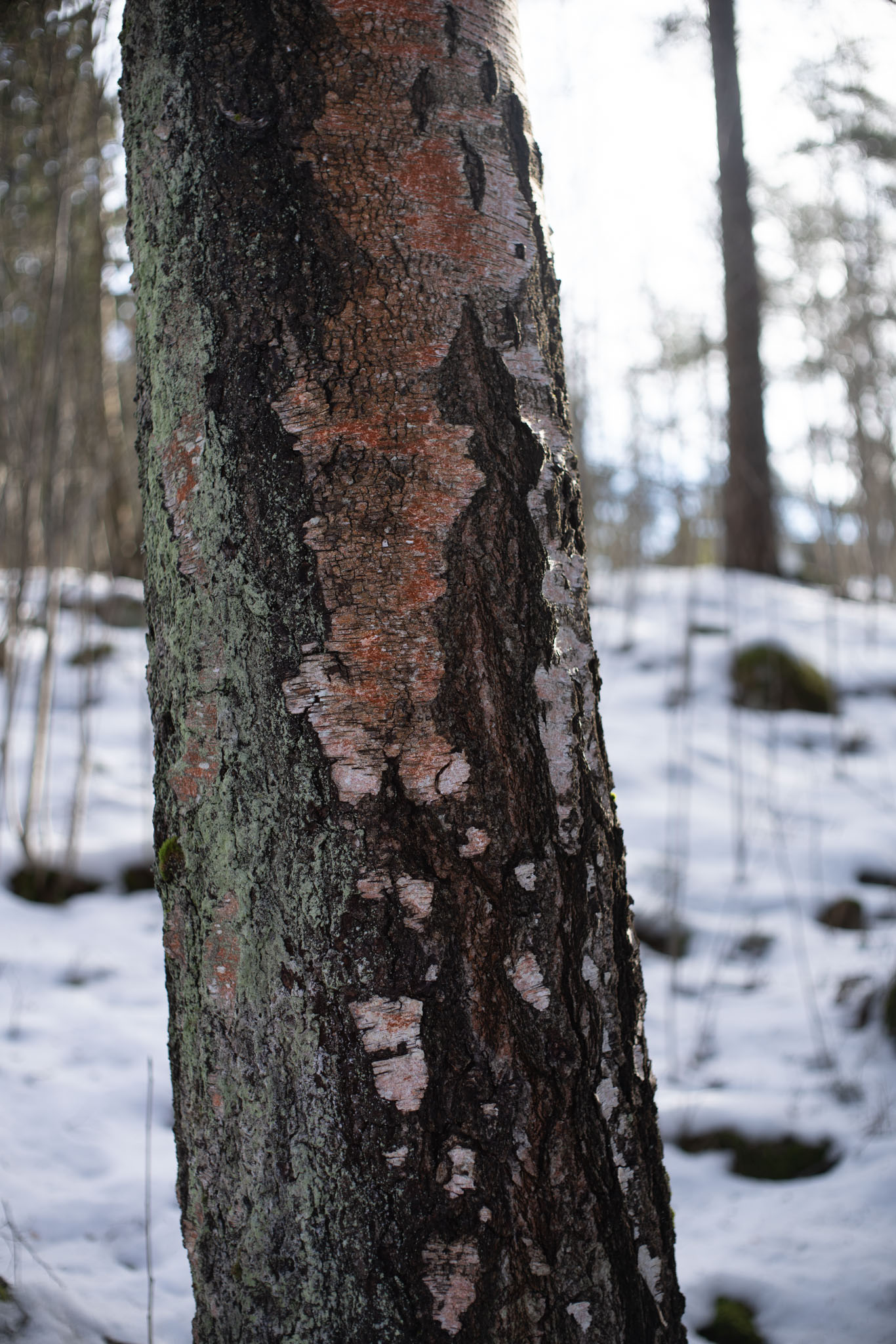
Miranda Auto 50/1.4 @ f/2.8 1/400 s
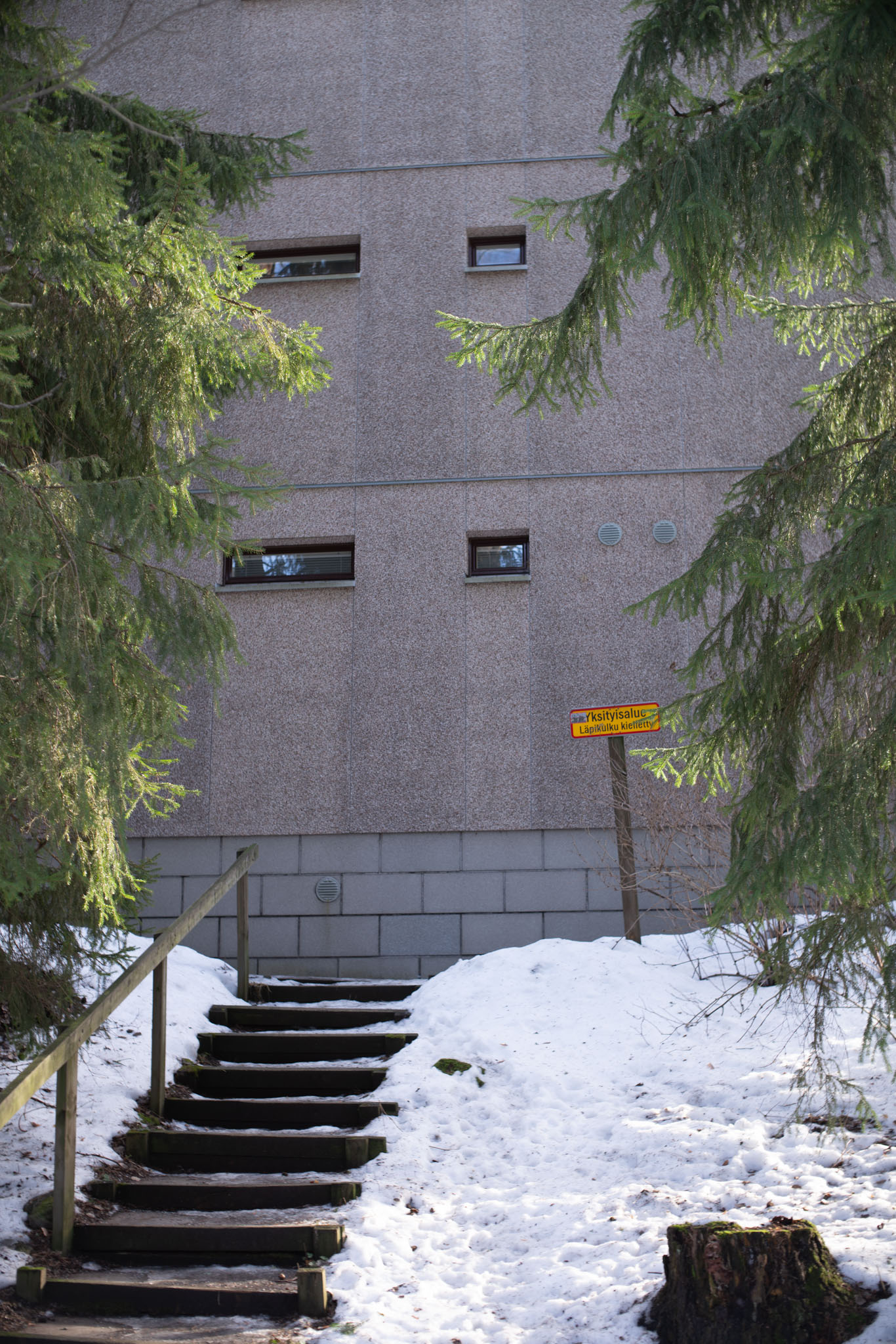
Miranda Auto 50/1.4 @ f/4, 1/50 s
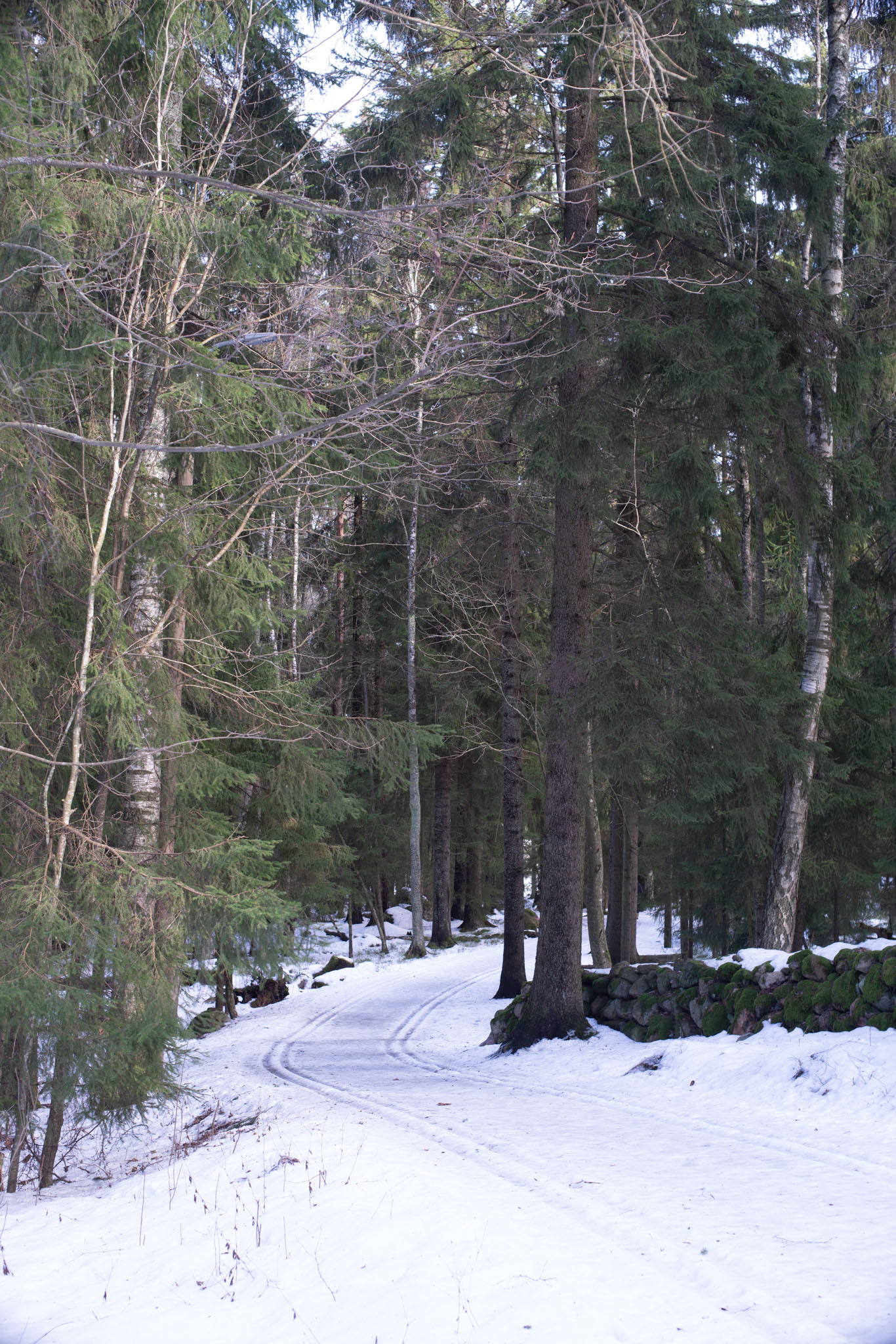
Miranda Auto 50/1.4 @ f/5.6, 1/30 s, ISO125
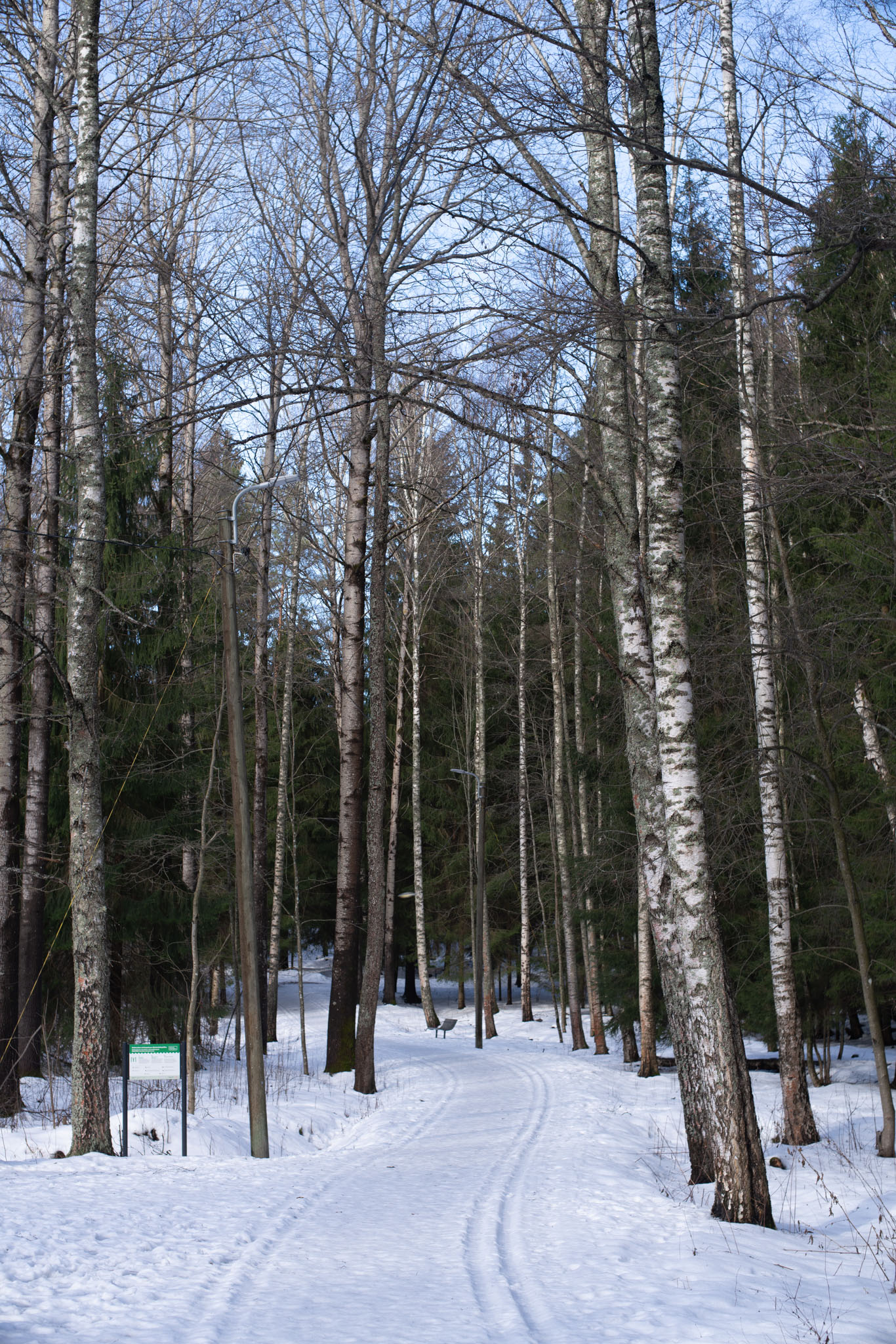
Miranda Auto 50/1.4 @ f/5.6, 1/160 s
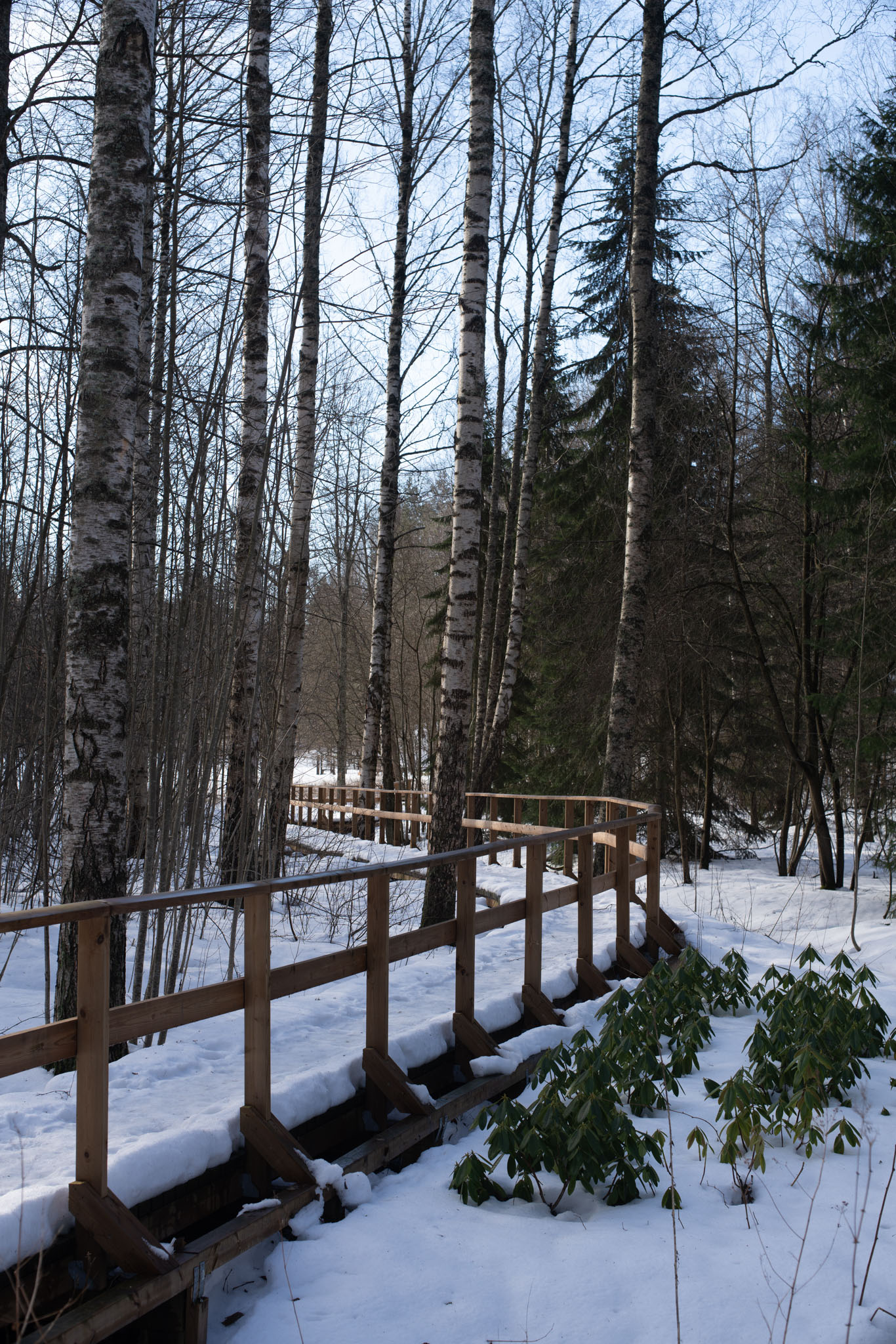
Miranda Auto 50/1.4 @ f/8, 1/125 s
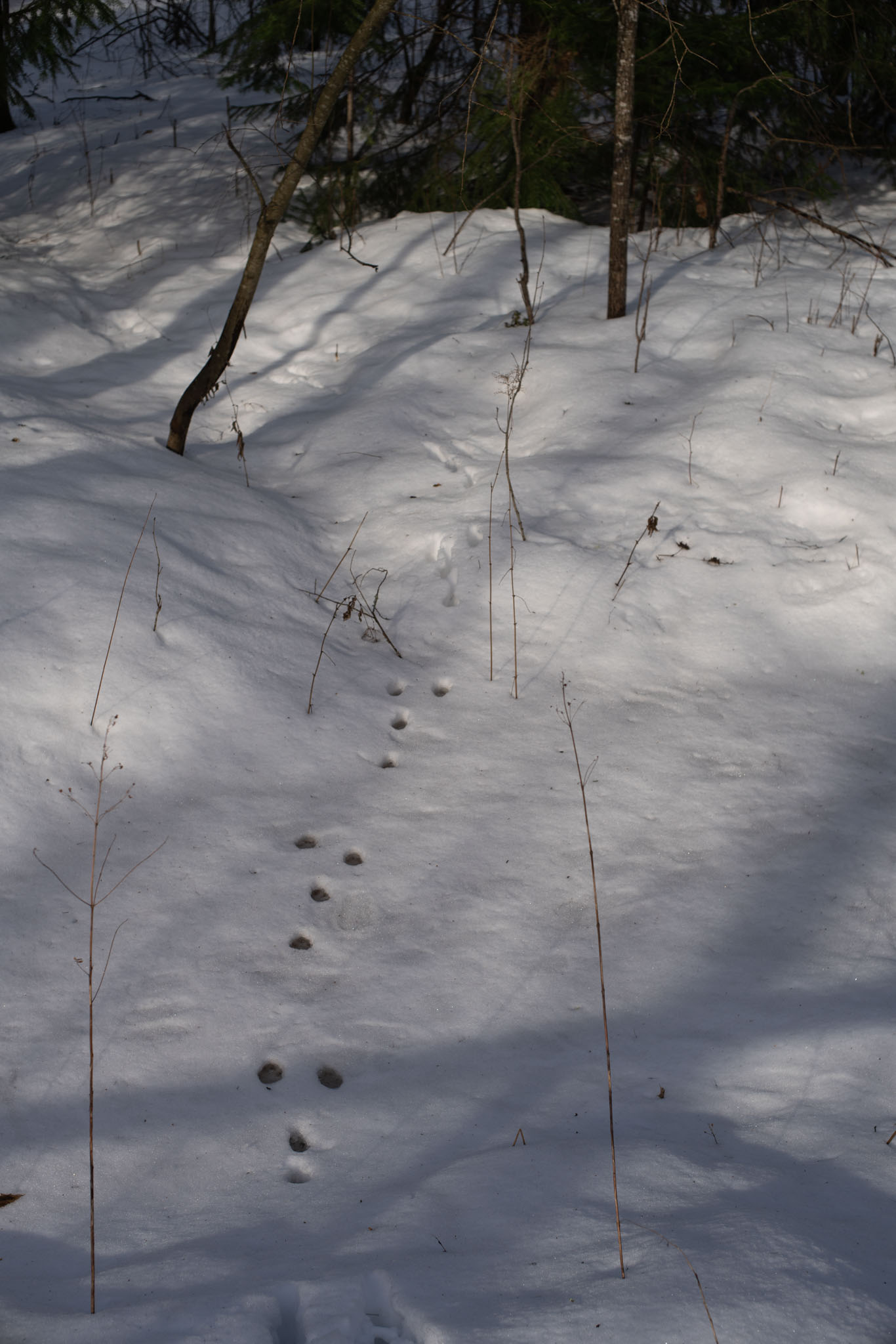
Miranda Auto 50/1.4 @ f/5.6, 1/500 s

Miranda Auto 50/1.4 @ f/4, 1/2000 s
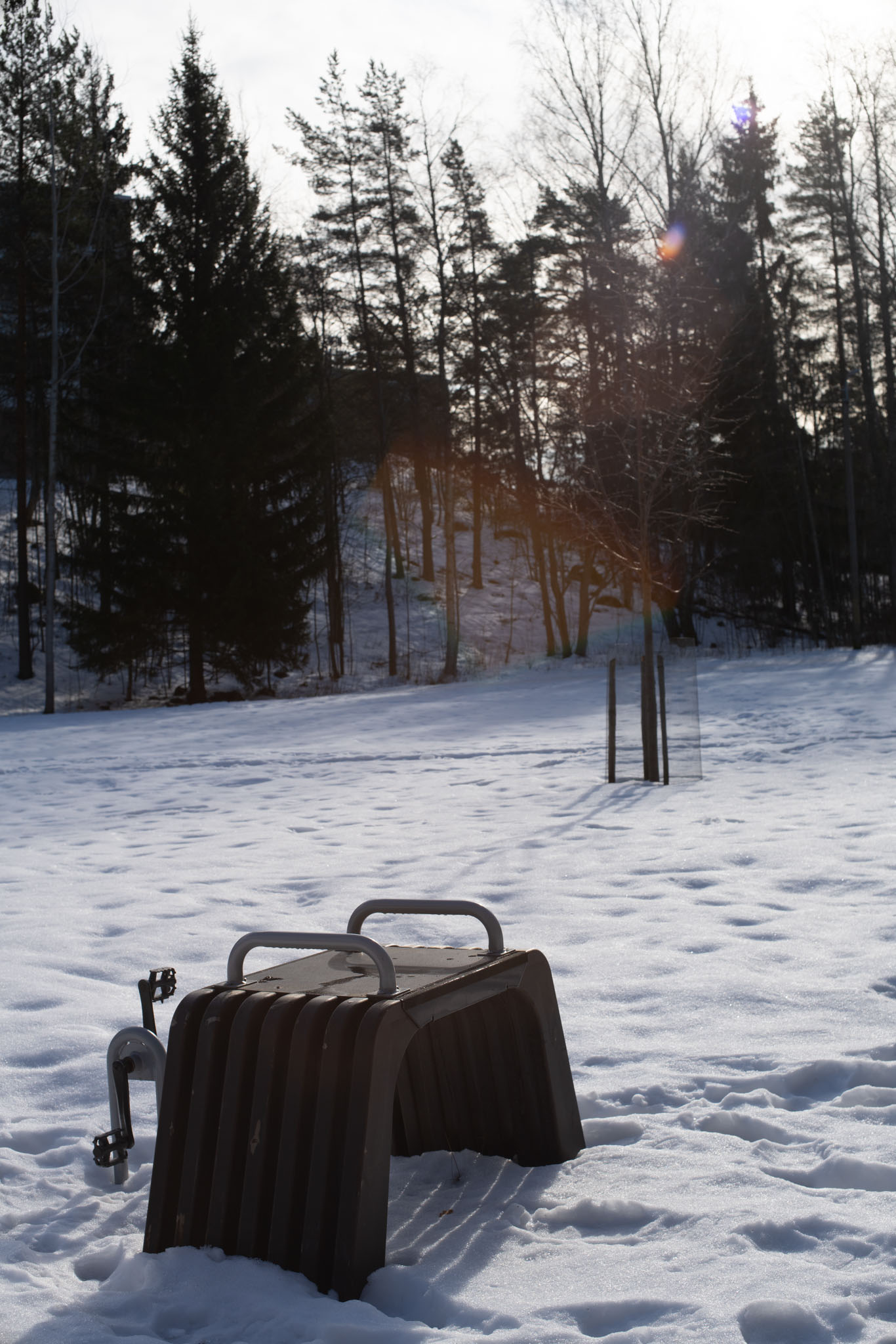
Miranda Auto 50/1.4 @ f/11, 1/250 s
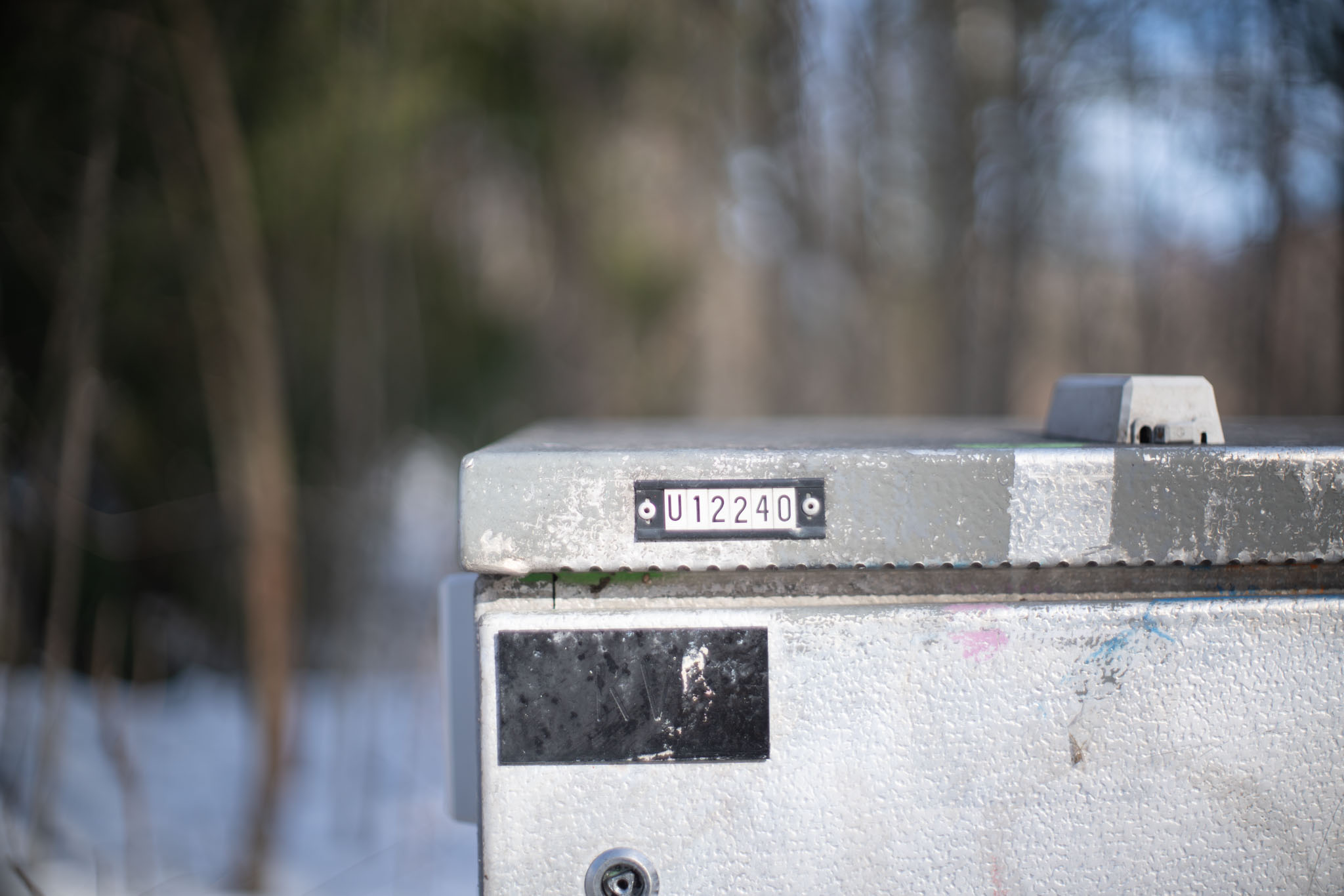
Miranda Auto 50/1.4 @ f/1.4, 1/1250 s

Miranda Auto 50/1.4 @ f/4, 1/1600 s
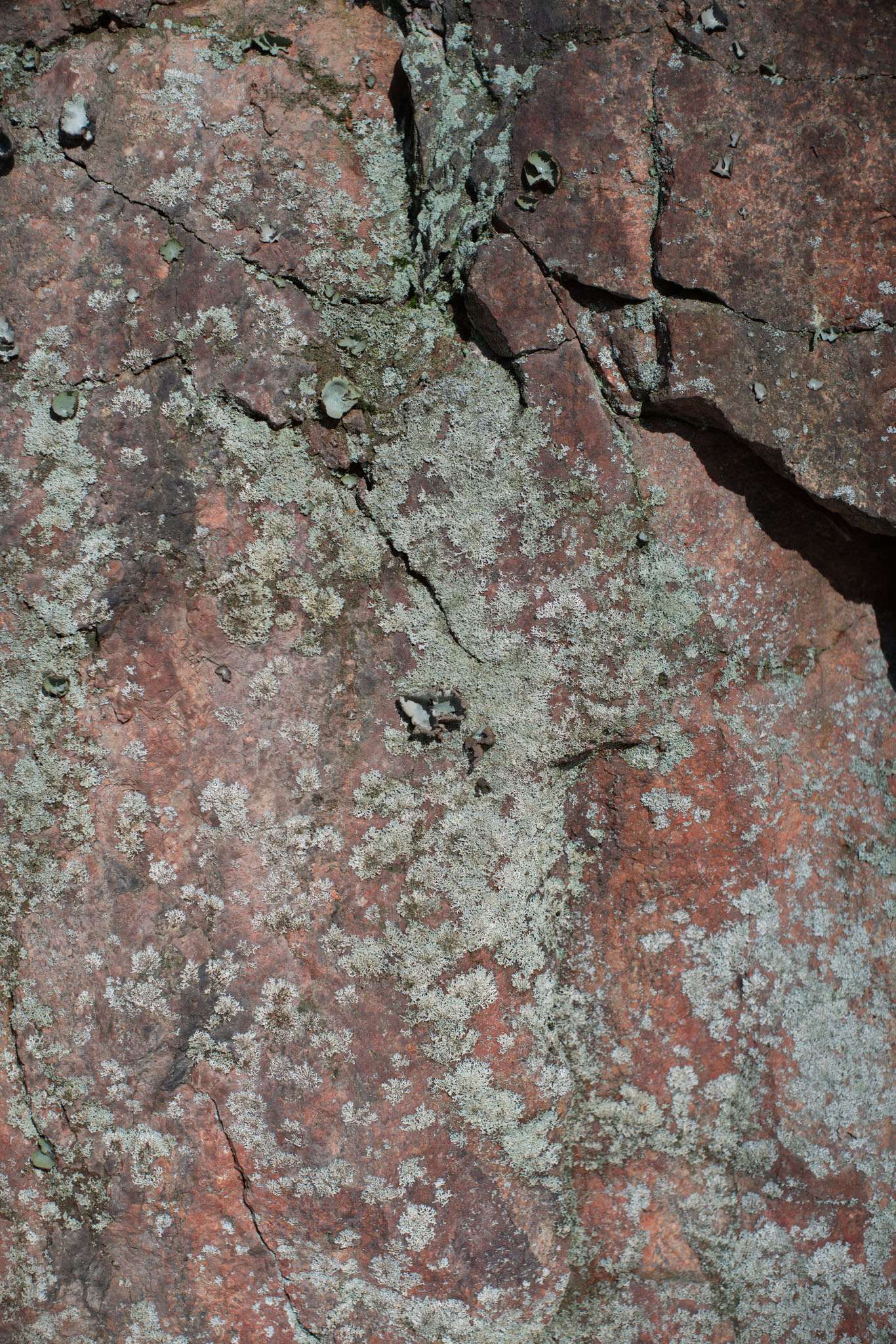
Miranda Auto 50/1.4 @ f/4, 1/1600 s
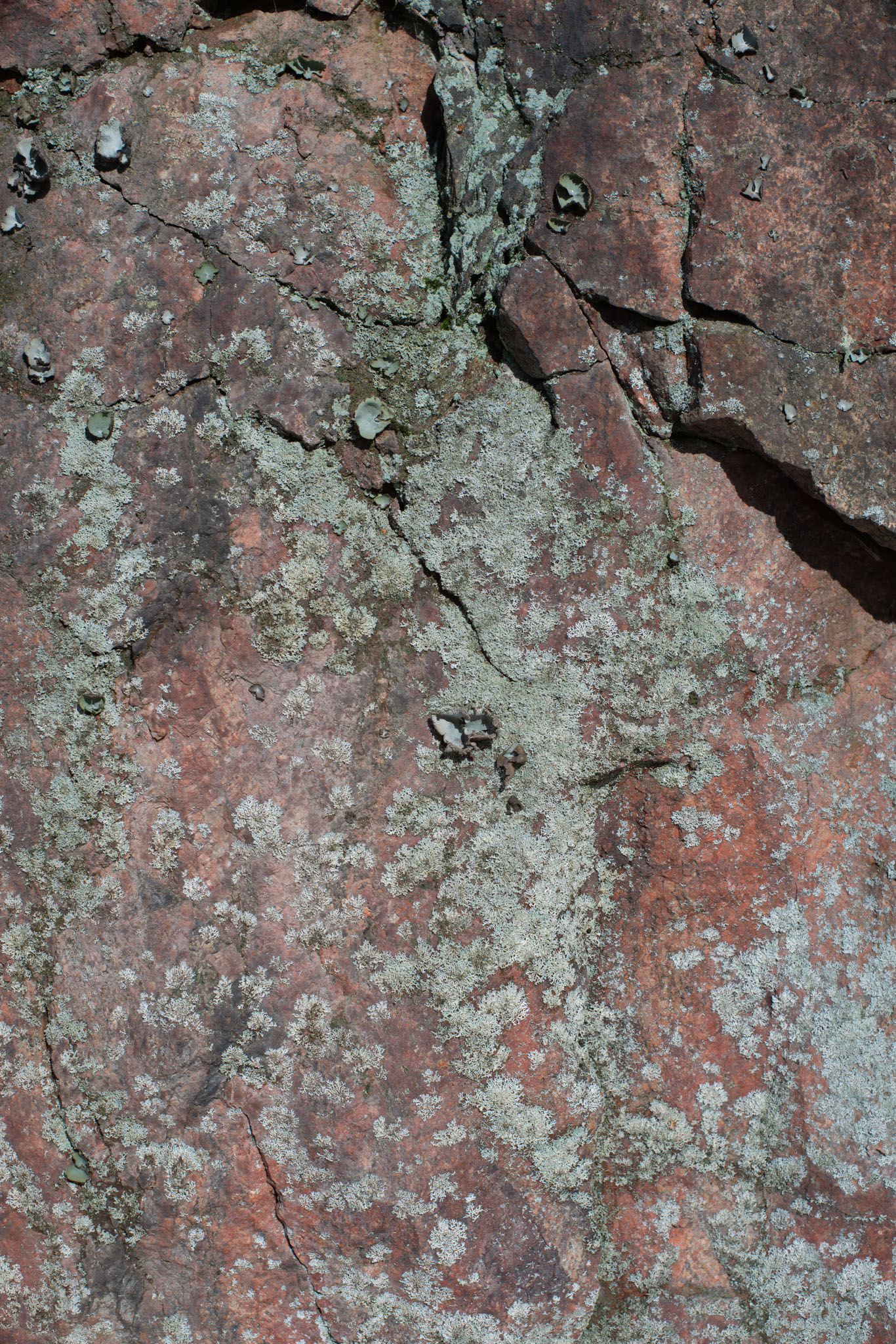
Miranda Auto 50/1.4 @ f/8, 1/400 s
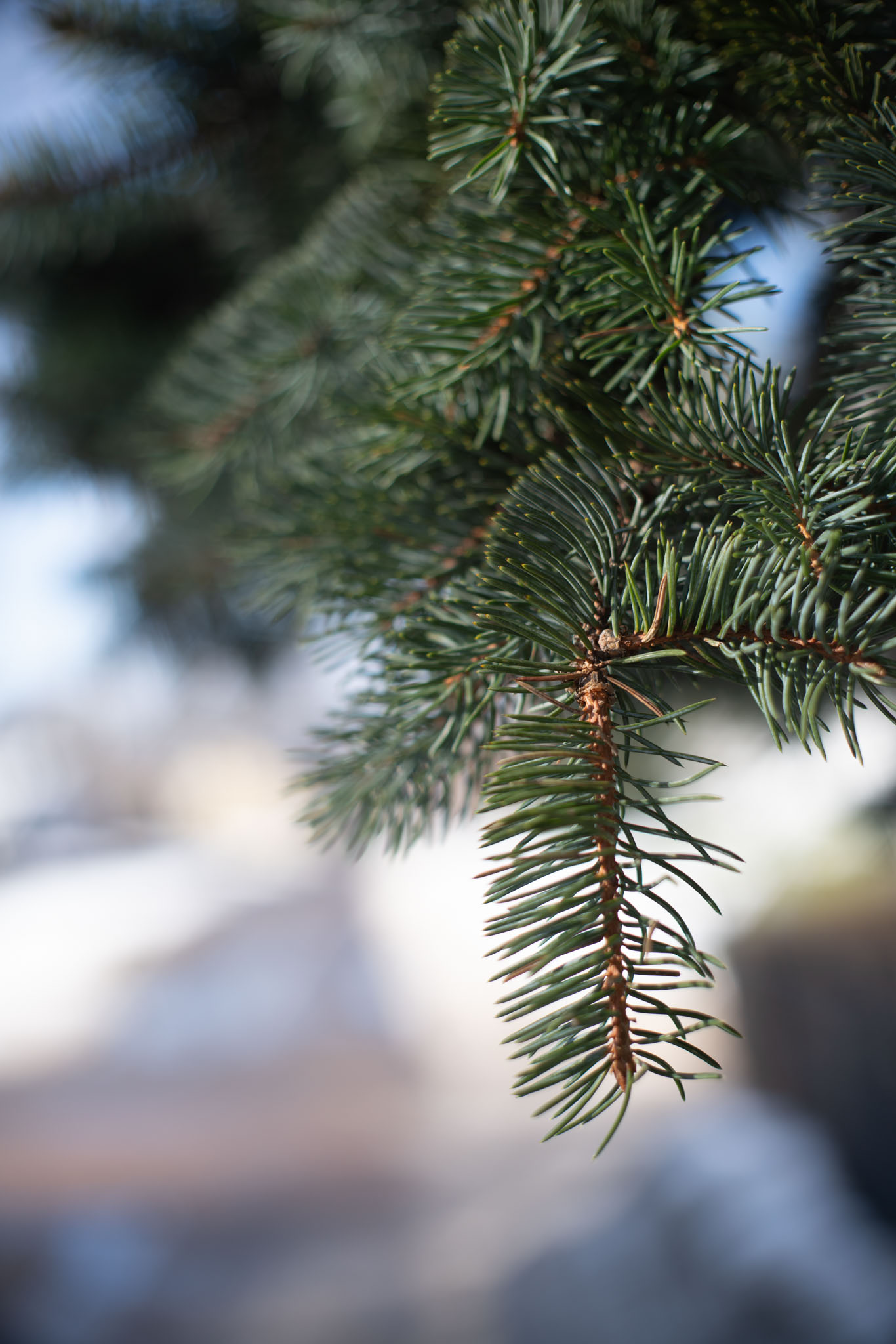
Miranda Auto 50/1.4 @ f/2.8, 1/640 s

Miranda Auto 50/1.4 @ f/2.8 1/3200 s
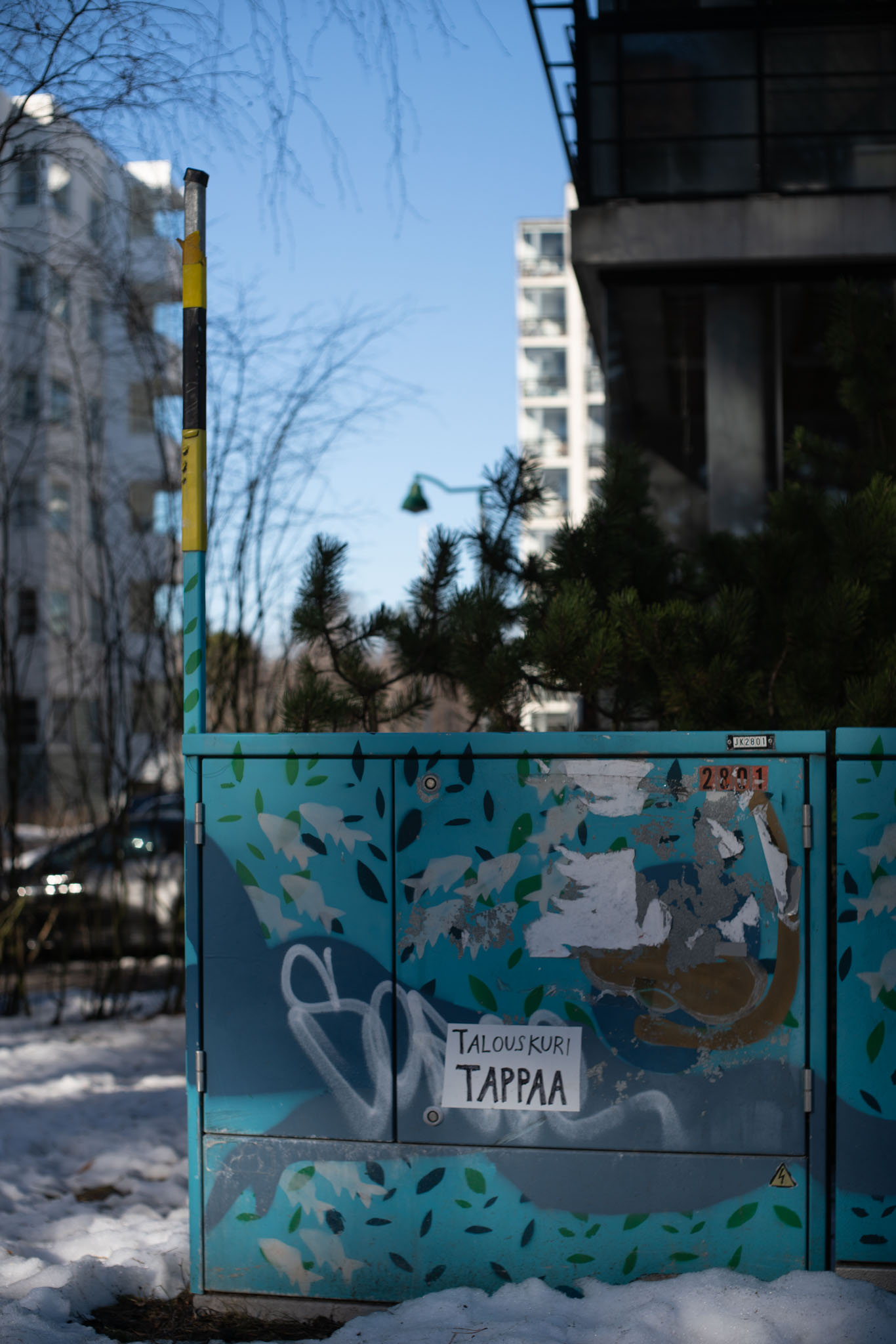
Miranda Auto 50/1.4 @ f/4, 1/640 s
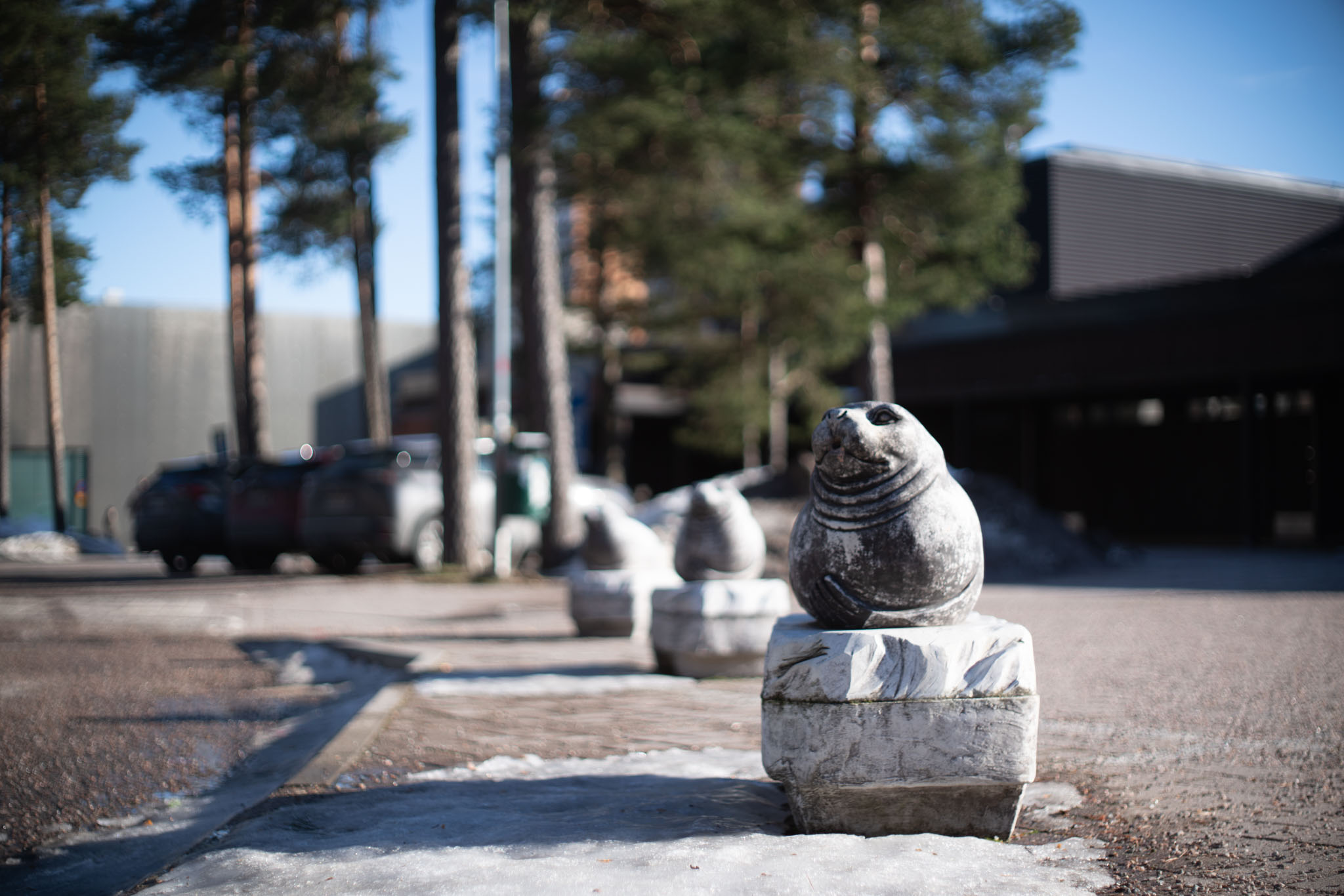
Miranda Auto 50/1.4 @ f/2, 1/2000 s
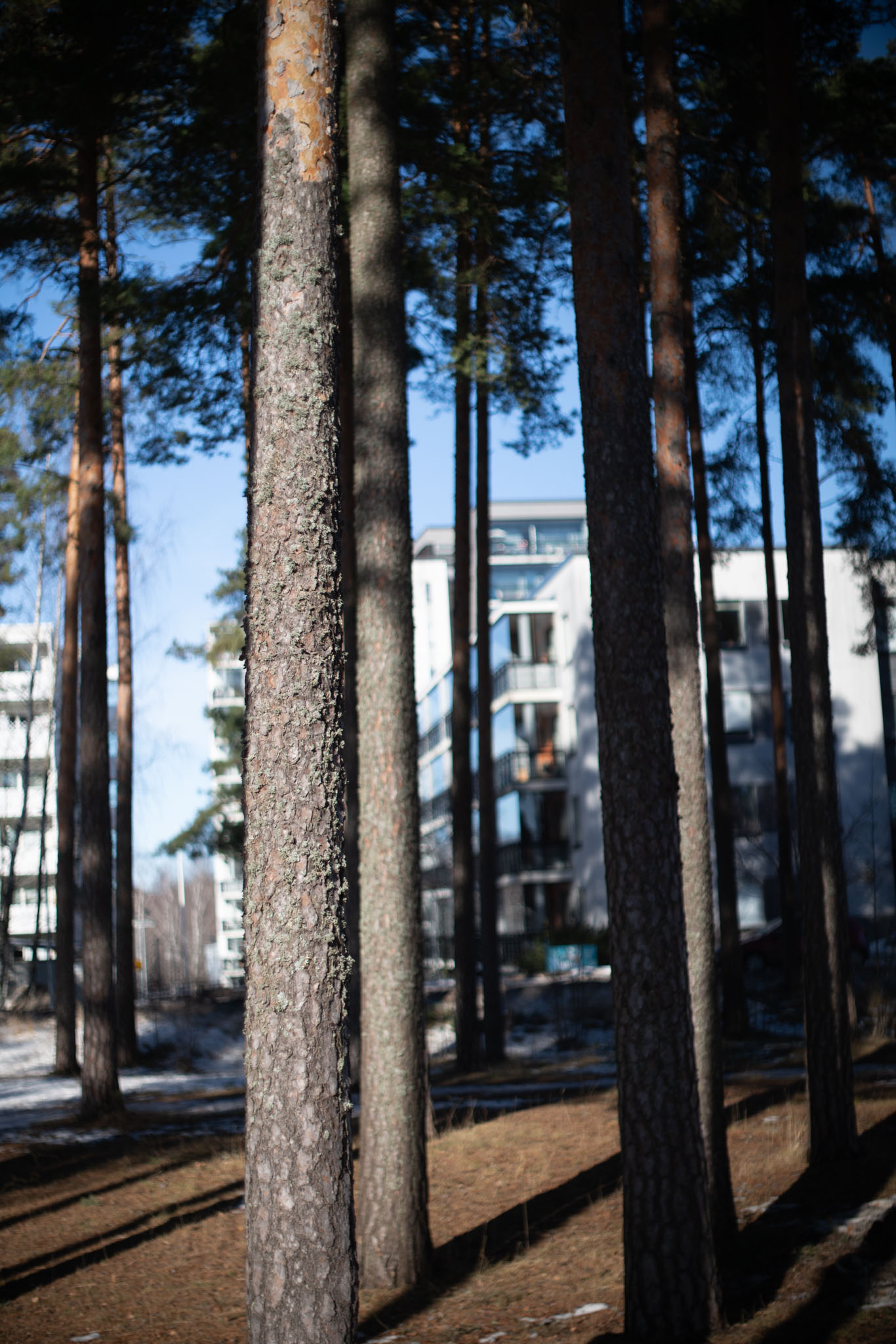
Miranda Auto 50/1.4 @ f/2, 1/3200 s

Miranda Auto 50/1.4 @ f/2.8, 1/800 s
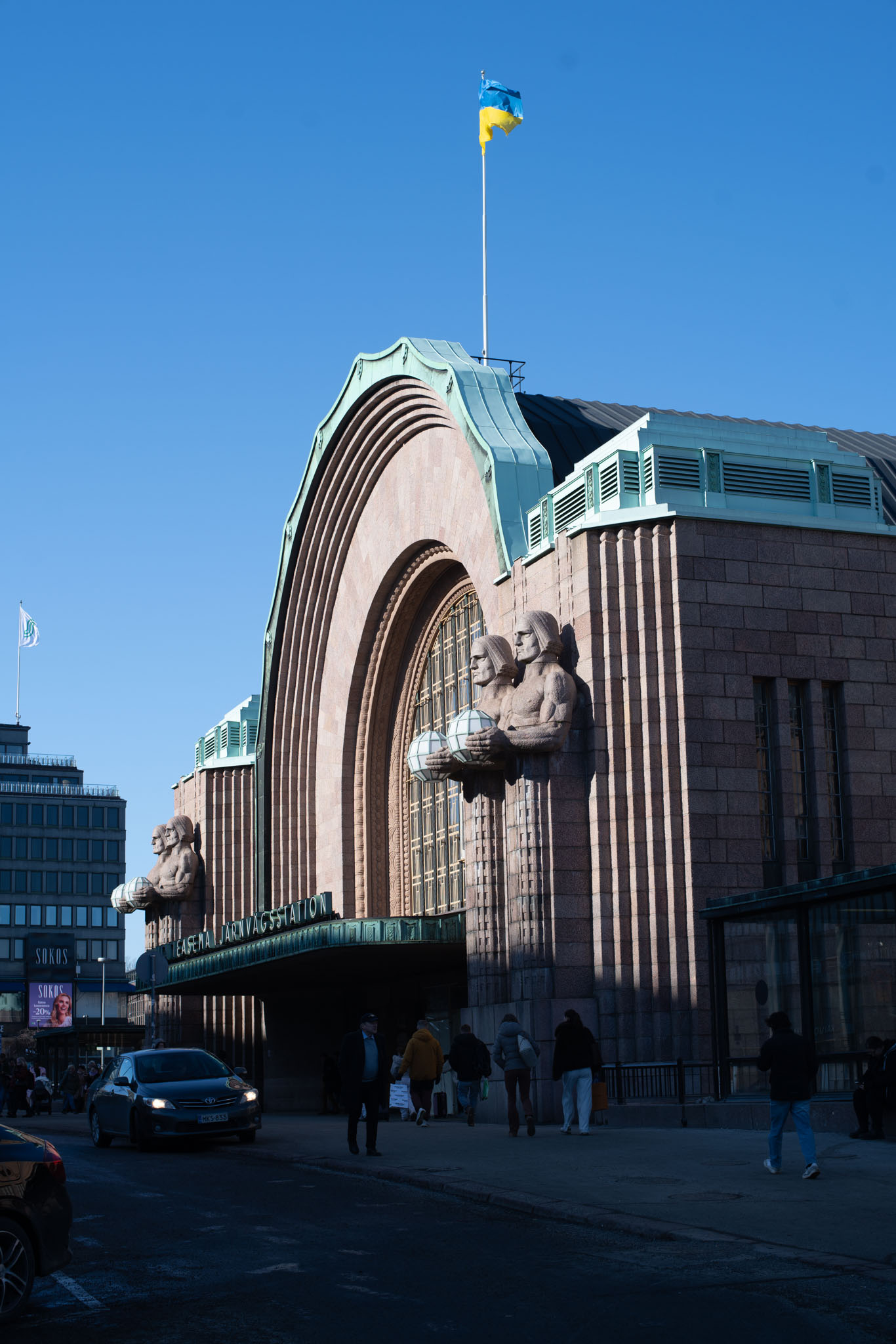
Miranda Auto 50/1.4 @ f/8, 1/320 s
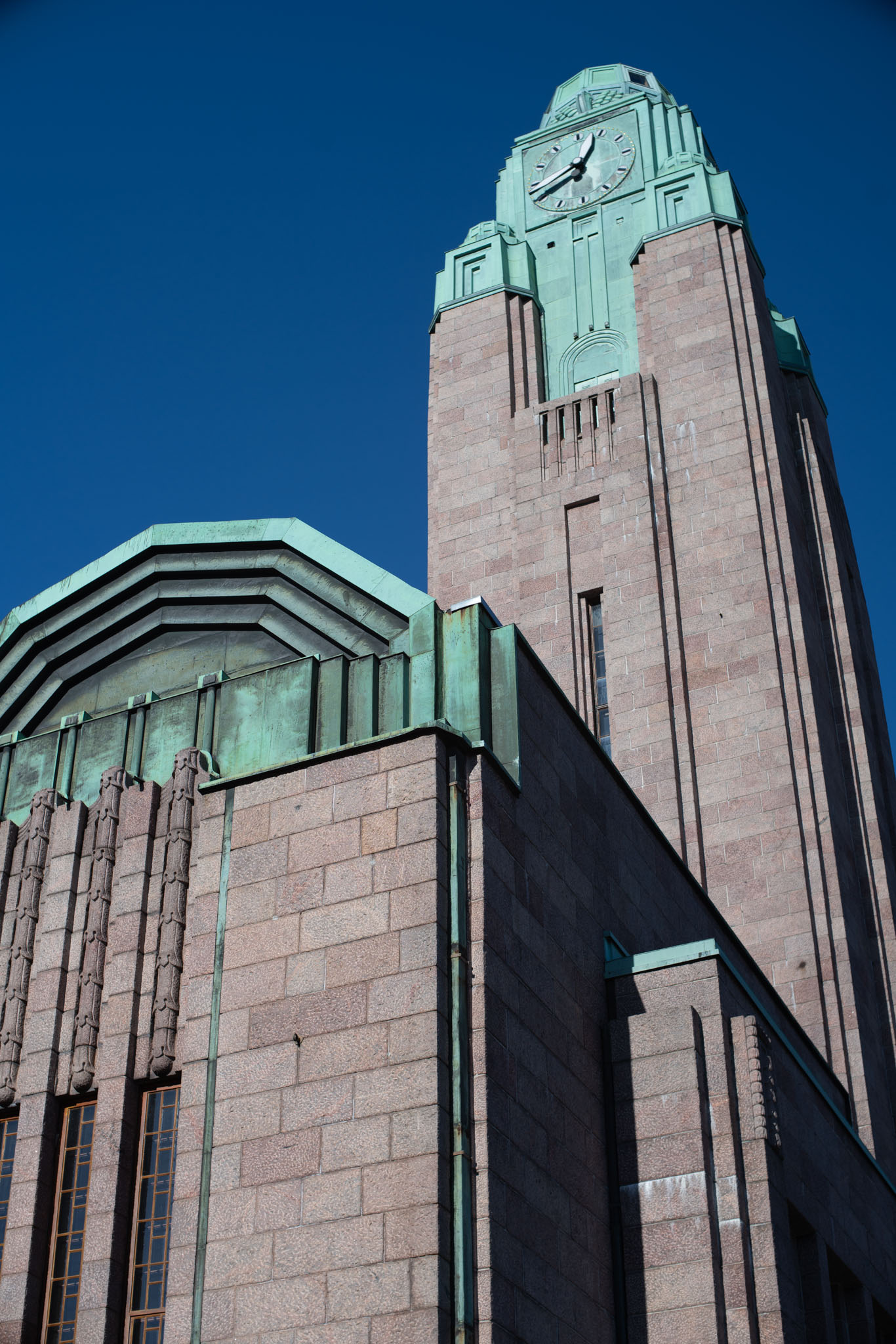
Miranda Auto 50/1.4 @ f/5.6, 1/1250 s
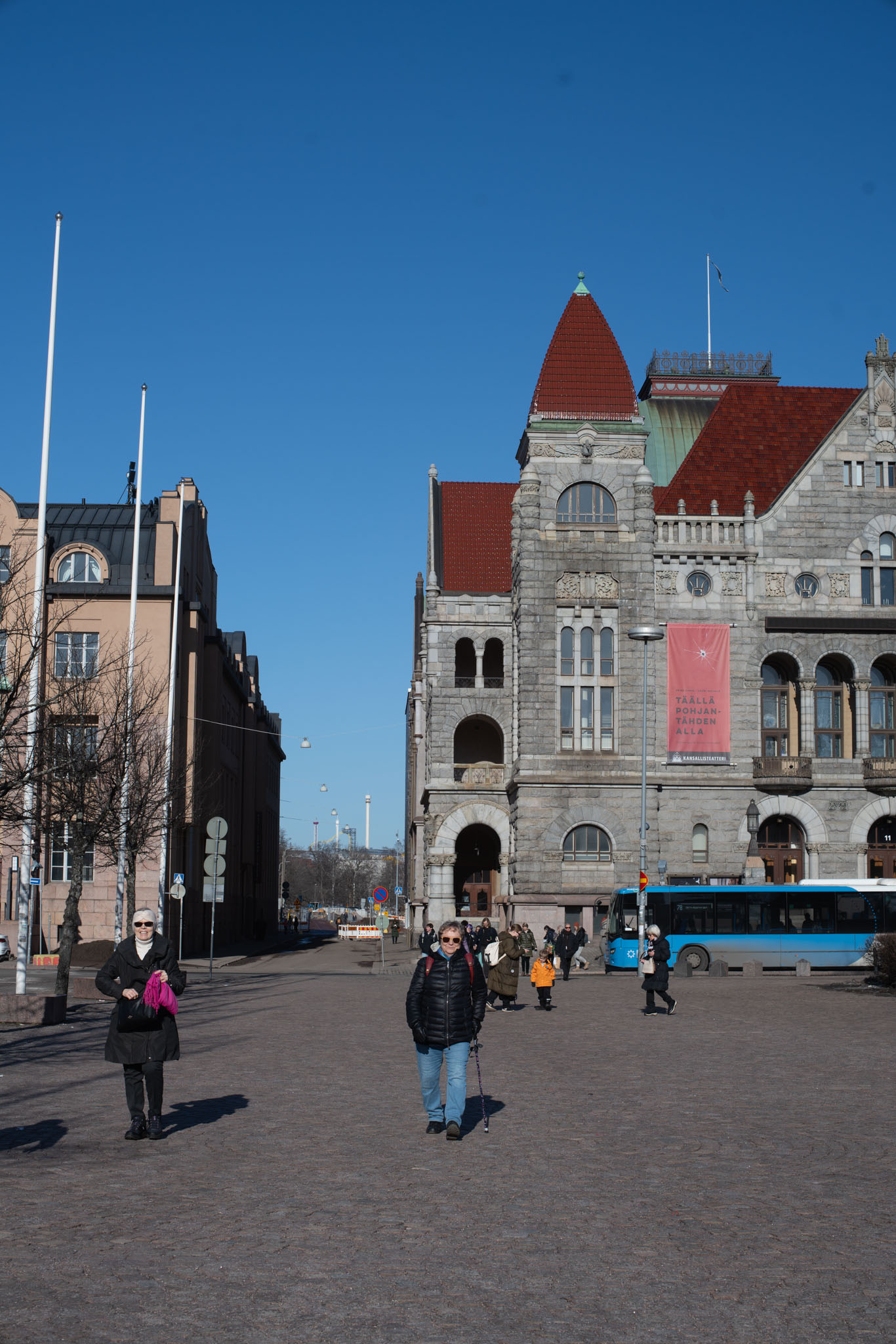
Miranda Auto 50/1.4 @ f/11, 1/500 s
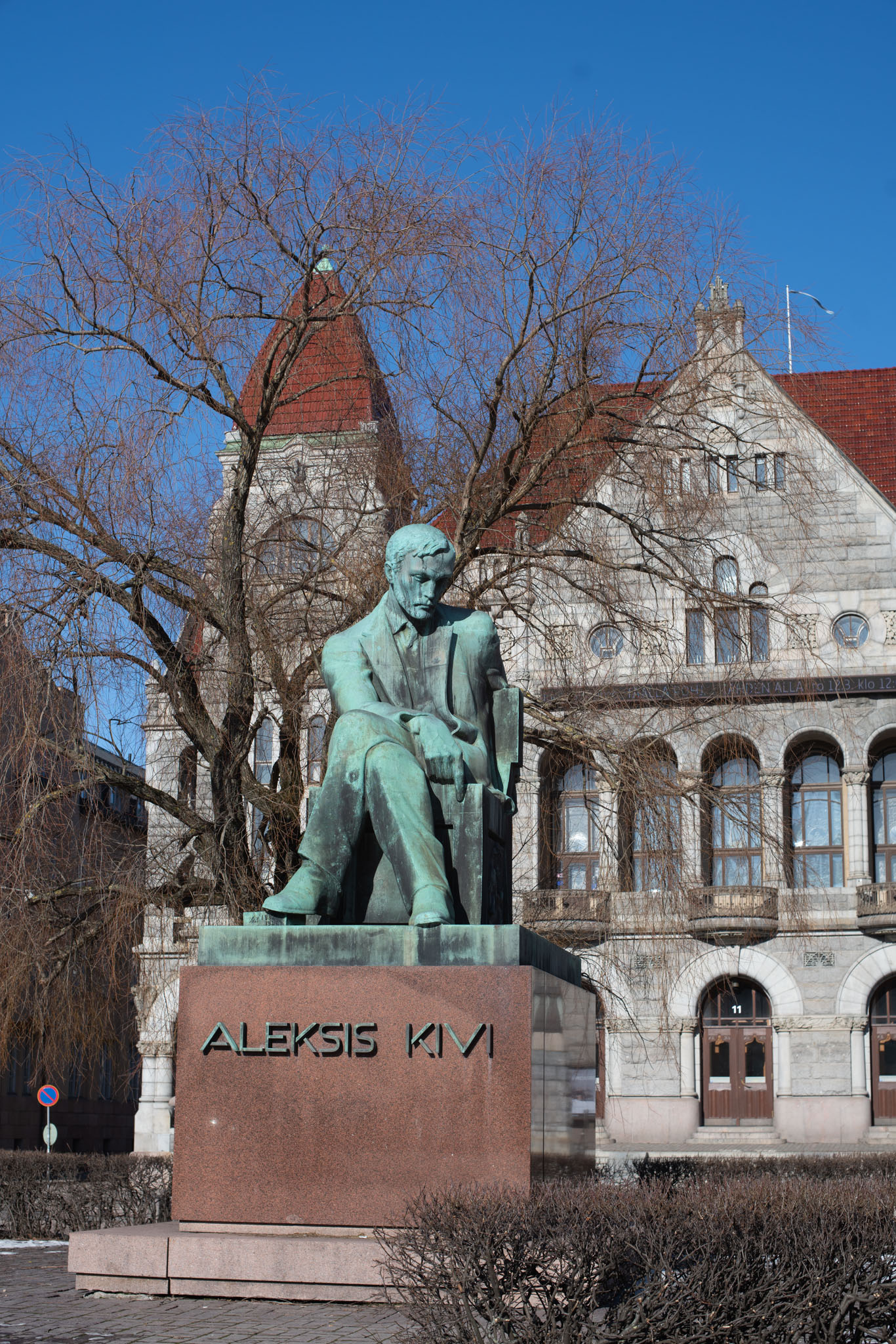
Miranda Auto 50/1.4 @ f/8, 1/500 s
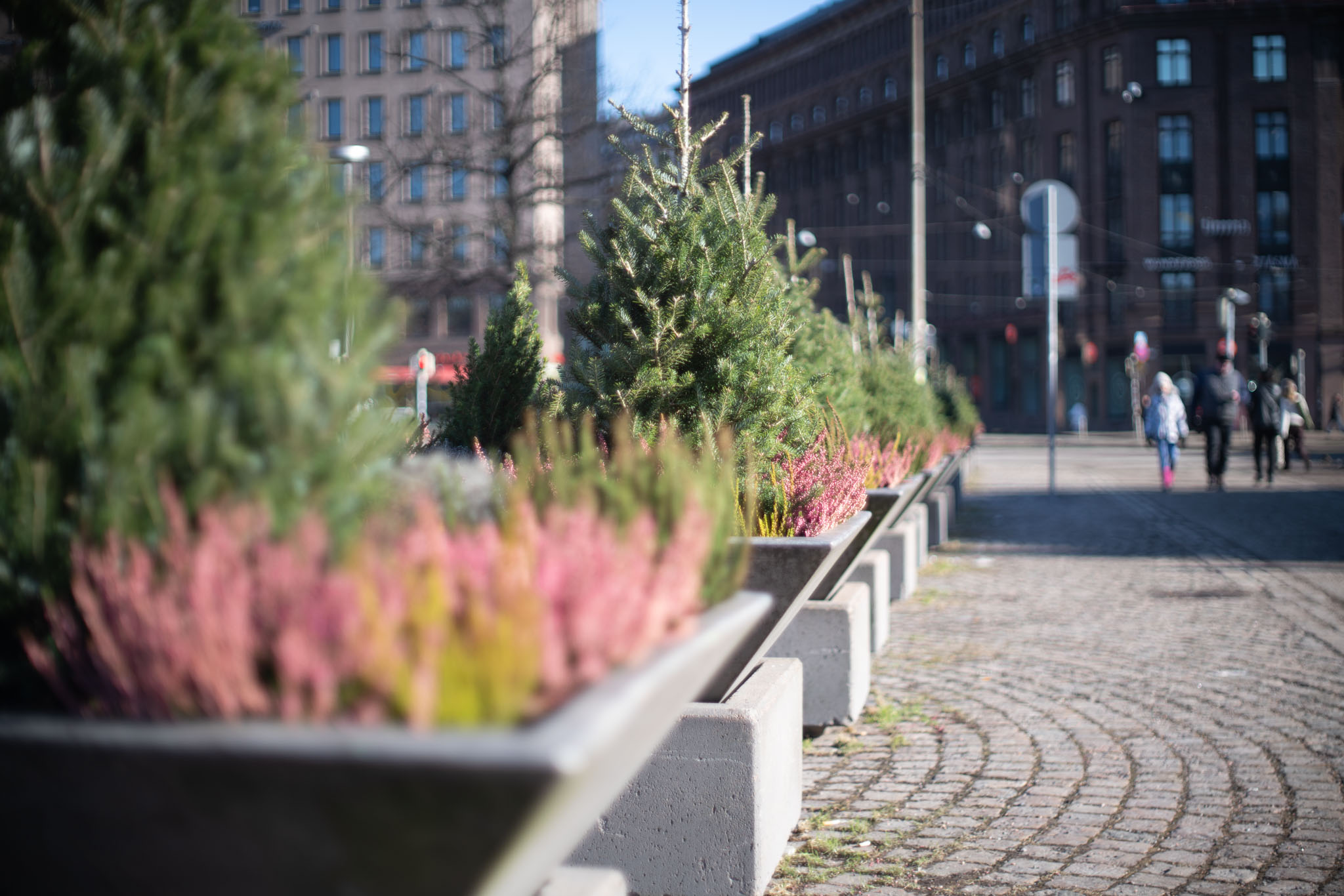
Miranda Auto 50/1.4 @ f/1.4, 1/2000 s
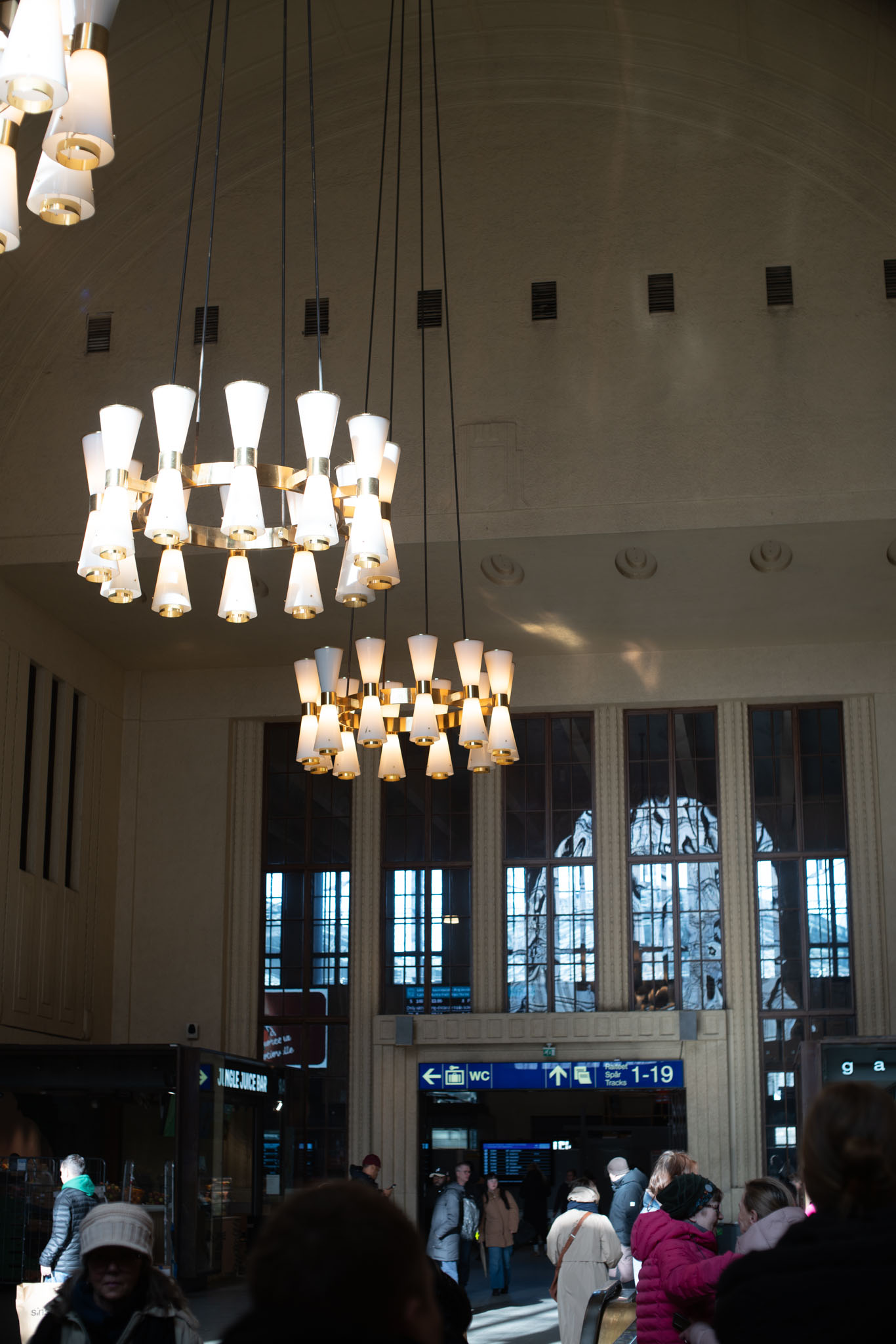
Miranda Auto 50/1.4 @ f/4, 1/125 s

Miranda Auto 50/1.4 @ f/5.6, 1/30 s, ISO400
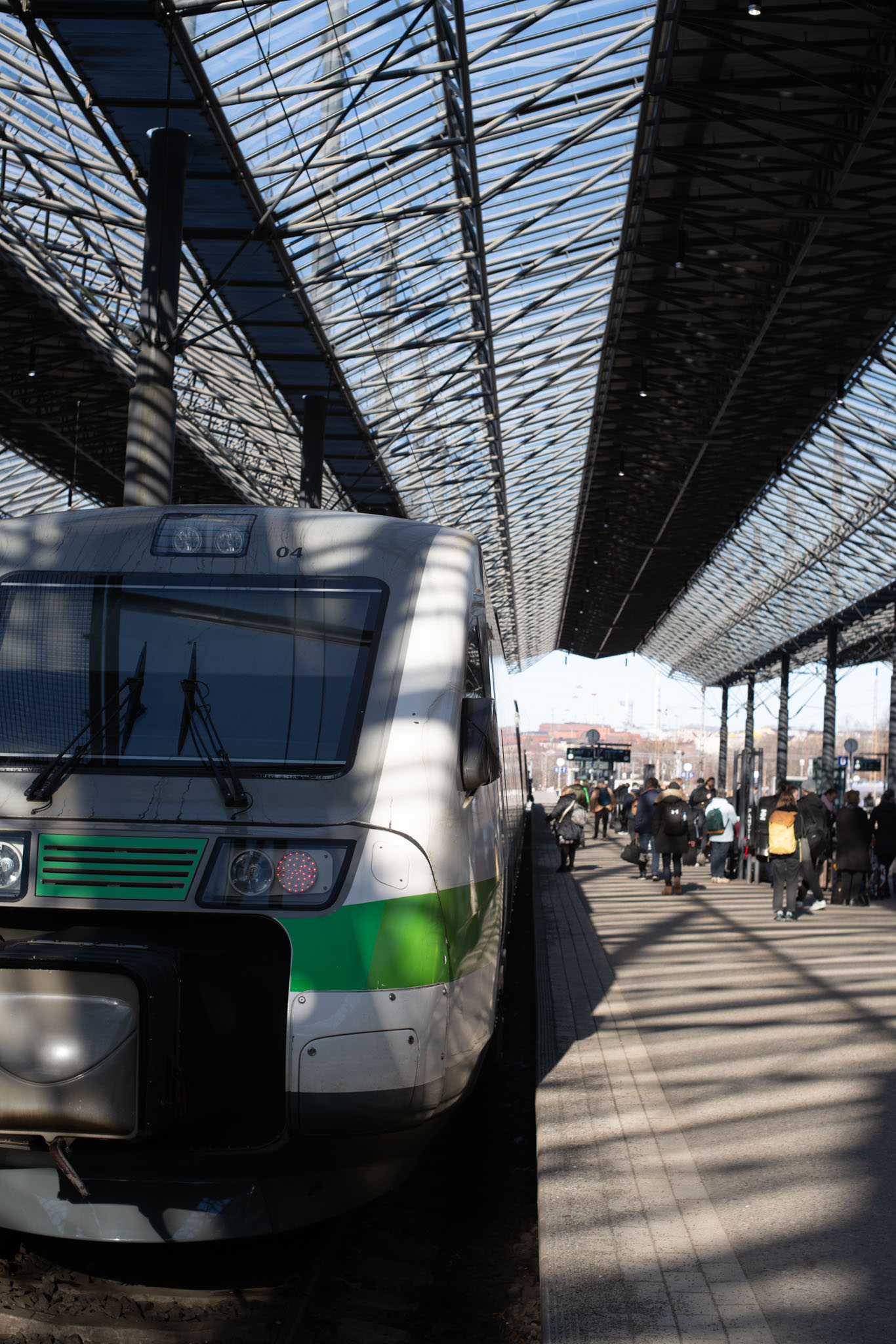
Miranda Auto 50/1.4 @ f/5.6, 1/320 s
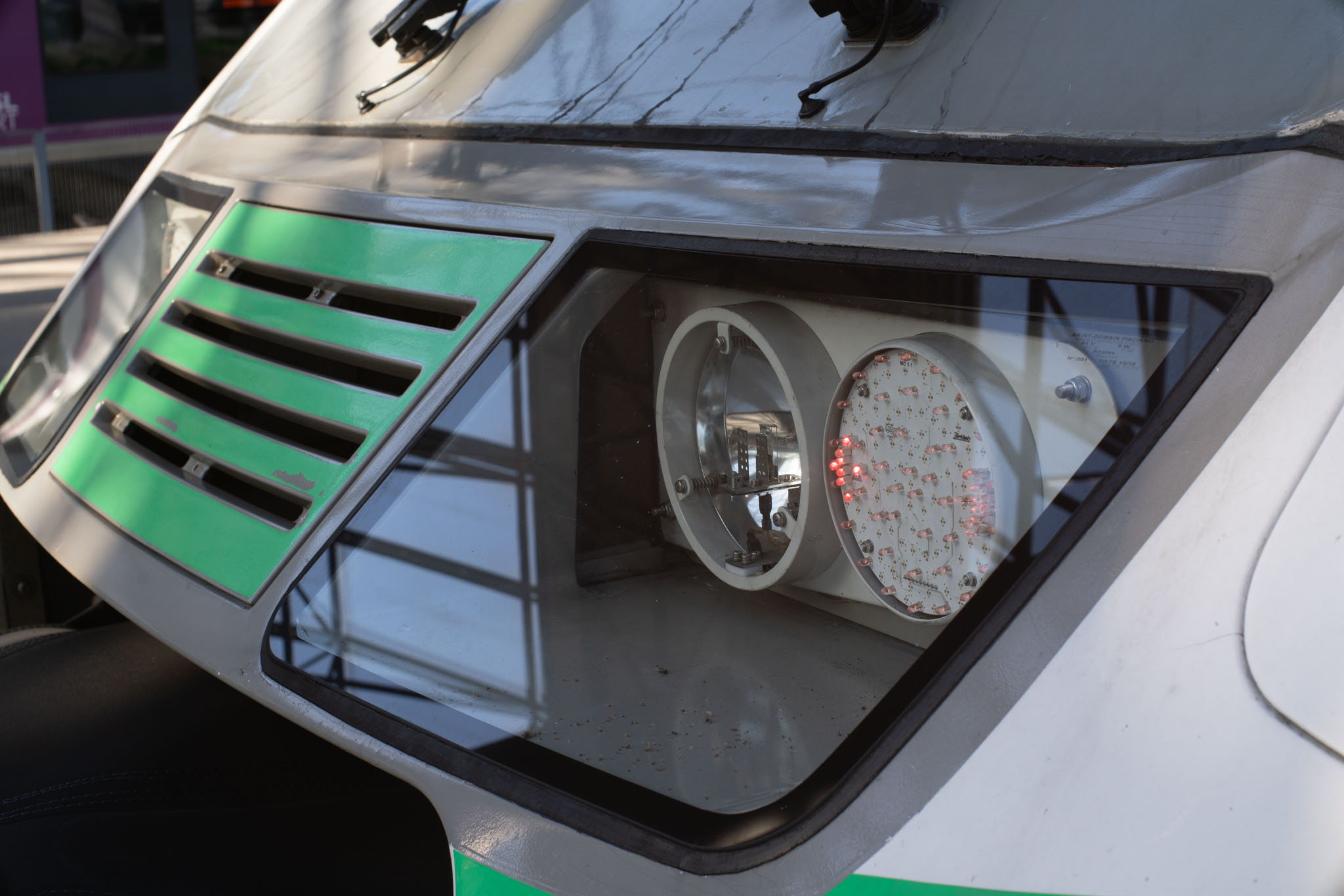
Miranda Auto 50/1.4 @ f/11, 1/80 s
Miranda Auto 50/1.4 @ f/4, 1/640 s
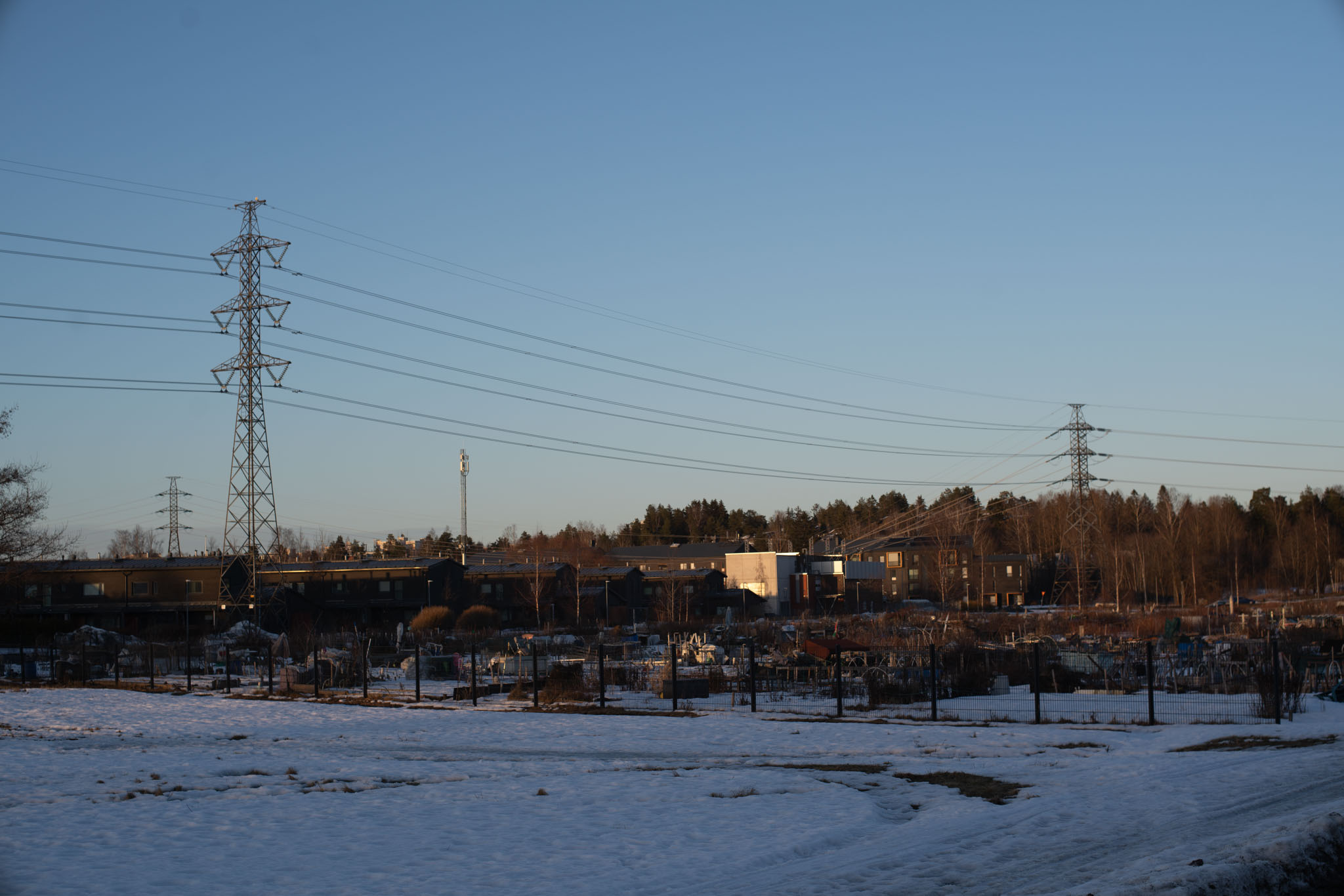
Miranda Auto 50/1.4 @ f/5.6 1/160 s
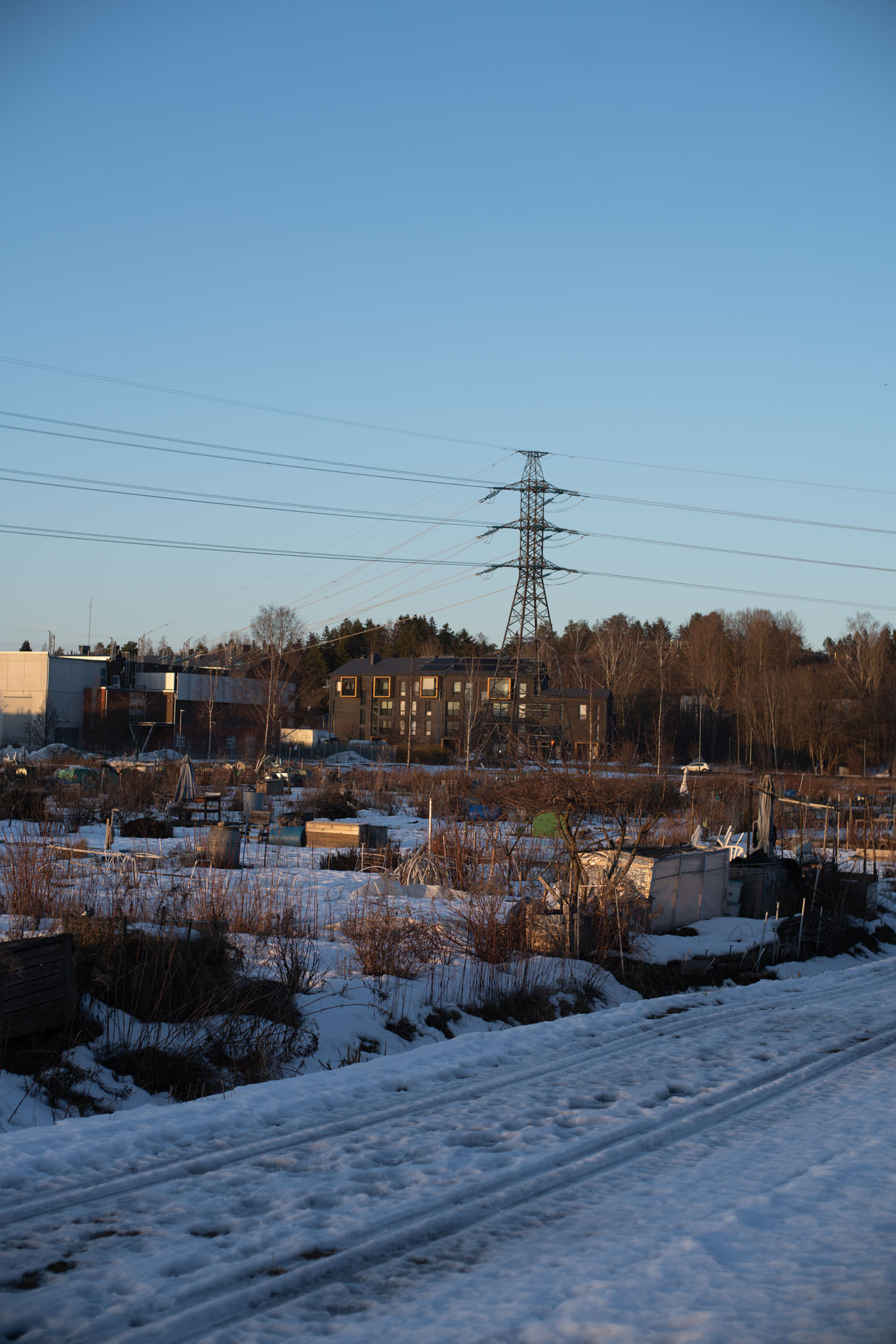
Miranda Auto 50/1.4 @ f/4, 1/250 s
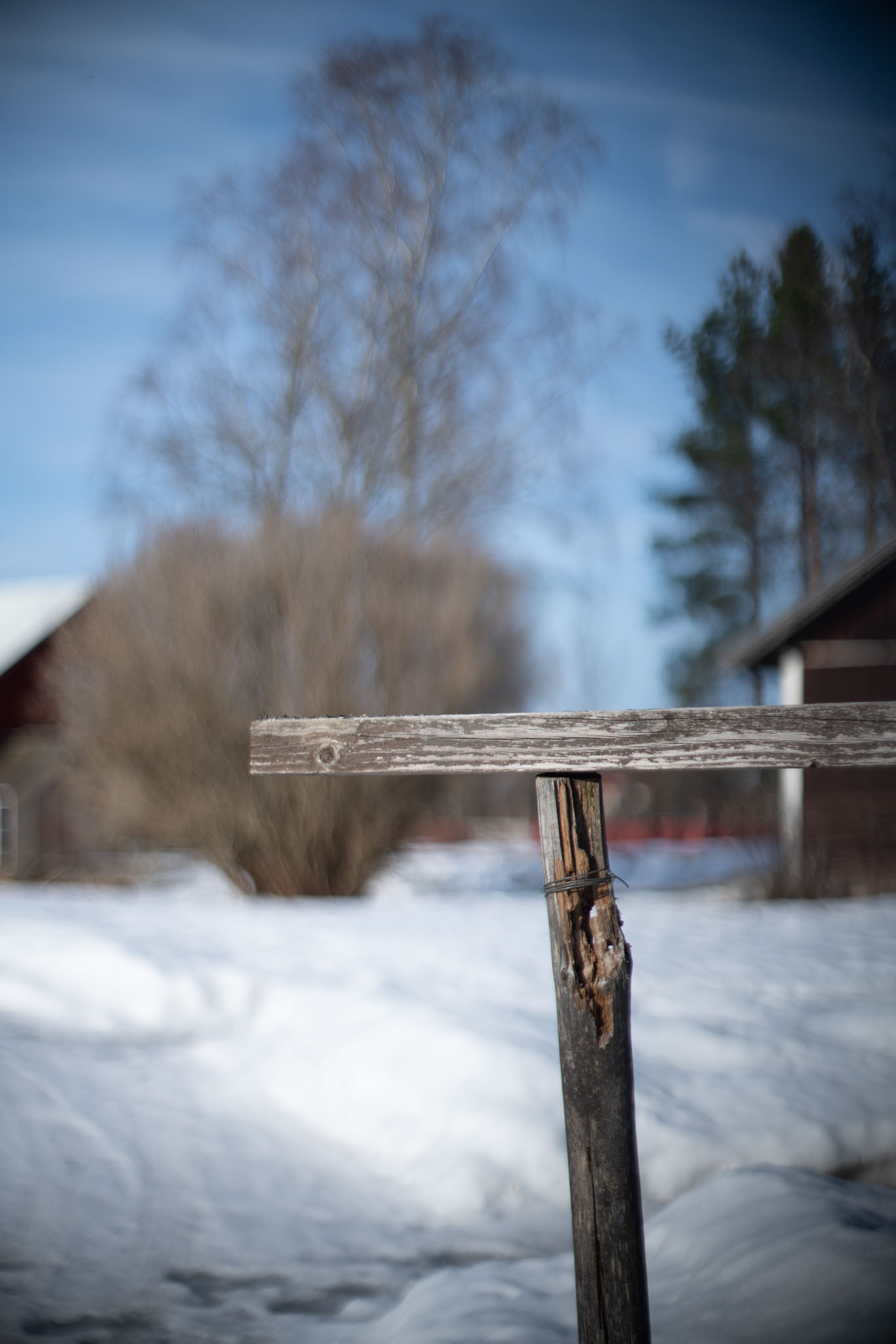
Miranda Auto 50/1.4 @ f/1.4, 1/6400 s
By now you may be aware of the generous two part youtube on the Sensorex with the 8 element. Its a must if you plan to use the body, plus, you get a little loaded when you see how much it has to offer. (I did) So I put my 50 8 element on an adapter for my Fuji X, and since it was evening, I simply stuffed some bubble wrap behind a picture frame inside the woven wire that hangs the thing. While bumping around I accidentally took a shot. Wide
open. The woven wire (about 8 threads) ran from the top right
corner to the lower left. Hand held. I was astonished. Lit by a nearby table lamp, I had edge to edge sharpness, and woven wire never looked dramatic. I have fast 50 Pentax, Fast 50 Rollei, Canon, etc. None of them could produce this amazing shot. Yesterday I got another Sensorex with another 8 Element for 42 bucks. A quick Zeiss cleaning cloth and another beautiful piece of glass. This time I’ll try falling out the window and see how it goes…