Pekka Buttler, June 2026
(Featured image: Another unhappy clown
Konica Hexanon AR 57 mm f/1.4 @ f/5.6, 1/200 s and ISO 100 )
Introduction and version history
First off, you can also access the lens’ data sheet.
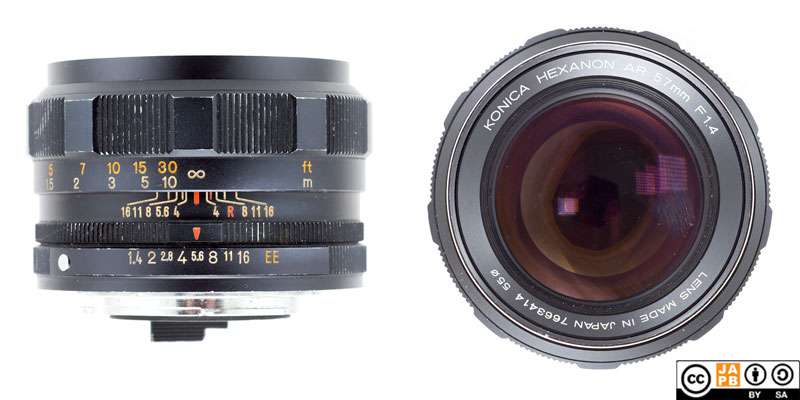
In tandem with the 1965 launch of the Konica Auto-Reflex (and the Konica AR mount), Konica also launched a comprehensive series of lenses, including three wide-angle lenses (21–35 mm), two standard primes, five tele lenses (85–800 mm) and one zoom. While most of these lenses were carry-overs from the existing lineup of Konica lenses for the Konica F-mount, the two widest lenses (21/4 and 28/3.5), and the zoom were new lenses. And so was the system’s new fast fifty.
The Konica Hexanon 57 mm f/1.4 was a new design for Konica and it replaced the Konishiroku 52 mm f/1.4 that had been the fast standard lens for the Konica F mount. Alike many 1960s fast standard lenses it uses a slightly narrower field of view (i.e. 55–58 mm focal length) in the hope of being able to better address optical aberrations1. In this, the new 57/1.4 design replaced the previous Konica 52 mm f/1.4 lens for the F-mount [data sheet]
The resulting design is based on 6 elements in 5 groups and its quality is widely seen as one factor in the subsequent success of the Konica AR system. As a result, Konica kept the optical design through three cosmetic variations (see below) and transitioned to a 50 mm f/1.4 design [data sheet] only in 1973, among the last of the big players2.
Cosmetic variants
There are three main variants of this lens, and all sources indicate that no optical changes were made to the design (except that the coatings might vary a bit).
• The first variant (1965–67) had a silver ring combined with a glossy black finish (A-type)3. Some early samples lack the aperture ring detent for auto exposure (here still referred to as ‘EE’). Some lenses branded ‘Revue’.
• The second variant (1967–70) had a silver ring combined with a satin black finish (B-type). All samples have the ‘EE’ detent, but some early samples lack the AE/EE lock feature (here still referred to as ‘EE’). Some lenses branded ‘Revue’.
• The third variant (1970–73) was in an all-black satin finish with metal focusing ring (C-type). The tested sample is of this variant.
Hence, while the tested sample is from the 1970s, the fundamental optical design is that of a mid-60s lens. Let’s see how it performs.
Ergonomics
Konica AR lenses in general
The Konica Hexanon AR4 lenses use the Konica AR lens mount. The Konica AR mount is a relatively typical male bayonet mount that is different in two respects5, neither of which impact adapting these lenses to mirrorless cameras. The availability of Konica AR adapters is good, and adapters can be had in all price brackets (from premium to medium to noname adapters). Using Konica AR lenses on your mirrorless camera also necessitates no setting rings or aperture engagement switches:
– Insert your Konica AR lens into your Konica AR adapter.
– Twist and listen for a click
– Go out and shoot.
My copy of the Konica AR 57/1.4
My copy (pictured) of the Konica Hexanon AR 57 mm f/1.4 is of the variety that has already lost the silver/aluminium ring that characterises many earlier Konica lenses but has not yet adopted the rubberised focus ring typical of later Konica lenses.
As usual, there are those who like and appreciate rubber focus rings, and then there are those who don’t. In terms of ergonomics, I find the metal focus ring typical of C-type lenses to be suitably grippy. The focus ring action of Konica lenses almost invariably requires a wee bit more force than many other lenses. Even when using fleece gloves I find the metal focus rings to do their job very well.
My main complaint with the otherwise very fine Konica AR lenses is always the aperture ring, as it has two characteristics that I have no love for: First, the lenses have an Auto exposure mode that is always just one (admittedly longish) step beyond minimum aperture. Hence you can enter this auto exposure mode (coded as EE on older and AE on newer lenses) accidentally, but you need to press a button on the aperture ring to exit the auto mode. And unless you know your Konica lenses intimately, you may need to remove the camera from your eye to find that button.
Secondly, the click stops of Konica lenses are often on the noisy, even raspy side. Konica lenses originally always offered half-stop clicks (and this lens is among those) before moving to offering only full-stop clicks. While there are some differences in the raggedness of those clicks from one Konica lens to another, this is one of those lenses where – at the risk of going over into mild exaggeration – moving the aperture ring feels like something you’re doing something you’re not supposed to do. As a result, you often need a fair bit of force to get the aperture ring moving, and once you get it to move, you have to pay attention and count the number of clicks (because very often you get more clicks than you wanted).
Importantly, while these are features that work agains the modern photographer who is using his Konica lenses adapted to one or other mirrorless system, on the original Konica Auto-Reflex system you only used the aperture ring when you wanted to manually adjust your exposure (and with the majority of Konica users that was: rarely).
Please note though that while I like to make unappreciative noises about the aperture rings on Konica Hexanon lenses, I have never been annoyed enough by them to leave a Konica lens at home. Also, I have noticed that with time I have learned to deal with both limitations as only mild annoyances.
Konica was an early believer in filter thread standardisation and with the exceptions of some extreme wide-angle lenses, exceptionally bright lenses, bright tele lenses and some zoom lenses, 55 mm is the Konica filter thread diameter. This helps, because one can pack a wide range of Konica primes in their backpack and make do with only one set of filters.
This also means that you mostly can use the same lens hoods across several lenses (as long as they do not cause hard vignetting). While Konica produced snap-on rectangular lens hoods only for wider lenses (24–28 and 35 mm), even these can be used to guard against oblique rays. Similarly the thread-mounted hood of the Konica 100/2.8 lens works perfectly from the 57/1.4 all the way to the 135/3.5
As usual, the walk-around was conducted without either lens hoods not filters.
Setting the scene:
This walk-around is based on three distinct sets of imagery
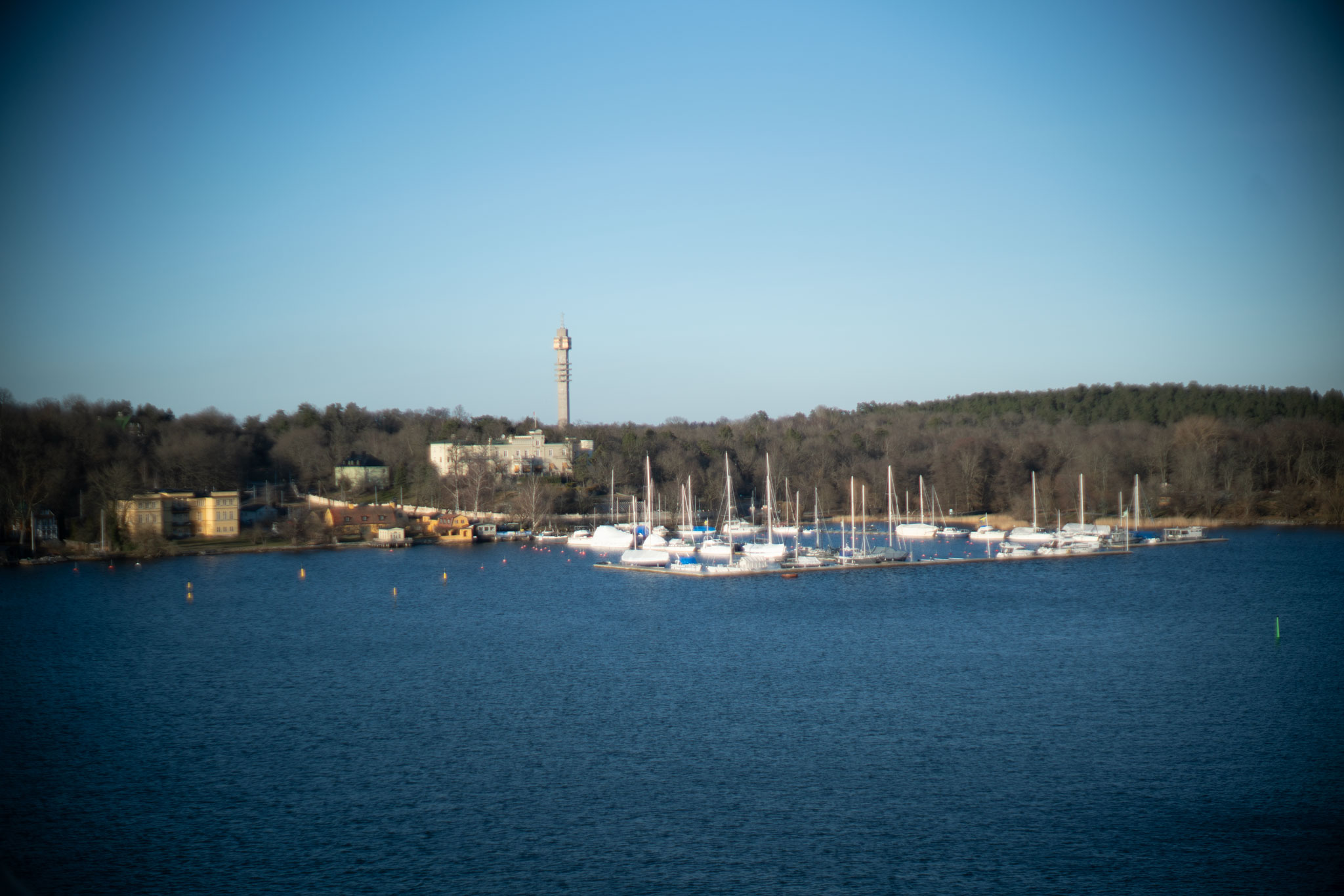
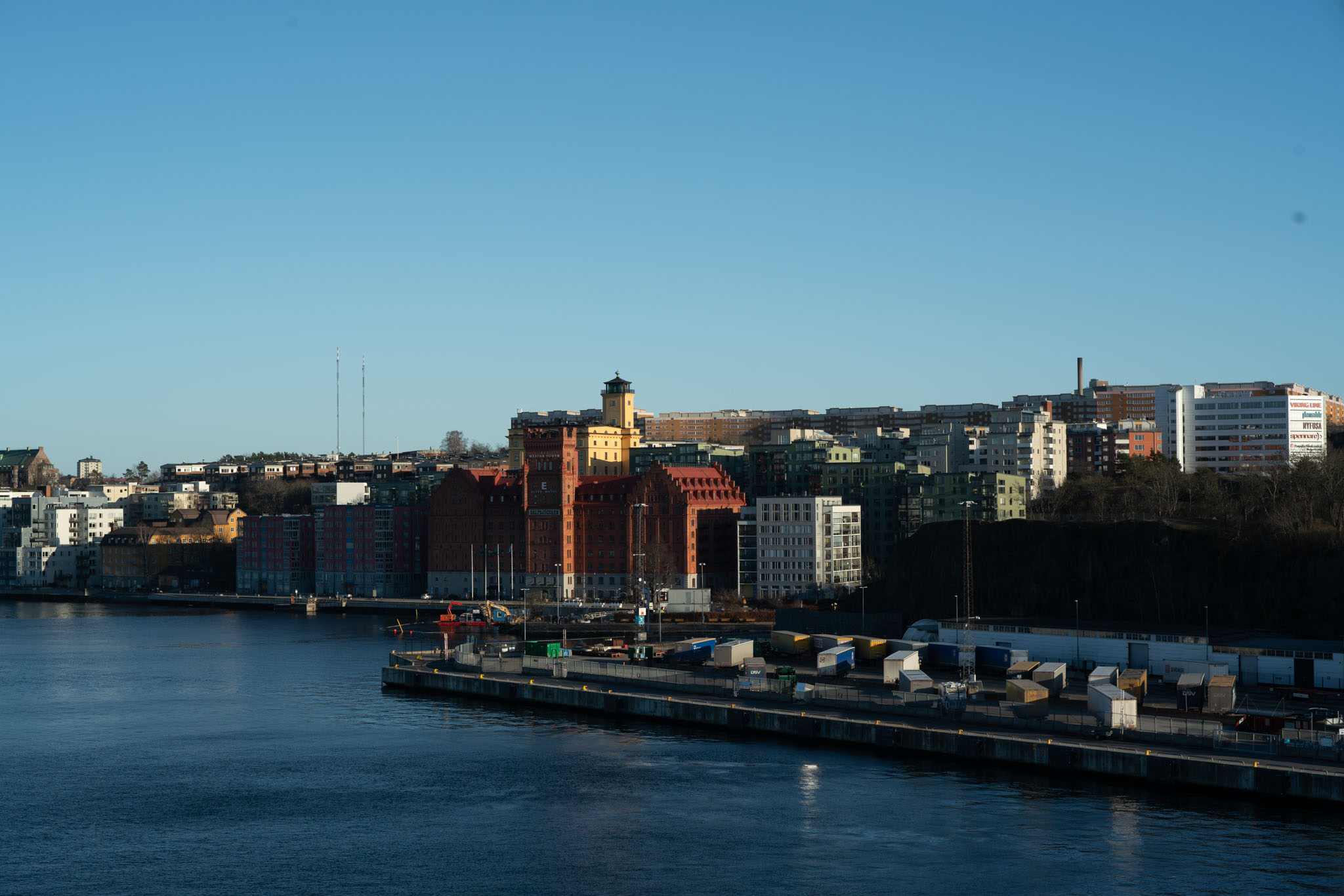
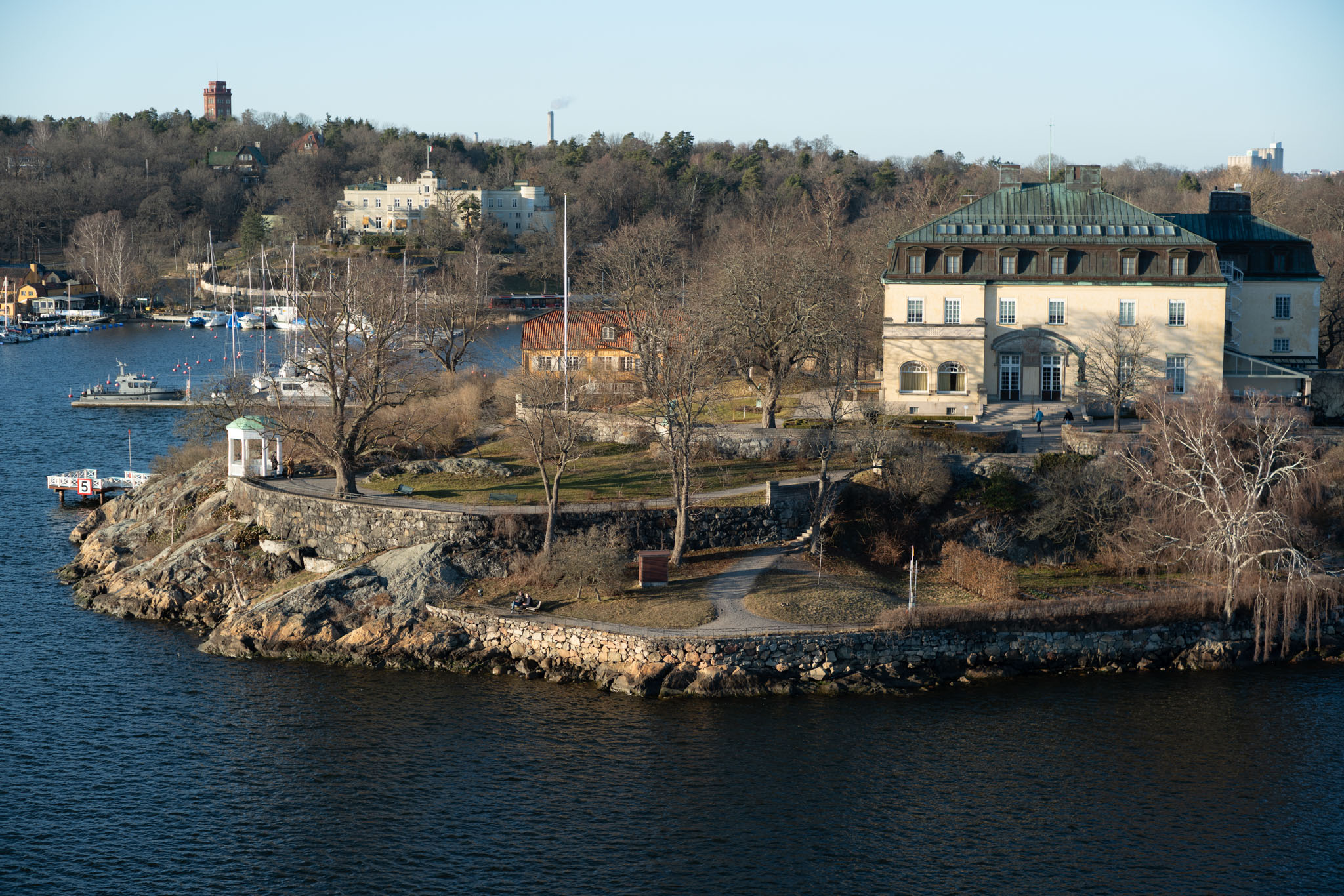
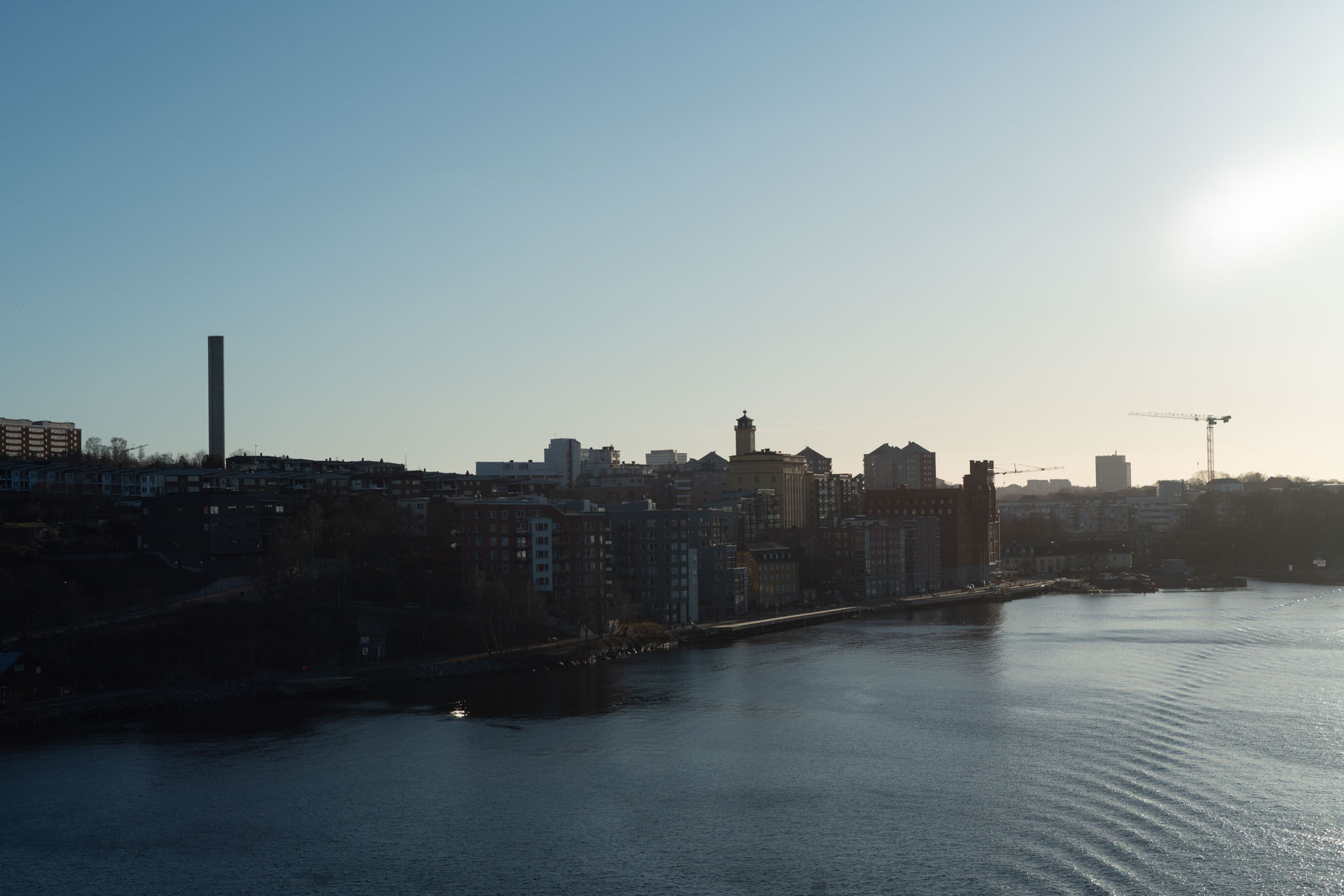
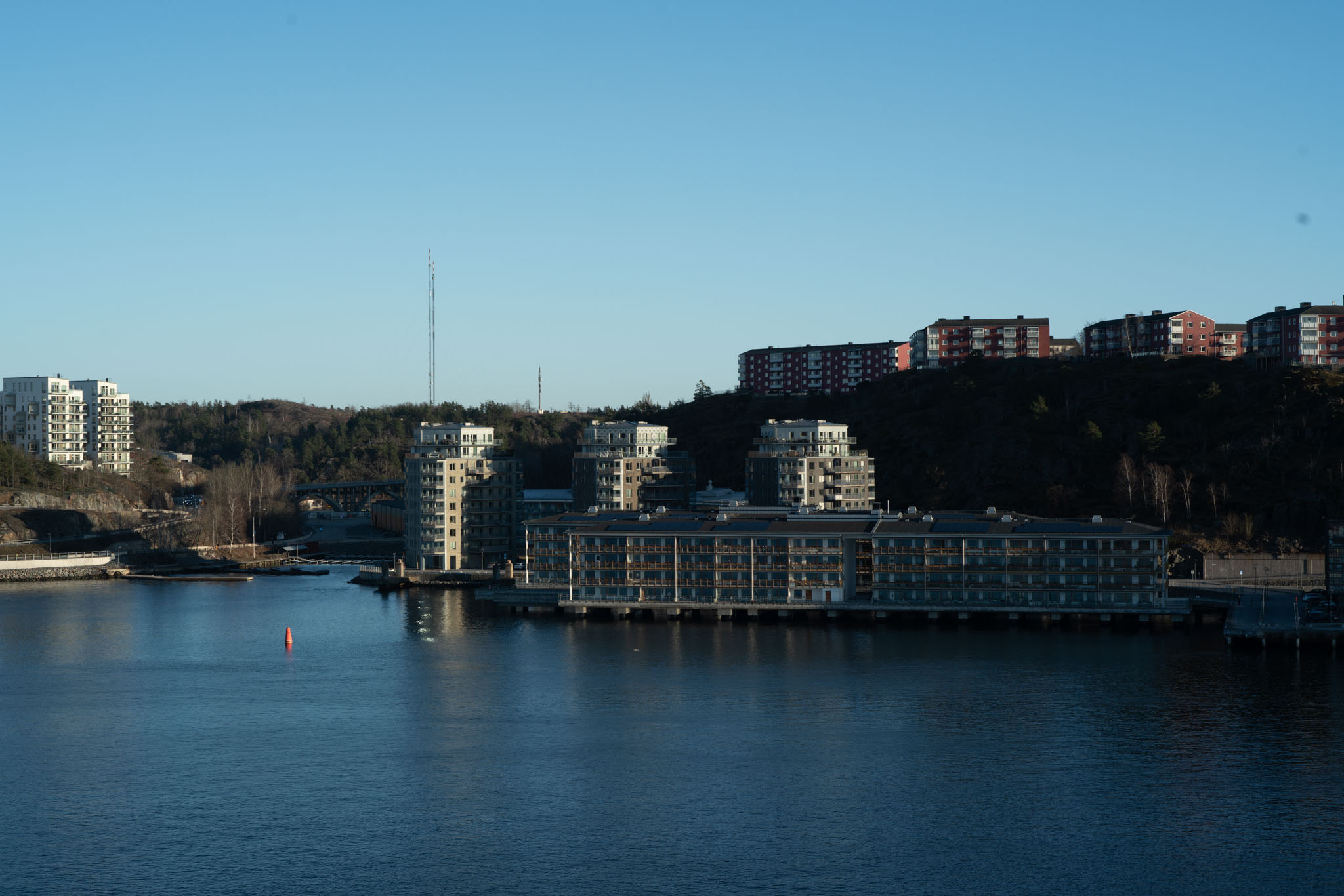
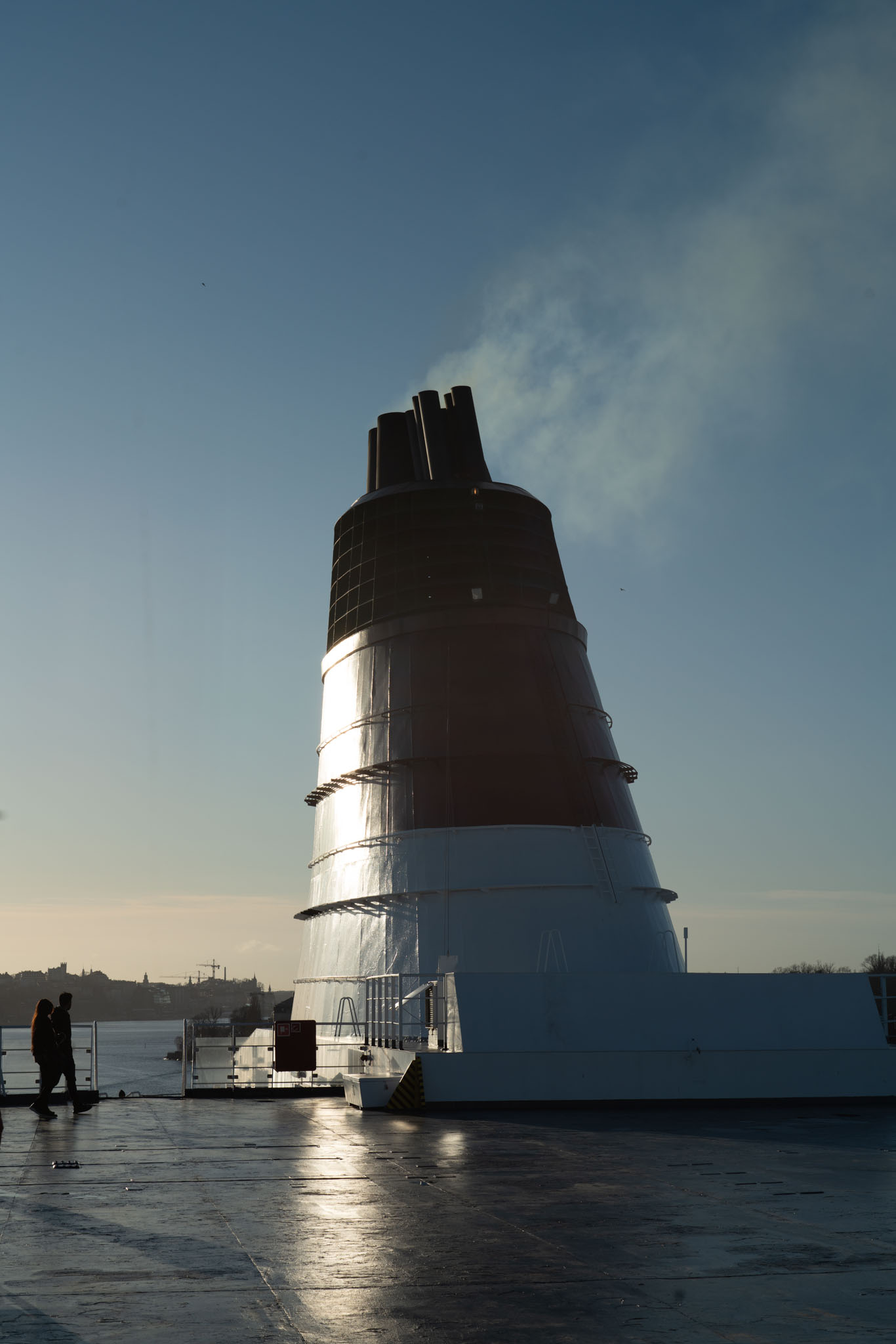
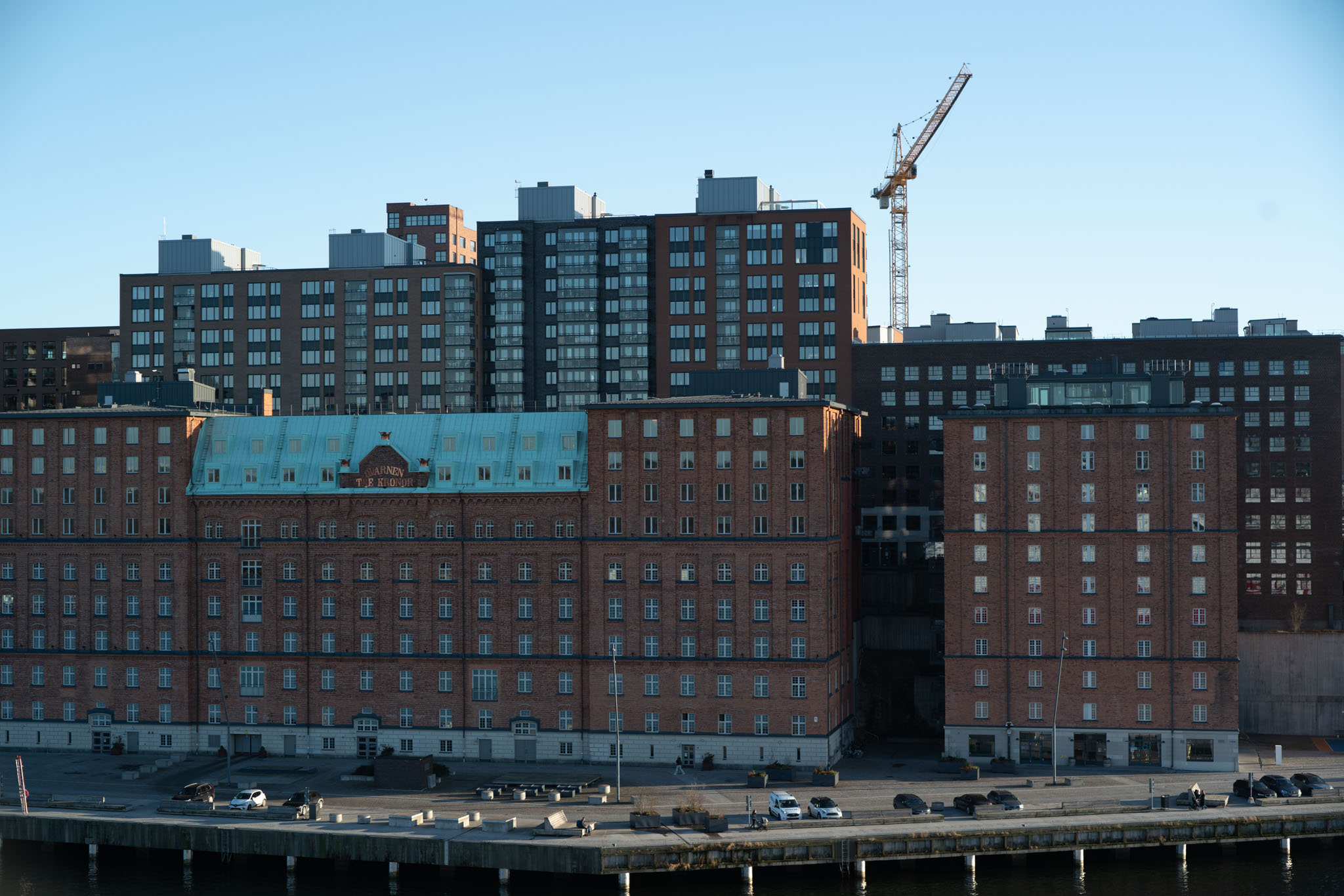
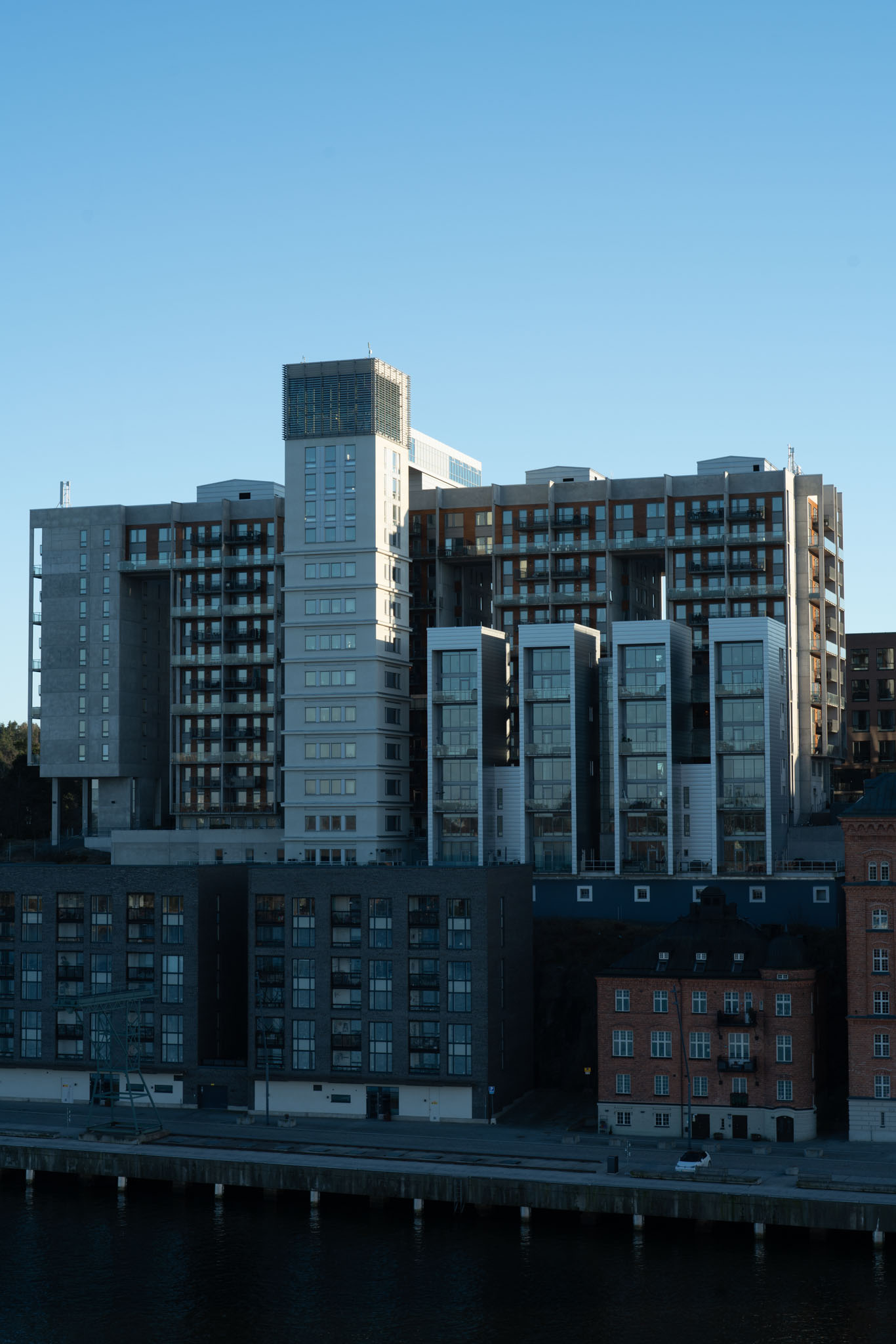
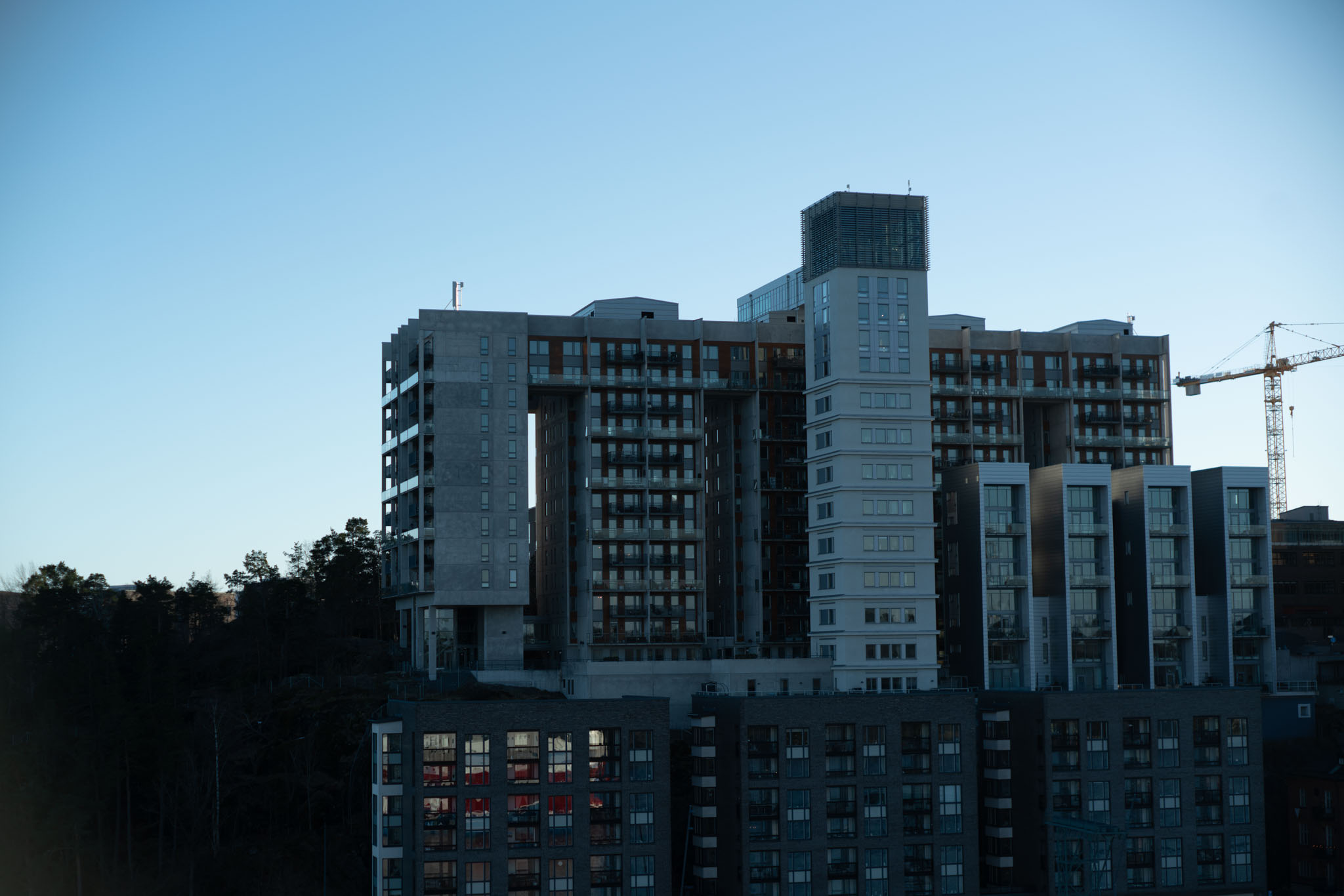
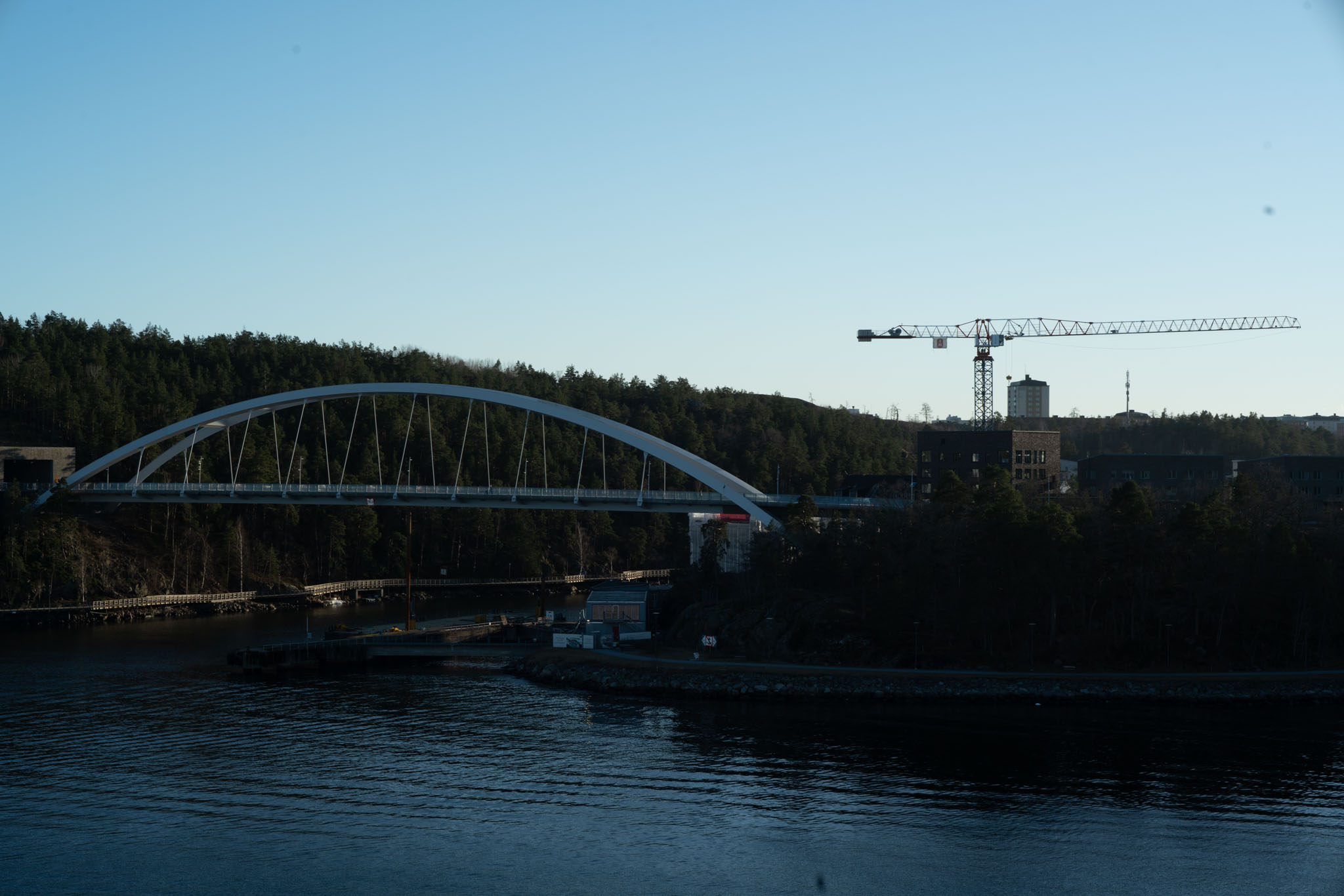
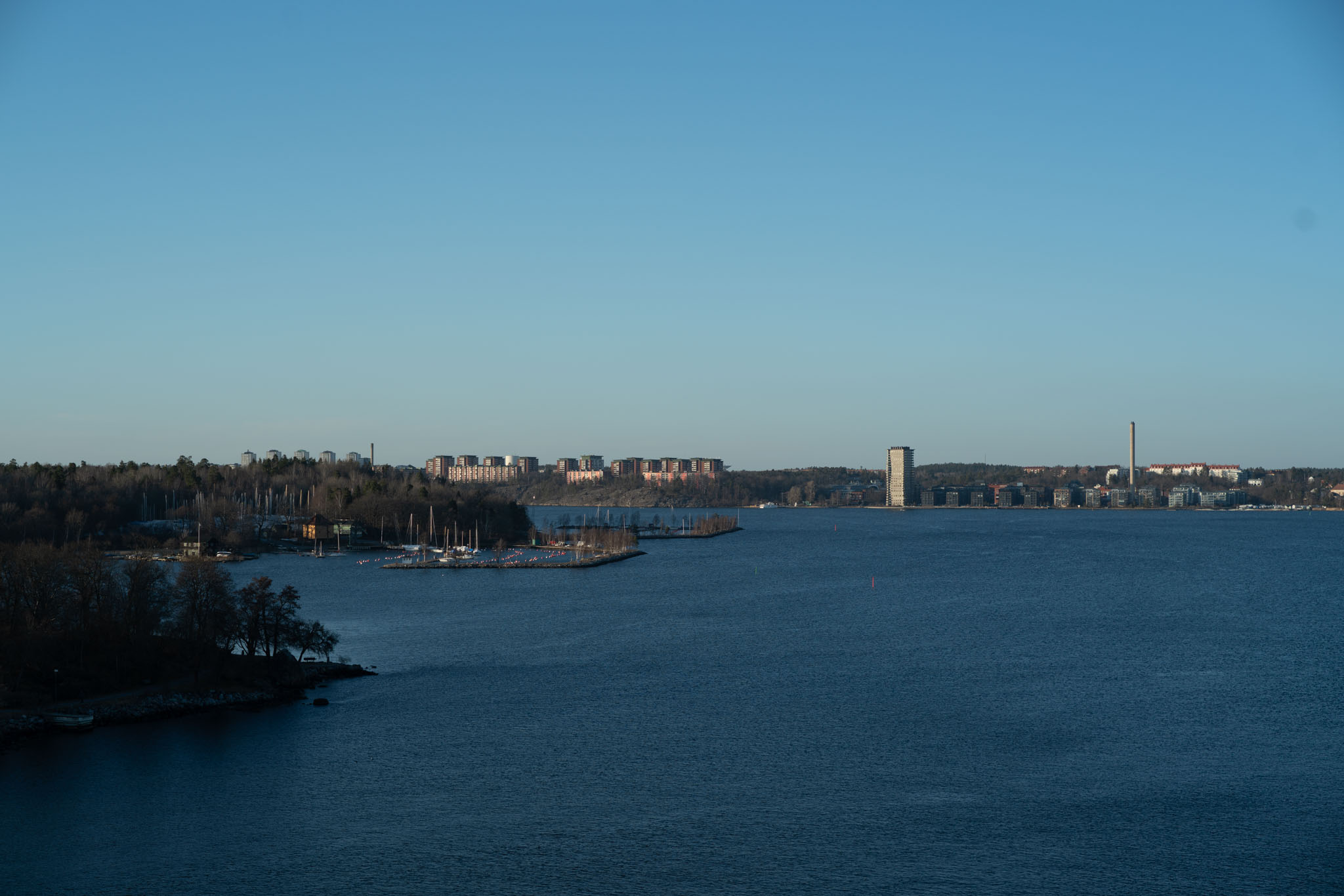
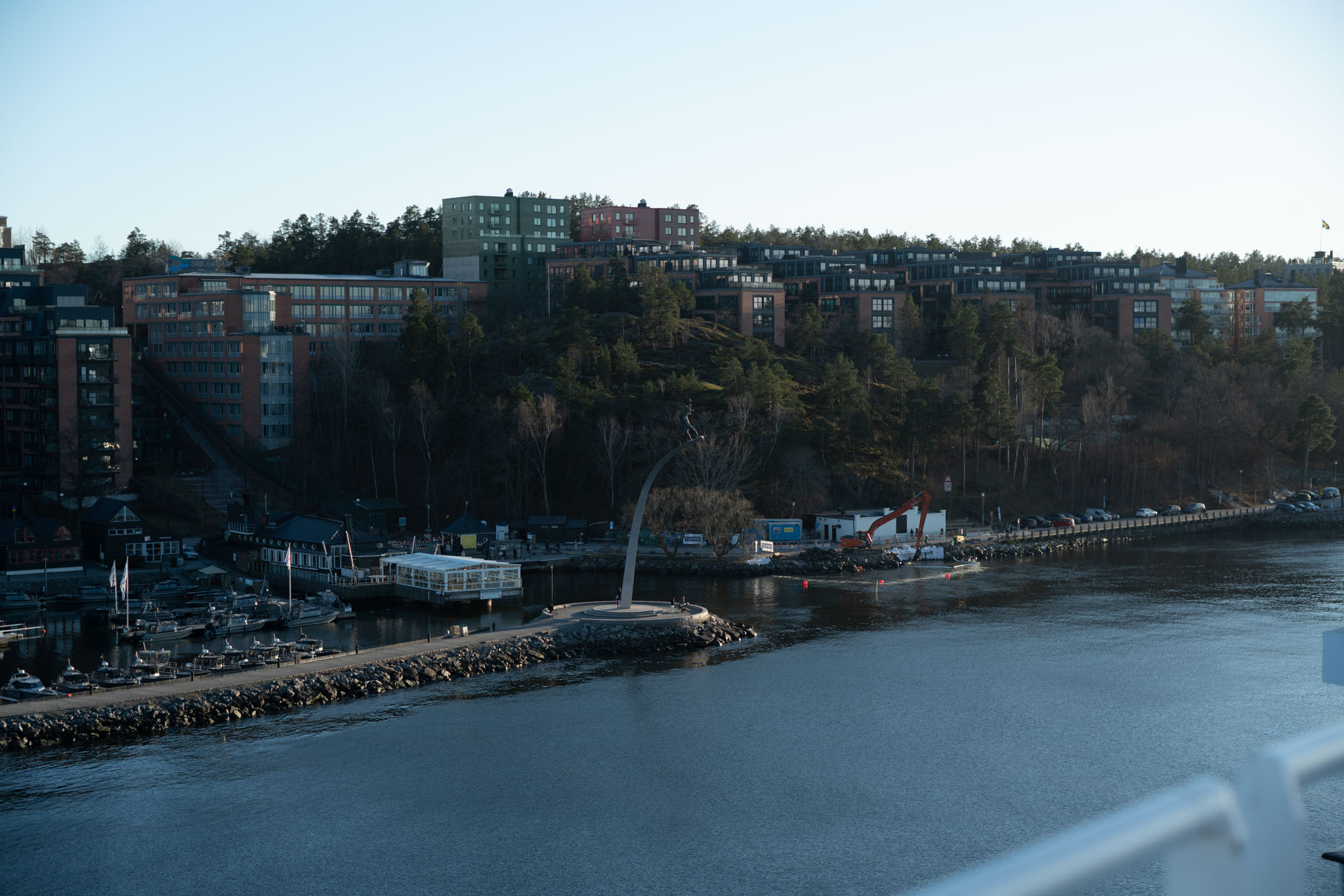
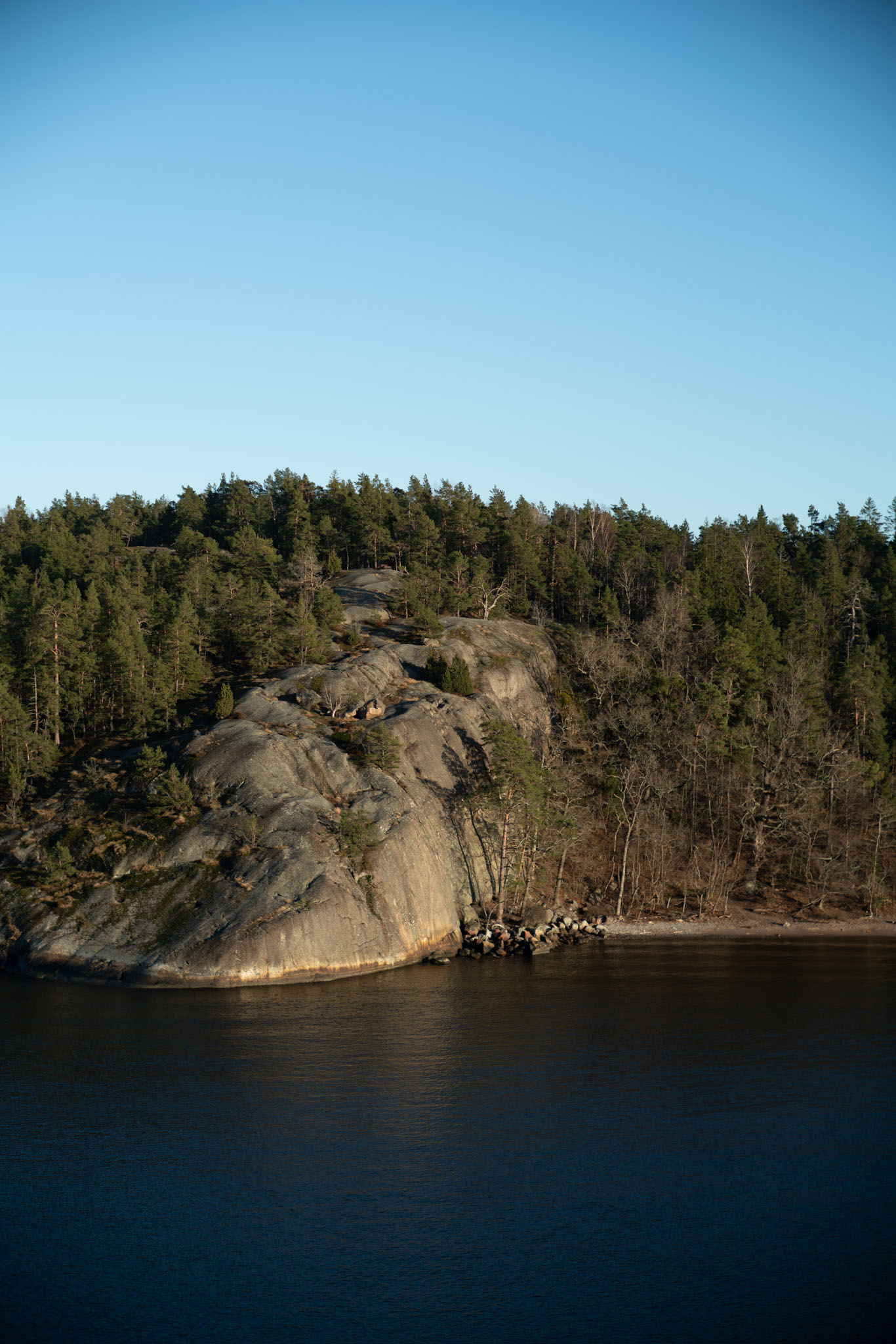
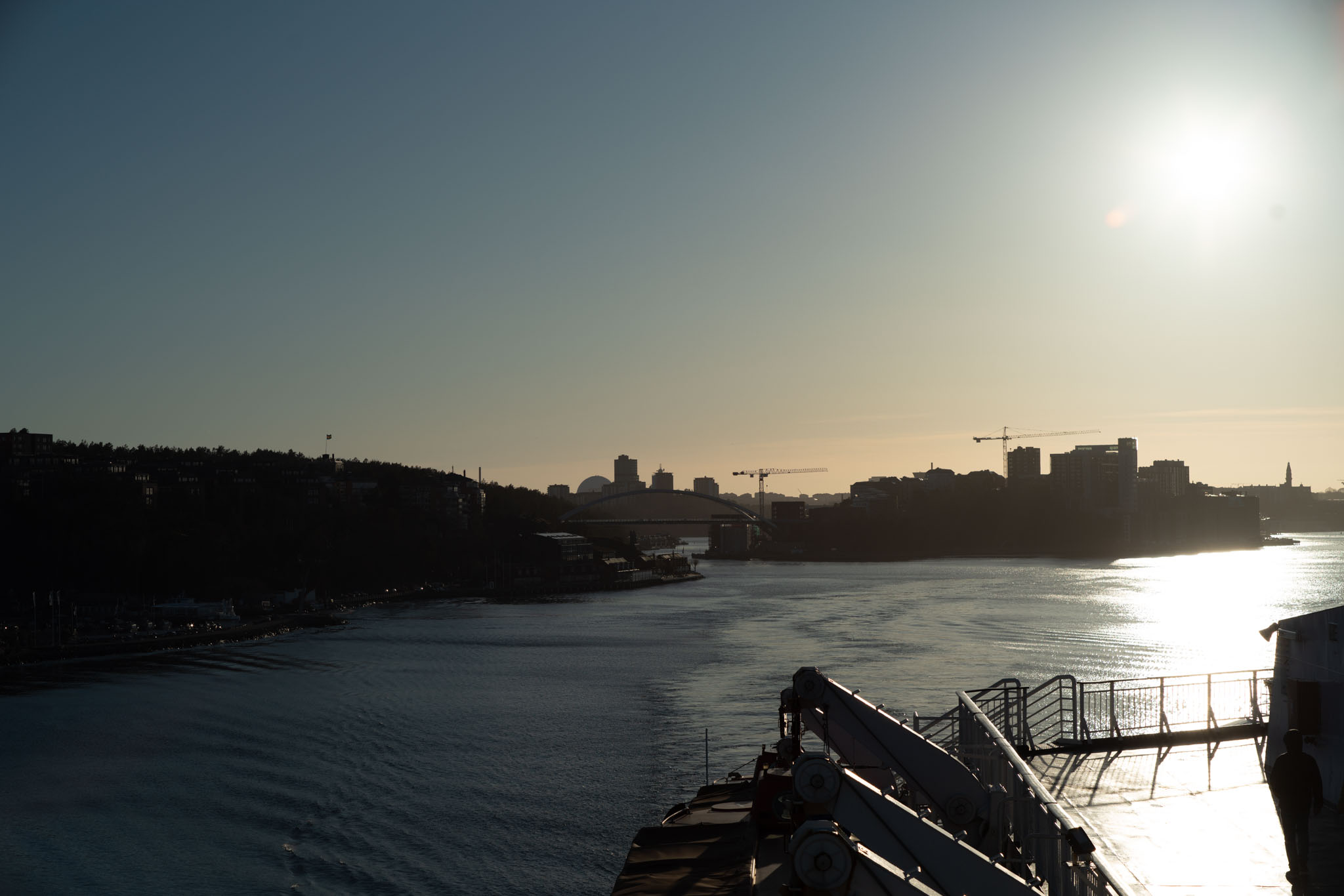
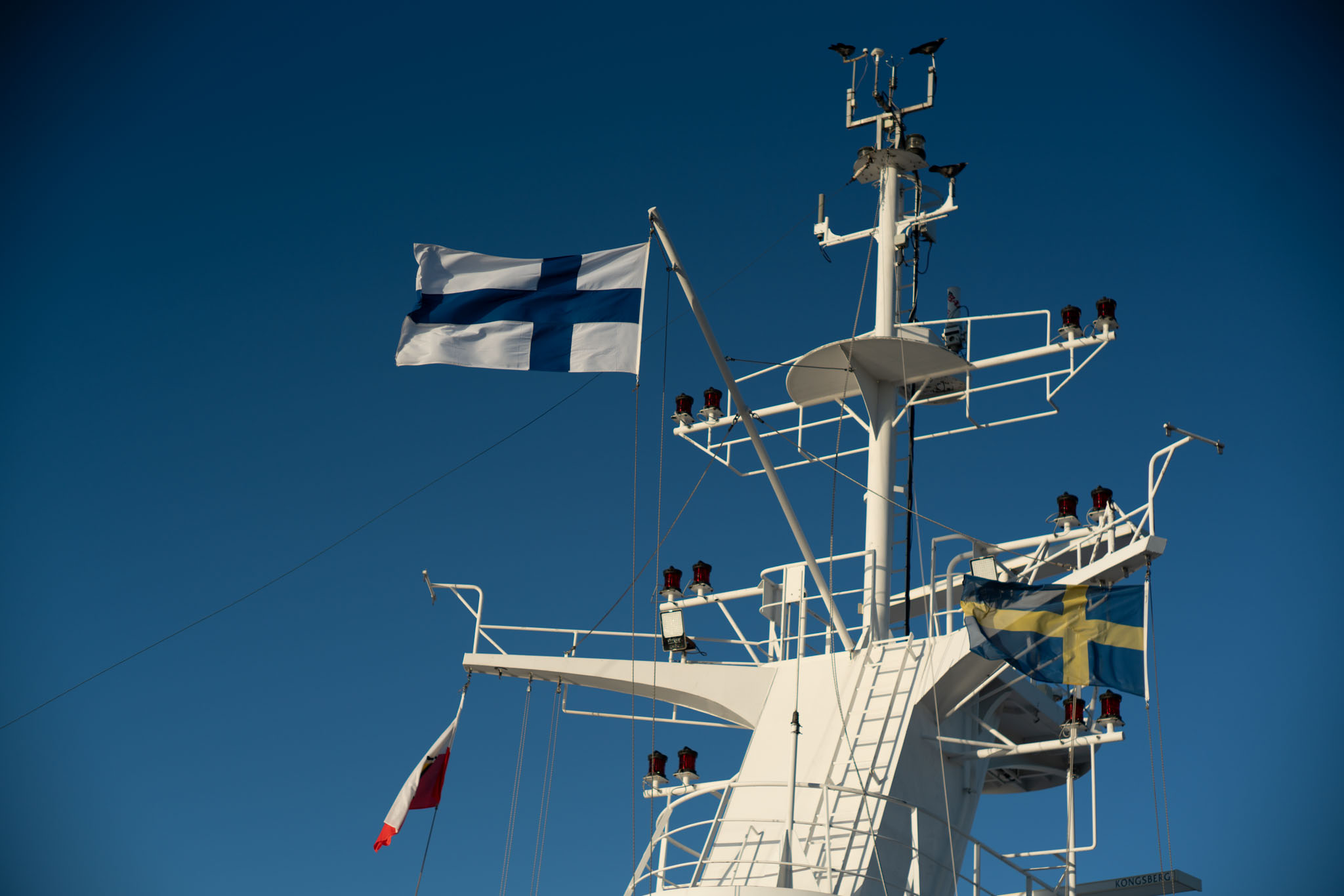
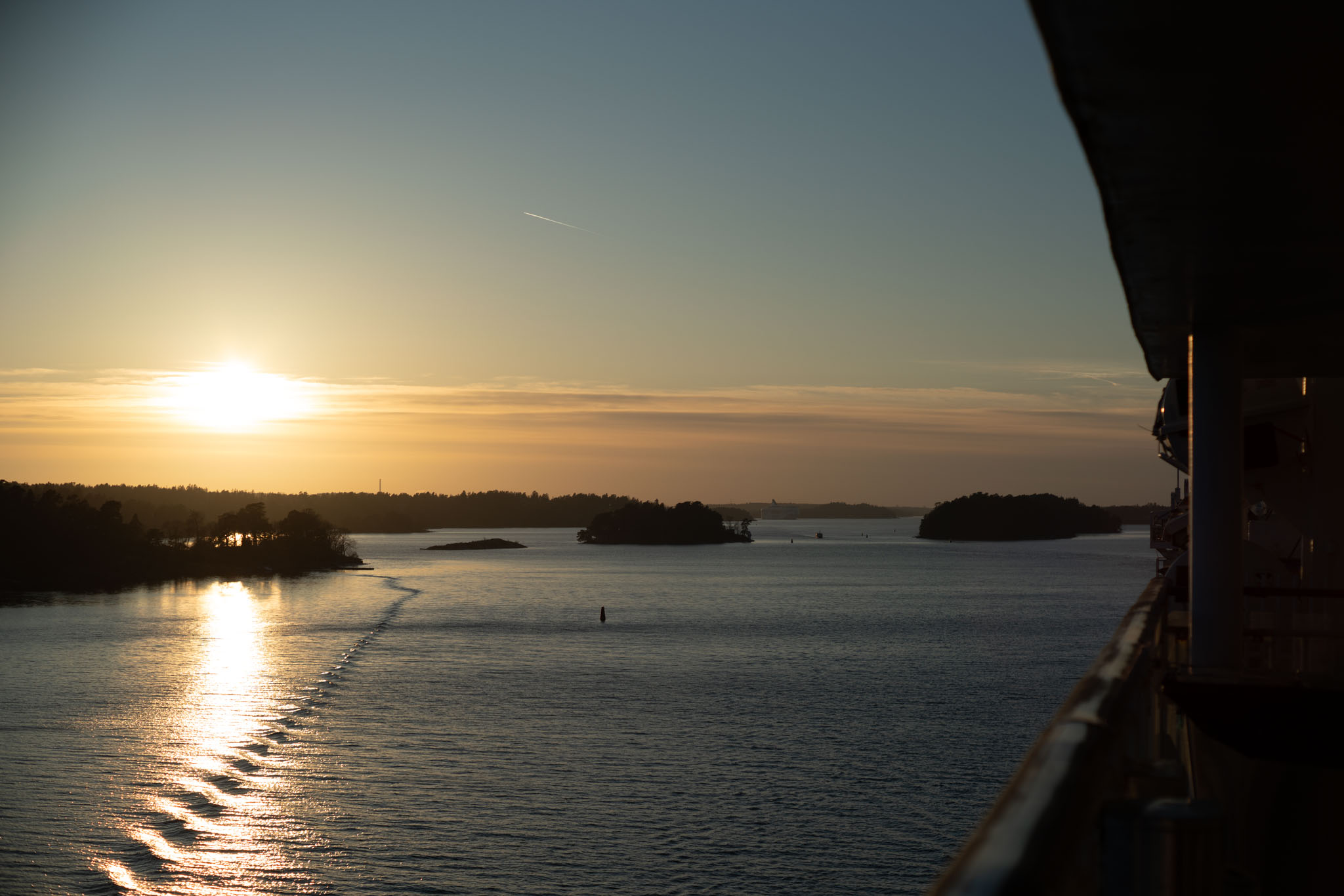
Set No 1 starts on the 17th of March after me boarding a ferry in Stockholm and starts with some shots of the ferry and the exit from Stockholm harbour in the evening sun.
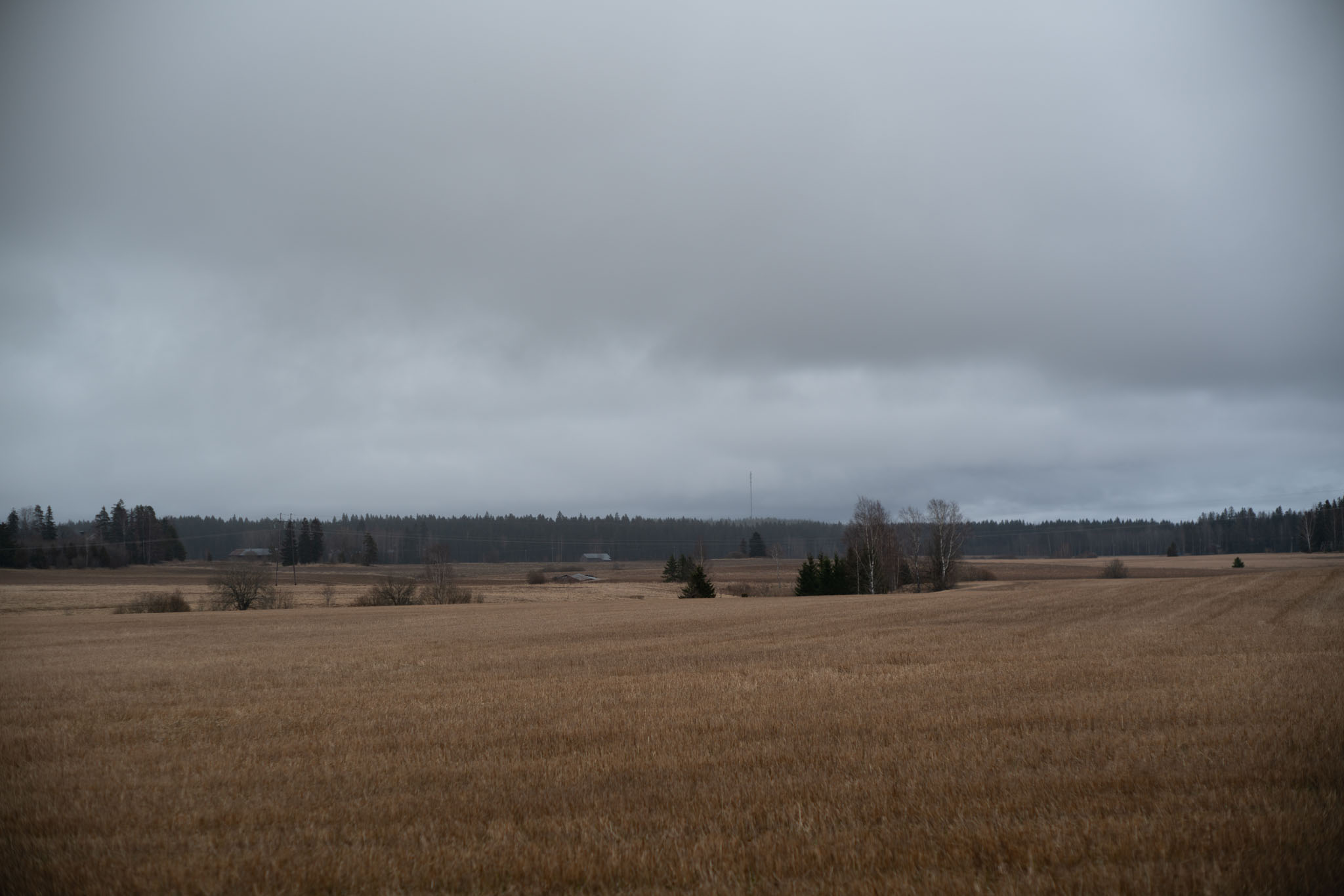
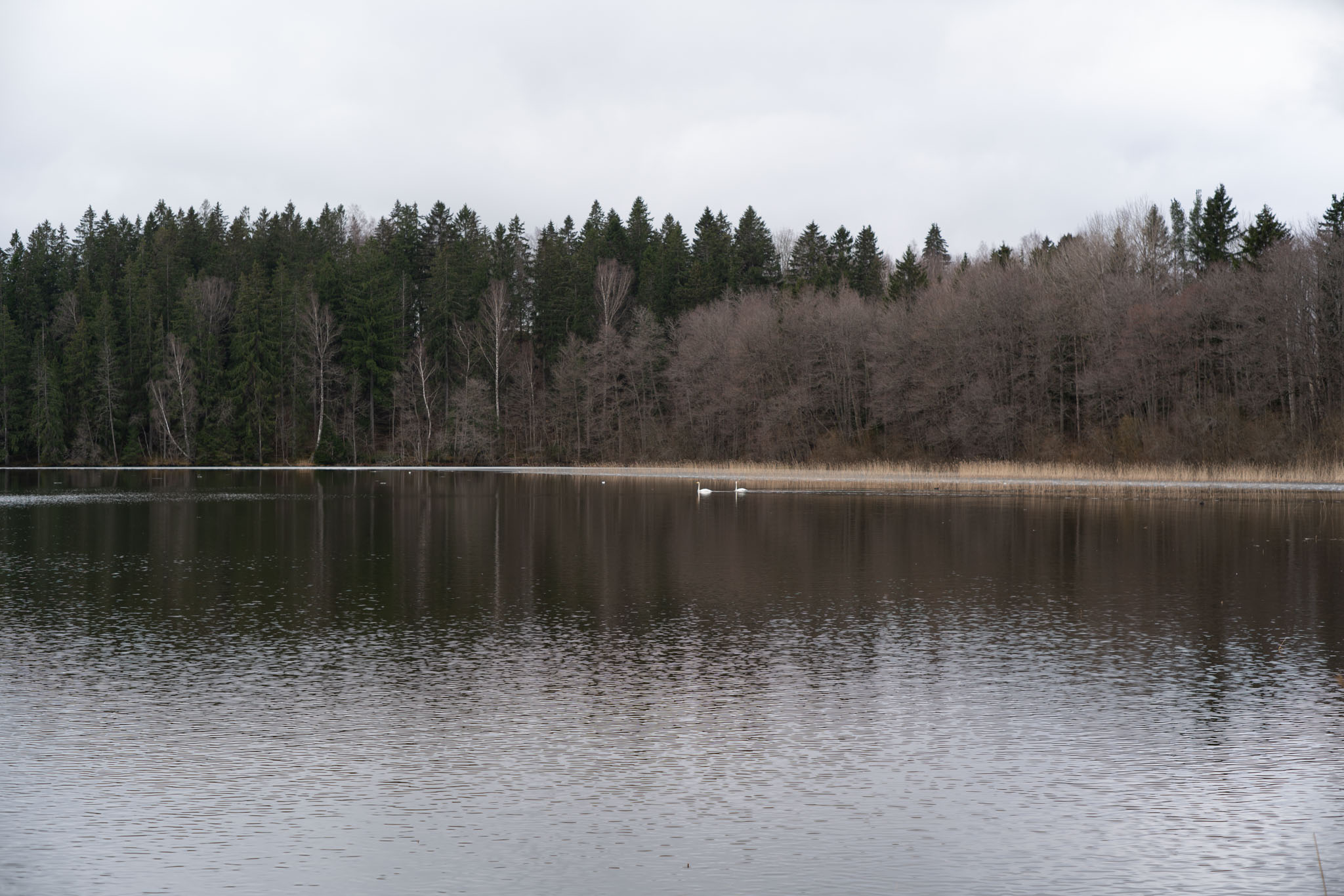
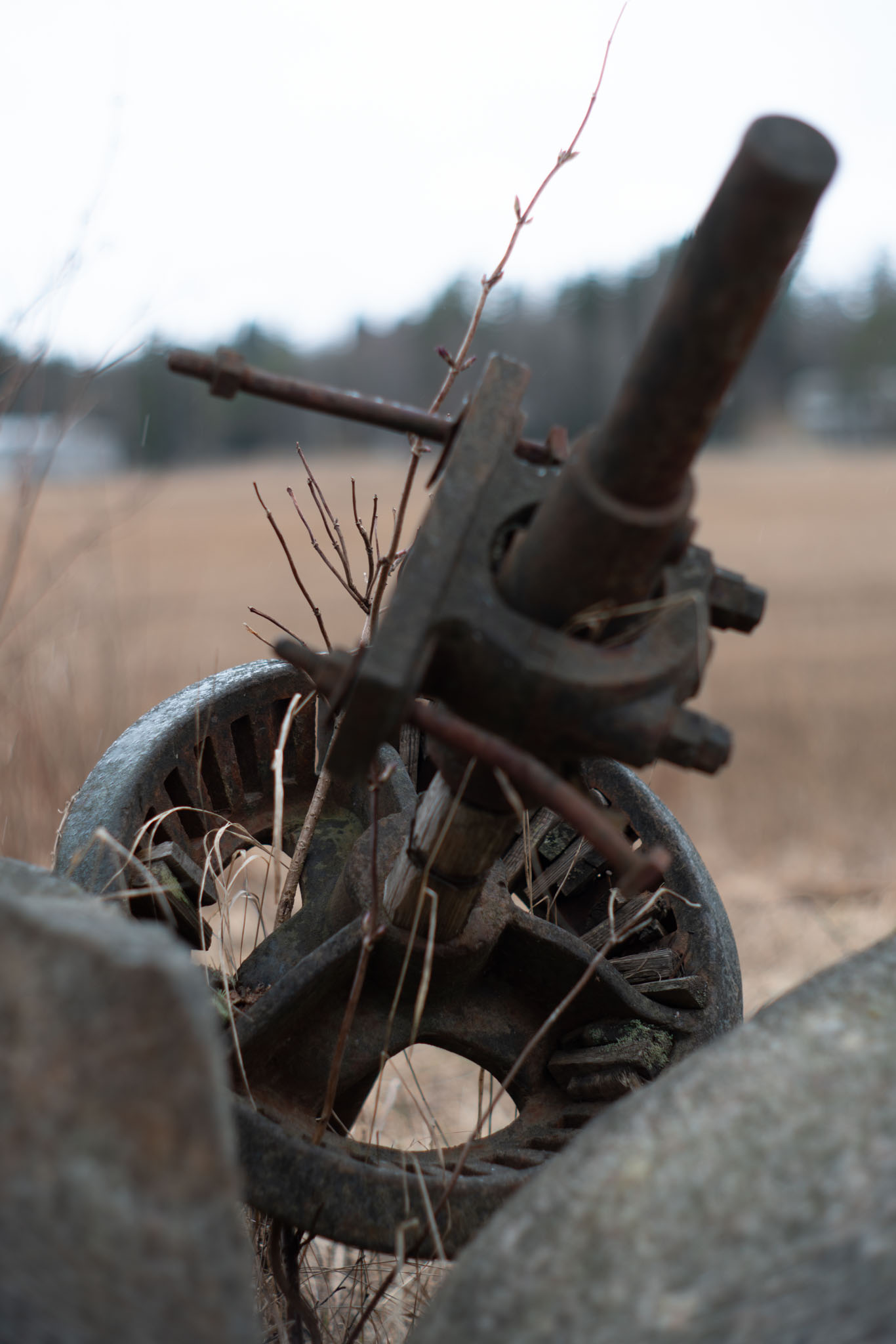
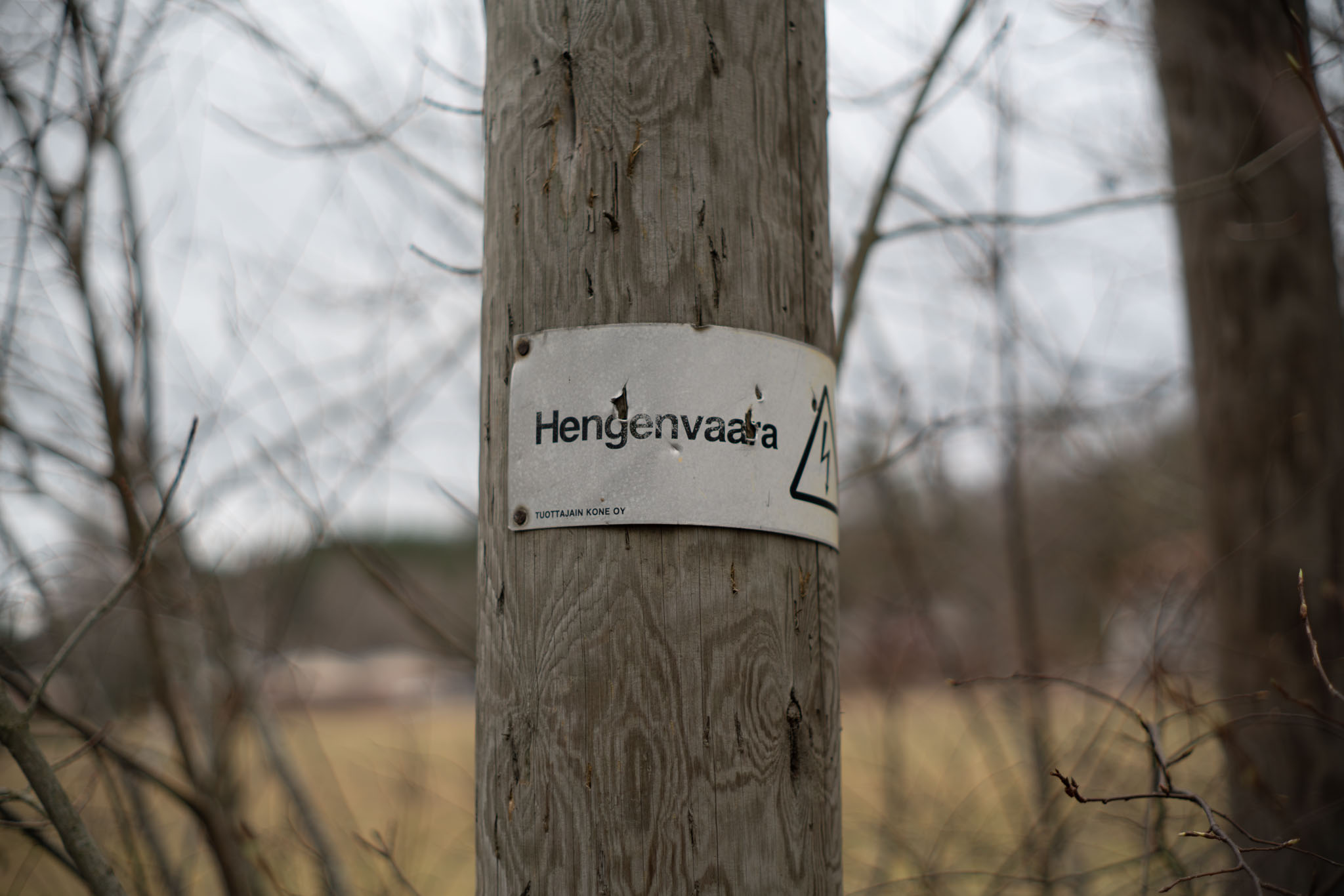
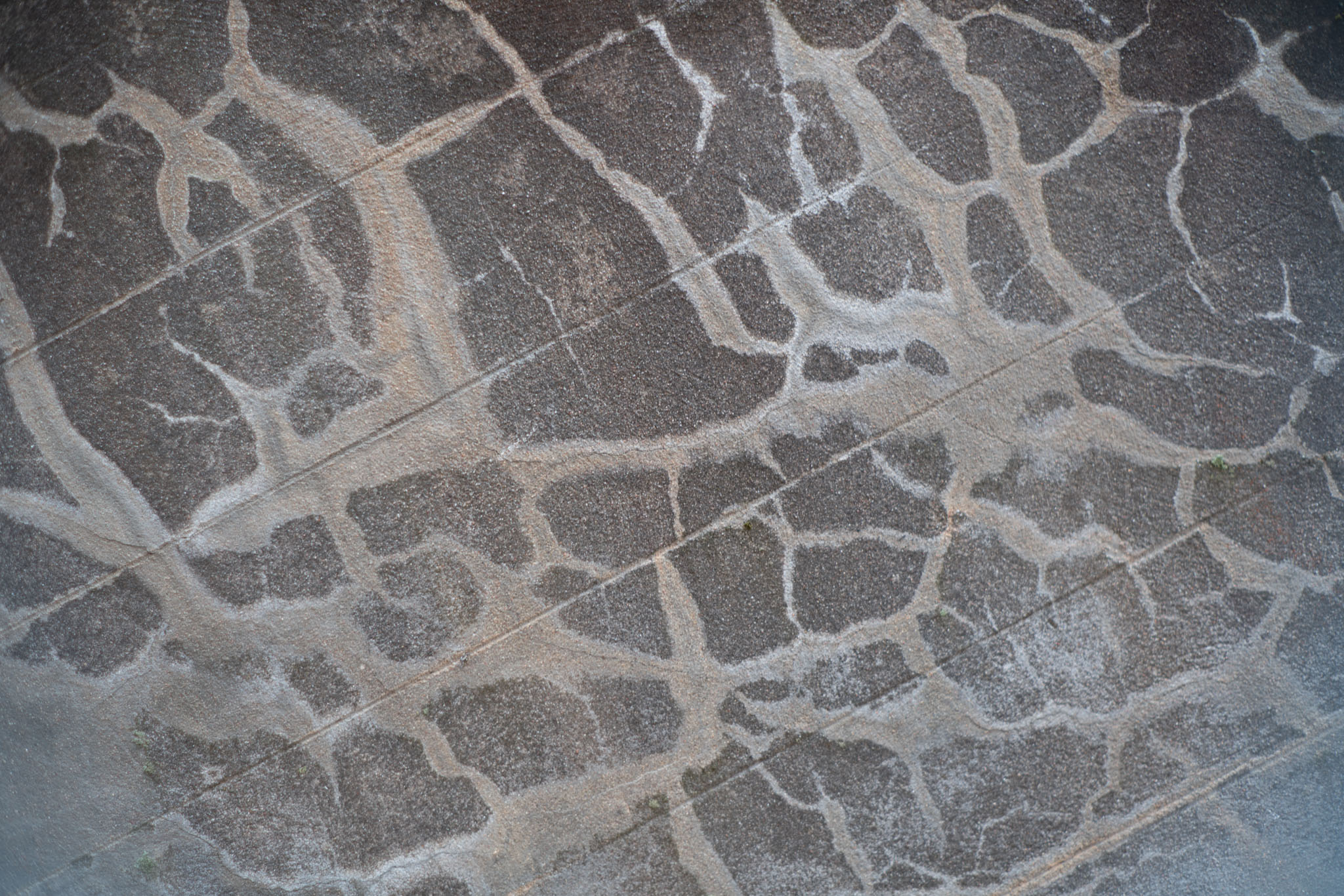
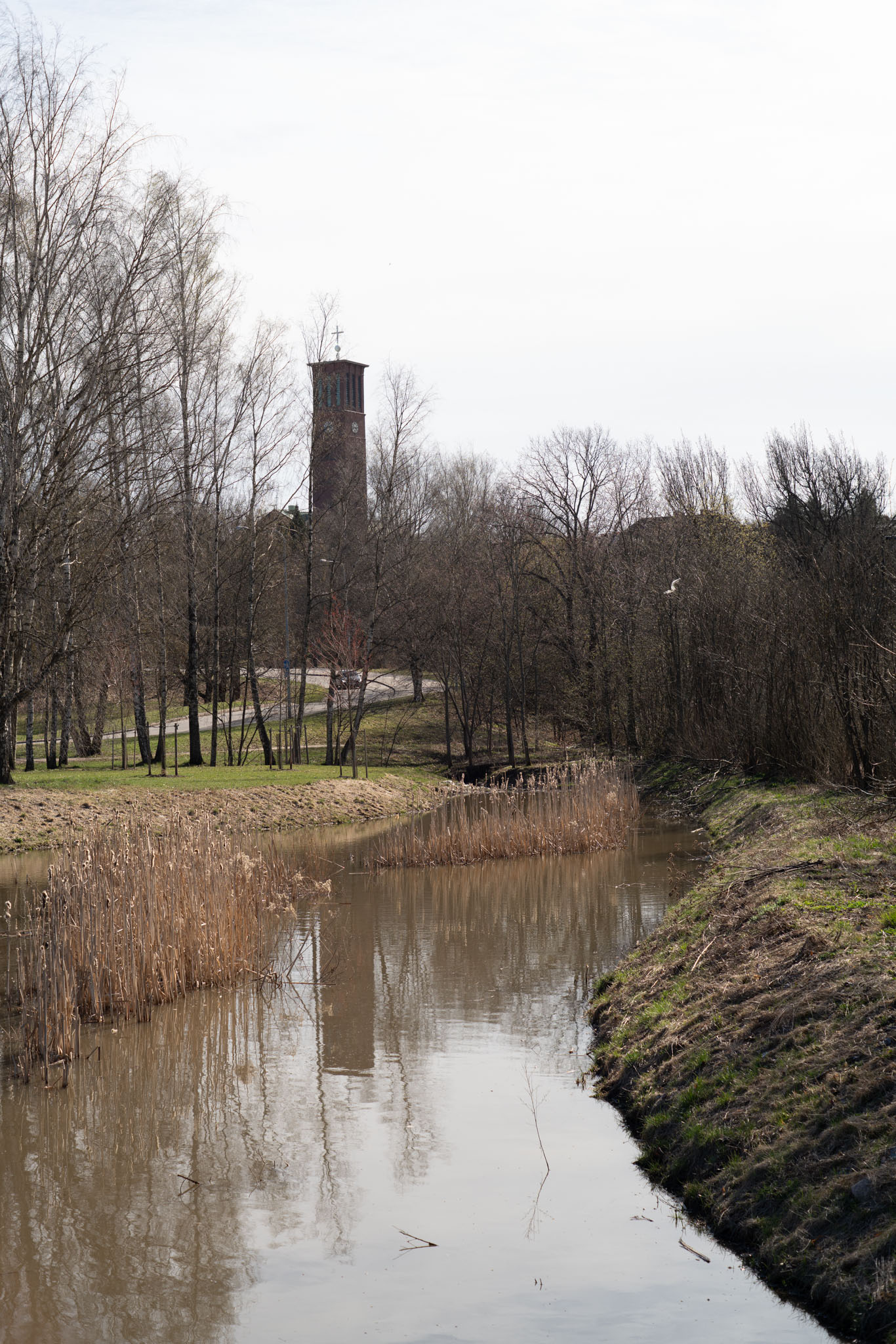
Set No 2 was taken on the 5th of April – a grey spring day – in the Finnish countryside (the snow that fell the day before had just melted).
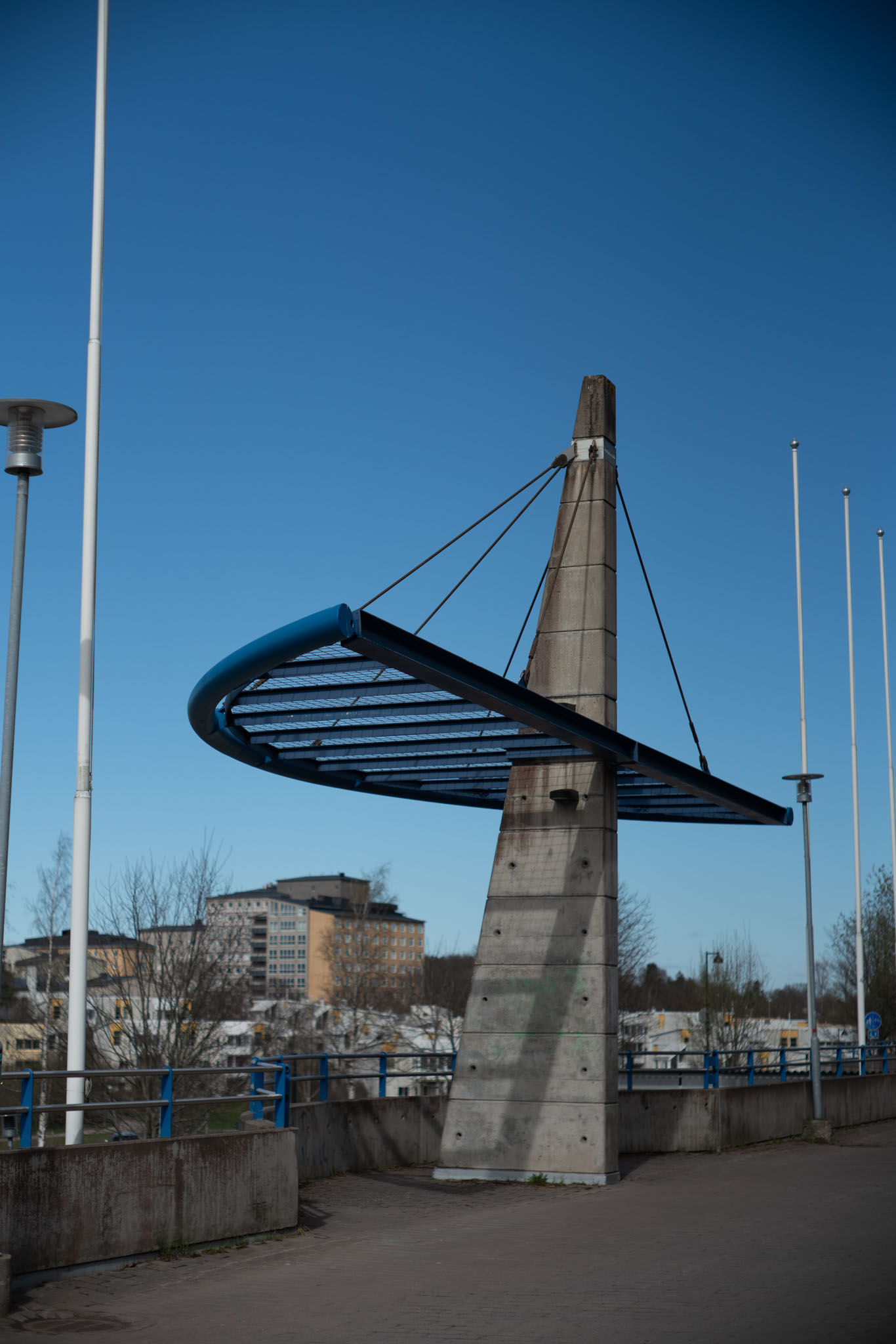
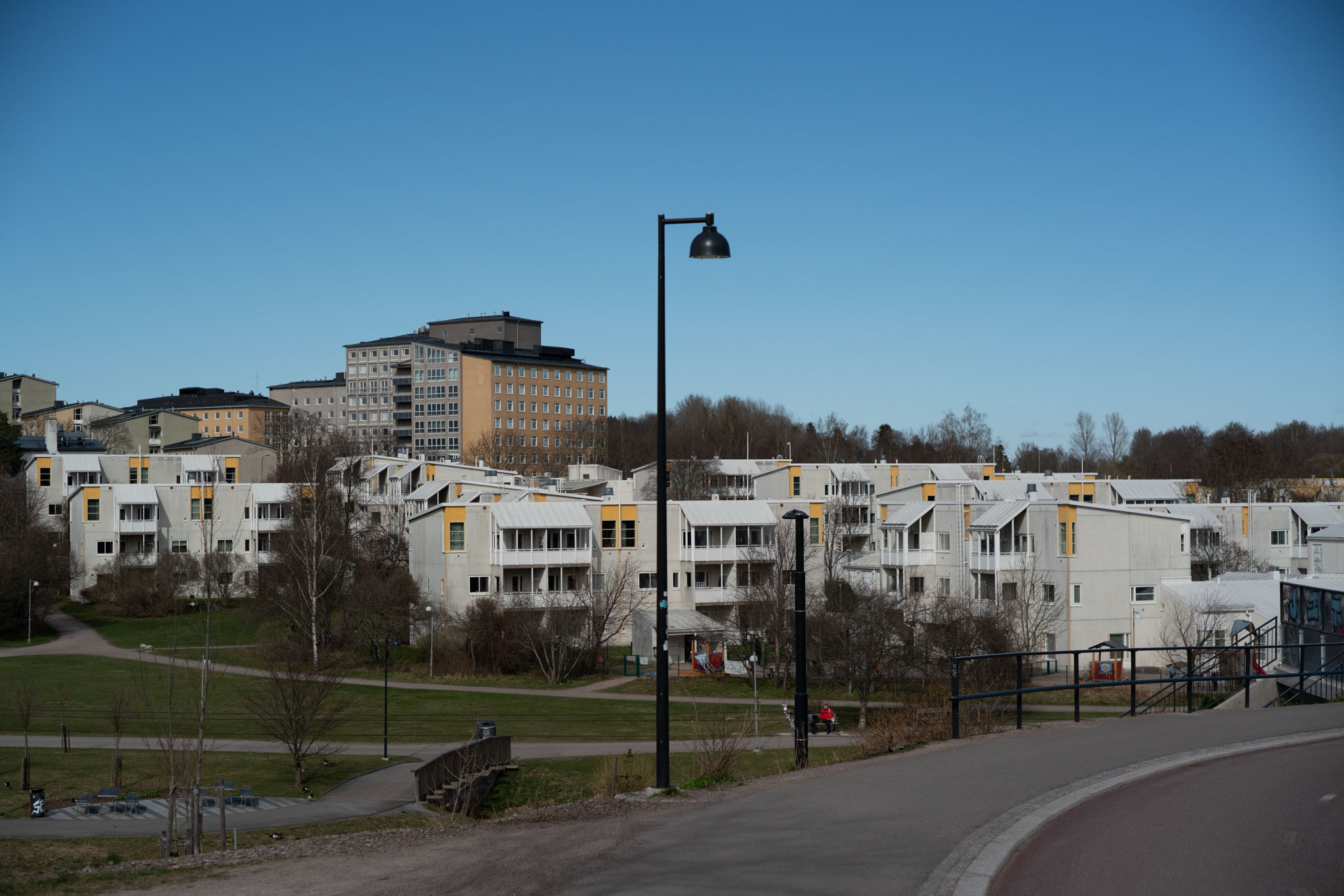
Set No. 3 was taken on the 22nd of April ( an altogether sunnier day) walking around the Helsinki district of Pasila (a prime example of 1970s urban architecture with cars and pedestrians having been directed to different levels) before moving on toward the Kumpula campus area.
Whenever I intend to shoot vintage lenses I choose between Sony ⍺7R2 (high resolution, compact body, wide range of adapters) and my Nikon Z5 (better ergonomics, supreme battery life) and in this case I chose the Sony simply because of compactness.
Shots were taken using a Fotga Konica AR->NEX adapter mounted on the pictured body, unless mentioned otherwise. All shots in RAW, handheld with IBIS on.
Edit in post: ACR default conversion only6, straighten, resize to 2k, save as JPEG quality 60.
Images and commentary
Ghosting, veiling
Legacy-era lenses did not have access to modern coating technologies. Hence, many legacy lenses struggle a lot with regards to ghosting and veiling. While both phenomena are related to how light behaves when it encounters air-glass boundaries, they tend to exhibit very differently. Ghosts are blotches of light that are caused by internal reflections within the lens, and often have circular of aperture-shaped forms (but can also be more interesting). Ghosts are usually caused by light-sources in the frame. Veiling is when light scatters (is refracted incorrectly) considerably beyond its actual source, often destroying contrast far beyond the original light source. Veiling can happen also when the light source is outside the frame (but light still hits the lens’ front element)
First, let’s discuss ghosting. Interestingly (especially considering this lens’ decade of origin), this lens shows almost zero tendency towards ghosting, no matter how conducive to ghosting the situation would otherwise be. See some examples below that would have shown ghosts with recently reviewed other lenses.
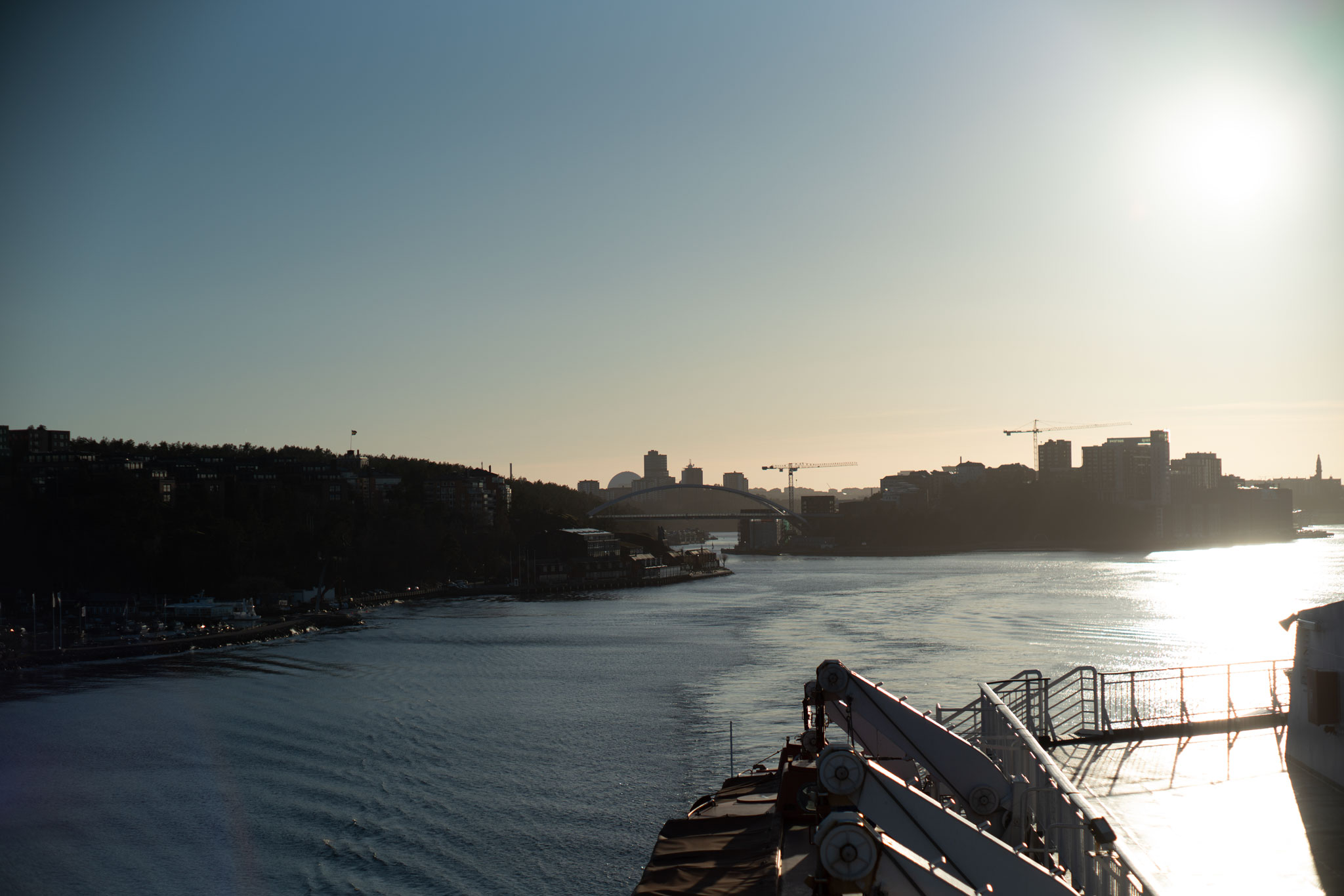
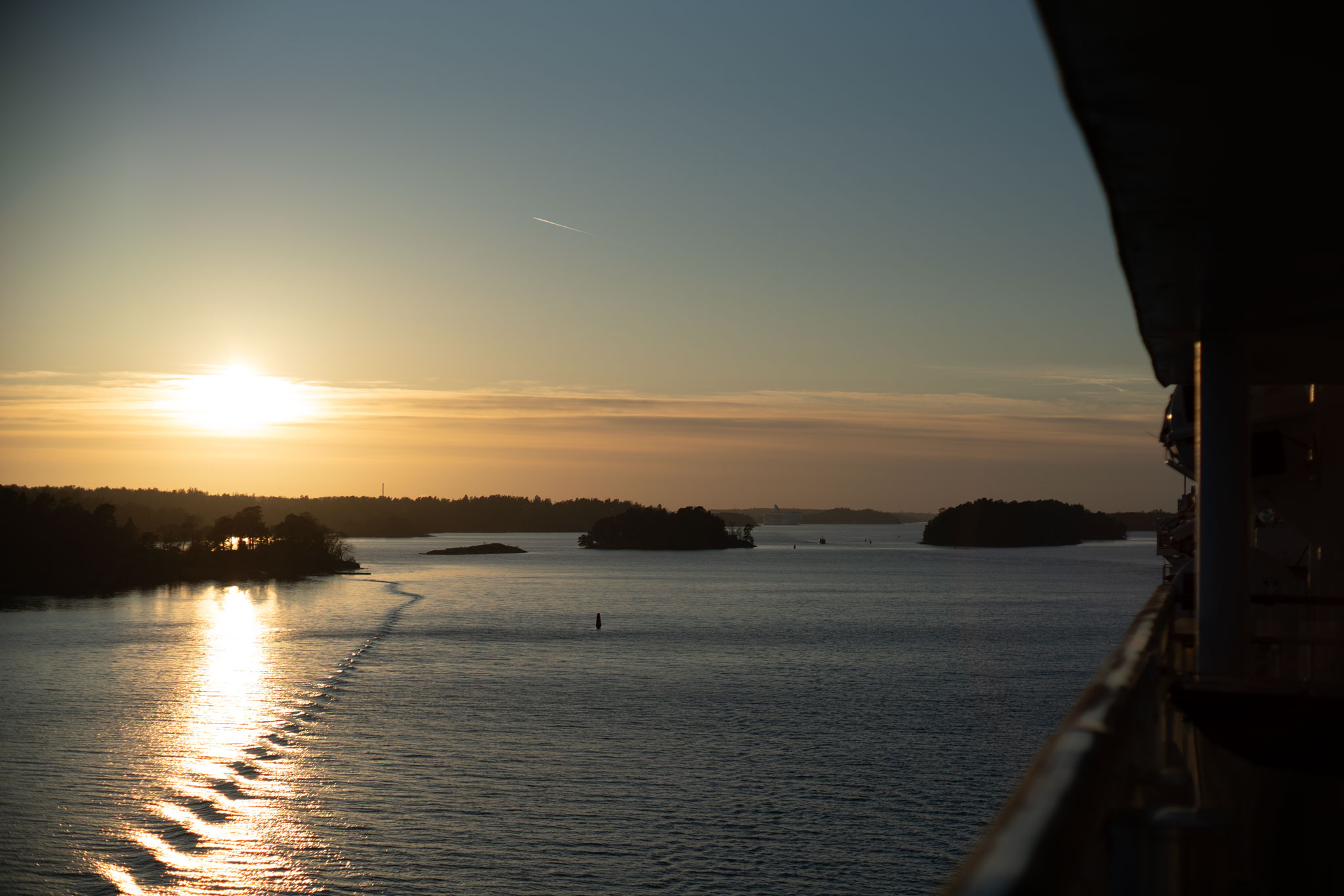
Veiling on the other hand is a bit trickier. First – like almost every bright lens, the Konica Hexanon AR 57 mm f/1.4 has the tendency to become overwhelmed when there is a lot of light to be had. The leftmost image above clearly illustrates that the whiteout area caused by the sun exceeds the boundaries of the sun itself. This, however, is something most modern lenses do as well.
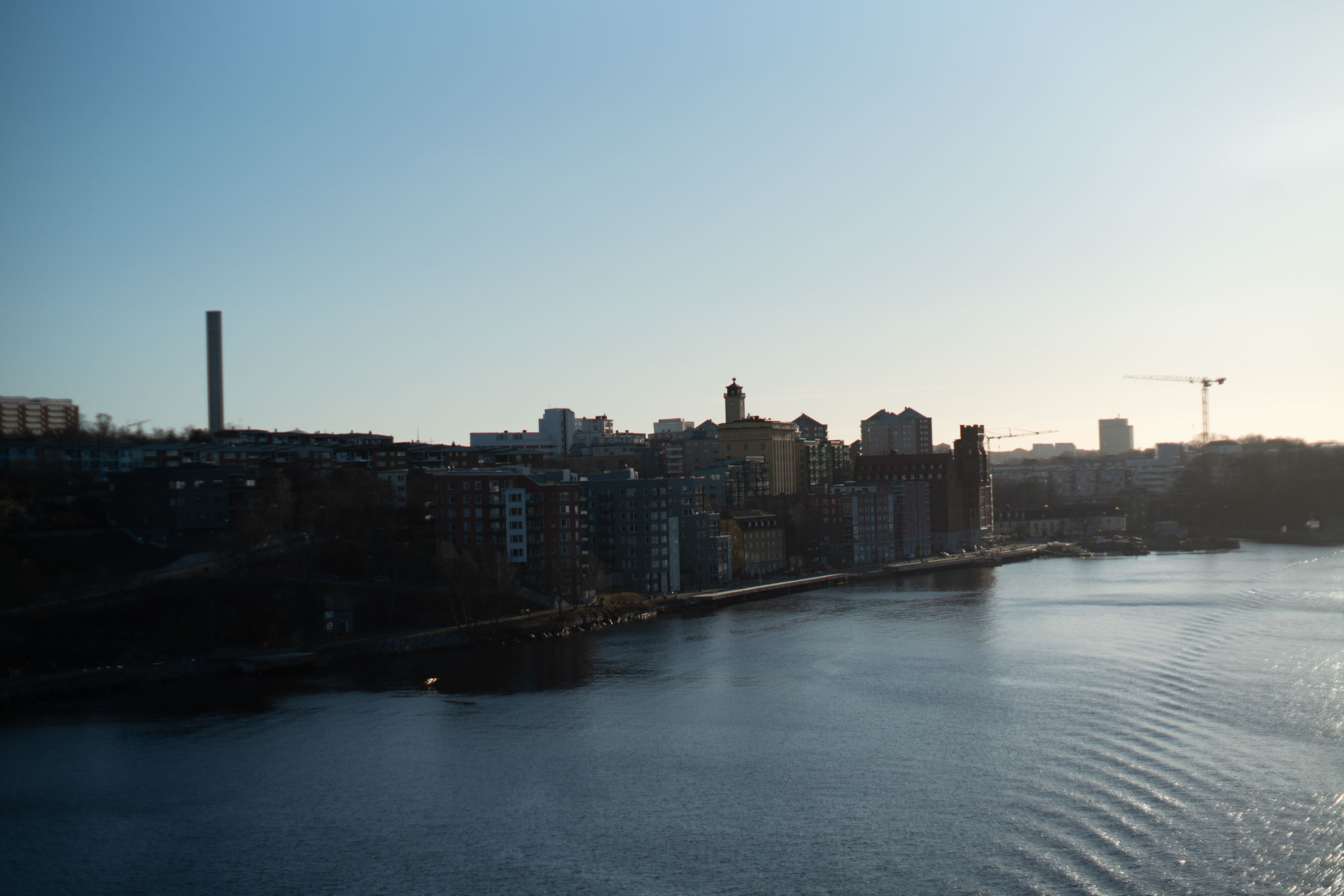
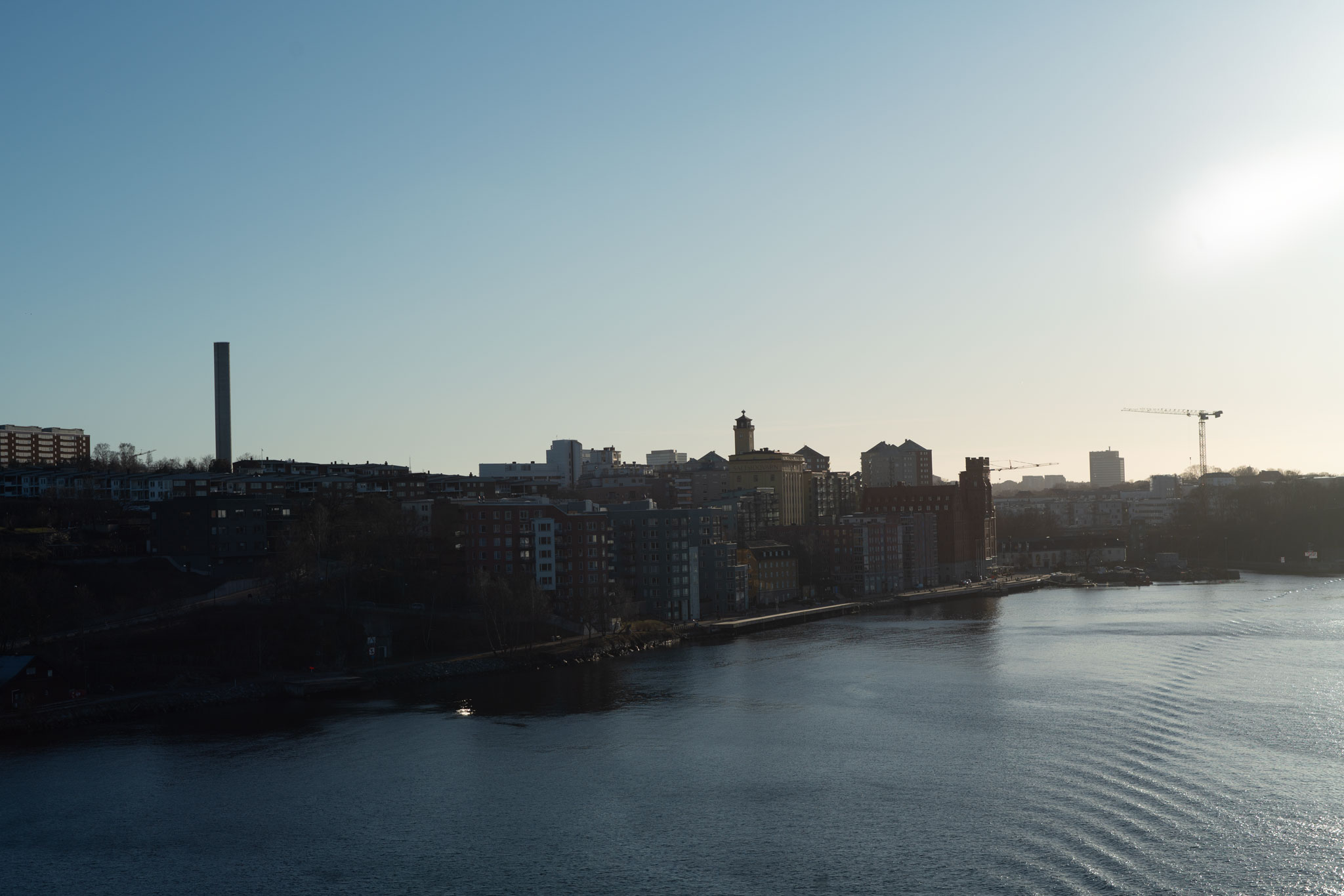
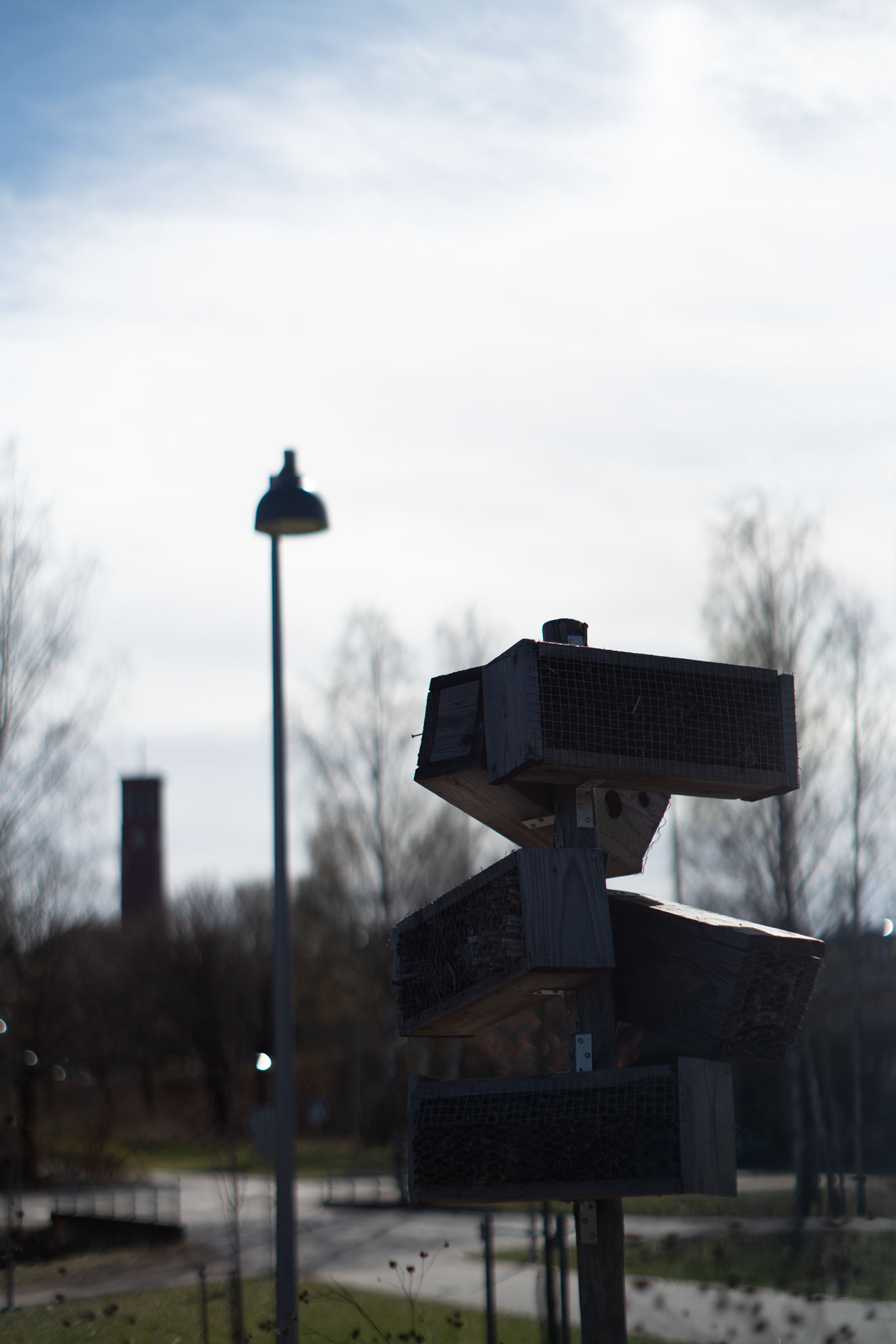
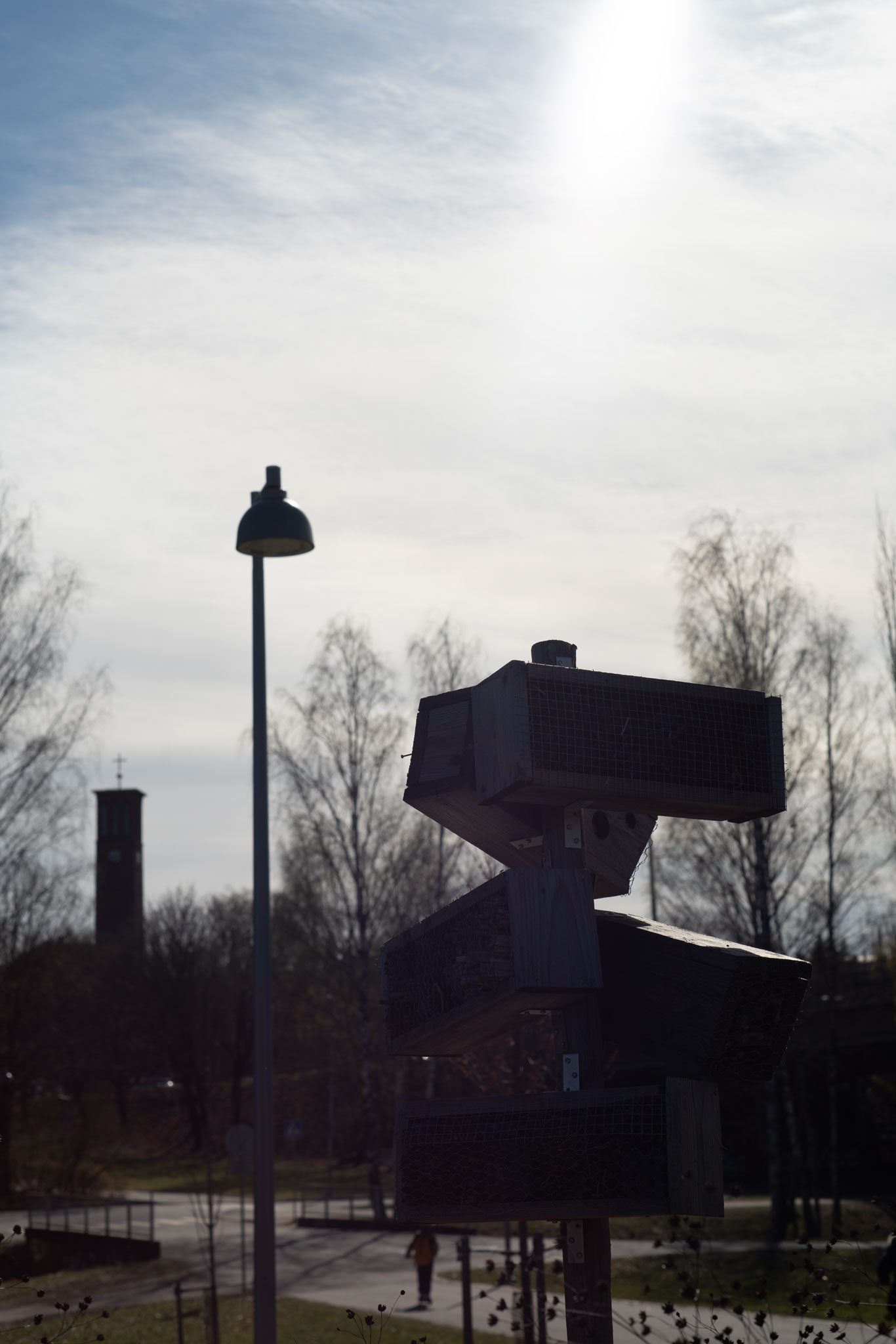
Second, while the lens generally is not especially susceptible to veiling, there are circumstances that lead to a common phenomenon that does not (in photography) have an established name, but is similar to the phenomenon of a sunbeam breaking through clouds (aka a Jacob’s ladder). This phenomenon shows up as a ‘finger’ of light entering the frame from the direction of the light source and proceeding to veil some details in its path. The gallery below tries to exemplify the phenomenon with pairs of images: one almost wide open (that does not show the phenomenon) and one stopped down to f/8 (where the phenomenon is at its strongest.
Vignetting
Next, let’s discuss vignetting.
First, with all bright lenses there are situations where there simply is too much light. Even with the extremely short shutter speeds offered by modern cameras (1/8000 s in the case of the Sony ⍺7R2) and at base ISO, it is easy to get to the point where the amount of light available simply cannot produce a balanced exposure. When the centre of the frame gets overexposed (especially when there is not a big white area to give the metering system its bearings), the corners may become extremely dark. An extreme example is given below on the on top, while a more normal situation is on the bottom.
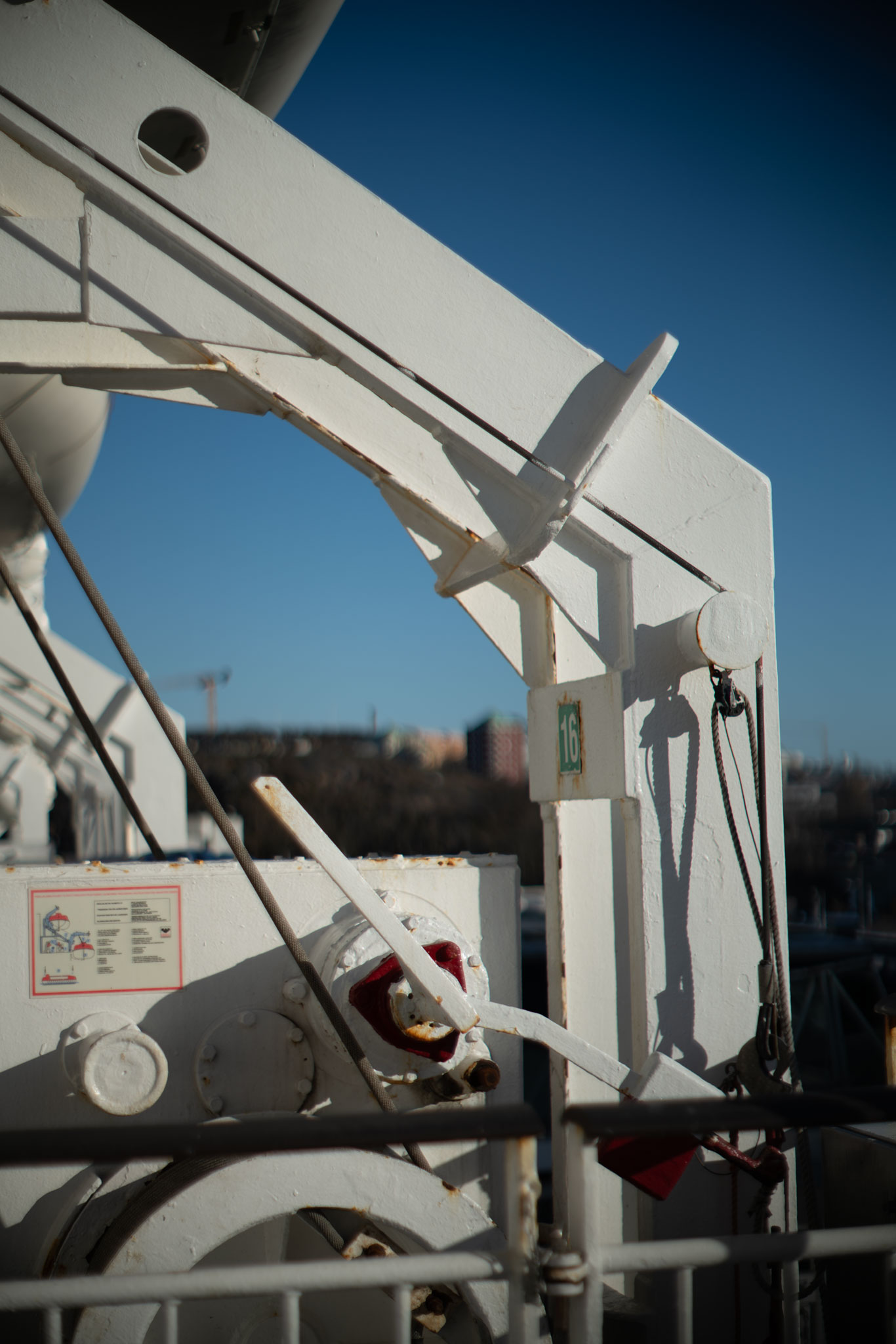
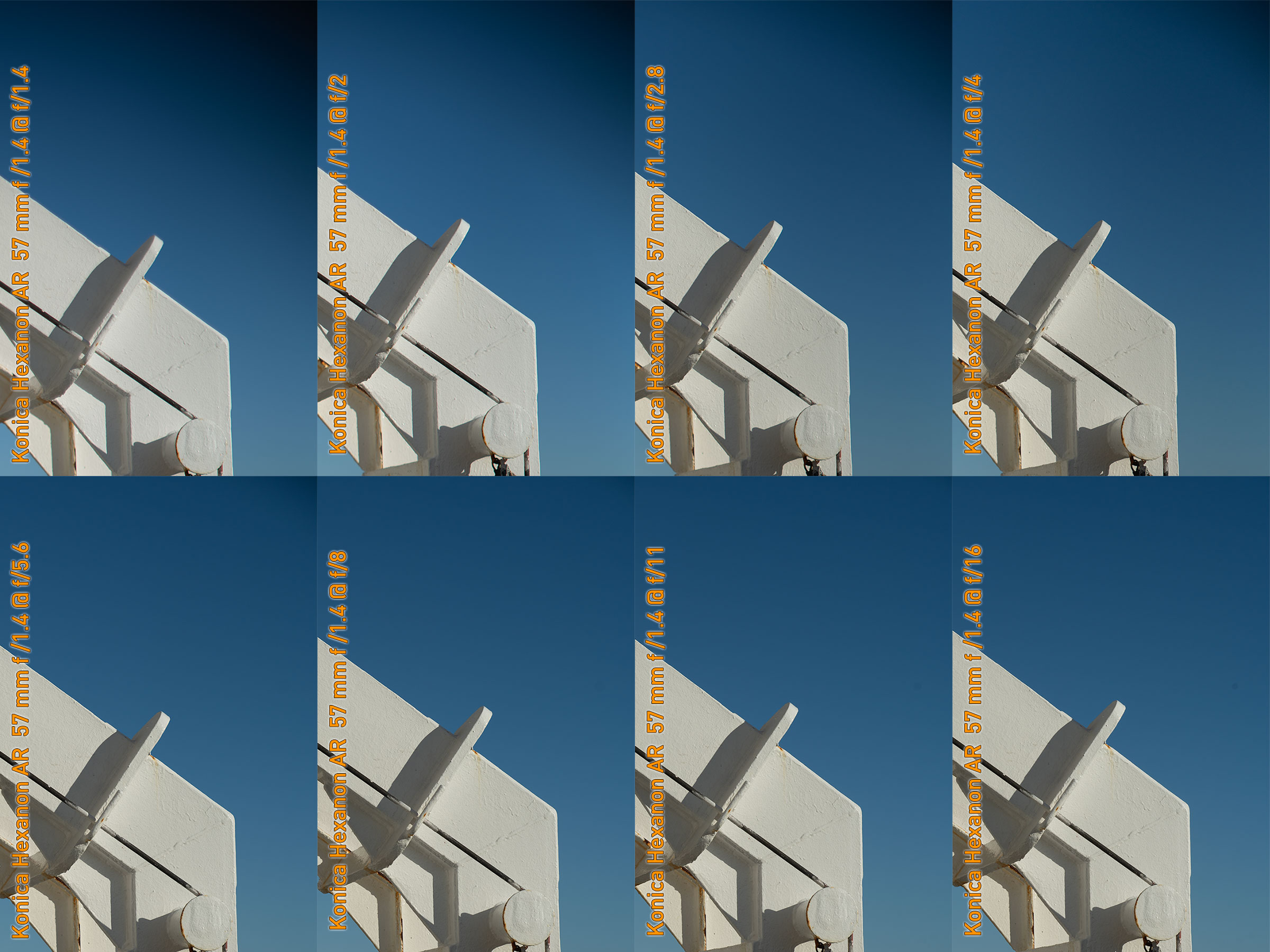
Based on the later image (the more normal situation), we can study the level of vignetting at different apertures. For a collage, see below.
Another way to look at vignetting (that in my opinion works to show the differences) is to put the dark corners next to each other. See below.
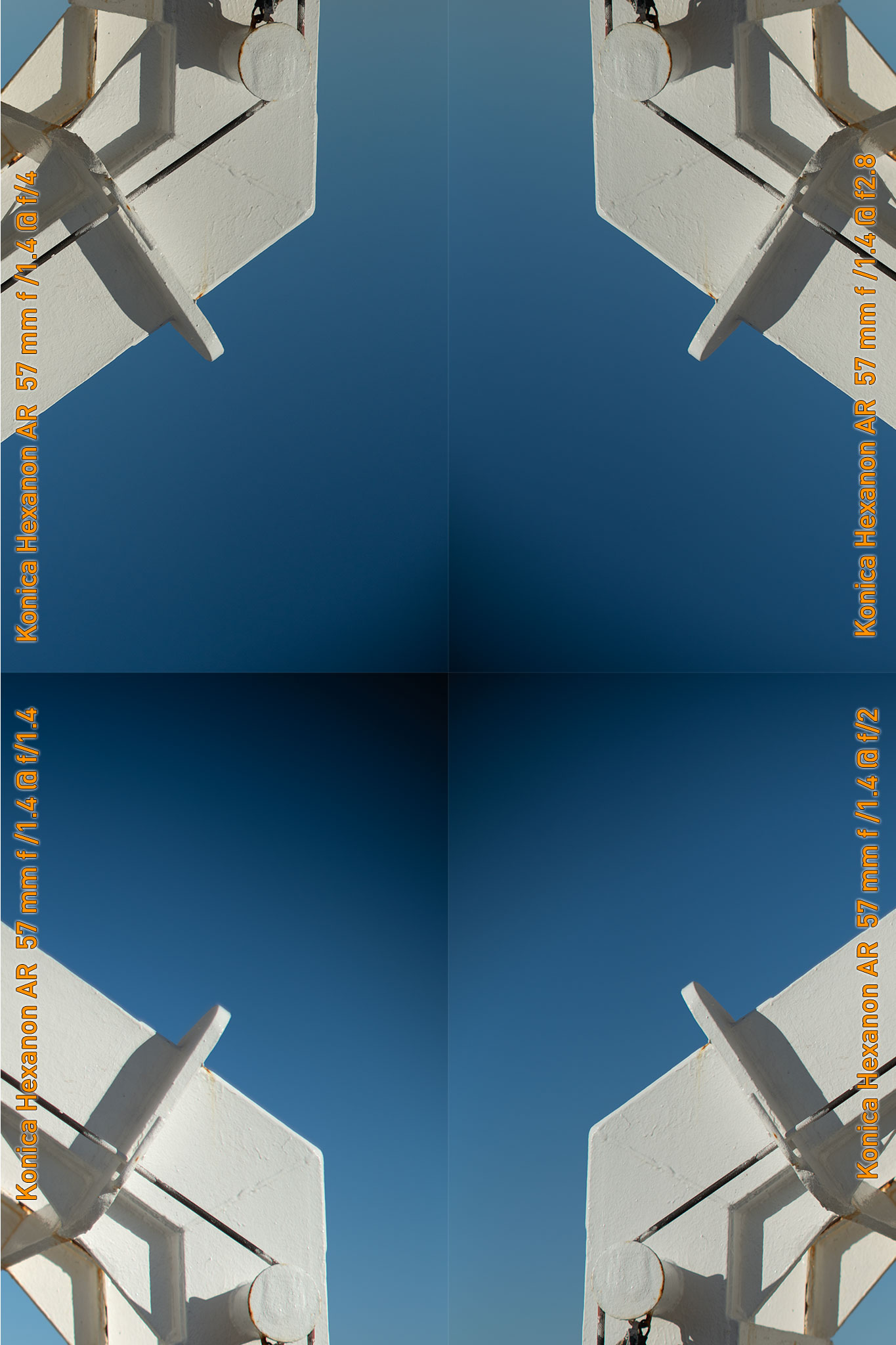
These images show that wide open the Konica Hexanon AR 57 mm f/1.4 does show rather strong vignetting, and that it improves significantly at f/2. What they also show is that some level of vignetting persists at f/2.8 and f/4, and that even at f/5.6 there is a whiff of dark in the extreme corners.
While one should not expect a fast fifty to be free of vignetting, the results here show a bit more strong vignetting than similar lenses.
Sharpness
Before we get started with sharpness: unless you know the difference between ‘definition’ and ‘contrast’ (the two components of ‘sharpness’), you better read up on the distinction.
No one expects a legacy lens from the 1960s to match the sharpness of modern glass, and everyone knows that if you shoot a 1960s fast fifty wide open, sharpness shouldn’t be the priority. Even so, studying a lens’ sharpness profile is interesting. Here we will look at centre sharpness, off-centre sharpness and corner sharpness separately.
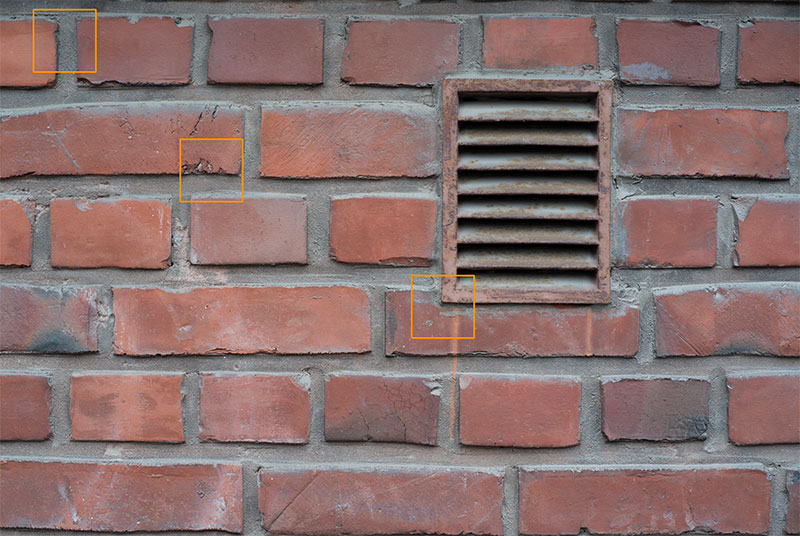
The image below shows the original image and the areas of the crops highlighted.
Centre sharpness
Centre sharpness wide open is … interesting.
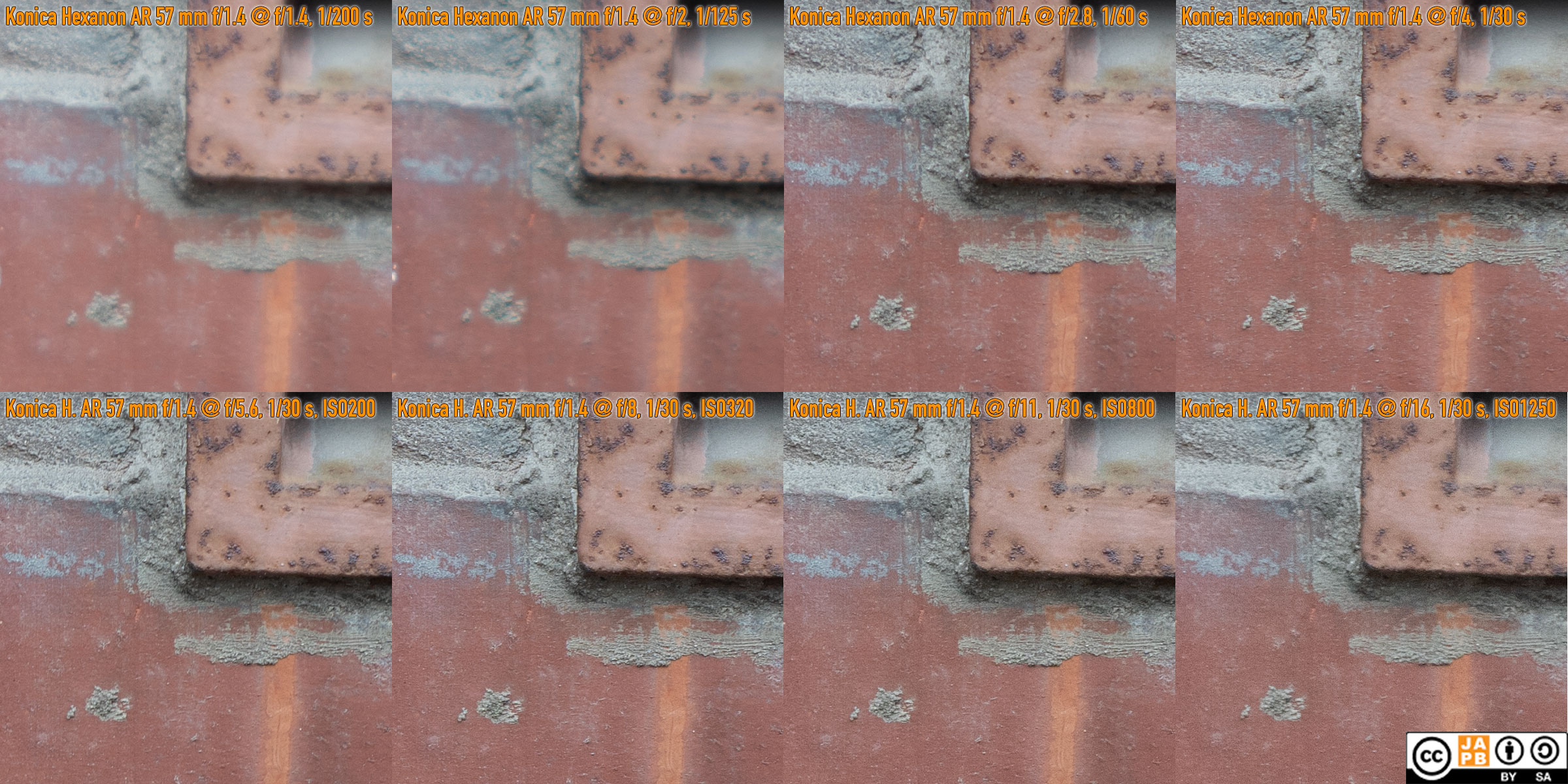
Looking closely, you notice that the lens manages to resolve a fair amount of detail, so definition is not bad, but contrast is another story with both a general lack of contrast and a rather pervasive glow. Both these are likely attributable to rather strong spherical aberration. A 1960s fast fifty being dreamy wide open is no surprise, what however is a tad surprising is that stopping down to f/2 does surprisingly little to remedy the glowiness as a general softness remains.
Luckily closing down the lens a stop further to f/2.8 does wonders, and from this point onward all the way to f/8 there is only a mild increase in sharpness (and one that might be field-irrelevant7). f/11 is a tiny bit less sharp than f/8 (but the change is one that is only observable at pixel-peeping level) and going from f/11 to f/16 leads to a noticeable drop in definition due to diffraction.
Off-centre sharpness
Off-centre areas evidence a relatively similar behaviour as the centre crops.
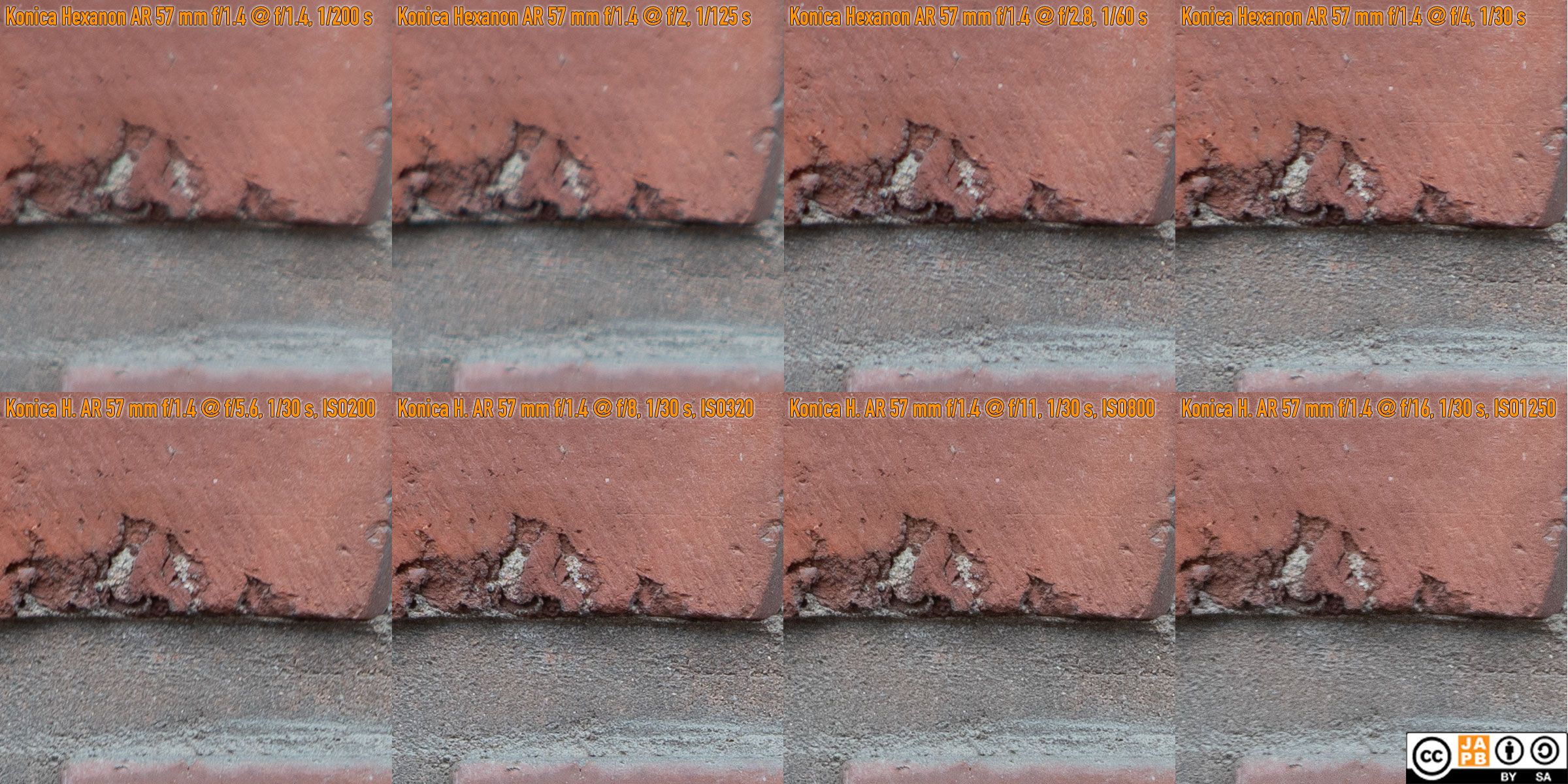
Wide open and f/2 are notably low-contrast, with f/1.4 also having low definition. Stopping down to f/2.8 offers a radical jump in performance and contrast is largely recovered, but (unlike the centre crops) f/2.8 is not yet beyond further improvement. On the contrary, stopping down to f/4, f/5.6 and again to f/8 produce clearly noticeable improvements. f/11 is a tad less sharp than f/8, and stopping down to f/16 leads to a loss of definition.
Corner sharpness
Corner sharpness offers another surprise. But first, I will show the same collage once without vignetting having been corrected and once with vignetting compensated by tweaking exposure settings in post (f/1.4, f/2 and f/2.8 were tweaked with +1,37 EV, +0,62EV and +0,31 EV respectively.).
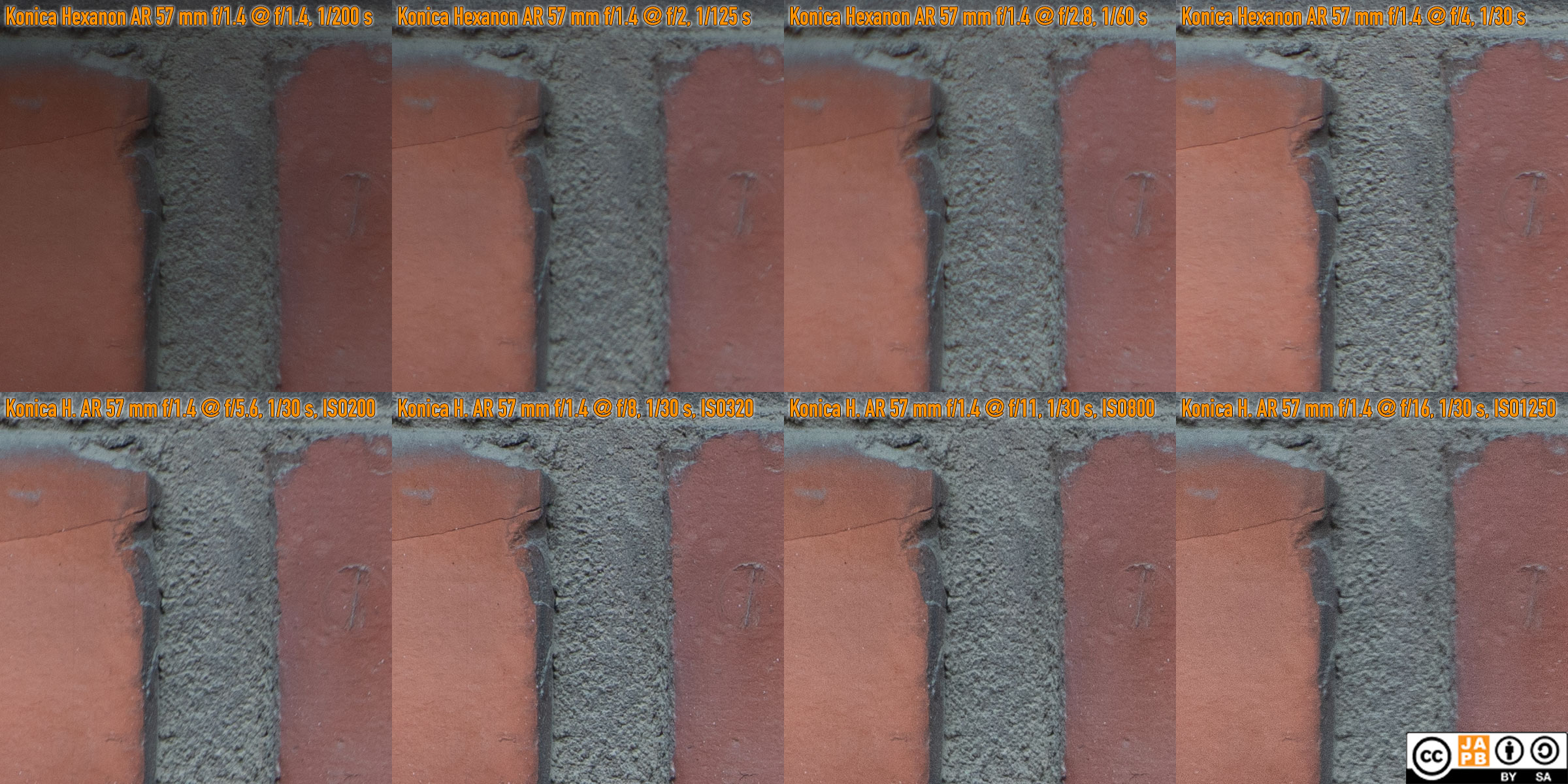
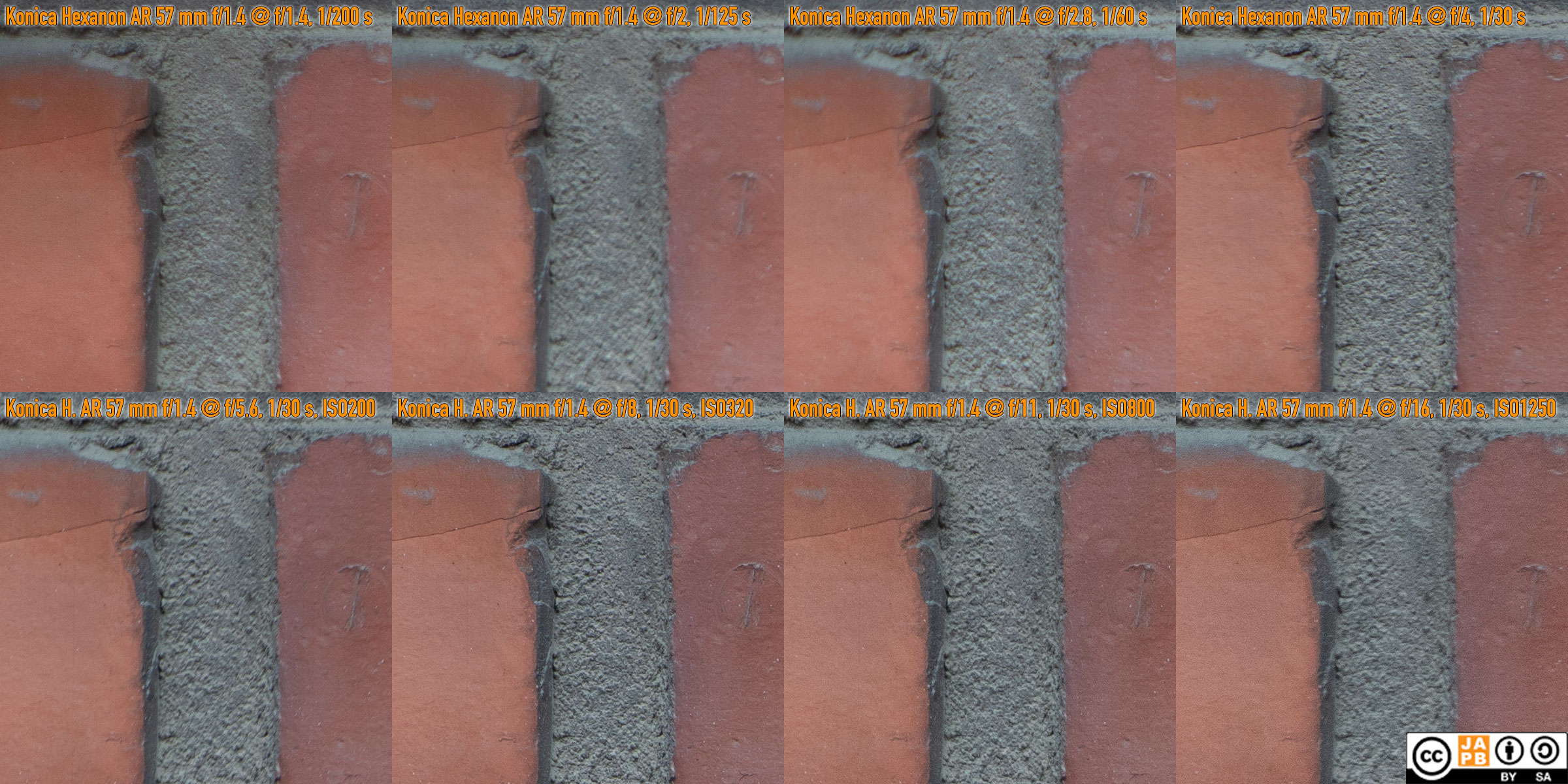
Looking at the samples without vignetting correction does tell a bit about the tangible effects of vignetting, but also hides the fact that – somewhat surprisingly – the Hexanon 57 mm f/1.4 does not perform all that badly in the corners. In fact, even though the corners are not at their sharpest wide open (the imagery shows a gradual increase from f/1.4 to f/8), I think the corners look like they suffer less from being shot wide open. While definition is not perfect and contrast also does improve considerably from stopping down, the wide-open corners show least of the glowy softness that (based on the previous samples) one would be justified in expecting to see.
Summary of sharpness
If it was not for the somewhat disappointing results in the centre and off-centre performance wide open and (more importantly) at f/2, I would say that the lens is a positive surprise, especially as the corner performance is above and beyond what one would usually expect from a 60s fast fifty. That said, from f/4 to f/11 offers a wide sweet spot for the photographer, which can be extended to f/2.8 if off-centre performance is even somewhat flexible.
What these shots also show is that field curvature is not a key problem for this lens. While it is possible that some field curvature exists, the relative evenness of the results from centre, off-centre and extreme corners indicate that field curvature is by no means problematic. The absence of any visible corner smearing means that astigmatism is not egregious, but mild to moderate astigmatism could be a contributing factor to loss of contrast and definition in corner areas. Sadly, as I have not had a chance to photograph night-time scenes with this lens yet, I cannot give a certain answer regarding astigmatism or comatic aberration.
Chromatic aberrations
While brick wall shots are perfect for looking at the finer differences between different apertures in terms of definition and contrast, what they do not tell at all is how the lenses deal with transitions that have a particularly high contrast (chromatic aberrations). In this, there are two different forms of chromatic aberrations that exist and that do not necessarily go hand in hand, namely longitudinal chromatic aberrations and lateral chromatic aberrations.
In the briefest possible terms: Both forms of chromatic aberrations are caused by air-glass boundaries bending different wavelengths differently, but they manifest differently: Longitudinal chromatic aberrations (aka LoCA) refers to different coloured light not focusing evenly at the film/sensor plane and is a typical problem for wide-aperture lenses and can affect all parts of the frame, but only at wider apertures. Lateral (or transverse) chromatic aberrations predominantly affect off-centre areas and corners (the effect grows stronger as distance to the optical axis increases) and stopping down is no remedy (actually, as sharpness increases the lateral chromatic aberrations may become even more noticeable.
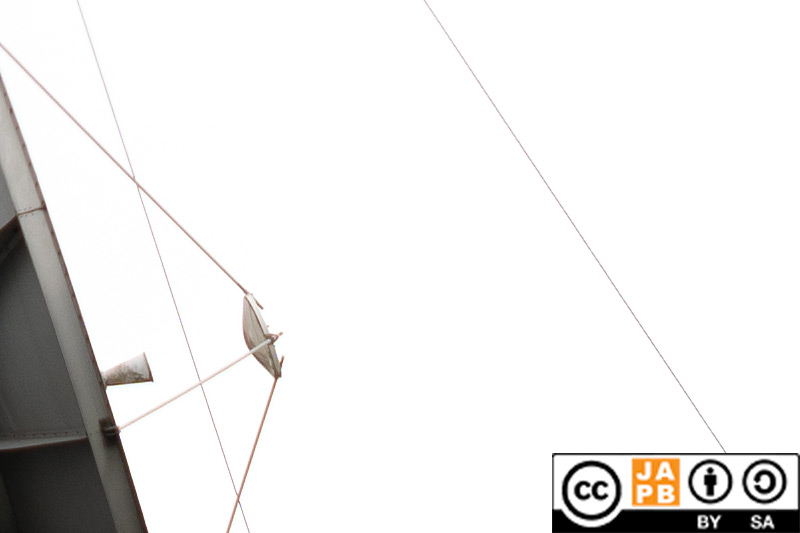
In terms of lateral chromatic aberrations, the Konica Hexanon AR 57 mm f/1.4 lens is very clean. Below is an 1:1 excerpt from the extreme corner of a frame, which – would this lens have even the slightest tendency towards Lateral chromatic aberrations – would show clear signs…
However, regarding Longitudinal chromatic aberrations, the situation is not quite as flattering. Below is a gallery of centre 1:1 crops to illustrate (note that this was the worst test shot I could find).
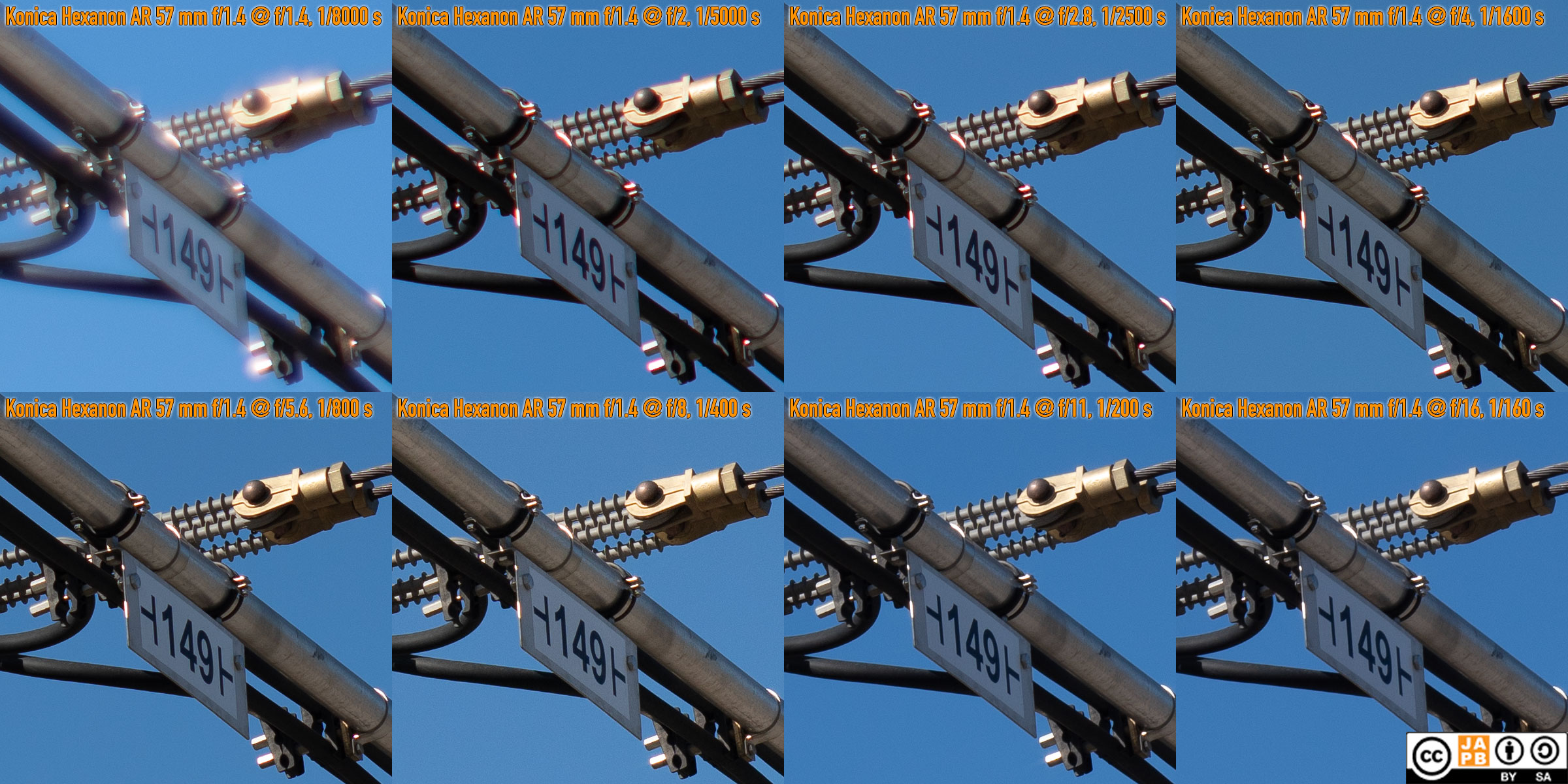
Not only do the wide open shots indicate a rather strong level of highlight bleed (an indication of strong LoCA), also the first 2–3 stopped down shots show how the extreme highlights take on a clear purple tint. While these shots can by no means be characterised as (entirely) clean, for a 1960s fast fifty these results are very good (you can see the walk-around with the Miranda Auto 50 mm f/1.4 for comparison)
Other aberrations
In terms of geometric distortions, this lens is a bit surprising. It shows a clearly noticeable barrel distortion, meaning that in the age of film photography this lens was not usable for precise architectural work. In today’s world (when you can even develop lens-specific presets in your favourite post-production suite) any simple distortion is exceedingly simple to remedy. Also, I generally see no clear tint (that the images would be especially cold or warm) so colour balance of the lens is neutral and the images show Konica’s signature colours.
I have not had a chance to take this lens out to photograph starscapes or the nighttime lights of distant cities, so I can say nothing absolute about whether the lens shows significant comatic aberration or astigmatism. That said, I generally find that if you want to shoot in the dark without needing to stop down, modern lenses are a in their element.
Summary
The Konica Hexanon AR 57 mm f/1.4 is a very worth contender if you do not yet have it and want to add another fast fifty in your repertoire. While it is not devoid of weaknesses (corner vignetting wide open, obvious barrel distortion, disappointing performance at f/2) it does not suffer any showstopper weaknesses and (my opinion) makes more than up for it with many other admirable traits. I for one understand why it took Konica quite a while to replace it with a 50 mm standard lens.
Gallery
All images ISO 100 unless stated differently.
Click the thumbnail for a 2k version. If you want to pixel peep the original RAW files, please get in touch or leave a comment.
Set 1: Leaving Stockholm
17 March 2026 – late afternoon.
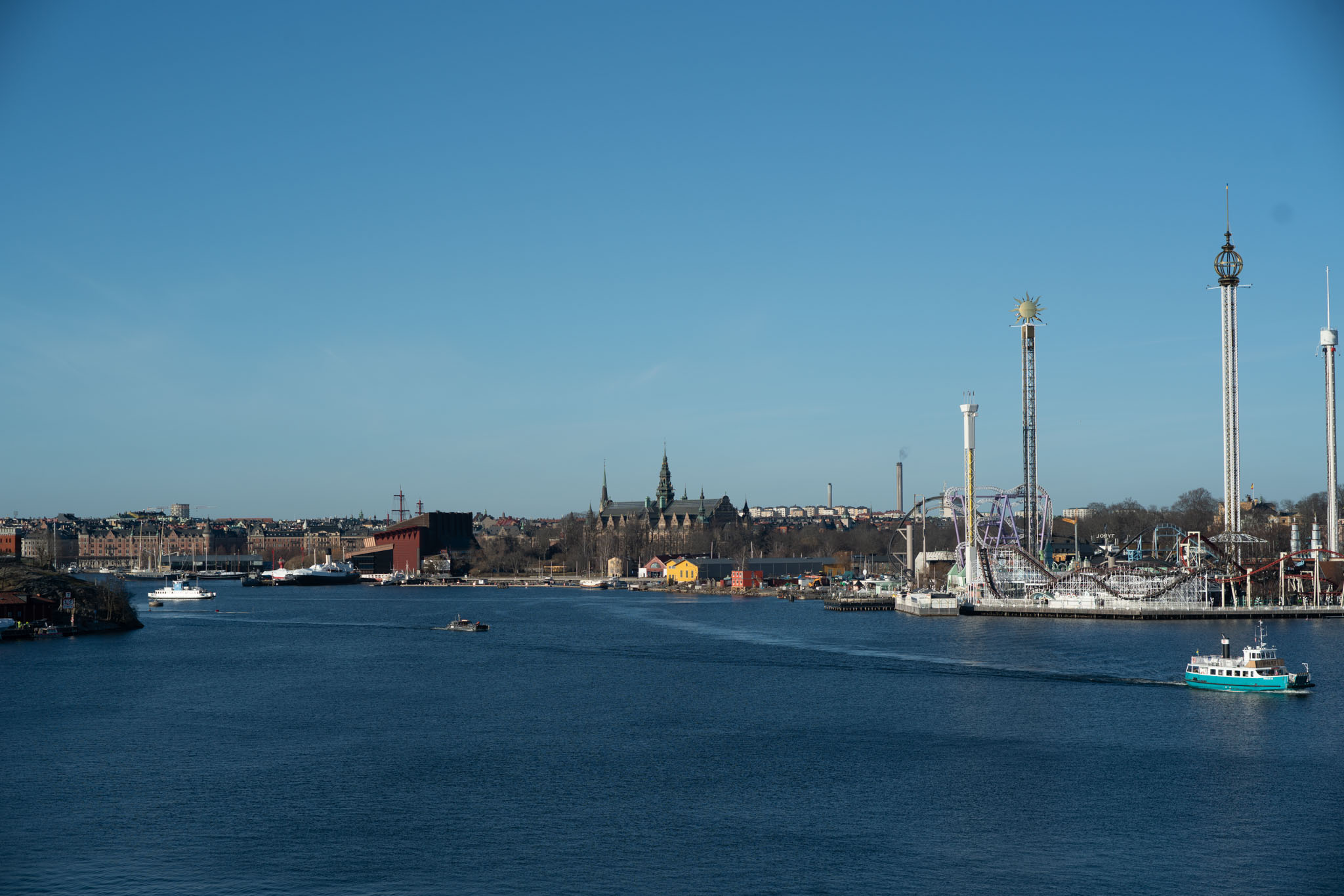
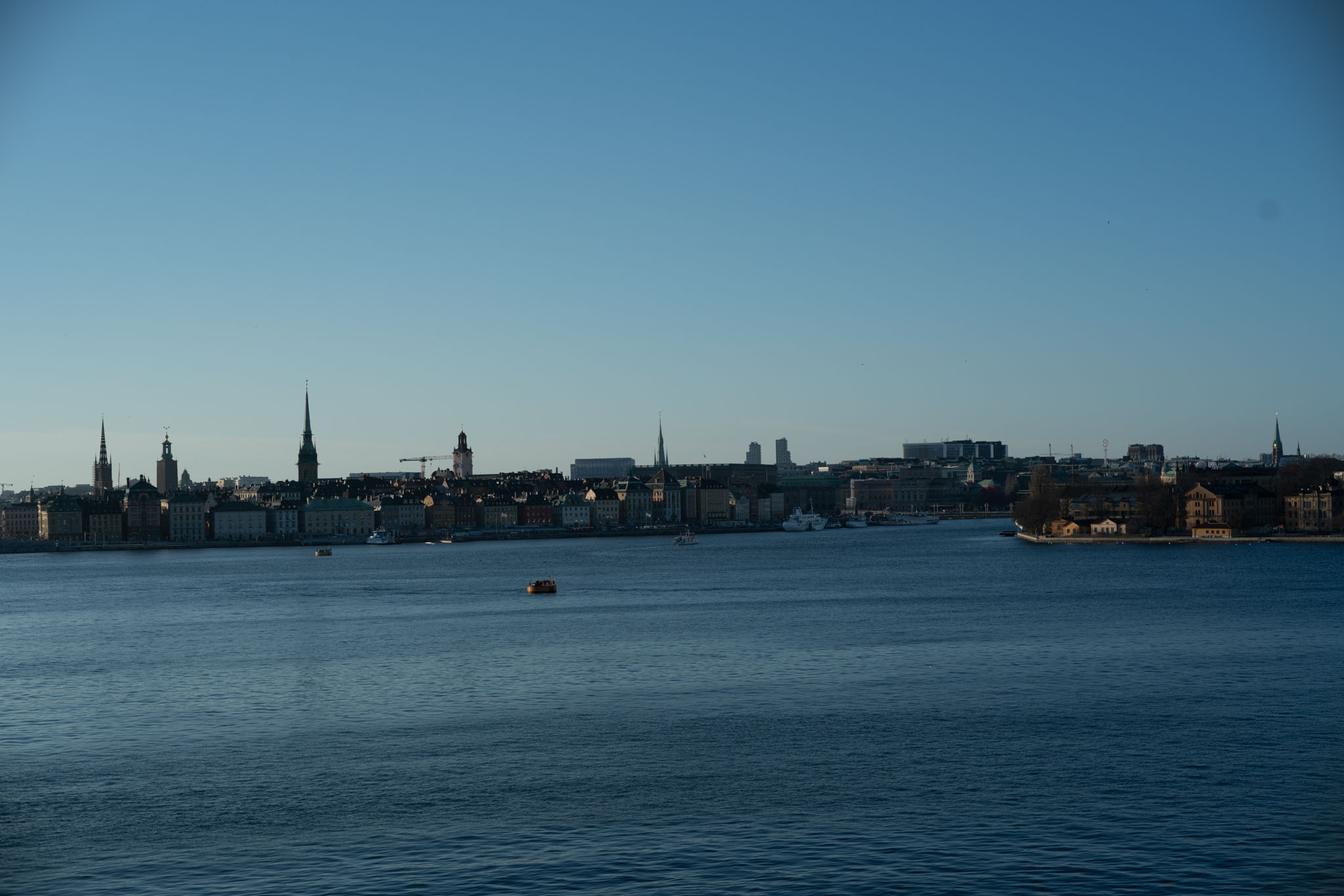
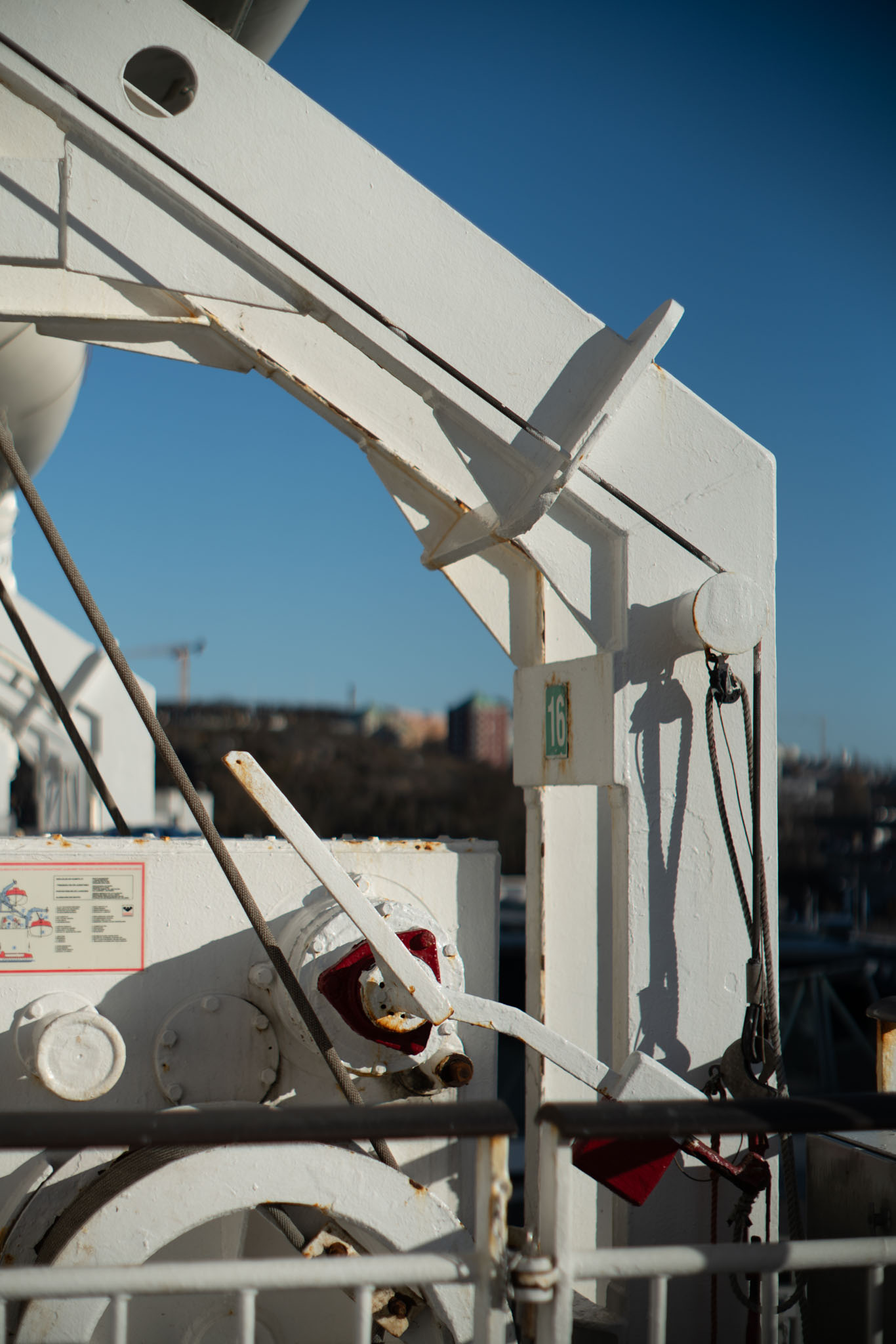
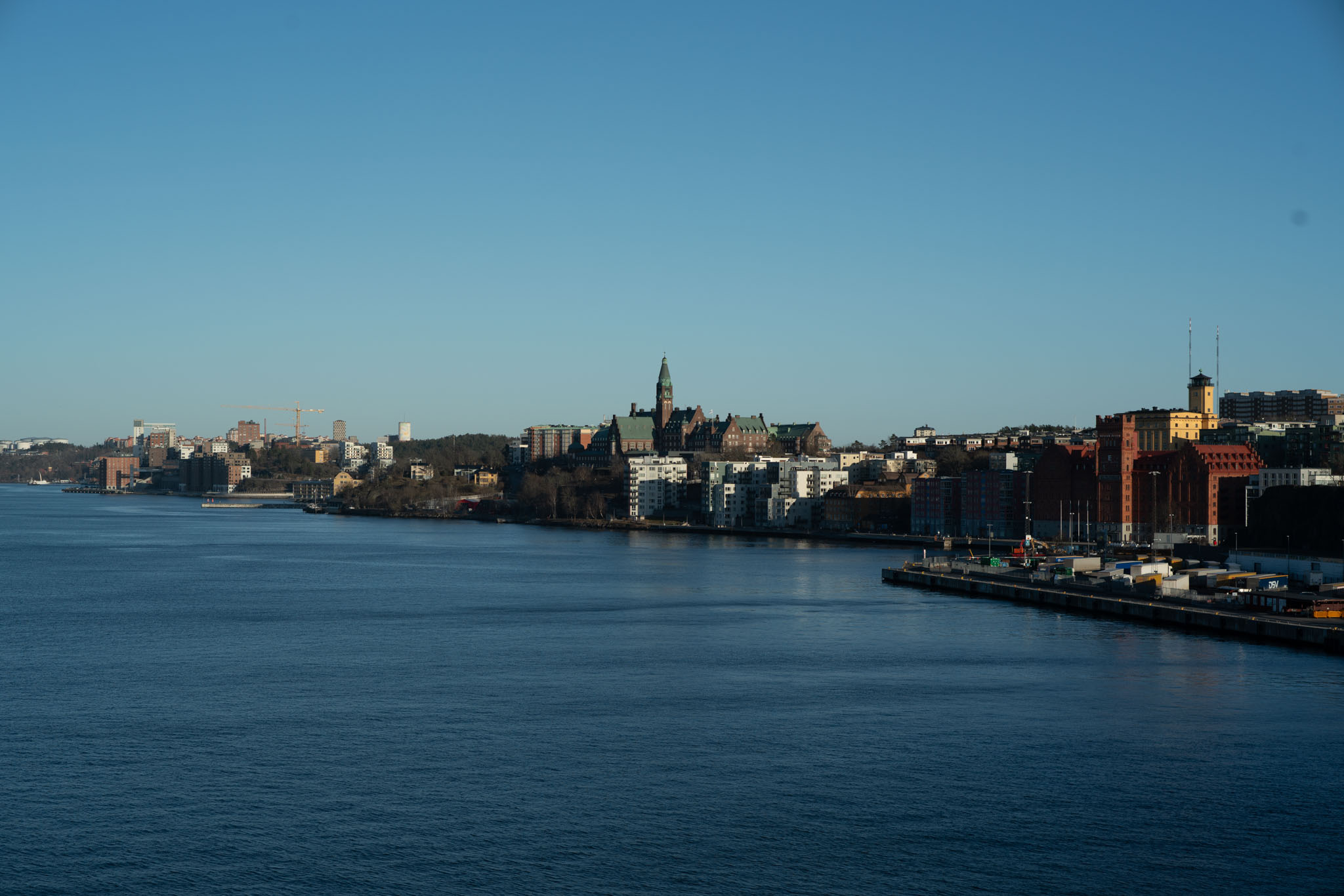
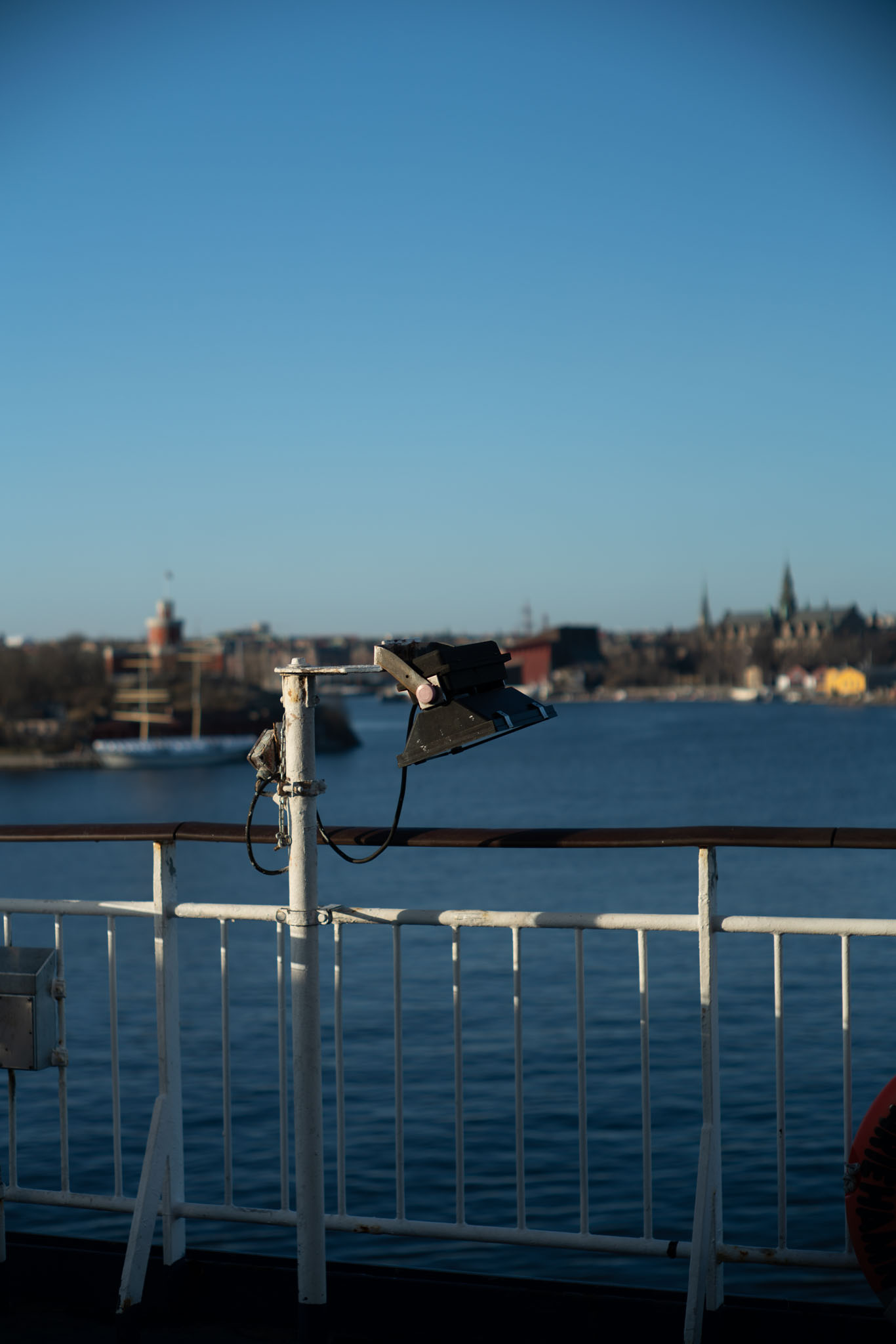
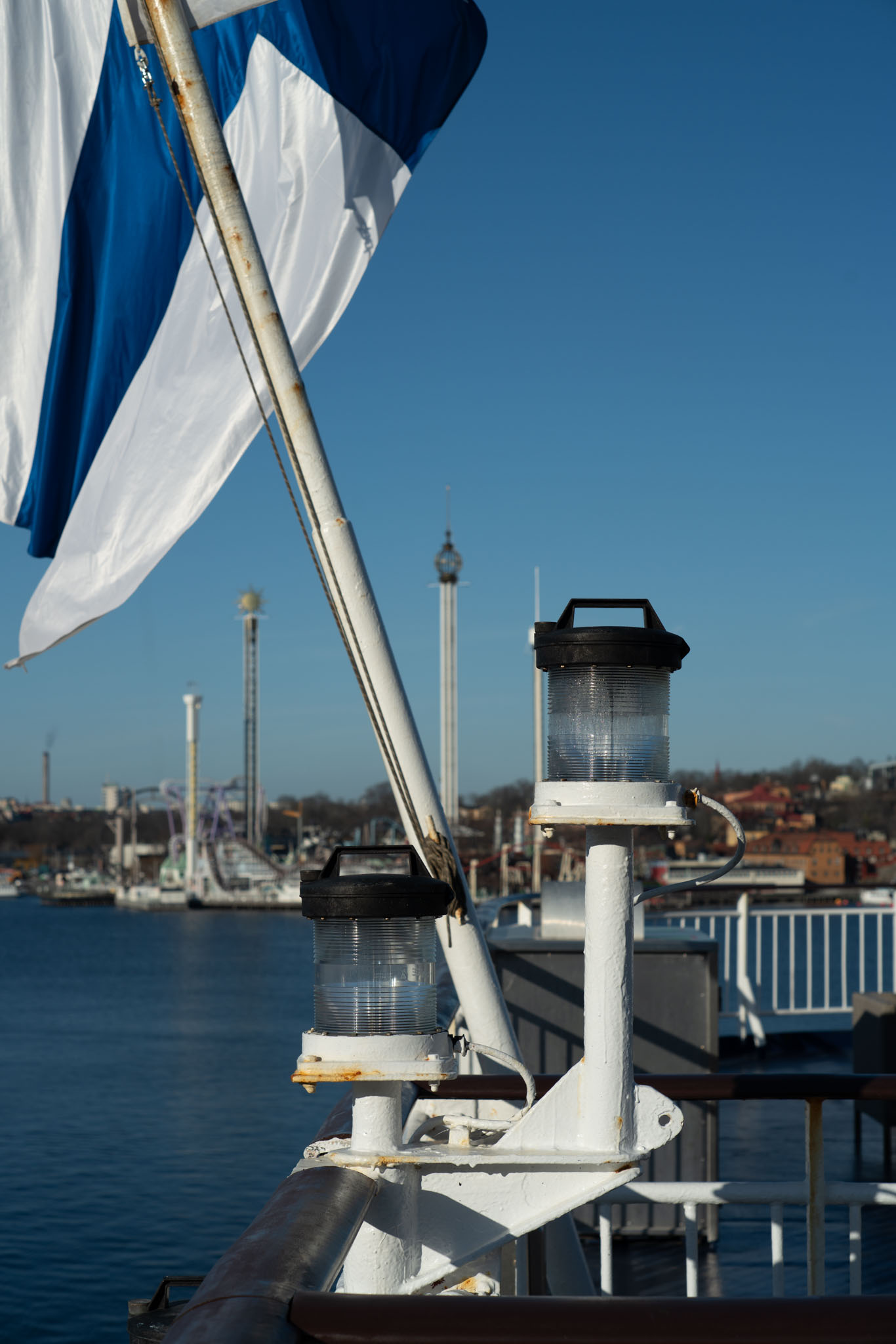
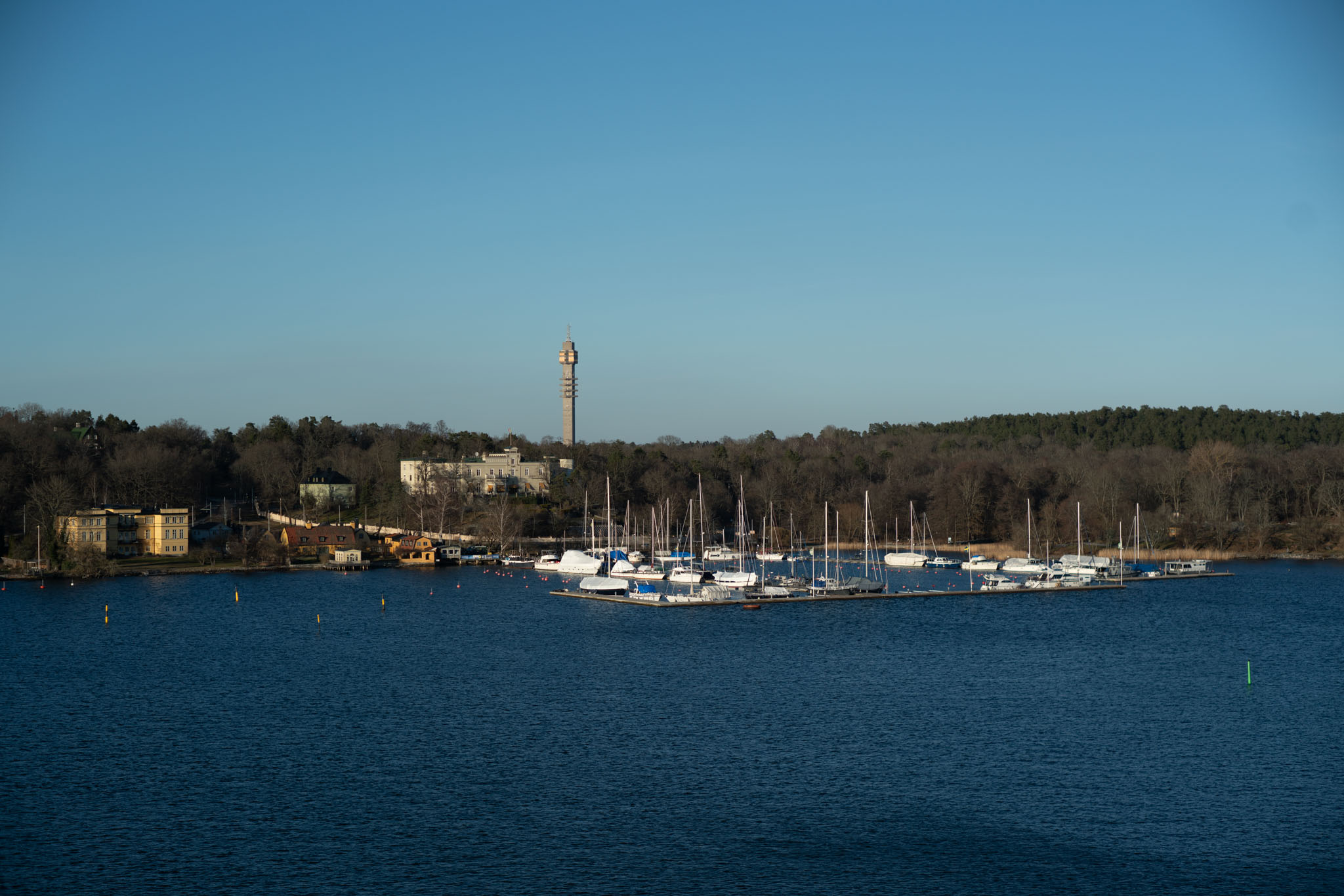
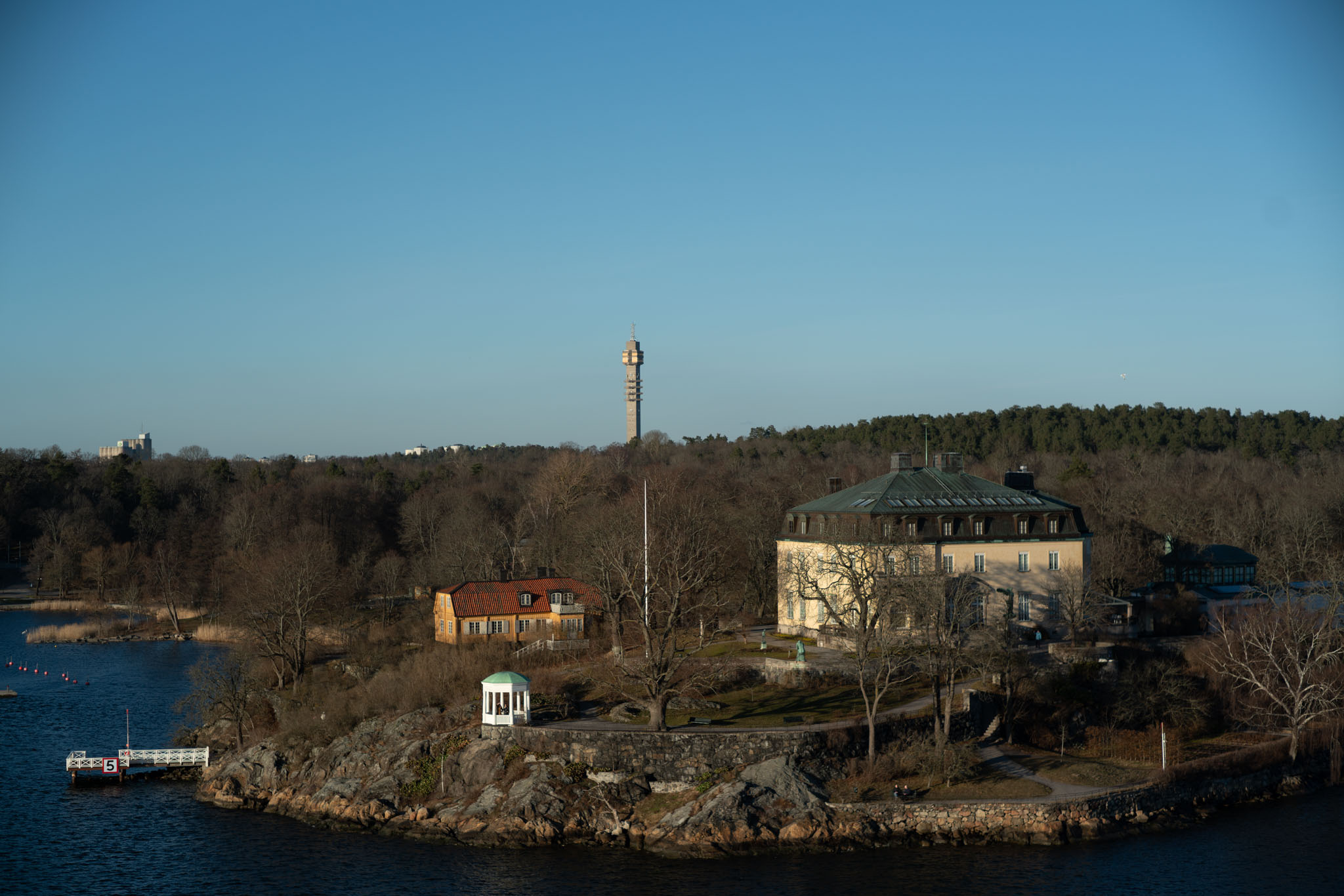
s
Set 2: Grey days in the Finnish countryside
5 April 2026






1/60 s
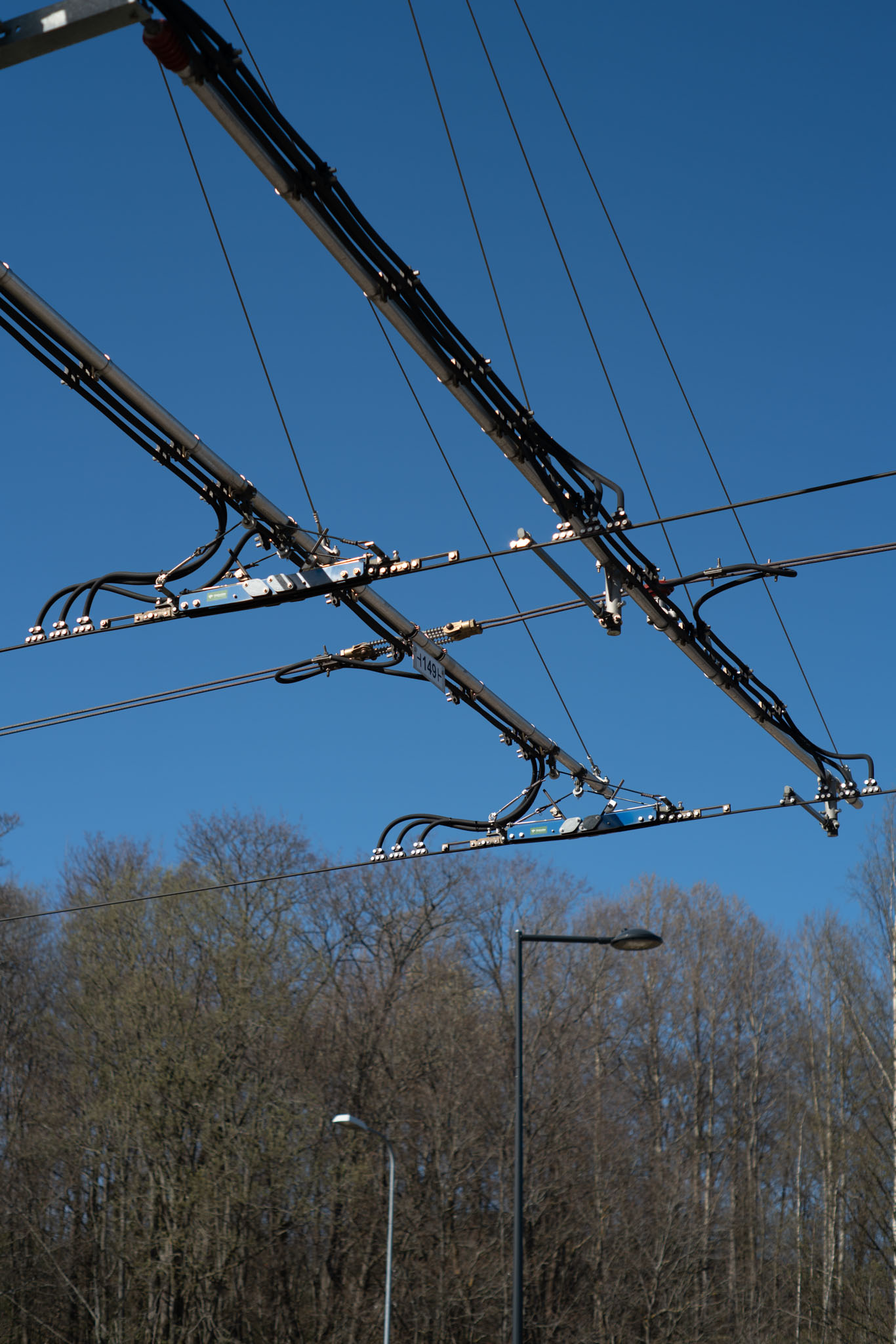
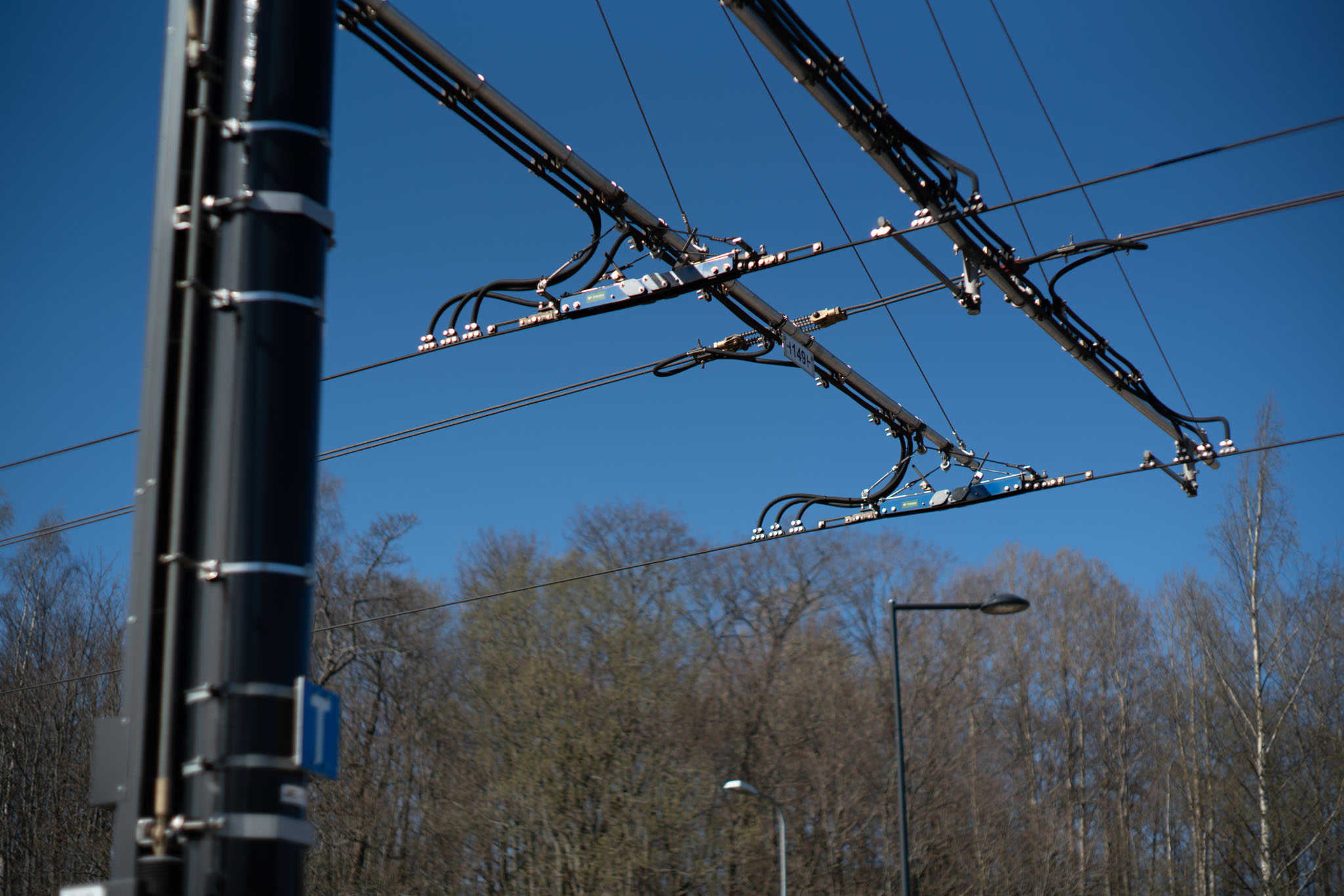
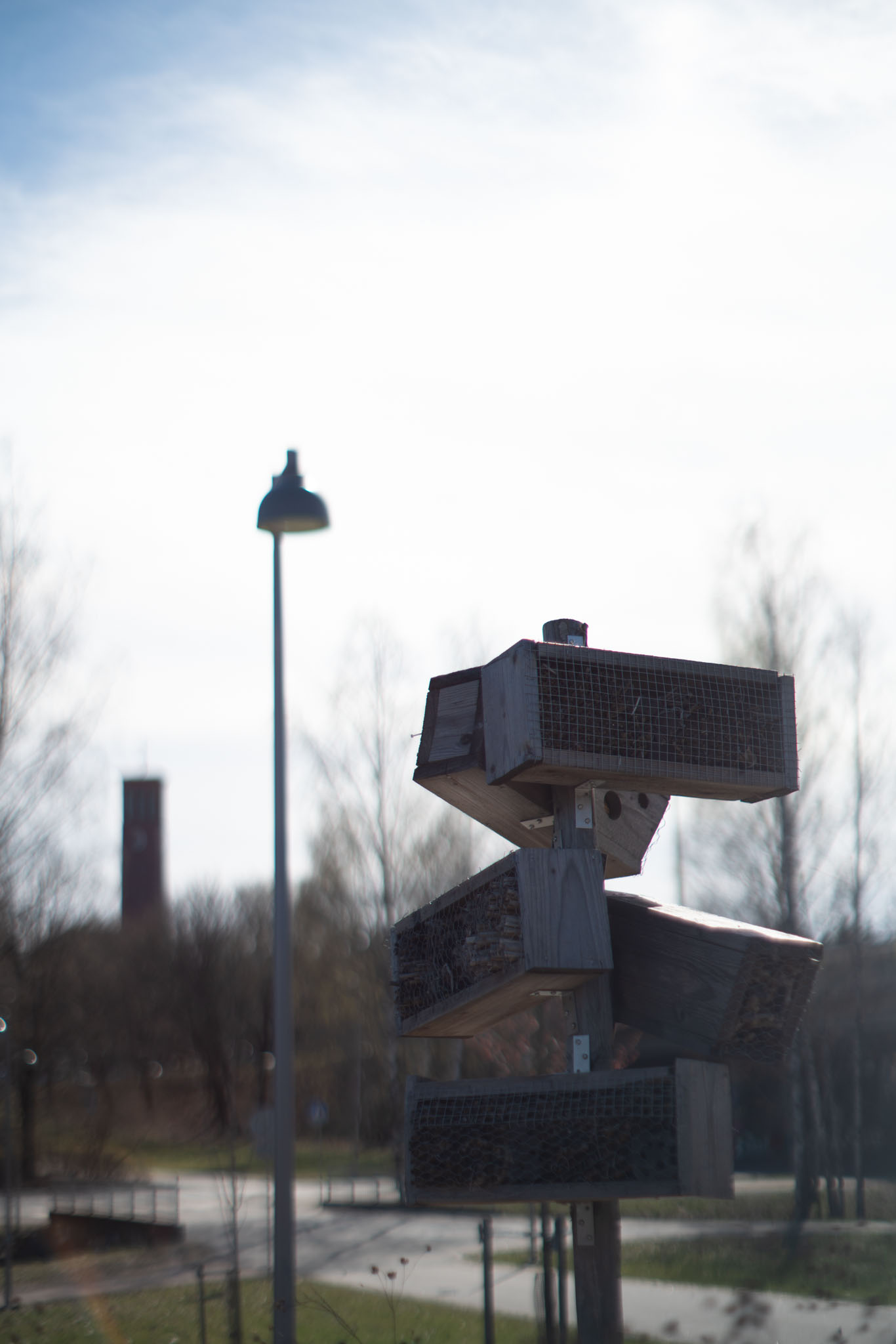
Set 3: From Pasila to Kumpula campus
22 April 2026


Footnotes
- In practical terms, the long flange focal distance caused by the SLR mirror box lead to that standard lenses could either
• be more symmetrical and better corrected but have a longer focal length, or
• be less well corrected and offer a shorter focal length. ↩︎ - The other big Japanese lens manufacturers transitioned from 55–58 mm fast fifties to 50 mm designs in 1962 (Nikon), 1973 (Konica, Minolta and Topcon) (* Canon and Pentax went straight for the 50/1.4 design) ↩︎
- Mr. Granas is likely the top authority on Konica AR-era lenses and cameras and you can access his typology here. ↩︎
- AR is short for ‘Auto-Reflex’ – the 1965 Konica Camera that launched the Mount and the successful line of cameras. ↩︎
- Firstly, the AR mount was from the beginning geared to enable shutter priority auto exposure. Considering that that the mount was launched 1965, this makes it a very early such mount (e.g. the Canon FD mount that offered the same functionality was launched 6 years later). Secondly, at 40,5 mm, the Flange focal distance of the Konica AR mount is unusually short, meaning that Konica AR lenses could not be adapted to other cameras before the launch of Mirrorless cameras. ↩︎
- No changes to exposure or colours, no sharpening, no denoising, no defringing. License plates and identifying marks retouched when necessary. ↩︎
- What I aim to say is that the difference in sharpness between any two full apertures is so minor that your choice of aperture is likely more determined by other factors (such as shutter speed or depth-of-field). ↩︎