Pekka Buttler, March 2026
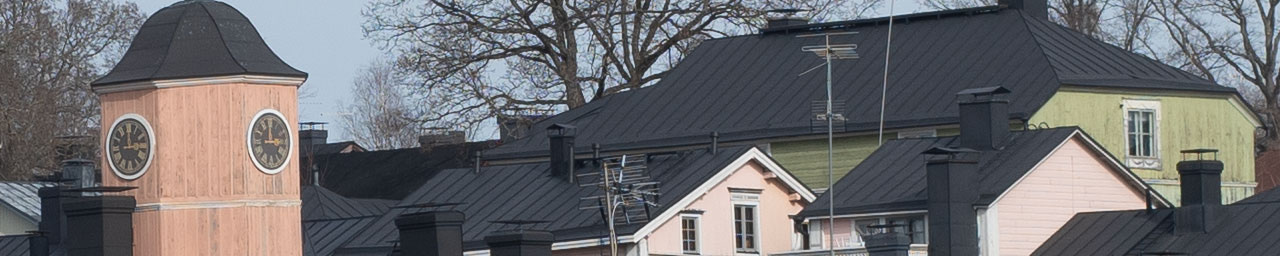
(Featured image: 1:1 crop from the old town ‘skyline’ @f/8)
Introduction
This lens’ data sheet is forthcoming.
In 1960 Carl Zeiss launched the (in retrospect: legendary) 55 mm f/1.4 Planar for its professional Contarex system. While the Contarex was highly respected and the 55 mm f/1.4 Planar is – to this day – a legendary lens, the Contarex system was not a business success. The Contarex system’s (and Zeiss Ikon’s other camera systems’) economic performance was in fact so bad that in 1972 Zeiss Ikon decided to entirely quit camera production. As a result, Carl Zeiss lens division suddenly lacked an in-house taker of lenses.
Rollei had launched its 35 mm SLR system in 1970 and Carl Zeiss had produced lenses for that system from day one. In 1972, they also introduced a new 50 mm f/1.4 lens for the Rollei SLR system. That lens was initially manufactured my Carl Zeiss in West Germany, and was sold as the “Carl Zeiss Planar 1.4/50 HFT” in western markets and as the “OPTON Oberkochen Pl 1,4/50 HFT” in the East Bloc1.
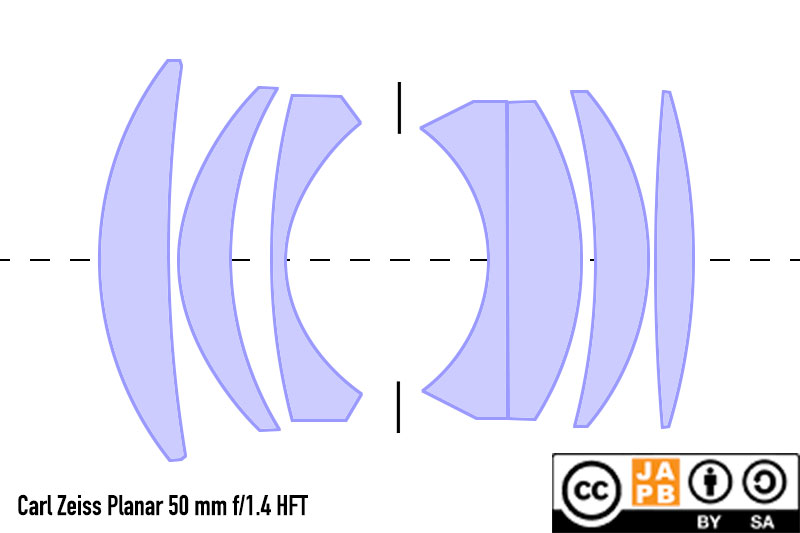
Subsequently production of this lens (and other Carl Zeiss lenses for the Rollei system) was gradually shifted to Rollei’s Singapore factory and naming of the lenses started to reflect this. After some point (it is somewhat unclear when that was) all of the lenses2 were sold as “Rollei-HFT Planar 1,4/50“.
As it soon turned out, Rollei’s plans on developing an SLR system to challenge the Japanese camera giants was less than successful, and Carl Zeiss would end up repurposing this same design as the Fast standard lens for the premium Contax/Yashica system. Hence, it makes sense to distinguish between the ‘Rollei Zeiss‘ and the ‘Contax Zeiss‘.
Read on to see my attempt at describing this lens’ strengths and weaknesses.
Ergonomics
First off, when Rollei in 1970 launched its 35 mm SLR system, they designed a proprietary Bayonet mount for their cameras and lenses – the Rollei QBM (Quick Bayonet Mount). The Rollei bayonet mount is in not unlike many other bayonet mounts (like Minolta SR, Konica AR and Contax/Yashica mounts, it has a three-pronged male bayonet with a locking notch on one of the bayonet prongs. On the other hand the mount is very straightforward, meaning that nothing special (such as aperture activation rings or aperture setting rings) is required. While Rollei QBM adapters are not 13 a dozen, availability is not an issue.
Assuming you already have an Rollei adapter for your camera, you just insert this lens, twist and listen for the locking mechanism to snap. Then you go shooting.
The Carl Zeiss Planar 50 mm f/1.4 HFT is not a big lens. While it does not have a 46 mm filter thread like the Miranda Auto 50/1.4 it is an overall compact, solid feeling package. The overall design is somewhat conservative (the lens looks a bit older than it actually is), but not badly so.
From the front to the back the lens features a traditional thread mount for filters and hoods, a metal focus ring with lengthwise ribbing, a DOF scale, and an aperture ring with ribbing on the entire ring (except the numbered area) as well as a selector for choosing between auto aperture and manual aperture. The lens’ focus ring moves lightly and smoothly while the aperture ring is a bit on the heavy side but with quite mild half-stop clicks from wide open to f/11.
As I have now been using the lens predominantly in the Finnish early spring, I have partially been using fleece gloves. In such a situation the focus ring and aperture rings pose no issue. I have shot this lens a decent amount of time (only adapted thus far) and whenever I’ve decided to check what my aperture value is (when I’ve counted the rapid clicks and think I am at a specific aperture, only to decide to nevertheless check it visually) I have almost invariably been right on target.
Setting the scene:
This walk-around combines imagery from several short outings between 11.3.2026 and 13.3.2026. After a cold winter, these days have seen a lot of sunshine and a rapidly progressing thaw. At this stage of spring, snow and ice mostly only cover bodies of water and shadowed areas. In terms of photography the settings can still be very challenging (bright sunshine and white snow makes for extreme contrasts). At the same time, there have yet not been any rains to wash away all the dirt that accumulated over winter and on sunny days like this, traffic can churn up an amount of dust that – in some pictures can be seen as a pervasive haze.
Images and commentary
Vignetting
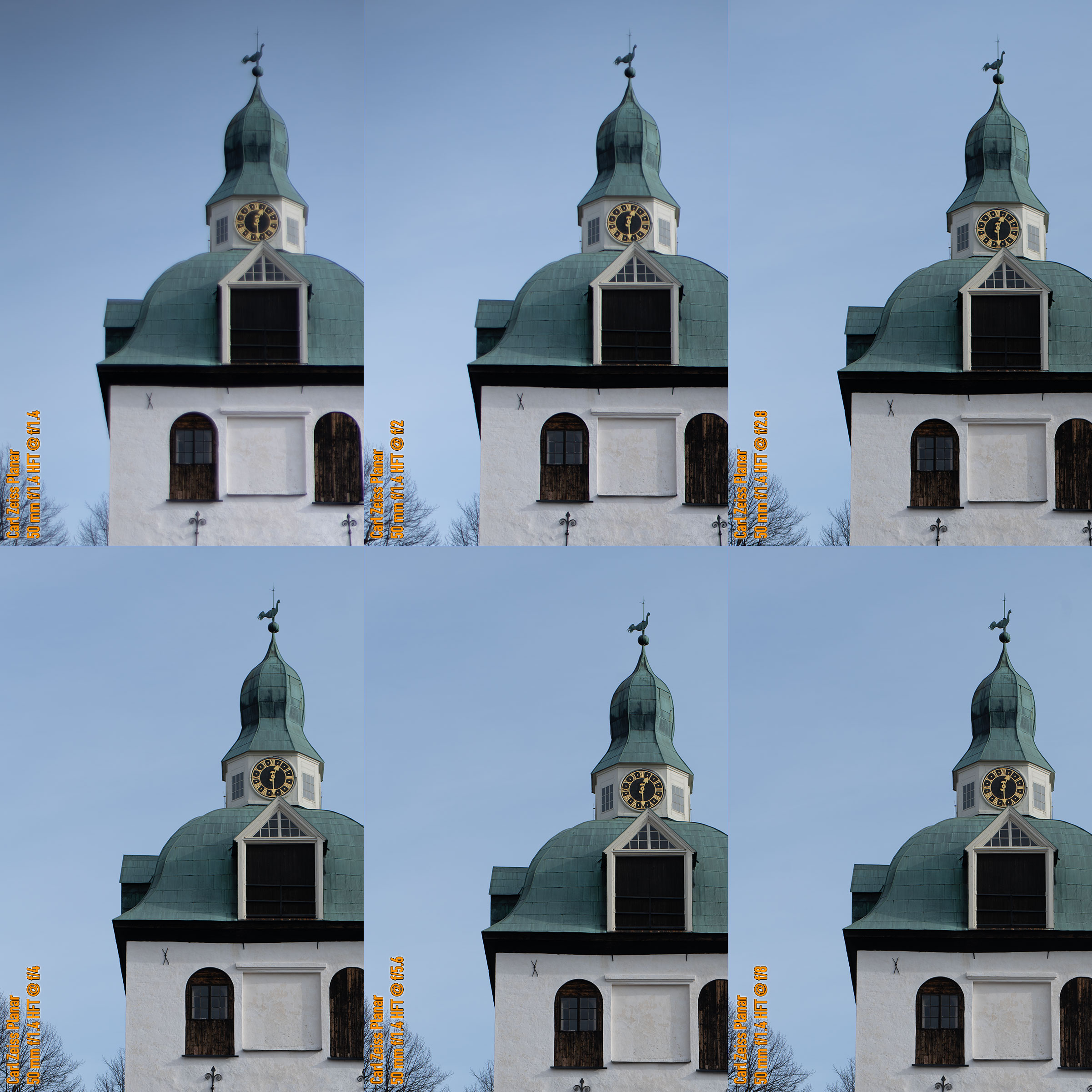
For once, lets start by discuss vignetting. There is a general tendency for vignetting to be somewhat affected by the size of the front element. Here the Rollei Zeiss puts on a surprisingly good show. Not only is the vignetting wide open relatively mild, it stops being field-relevant after f/2 and from f/4 onward, no trace of vignetting is visible
(click to open larger version)
Veiling and ghosting
The 1970s was an era when most lens manufacturers tried to market their lenses with advances in coating technology. Here too, the HFT acronym in the lens’ name refers to ‘High Fidelity Transfer’ – a coating technology developed by Zeiss based on its own T* coating technology. Hence, one should be able to expect relatively good performance in backlit shots.
Based on looking at my haul of images from these three days, it seems I’ve generally avoided pointing the lens at the sun, likely due to the aforementioned dust and its tendency to make skies on the sun’s side white instead of blue. Because there is certainly nothing especially wrong with the lens’ ability to cope with ghosting and veiling. Sure, you can get the lens to produce some ghosts – rarely – and in circumstances like this, some veiling is sure to happen. At the same time, this lens certainly performs about average for an early 70s fast fifty.
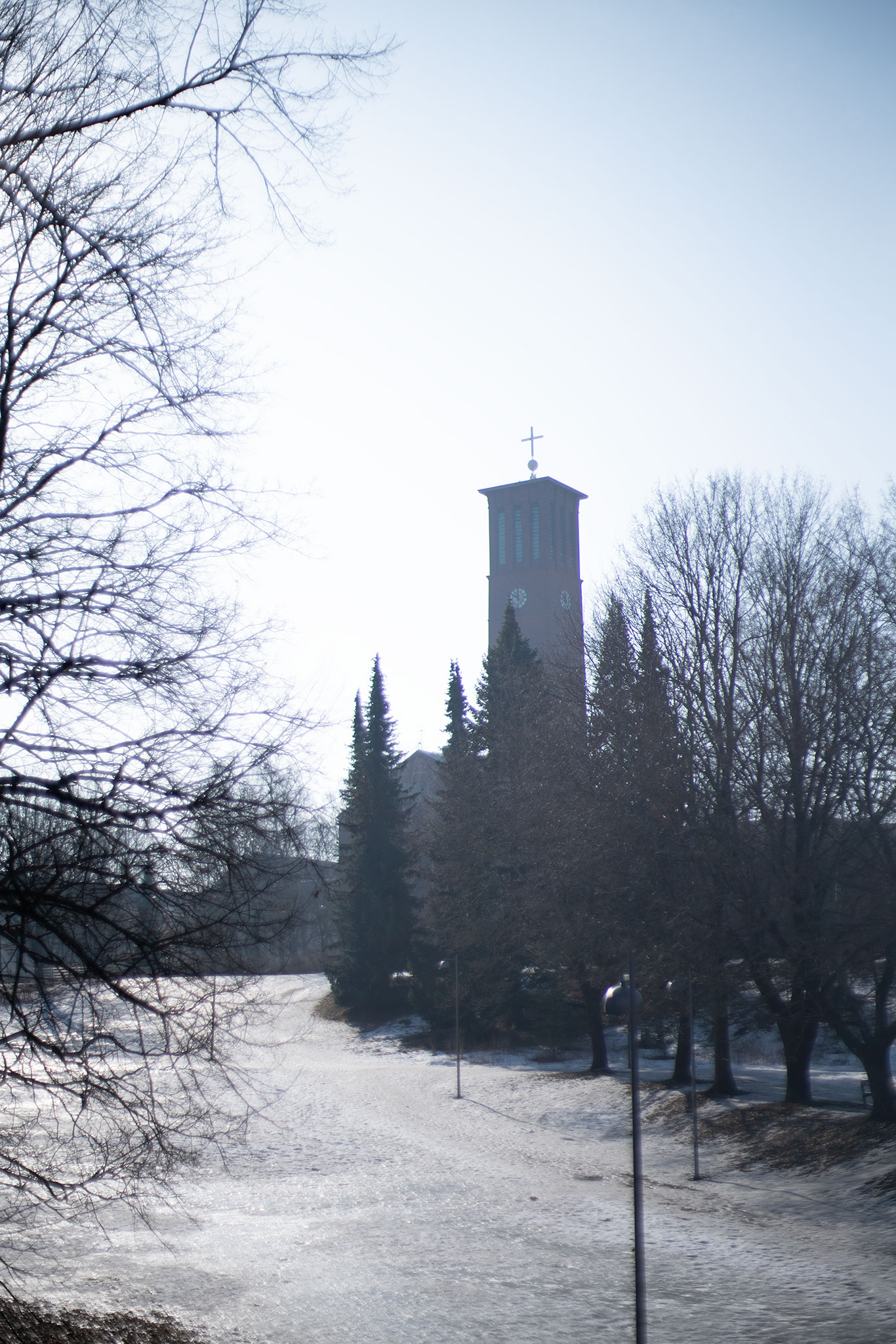
Carl Zeiss Planar 50/1.4 HFT @ f/1.4, 1/8000 s, ISO 100
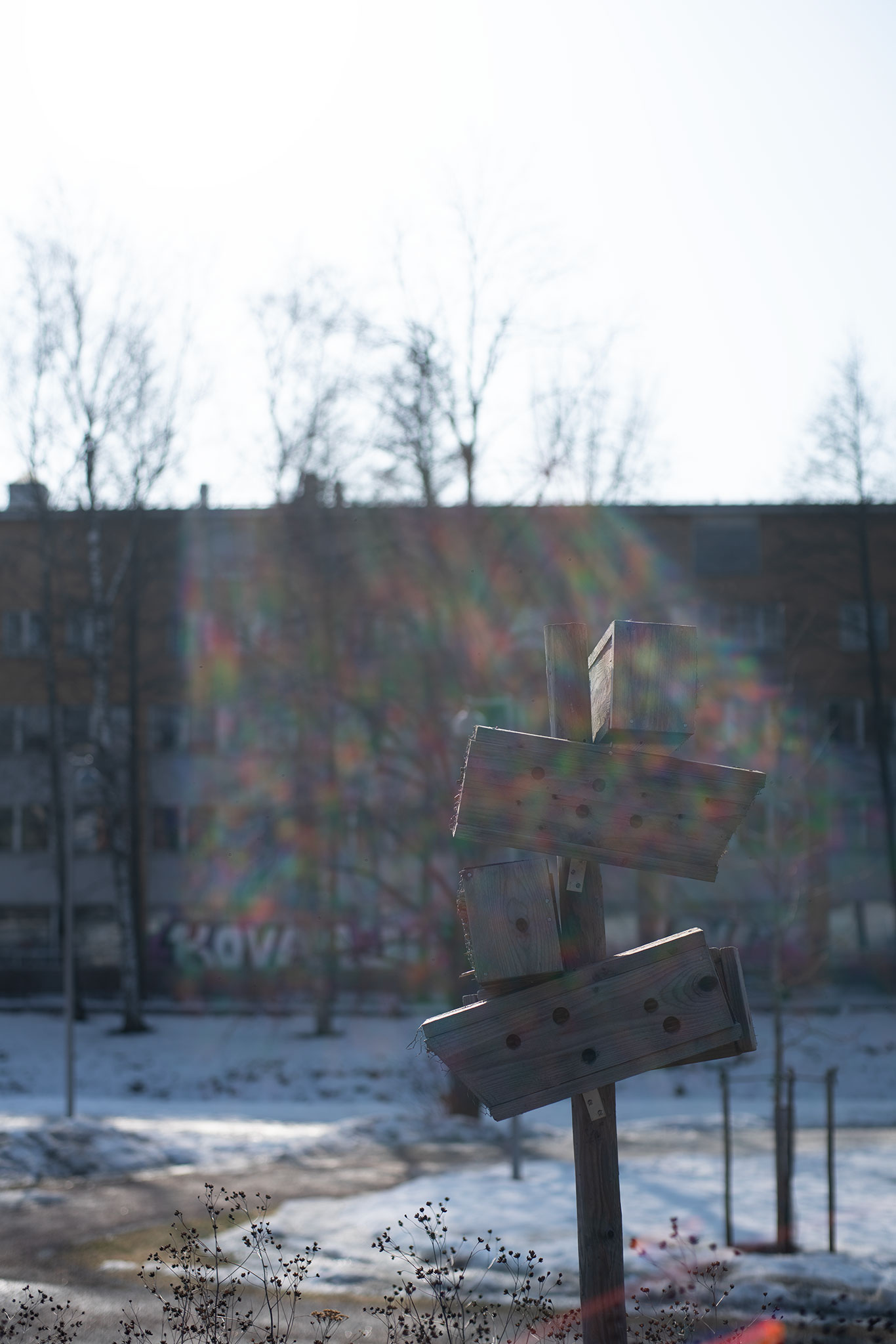
Carl Zeiss Planar 50/1.4 HFT @ f/2.8, 1/2500 s, ISO 100
Chromatic aberrations
Before we discuss sharpness, there is one thing that needs to be addressed, namely chromatic aberrations. Because, as it so happens, chromatic aberrations clearly are one of this lens’ main weaknesses.
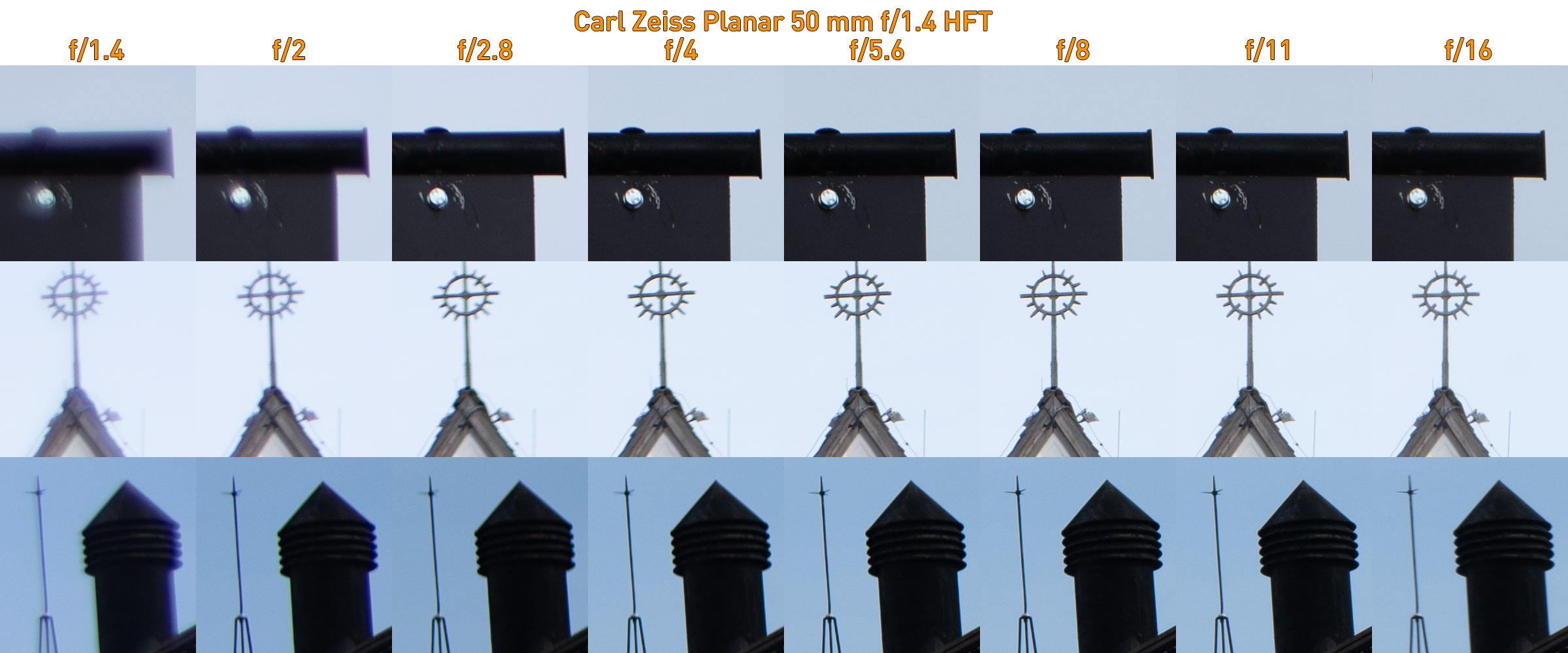
This collage above gathers 1:1 crops from several series of shots from the old town of Porvoo show that when dealing with high contrast transitions, longitudinal chromatic aberrations can be a real issue at wider apertures. In these images the issue is almost ludicrously strong wide open (these are 1:1 crops), and still clearly present at f/2.
I sometimes get asked why test shots always use such ludicrous scenarios – who in their right mind would shoot landscapes wide open on a bright day and expect sharpness? The question is understandable, but it misses the point. When we shoot in such circumstances (see the image of St. Paul’s church above, clearly overexposed even at the fastest shutter speed available) we do so to accentuate the lens’ failings (so that they become visible to the naked eye). While you might never shoot your fast fifty wide open in bright sunlight, you will use your fast fifty wide open. The Chromatic aberration clearly visible in these images is not a characteristic of high-contrast transitions, it is an essential characteristic of the lens that becomes clearly visible at high-contrast transitions.
Focus shift
If you looked closely at the series of CA shots above (especially the middle row), you might have noticed that going from f/2 to f/2.8 the colouring of the CA shadows changed. This raised some suspicions, and made me take a few dedicated test shots to test for focus shift.
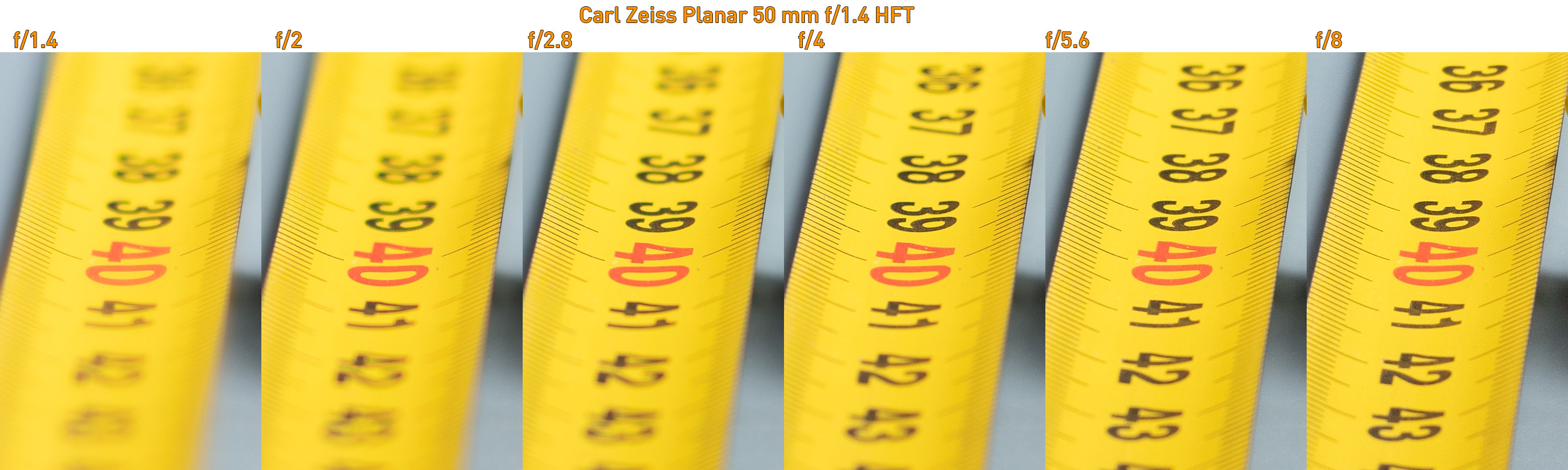
Going from wide open to f/2 there seems to be little in the way of focus shift, but going to f/2.8 and beyond, it starts to become quite obvious that the sharpest focus is behind the wide open focus. When going to f/5.6 and beyond, the increased depth of field entirely compensates for the focus shift, but it does mean that this lens effectively focuses behind when stopped down to f/2.8–f/4. You can feel free to peruse the JAPB article on focus shift for details, but this does mean that if sharpness at the focus point is critical, this lens should be focused at the intended aperture (not wide open)
Sharpness
Finally, we get to sharpness: unless you know the difference between ‘definition’ and ‘contrast’, you better read up on the distinction.
In among the dilapidated buildings of what used to be the Kellokoski iron works, I found a charming brick wall that offered what I need for a sharpness test.
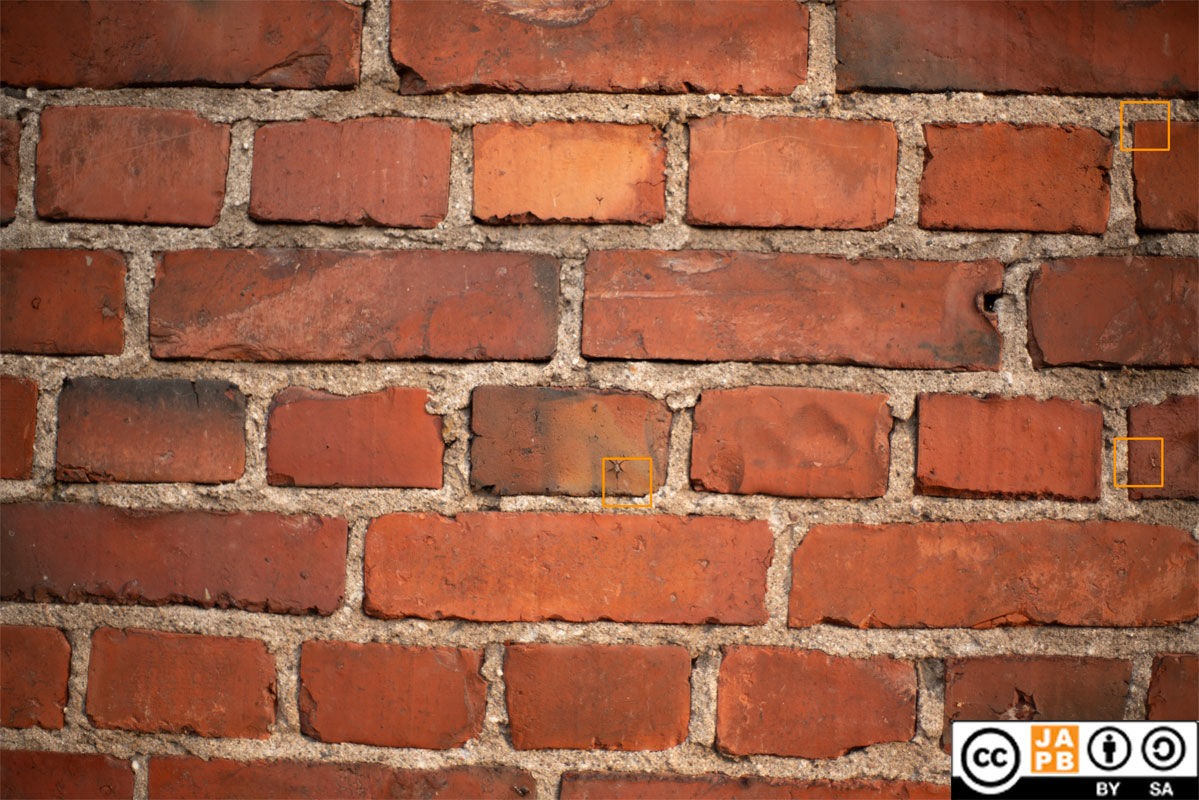
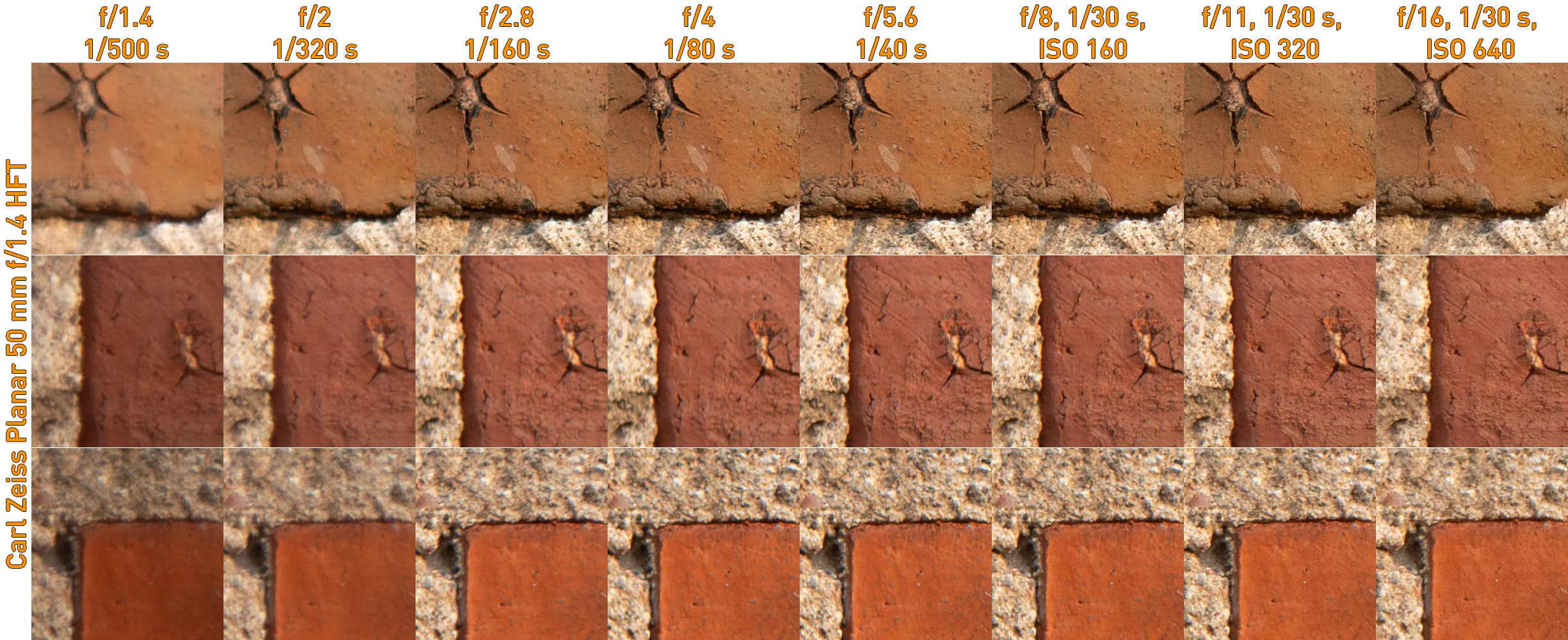
Right click and open in a new tab for bigger version.
Few expect a legacy lens from the early 1970s to match the sharpness of modern glass, and most know that if you shoot an early 70s fast fifty wide open, sharpness is not in the cards.
Looking at the centre crops, f/1.4 is dreamy, f/2 is a bit soft, but from f/2.8 onwards sharpness is more than decent with peak sharpness reached at f/8. Interestingly, wide open the main failing is not a lack off contrast, but instead a lack of definition (the grains in the mortar are almost indistinguishable). Diffraction starts eating into definition at f/16.
In the border crops the story is largely the same. Wide open shows some signs of vignetting (but that effect is gone at f/2). Interestingly the border shots do not show less definition than the centre shots, but whereas the centre crops gain their full sharpness relatively quickly, the progress is considerably slower in the border areas. While f/5.6 starts showing good sharpness, peak sharpness is reached only at f/11 and even then border sharpness never reaches the level of centre sharpness.
Corner crops tell a similar story. f/1.4 and f/2 crops show signs of vignetting and sharpness increases slowly, reaching peak sharpness at f/8. Interestingly, it seems like the corner sharpness is slightly better than border sharpness, which – while not entirely unusual – is remarkable.
Importantly non of these crops show signs of corner smearing, stretching or other signs of significant aberrations. All in all, the sharpness profile of this lens seems very balanced and uncomplicated. Some spherical aberrations certainly affect the wide open shots, but the situation is by no means bad. We’ve already seen the lens’ propensity toward chromatic aberrations at f/1.4–f/2 and those likely do their part to lessen definition at those apertures, but as long as you can avoid high-contrast transitions and hence avoid visible colour fringes, these issues are not major.
Other aberrations
This lens does have some level of geometric distortions, namely a mild barrel distortion. This geometric distortion should not be a big issue in the normal shooting range). Also, I generally see no clear tint (that the images would be especially cold or warm) so colour balance of the lens is neutral.
The absence of any visible corner smearing means that astigmatism is not egregious, but mild astigmatism could show up as a loss of contrast in corner areas. Sadly, as I have not had a chance to photograph night-time scenes with this lens yet, I cannot give a certain answer regarding astigmatism or comatic aberration. I can however say that the lens does not show notable signs of field curvature. All in all, the lens’ propensity towards longitudinal chromatic aberrations and mild focus shift seem to be the design’s biggest drawbacks.
Summary
The Carl Zeiss 50 mm f/1.4 might be Carl Zeiss first 50 mm f/1.4 lens, but it is clearly a mature product. Vignetting is well controlled, becoming negligible by f/2 and disappearing by f/4, while flare and ghosting performance is above average for its era thanks to advanced coating technology. However, chromatic aberration—especially longitudinal CA at wide apertures—is a major weakness of this lens, producing strong colour fringing in high-contrast situations. The lens also has some focus shift in the f/2.8–f/4 range, meaning that accurate focus requires focusing at the intended aperture rather than focusing wide open.
In terms of sharpness, the lens performs as expected for its era: soft and “dreamy” wide open, improving significantly by f/2.8 and reaching peak sharpness around f/8 (centre) and f/8–f/11 (edges and corners). While edge and corner sharpness never fully match the centre, the overall rendering is balanced and free from severe aberrations like smearing or blatant effects field curvature. In sum chromatic aberration and focus shift stand out as the lens’s main limitations whereas the lens is otherwise clearly above average for its era.
Gallery
All images were taken with a Sony ⍺7R2 and the Carl Zeiss Planar 50 mm f/1.4 HFT lens using a no-name adapter. All shots in RAW, WB Sunny, handheld with IBIS on.
Edit in post: ACR default conversion only3, straighten, resize to 2k, save as JPEG quality 60. Unless otherwise specified, sensitivity is ISO100.
Click the thumbnail for a 2k version. If you want to pixel peep the original RAW files, please get in touch or leave a comment.
Take 1: Around the Vallila allotments (Helsinki)
These images were taken on the 11.3 around noon. As is evident from many images, there is considerable dust haze in the air.
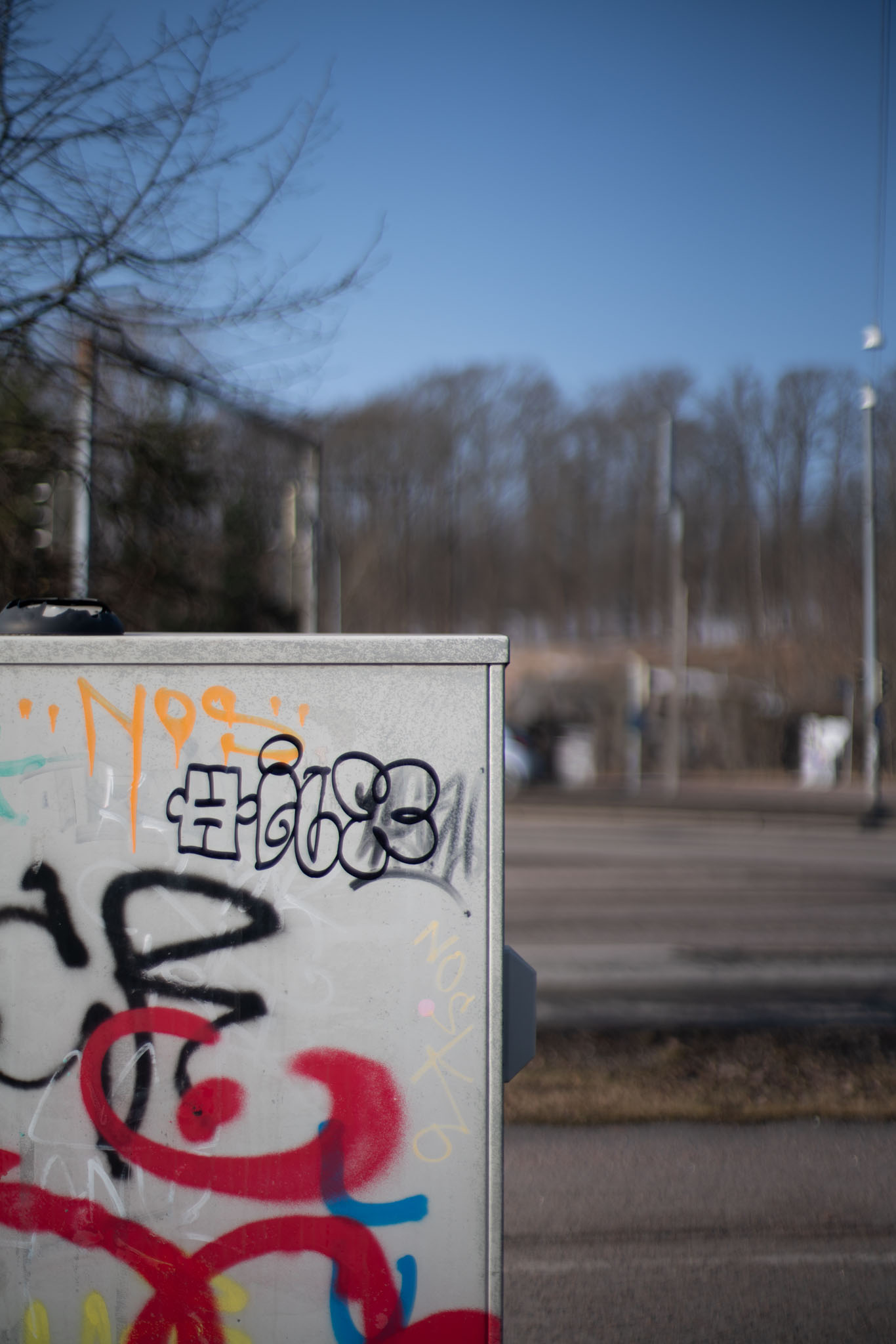
@ f/1.4, 1/6400 s
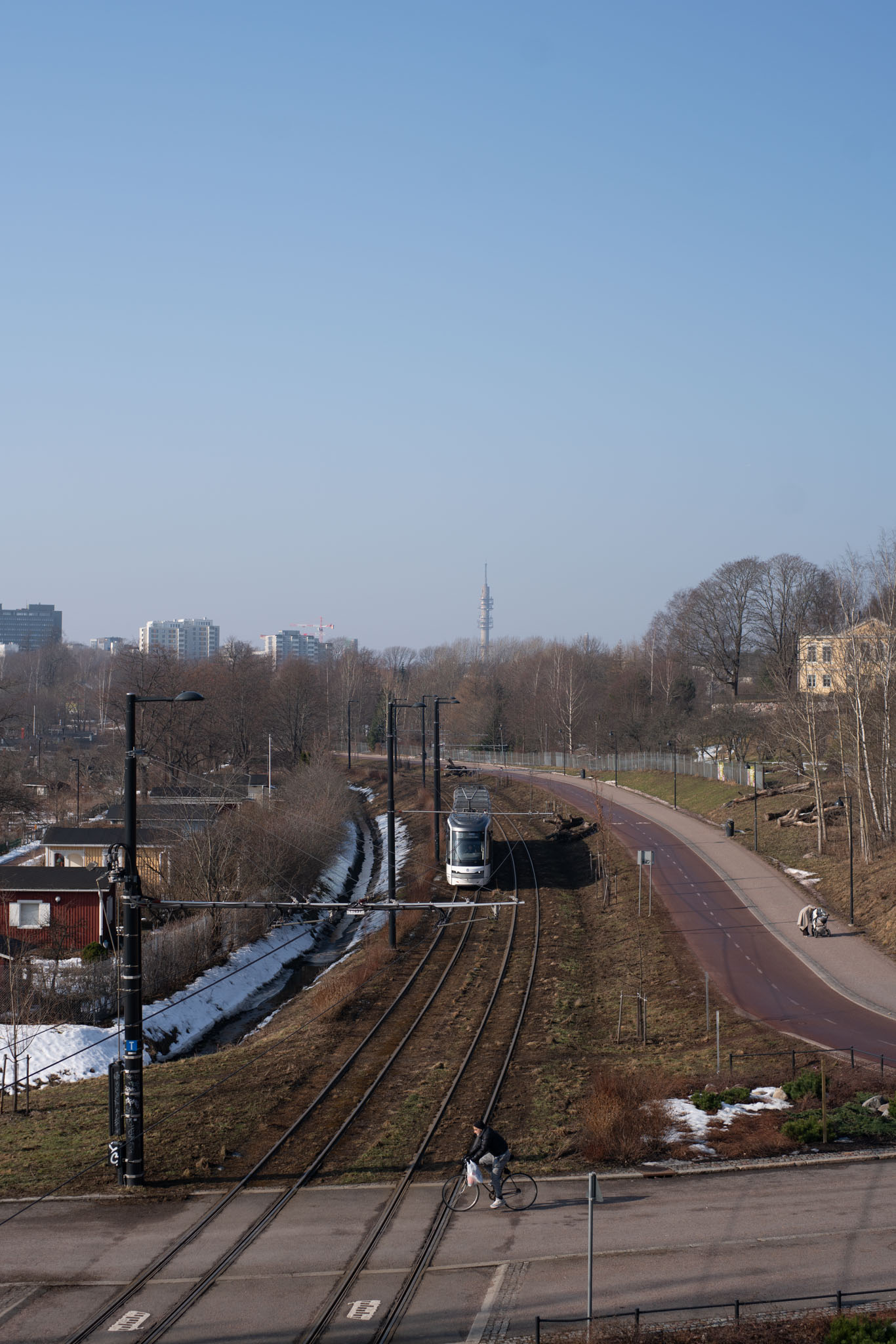
@ f/4, 1/1250 s
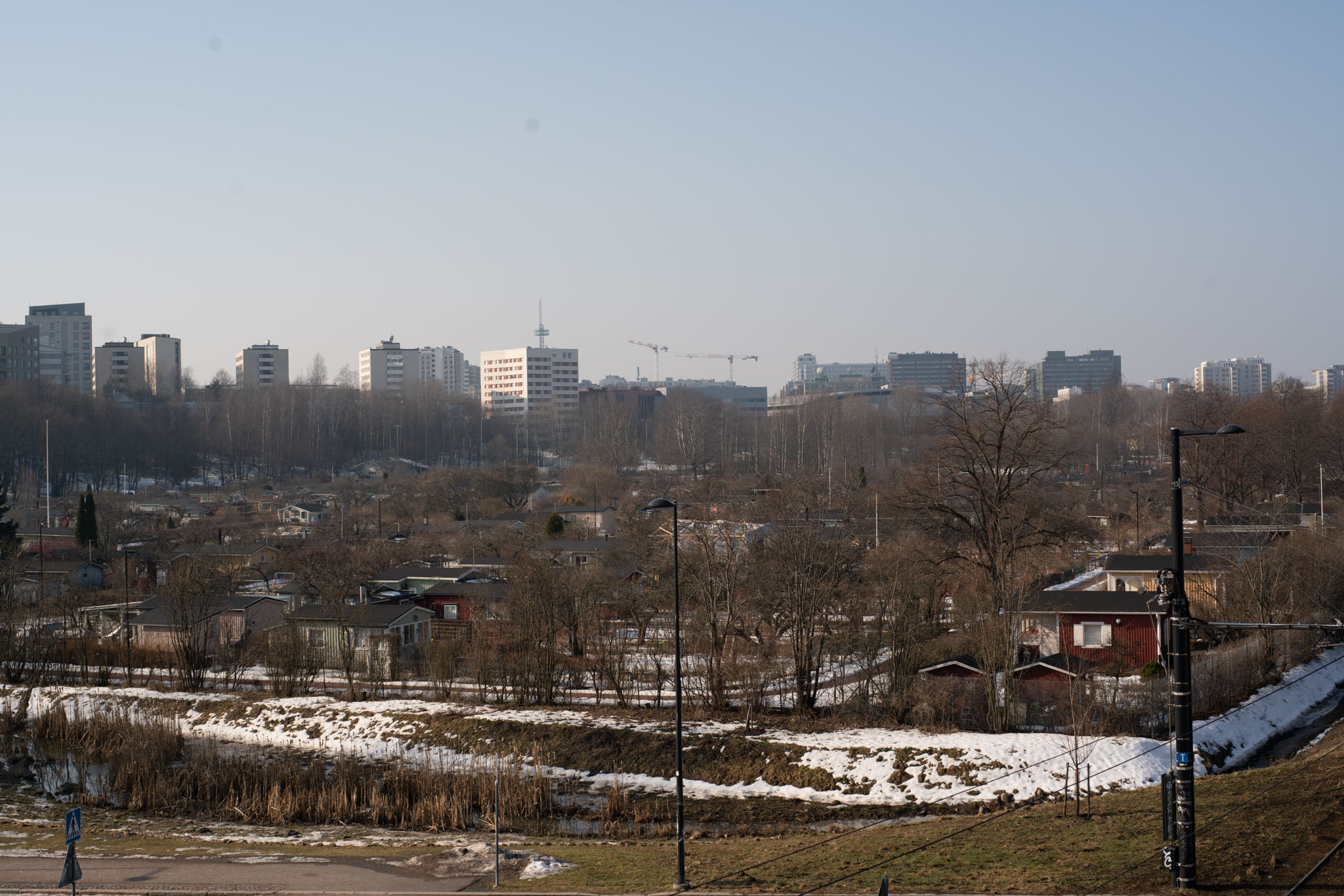
@ f/8, 1/640 s
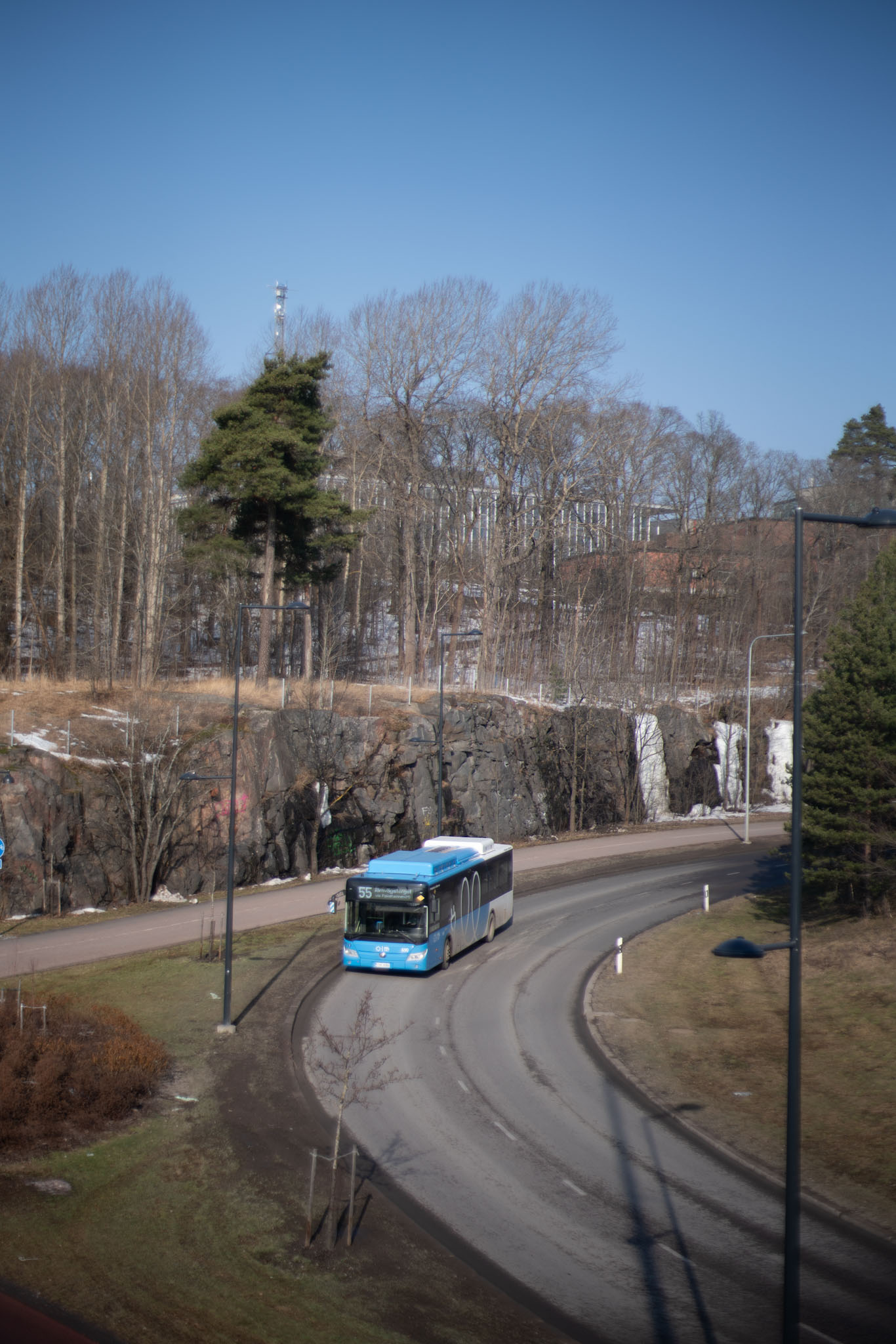
@ f/1.4, 1/6400 s
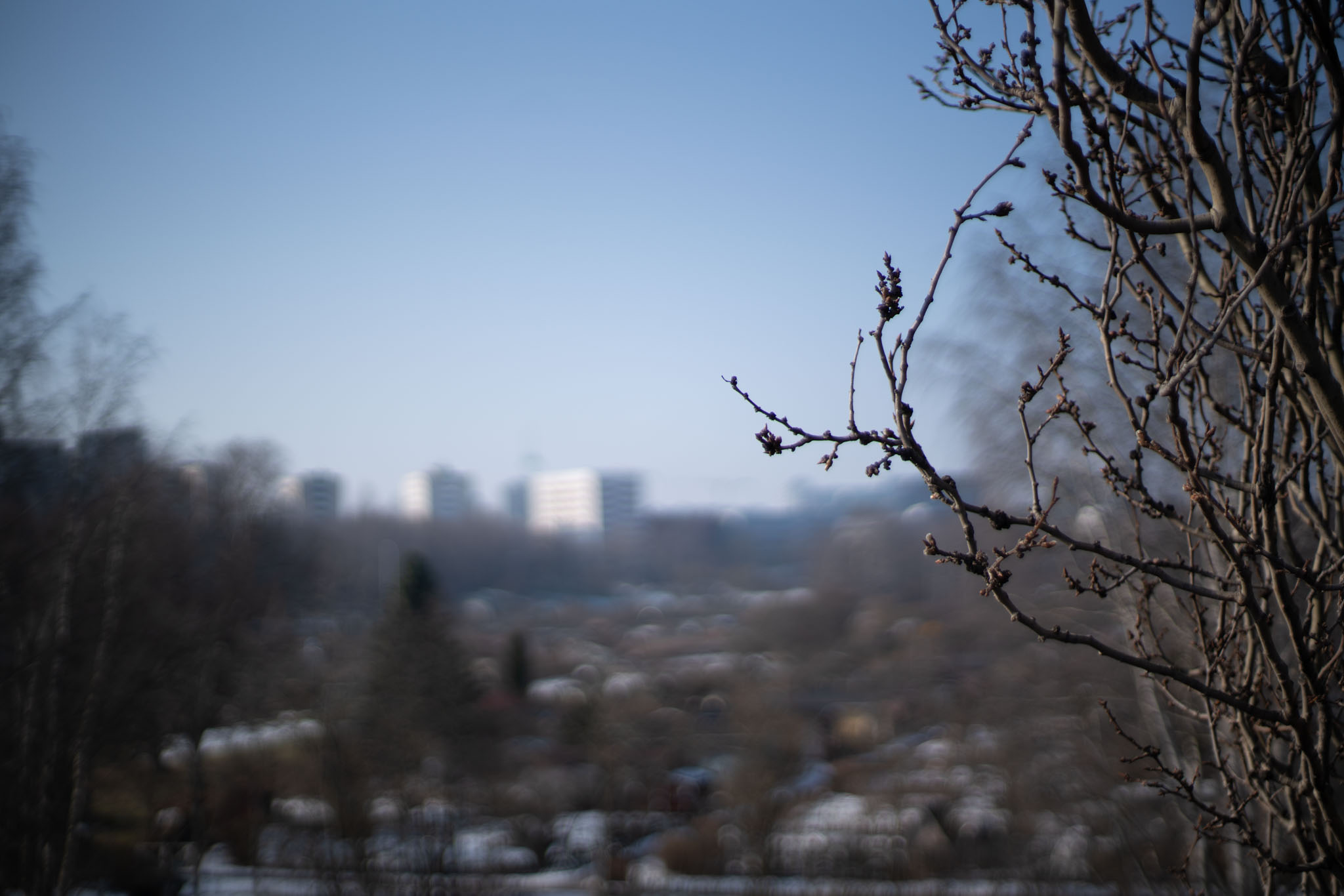
@ f/1.4, 1/8000 s
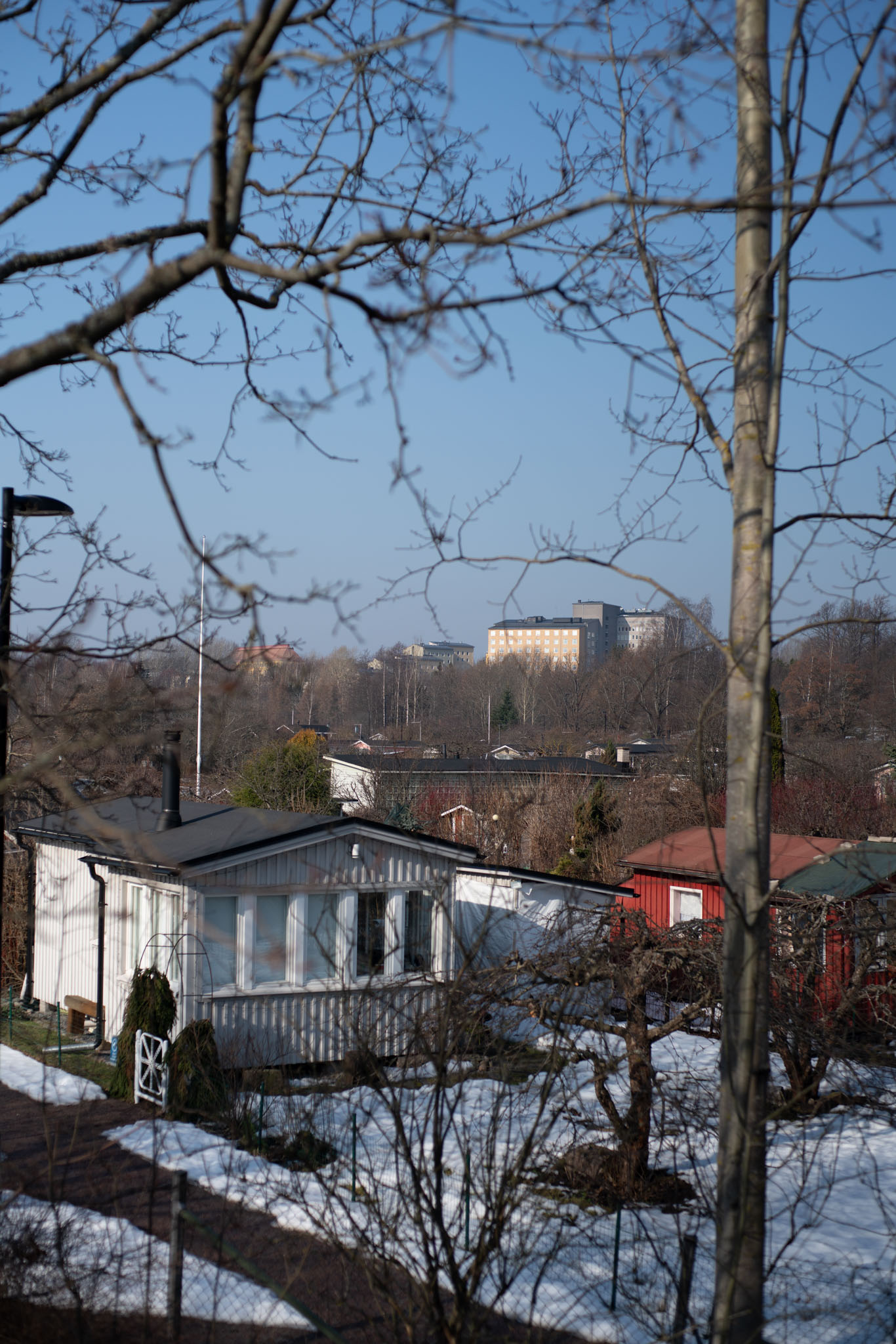
@ f/2.8, 1/2500 s
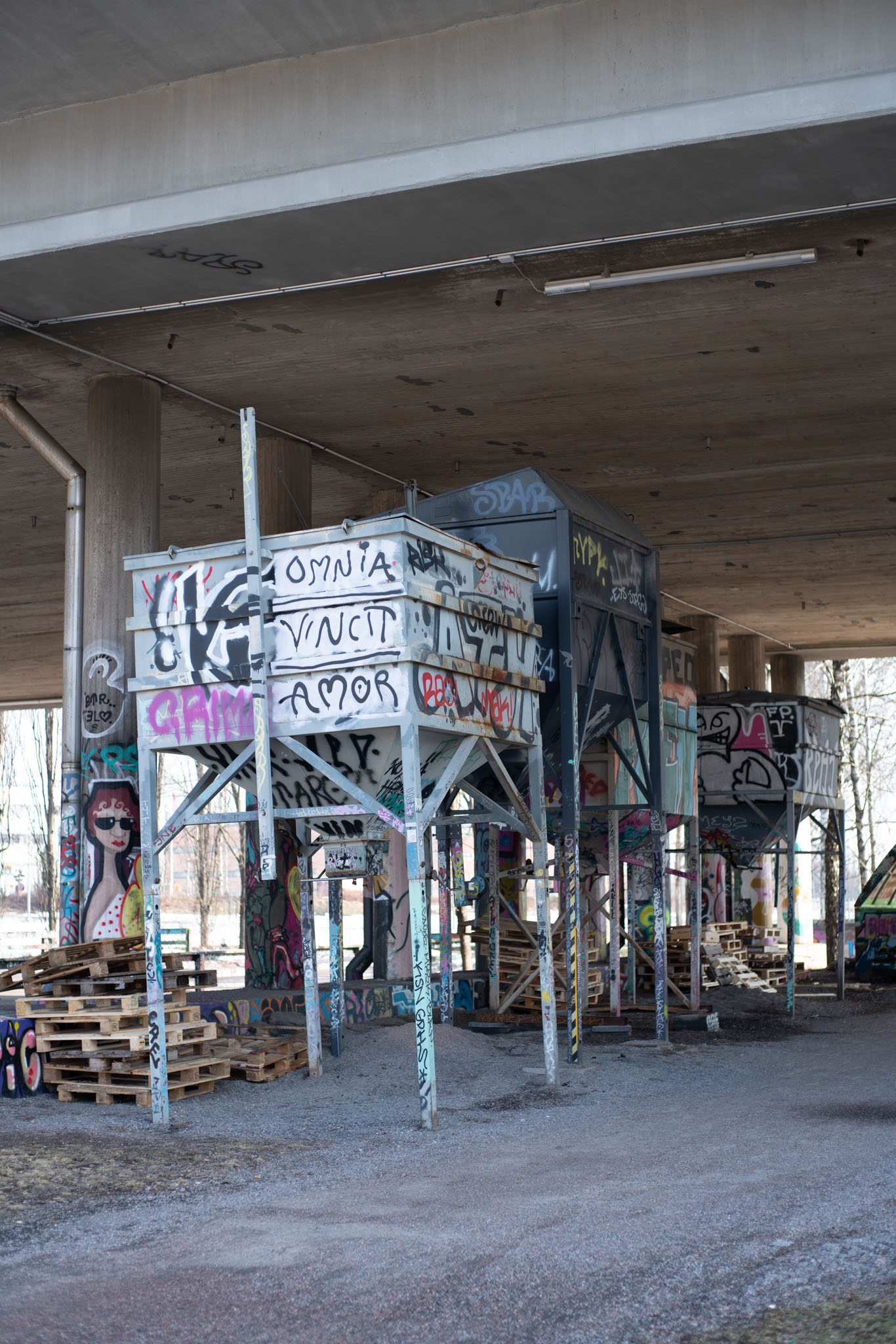
@ f/2.8, 1/250 s
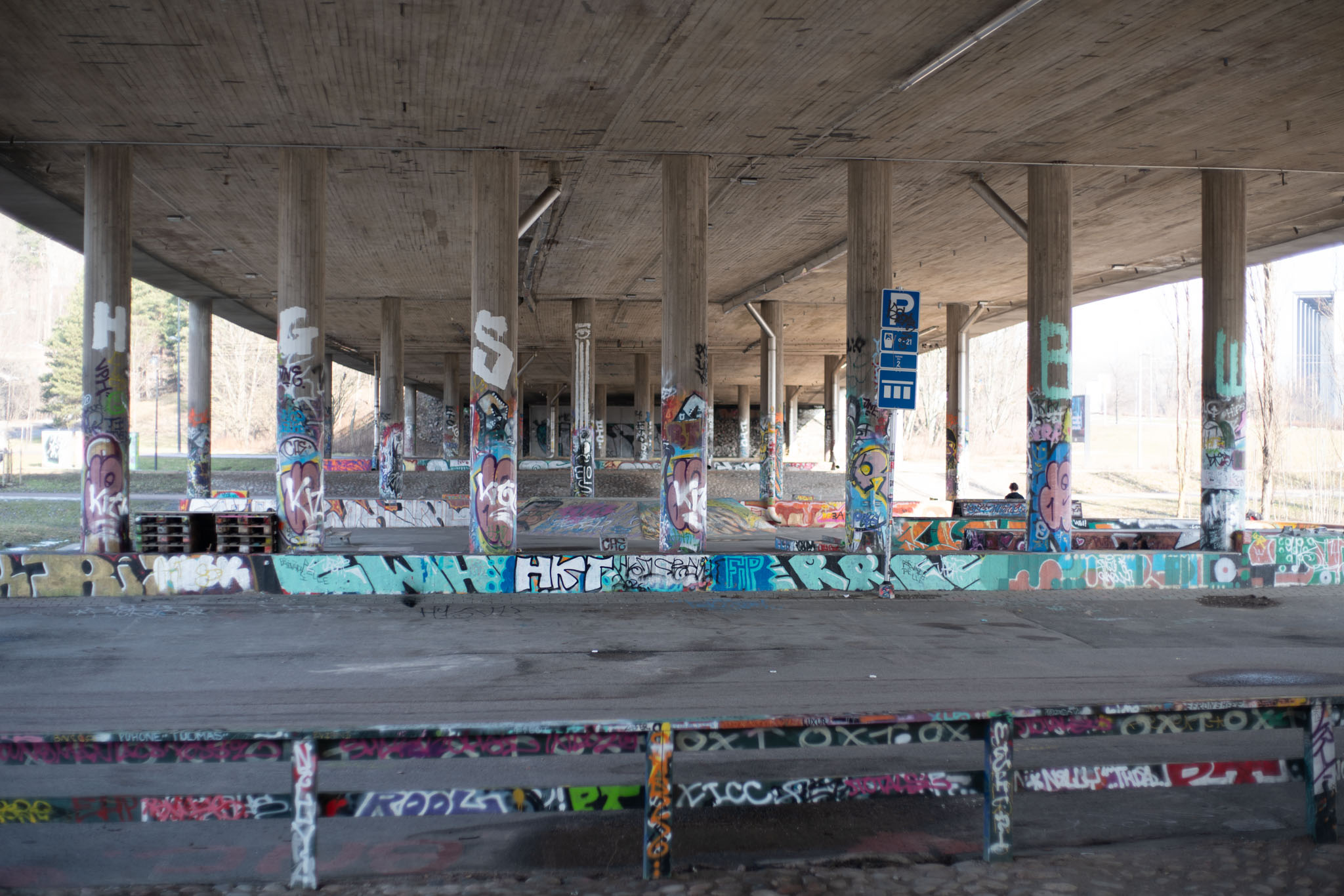
@ f/2, 1/320 s
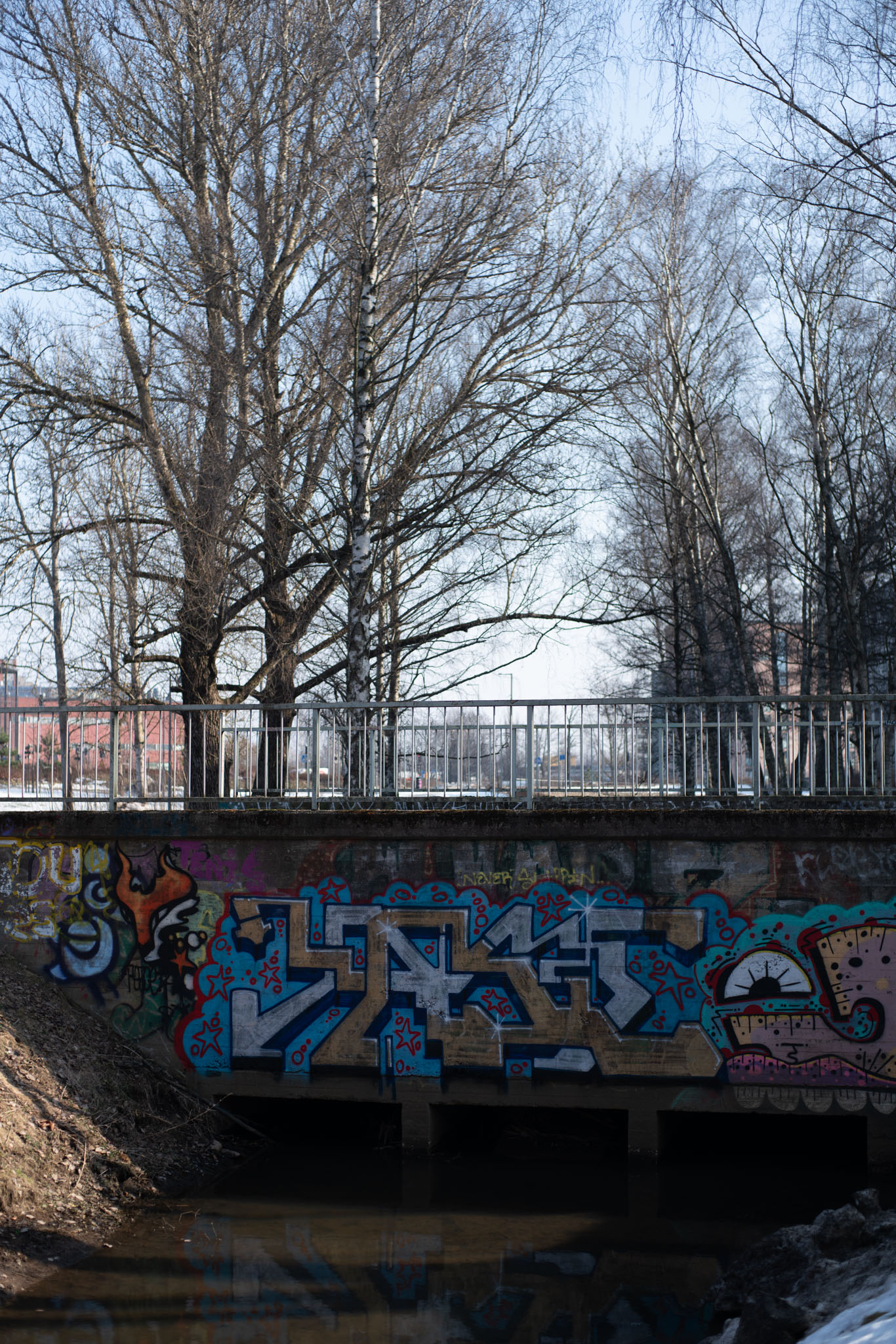
@ f/2.8, 1/1000 s
Take 2: At the Kellokoski old iron works
These images were taken around 5 pm (sunset is less than two hours away) in the Kellokoski old iron works.
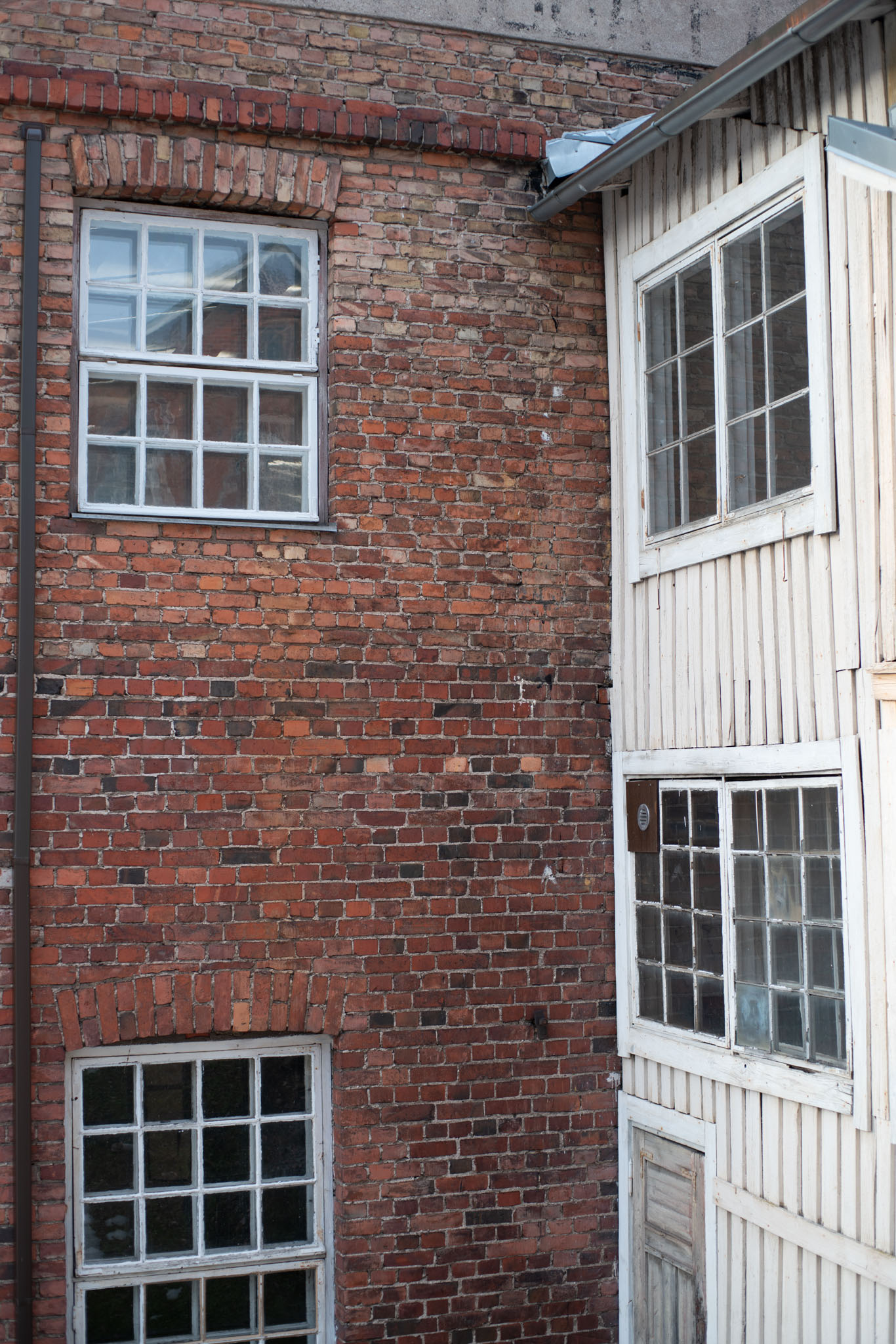
@ f/2.8, 1/125 s
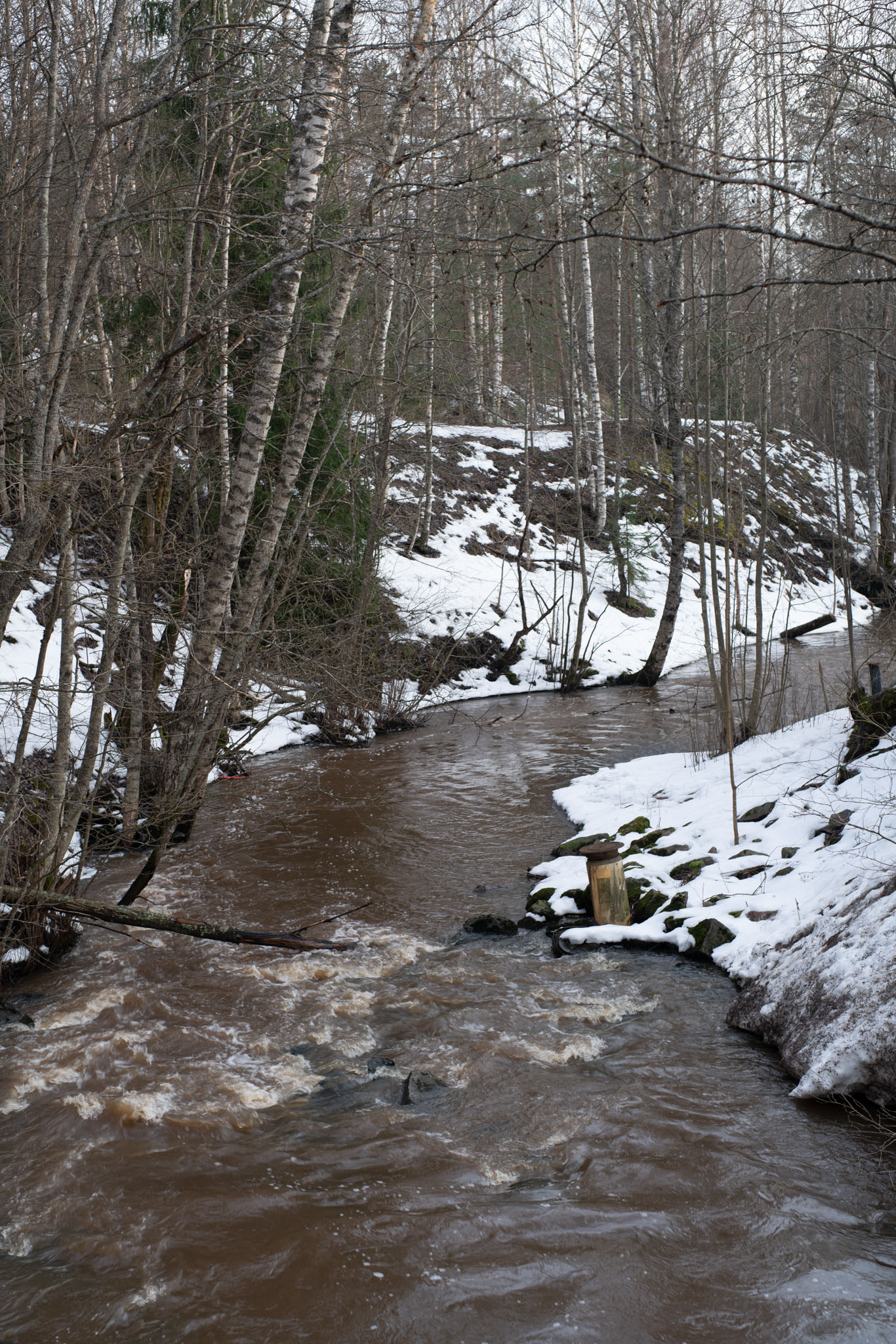
@ f/5.6, 1/40 s
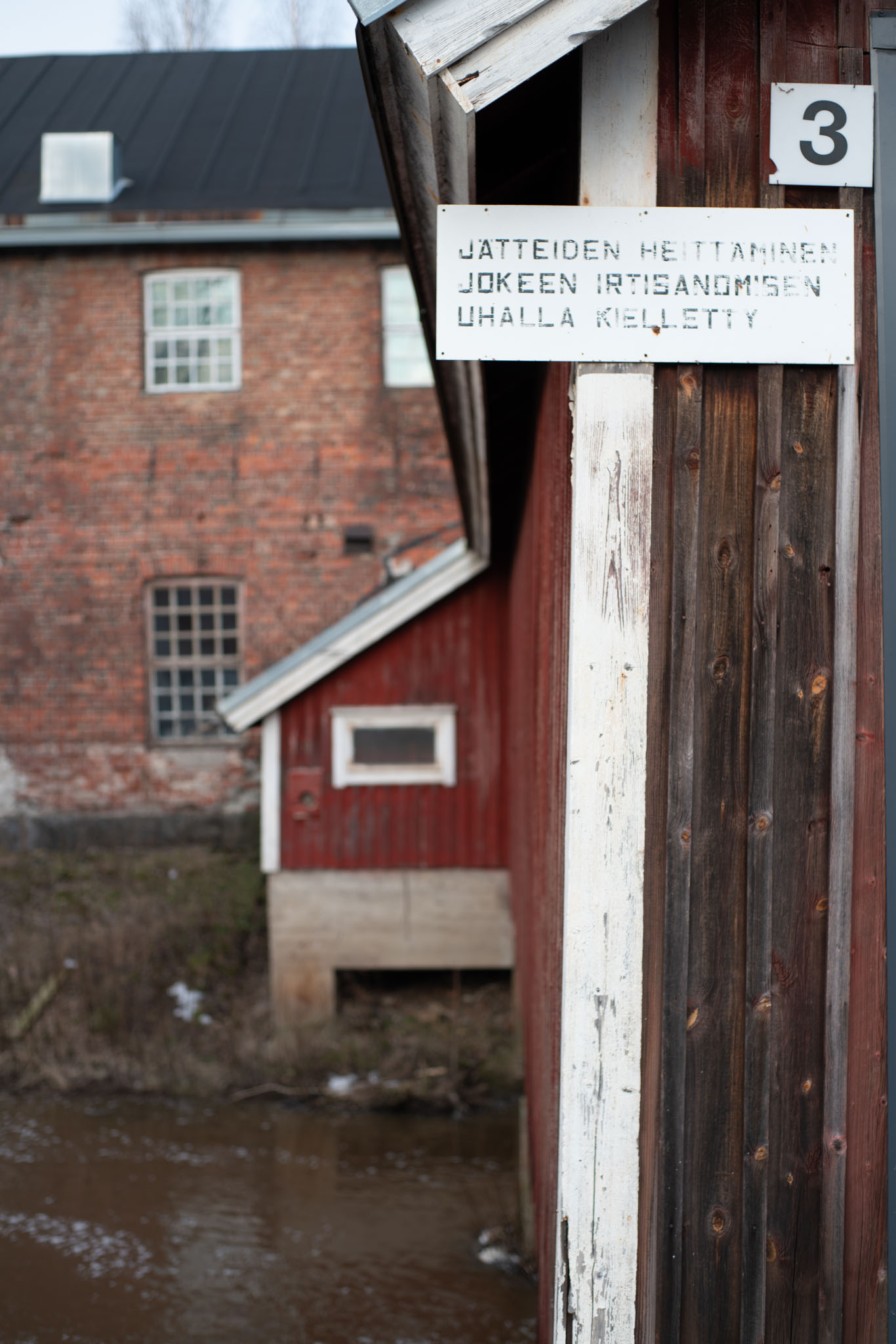
@ f/2.8, 1/200 s
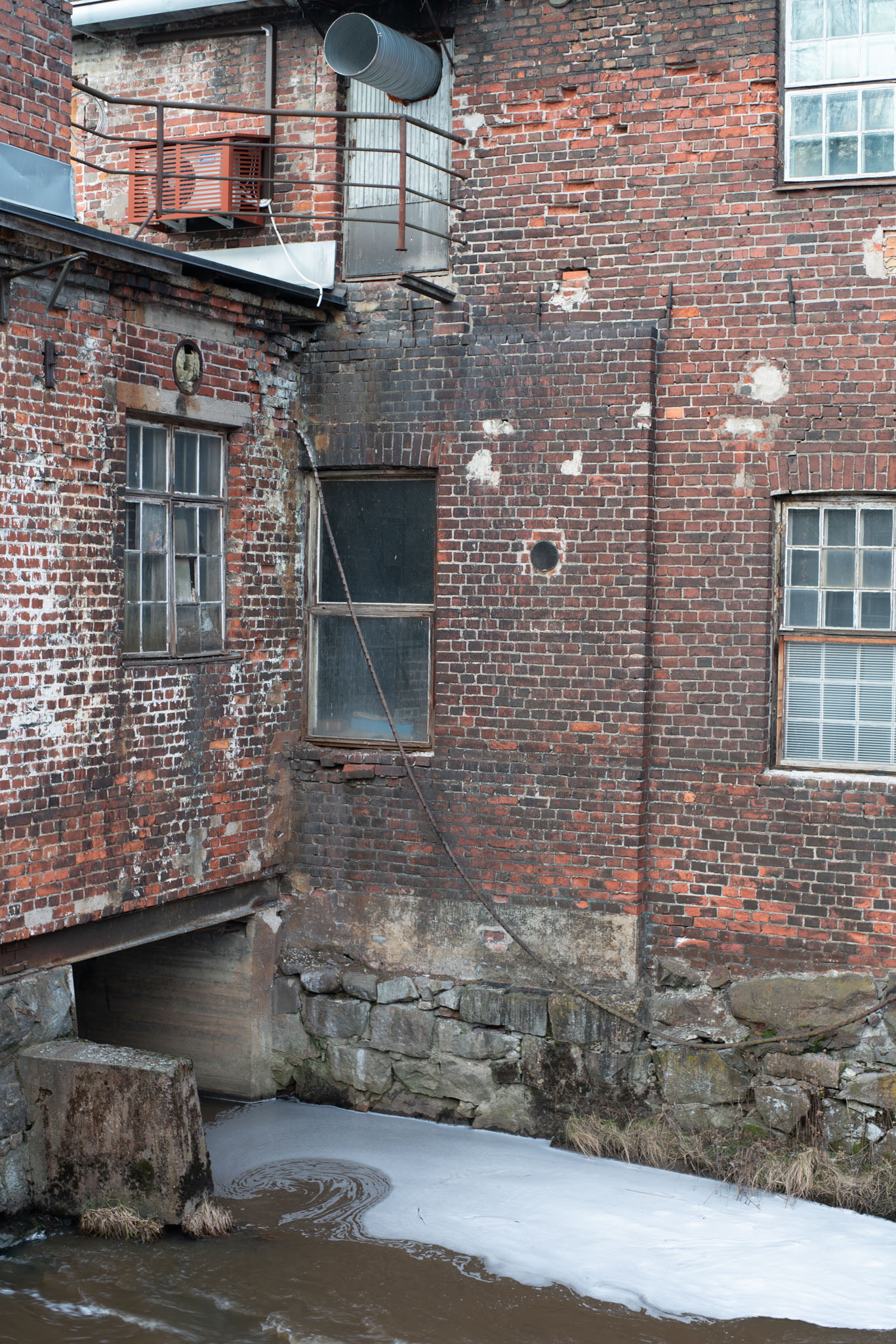
@ f/4, 1/40 s
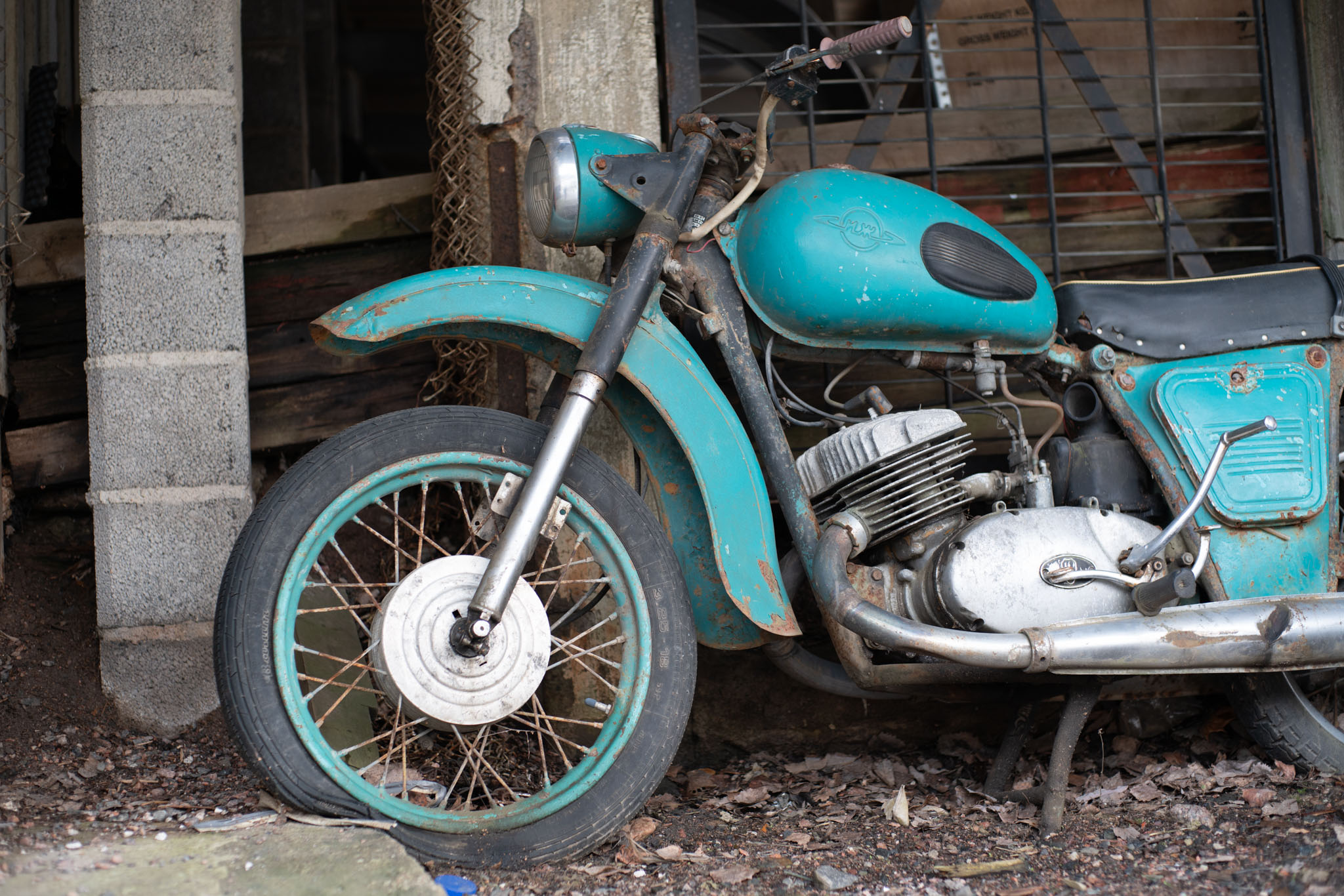
@ f/2.8, 1/30 s, ISO320
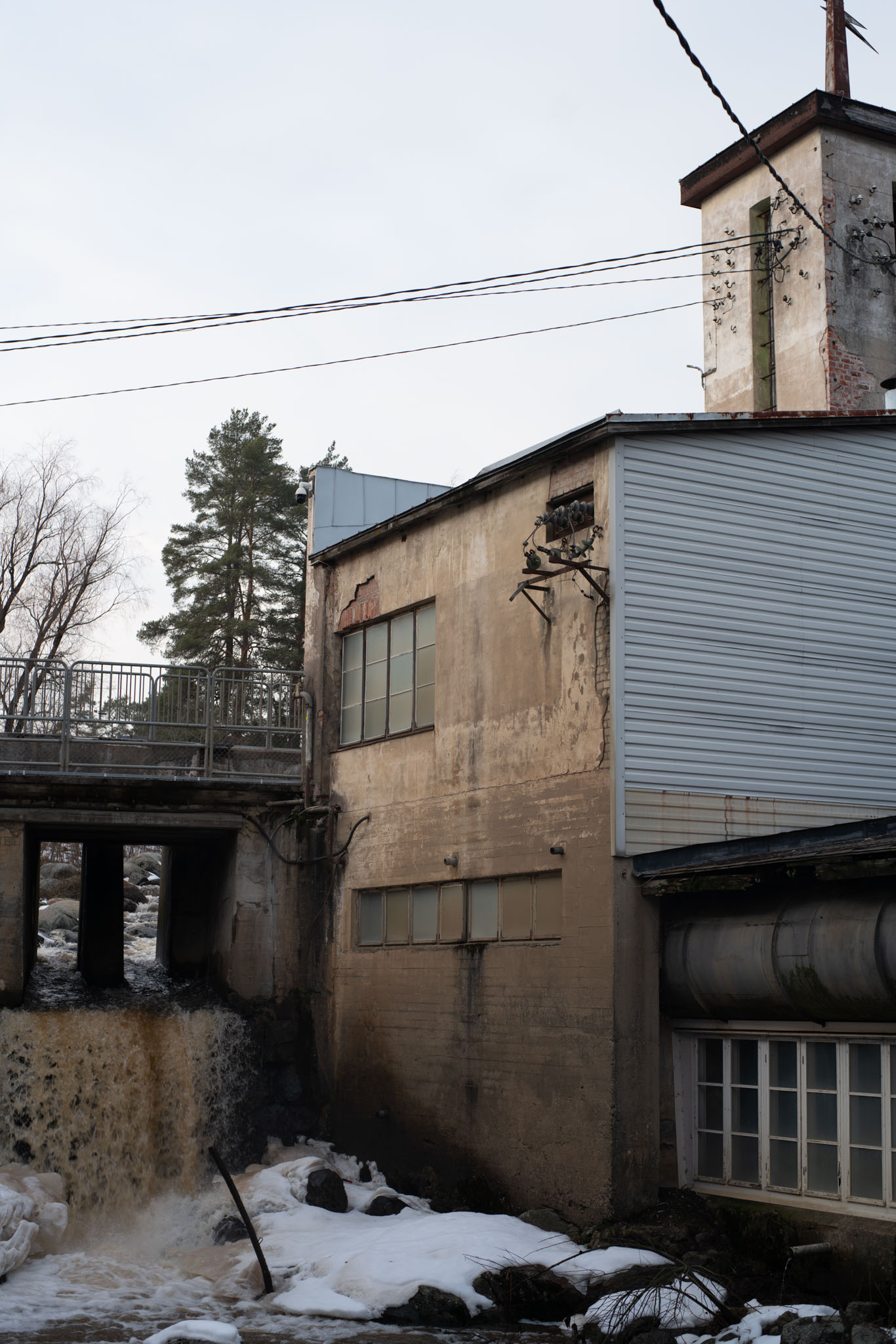
@ f/4, 1/200 s
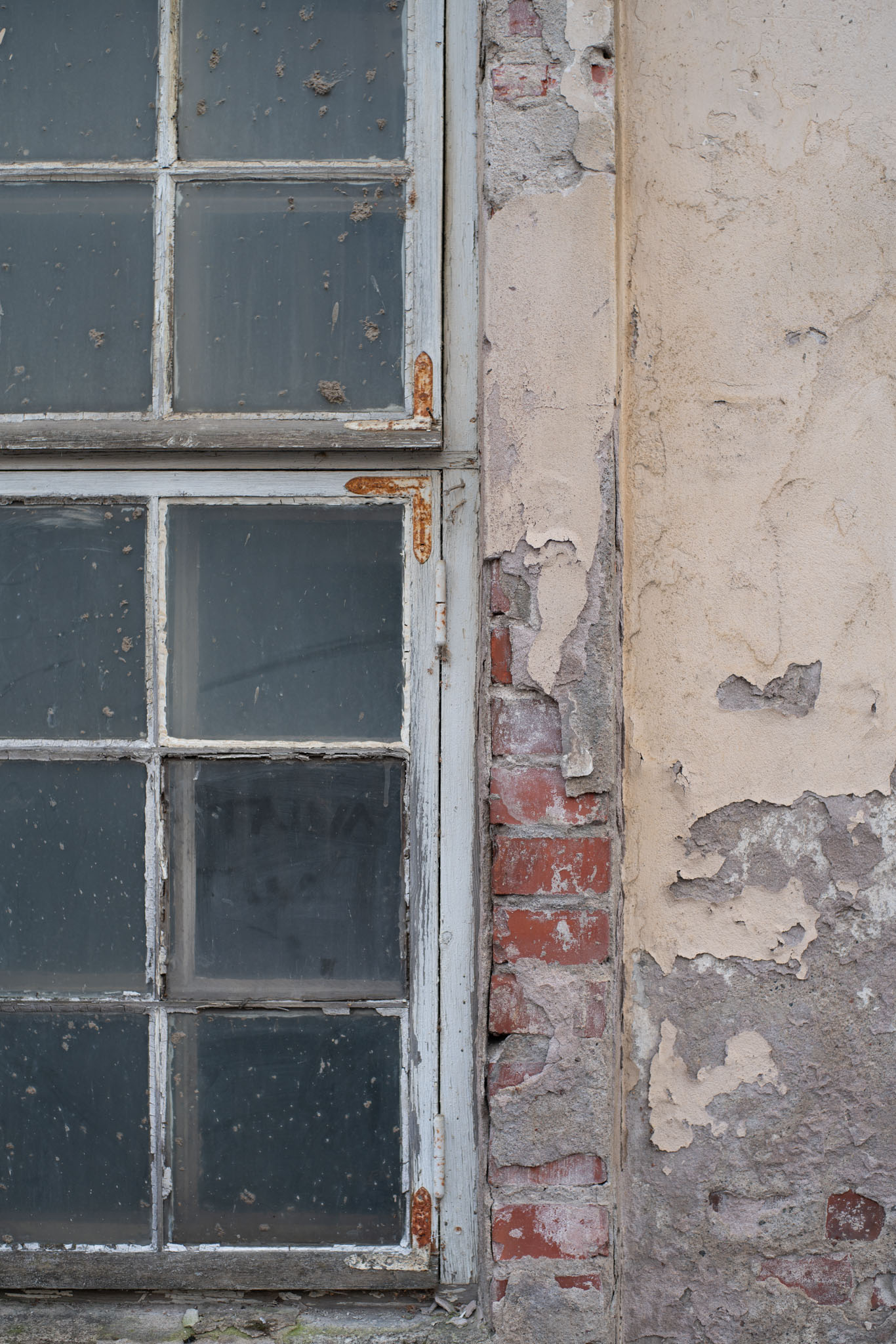
@ f/4, 1/50 s
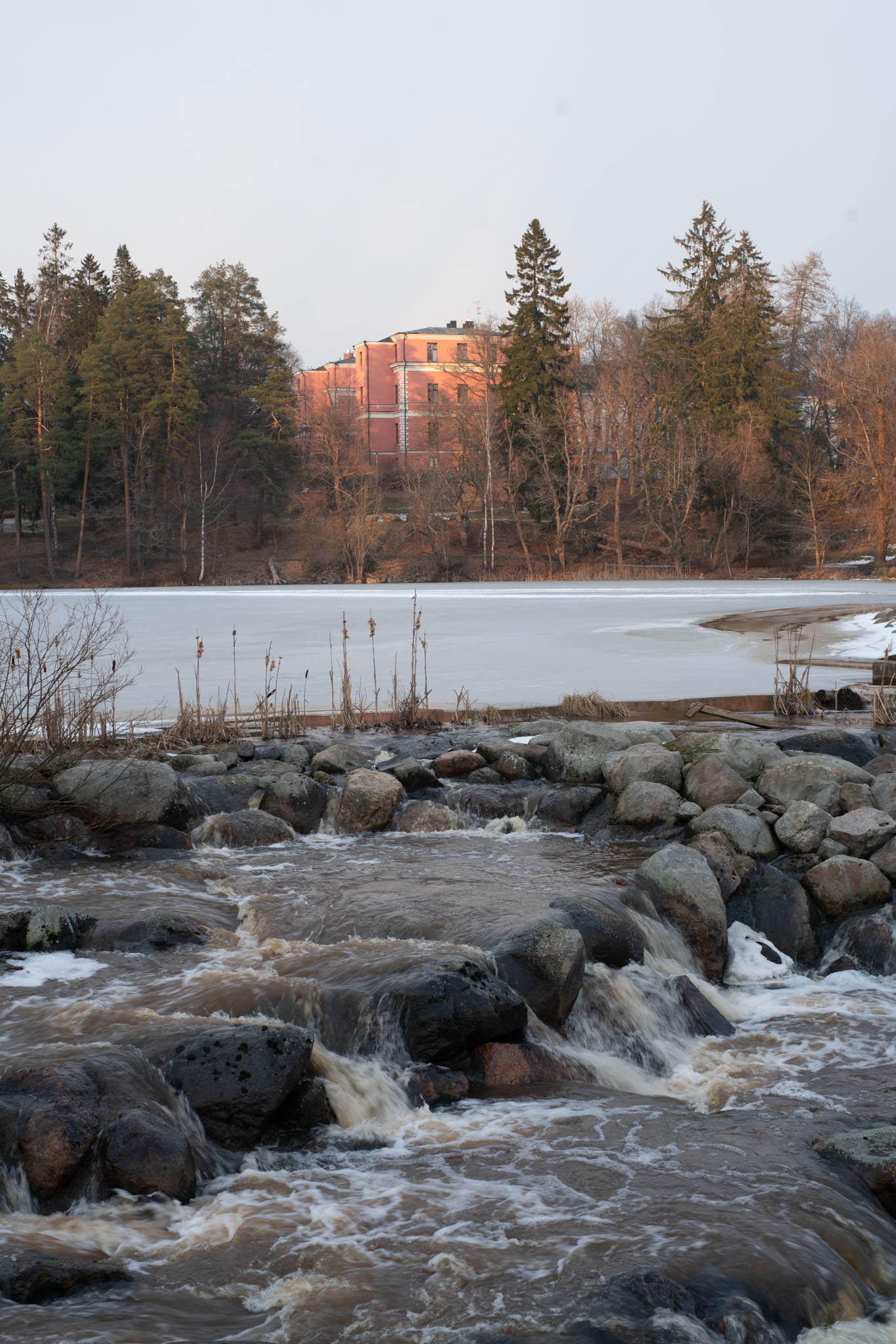
@ f/8, 1/40 s
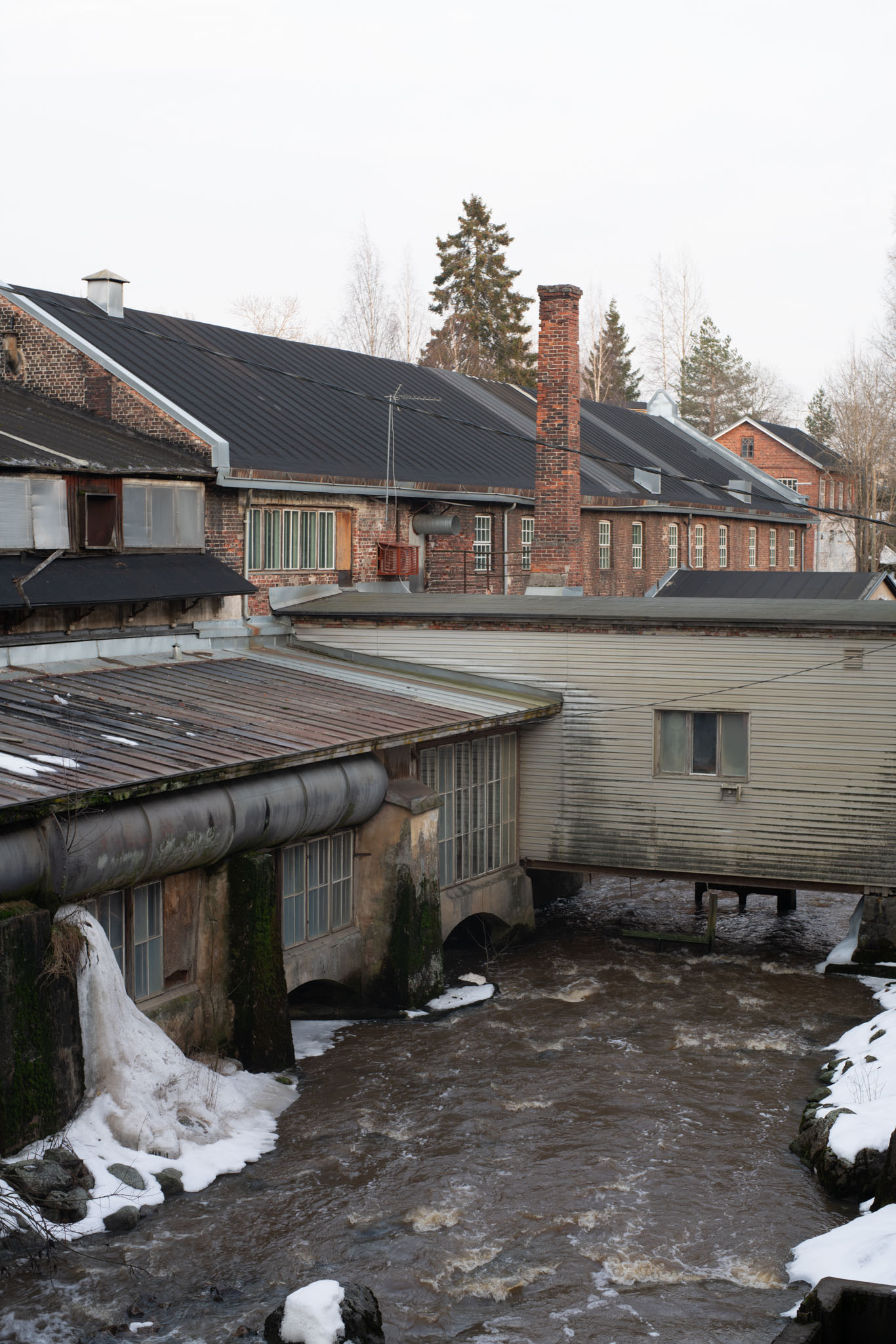
@ f/5.6, 1/40 s
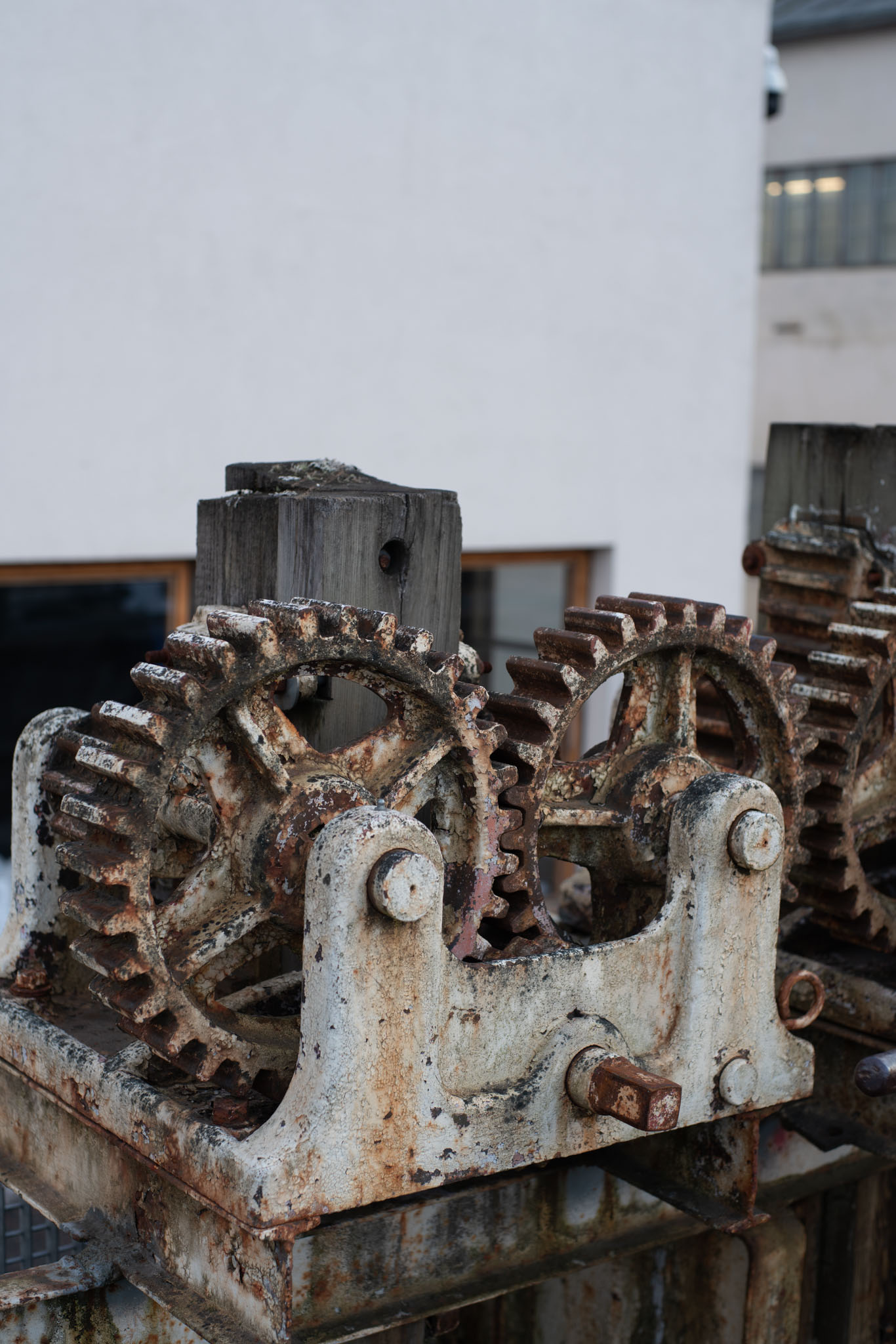
@ f/4, 1/100 s
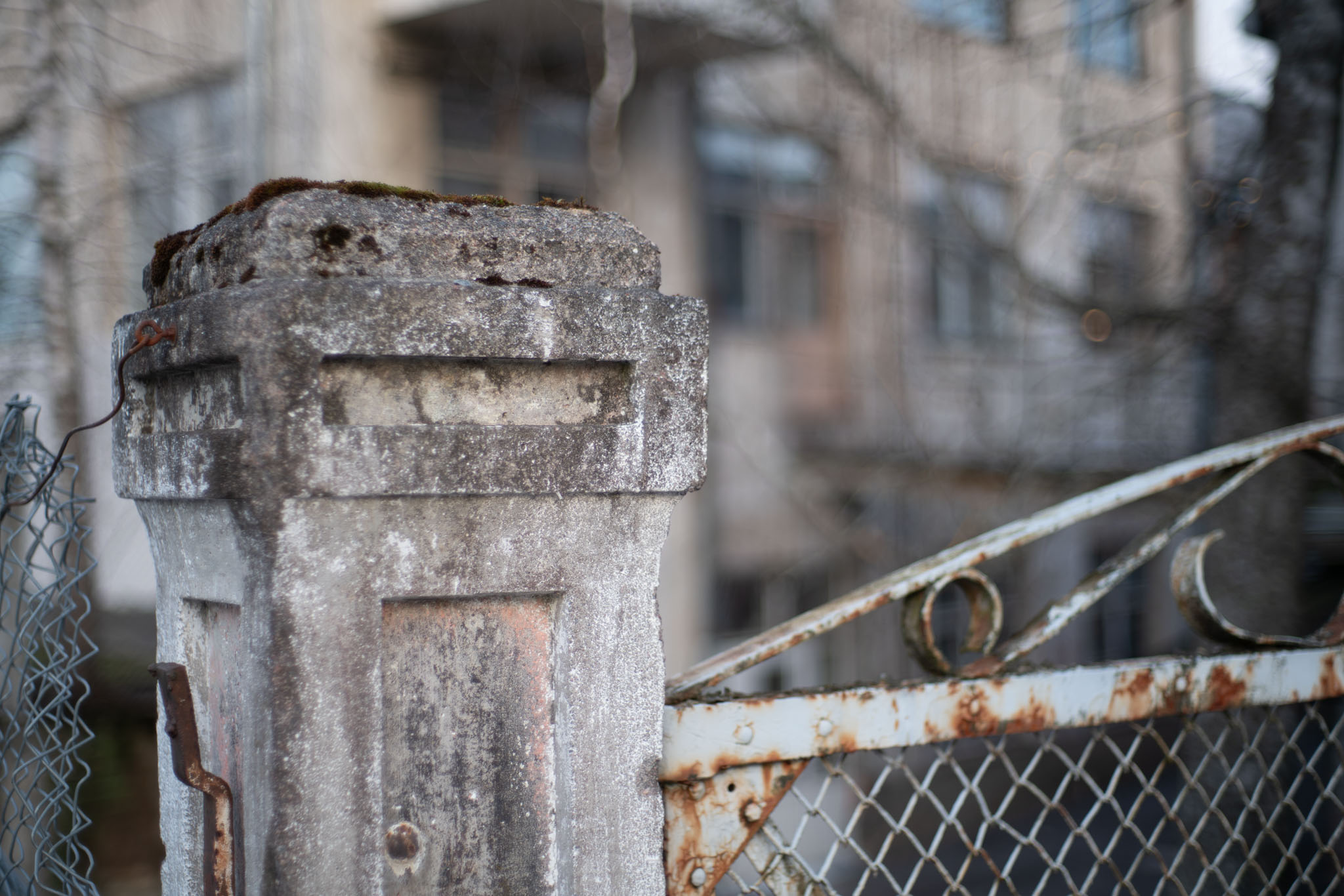
@ f/1.4, 1/320 s
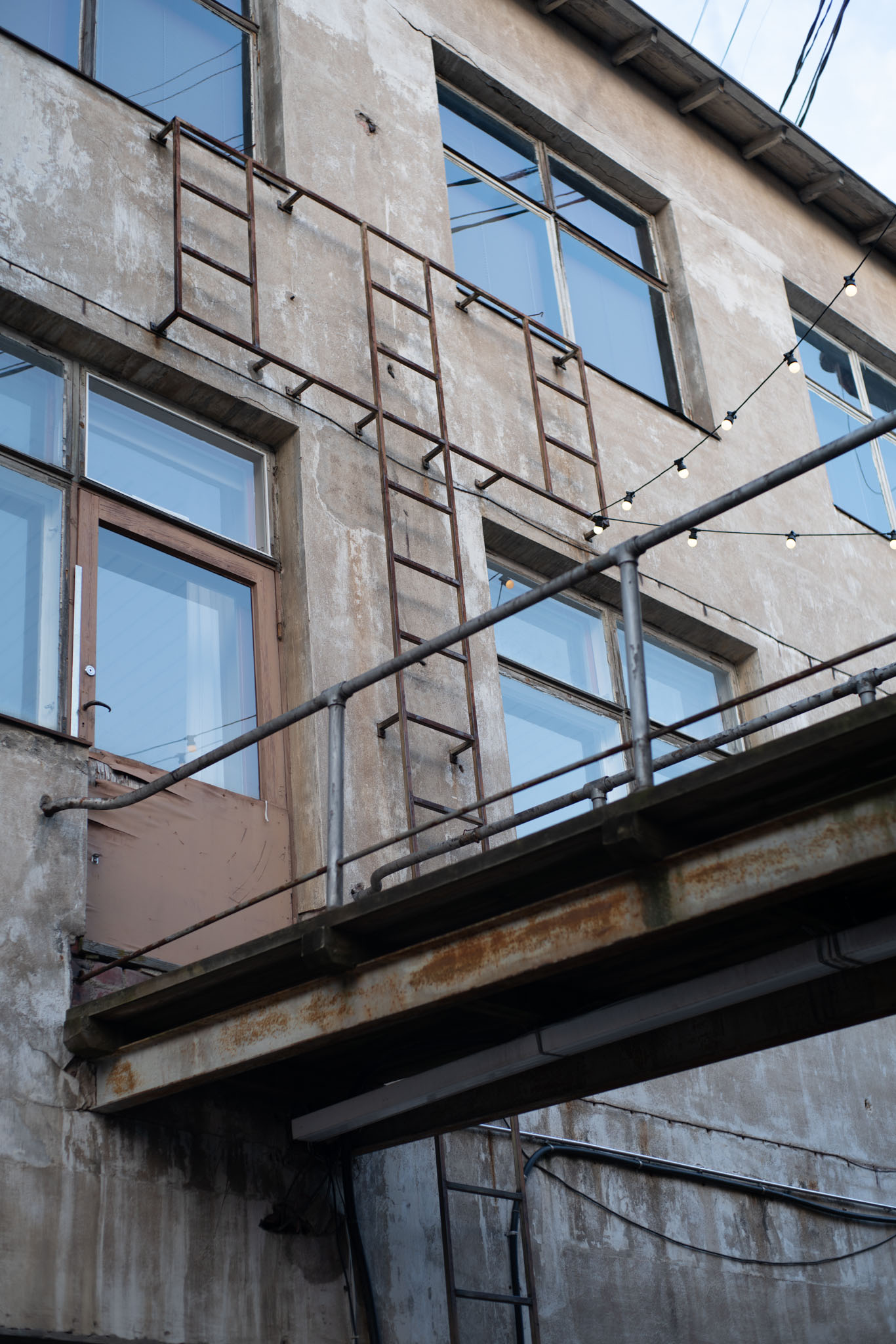
@ f/2.8, 1/125 s
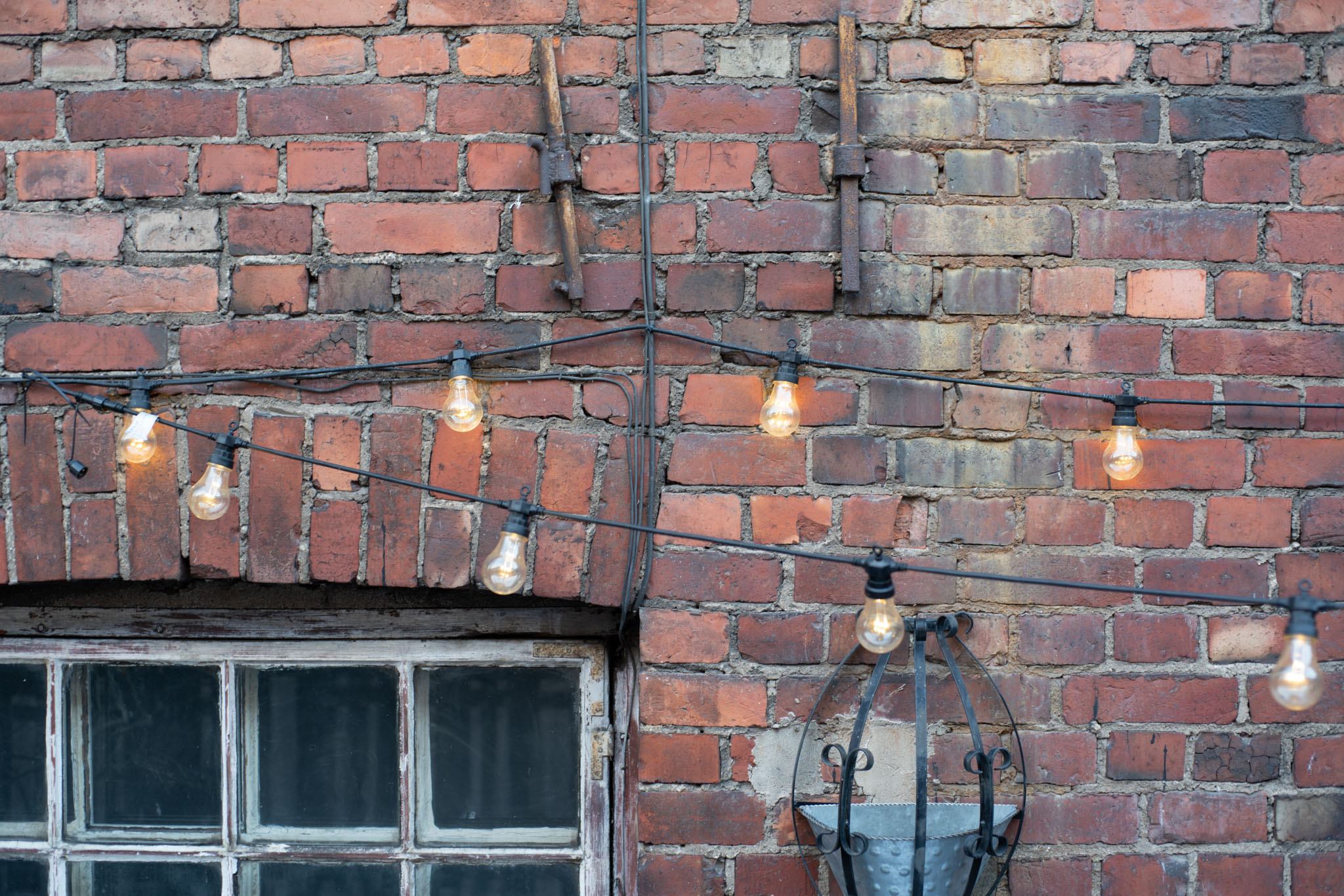
@ f/2.8, 1/30 s, ISO125
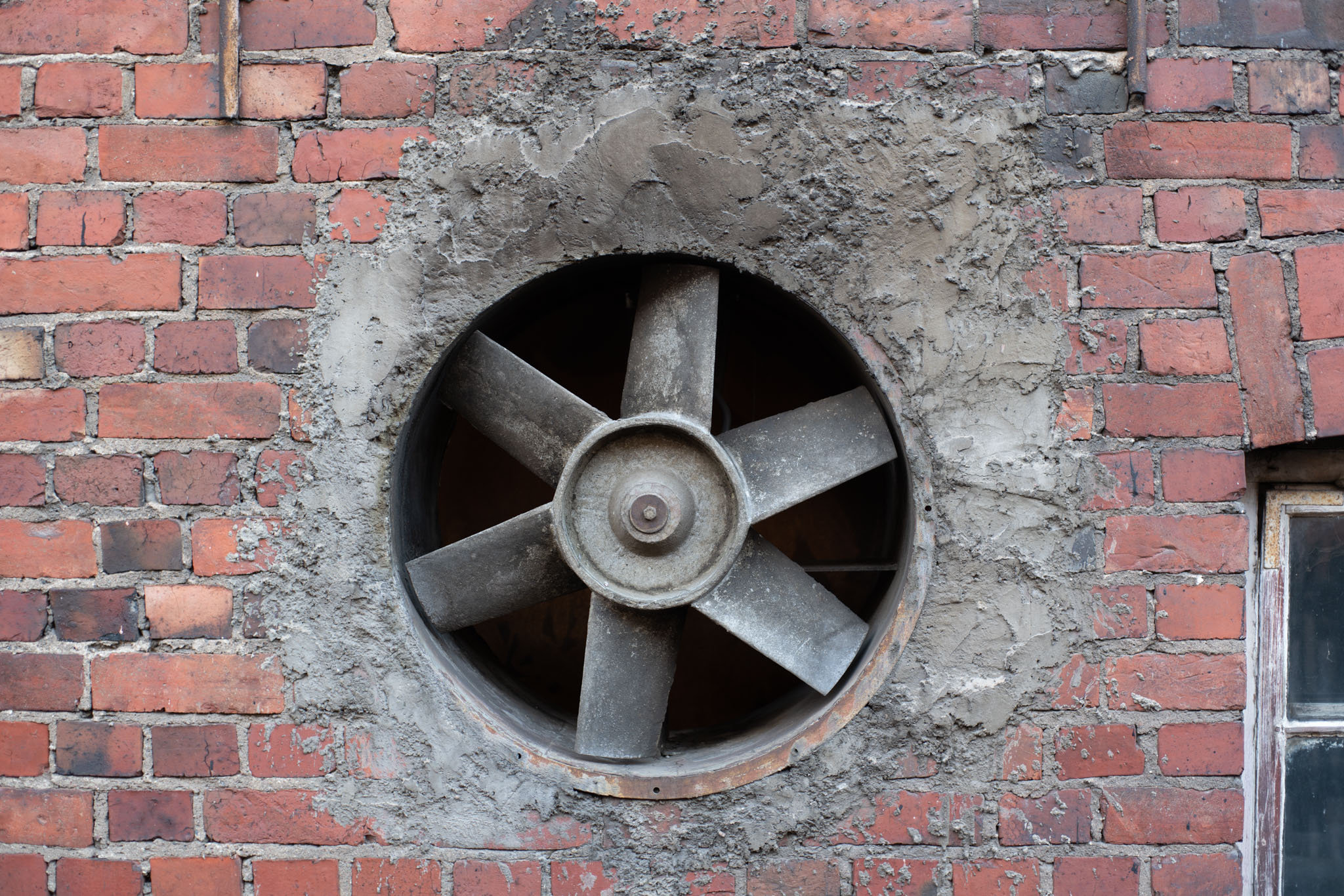
@ f/2.8, 1/30 s, ISO200
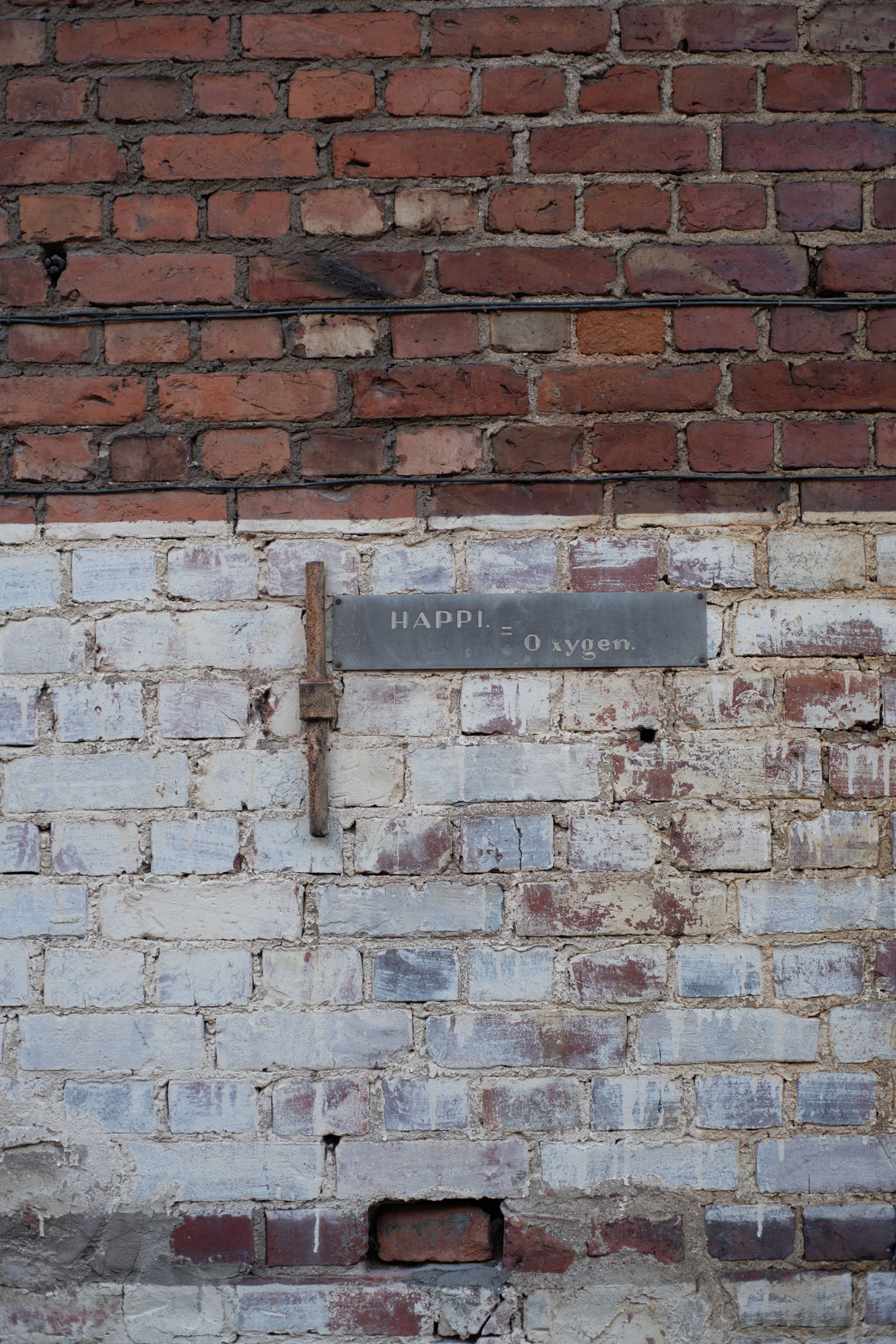
@ f/2.8, 1/60 s
Take 3: Porvoo old town
These images were taken on the 13th of March around noon in and around the old town of Porvoo (Finland’s second oldest city/town).
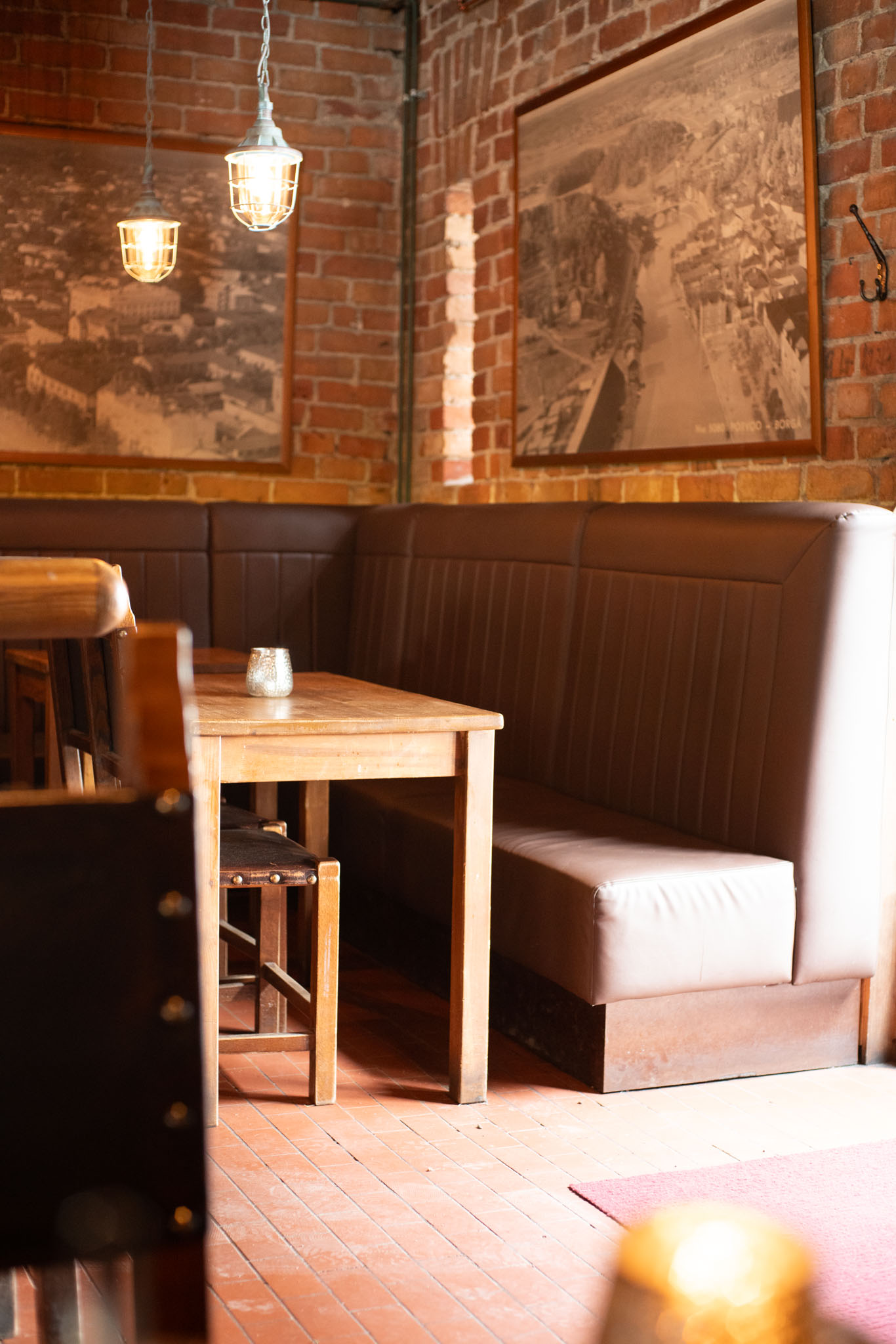
@ f/2.8, 1/60 s, ISO3200
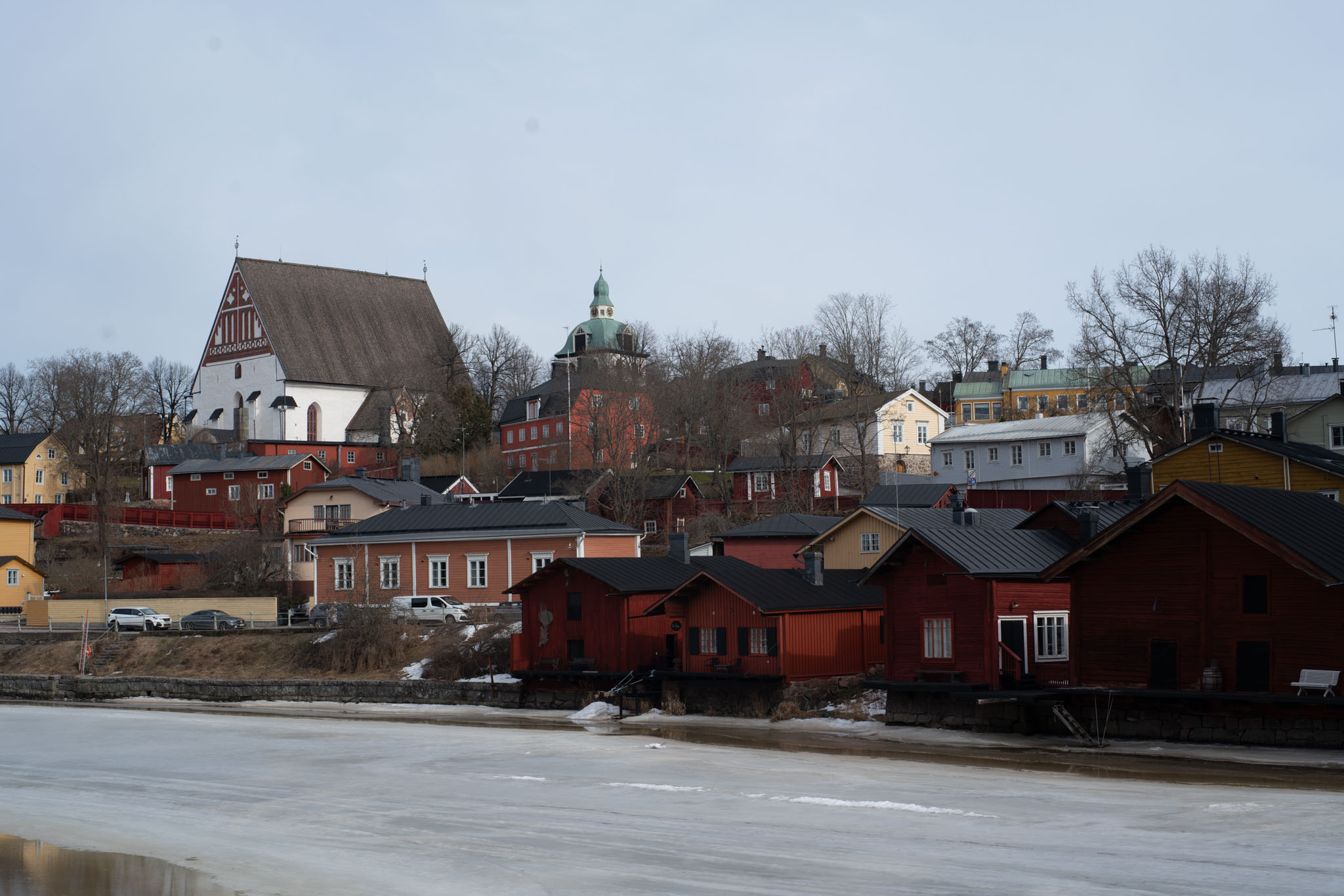
@ f/8, 1/250 s
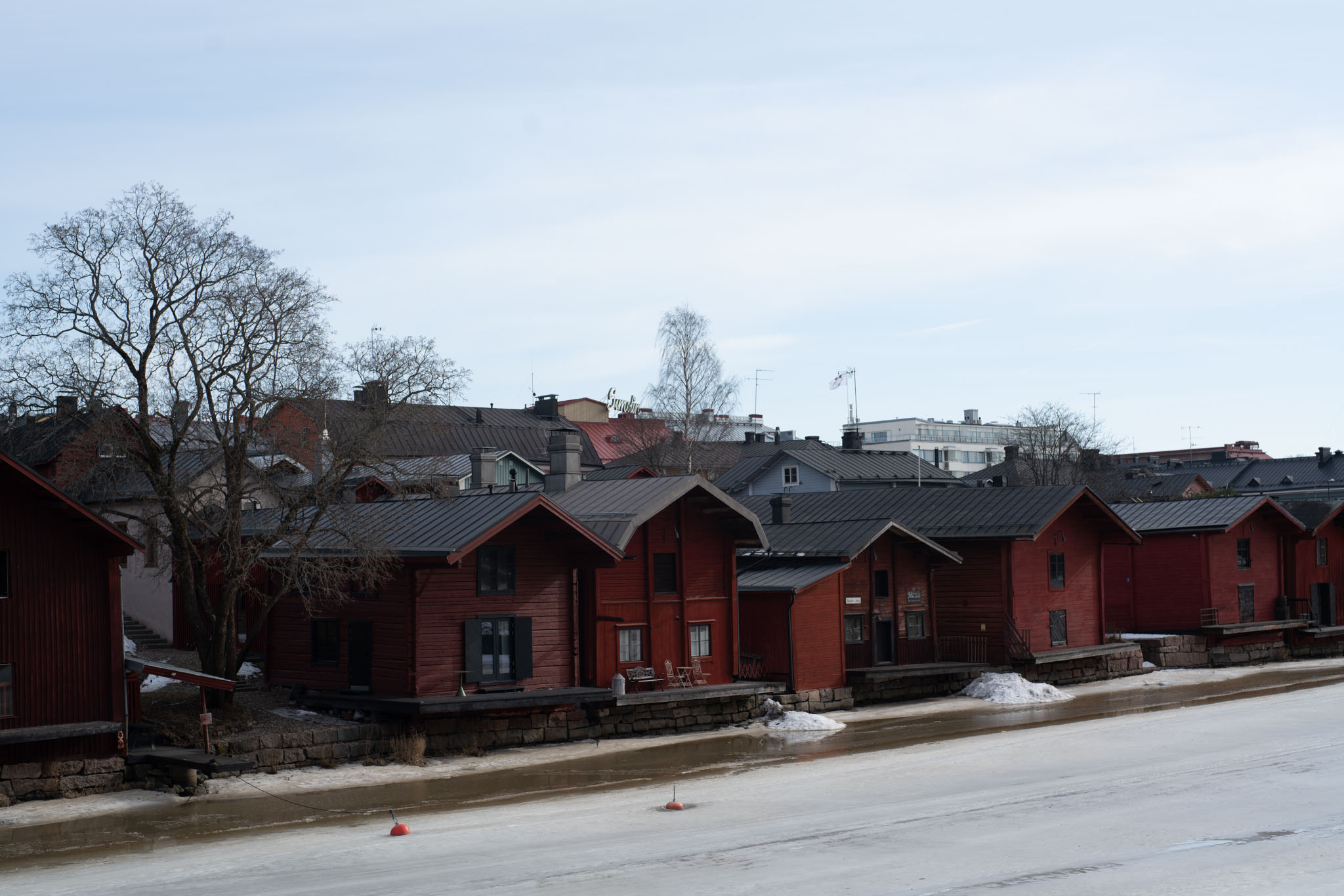
@ f/5.6, 1/500 s
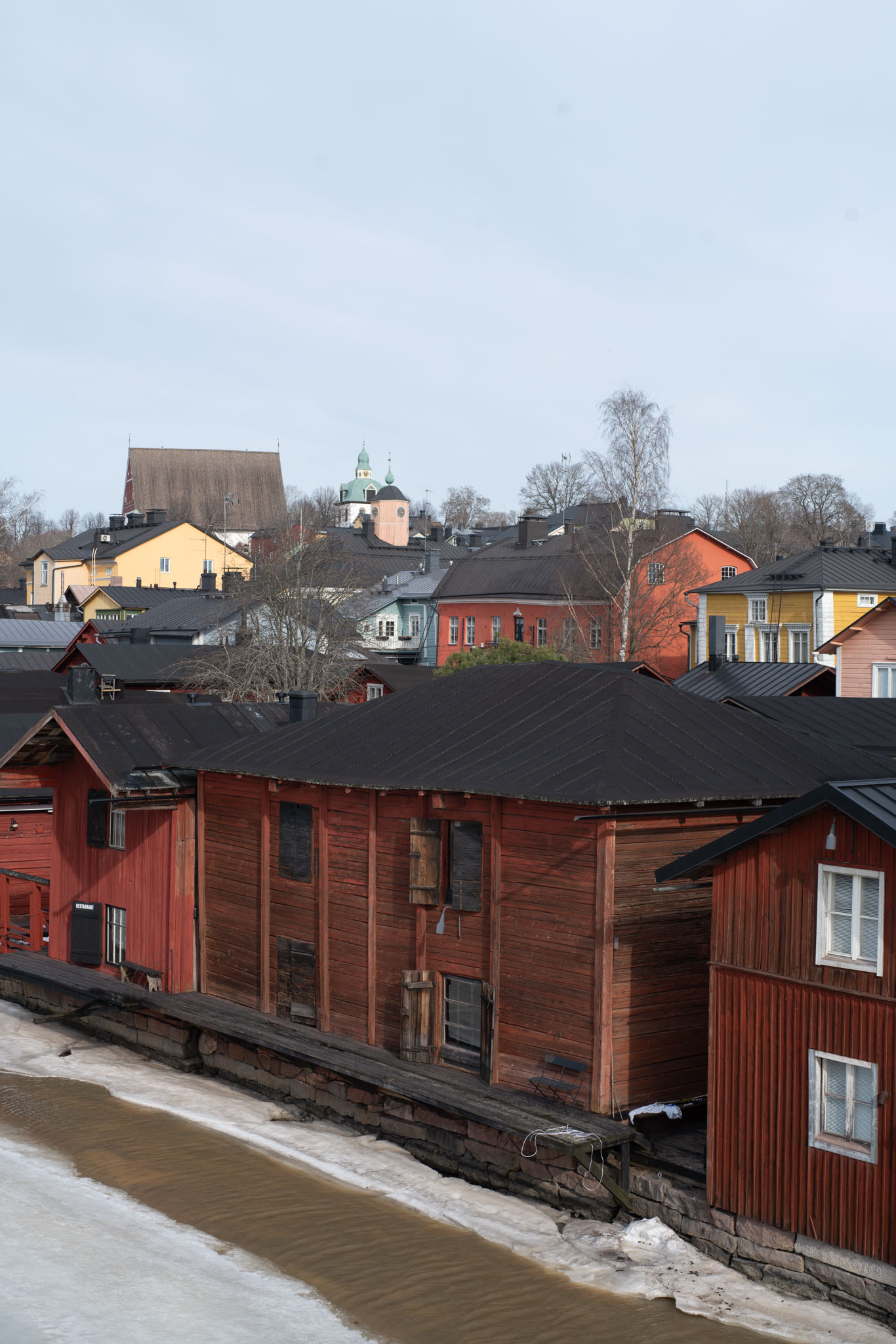
@ f/8, 1/200 s
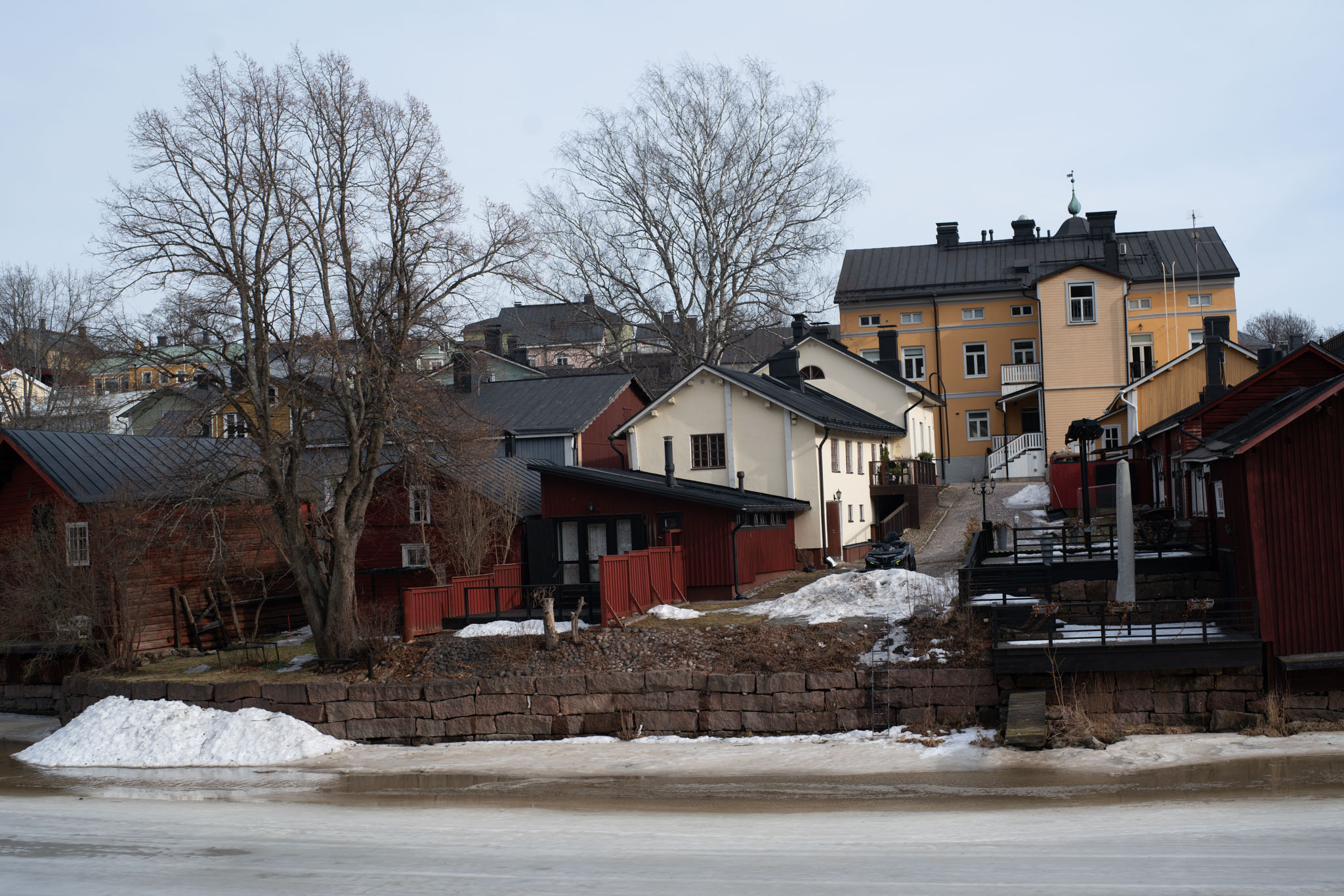
@ f/5.6, 1/500 s
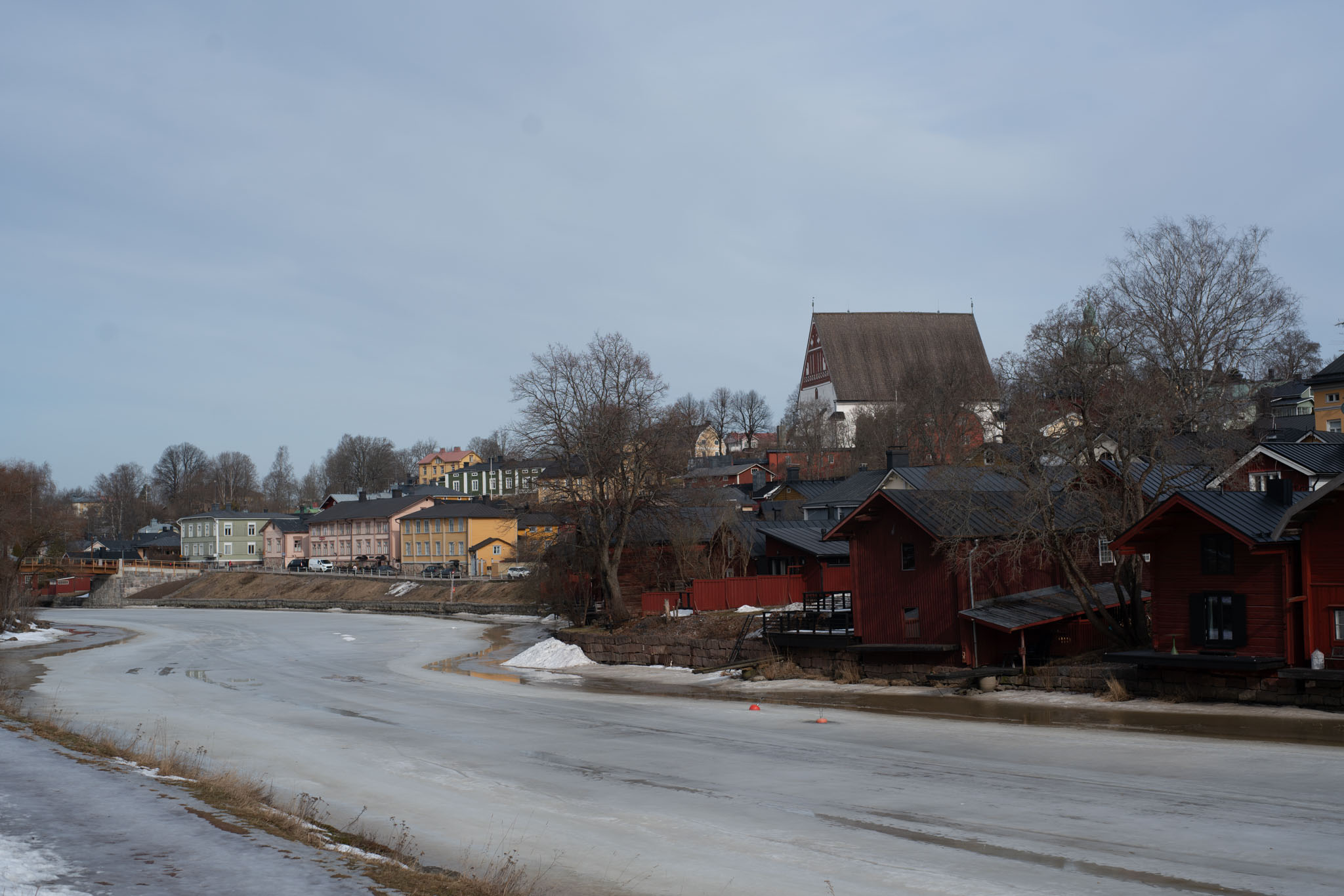
@ f/5.6, 1/800 s
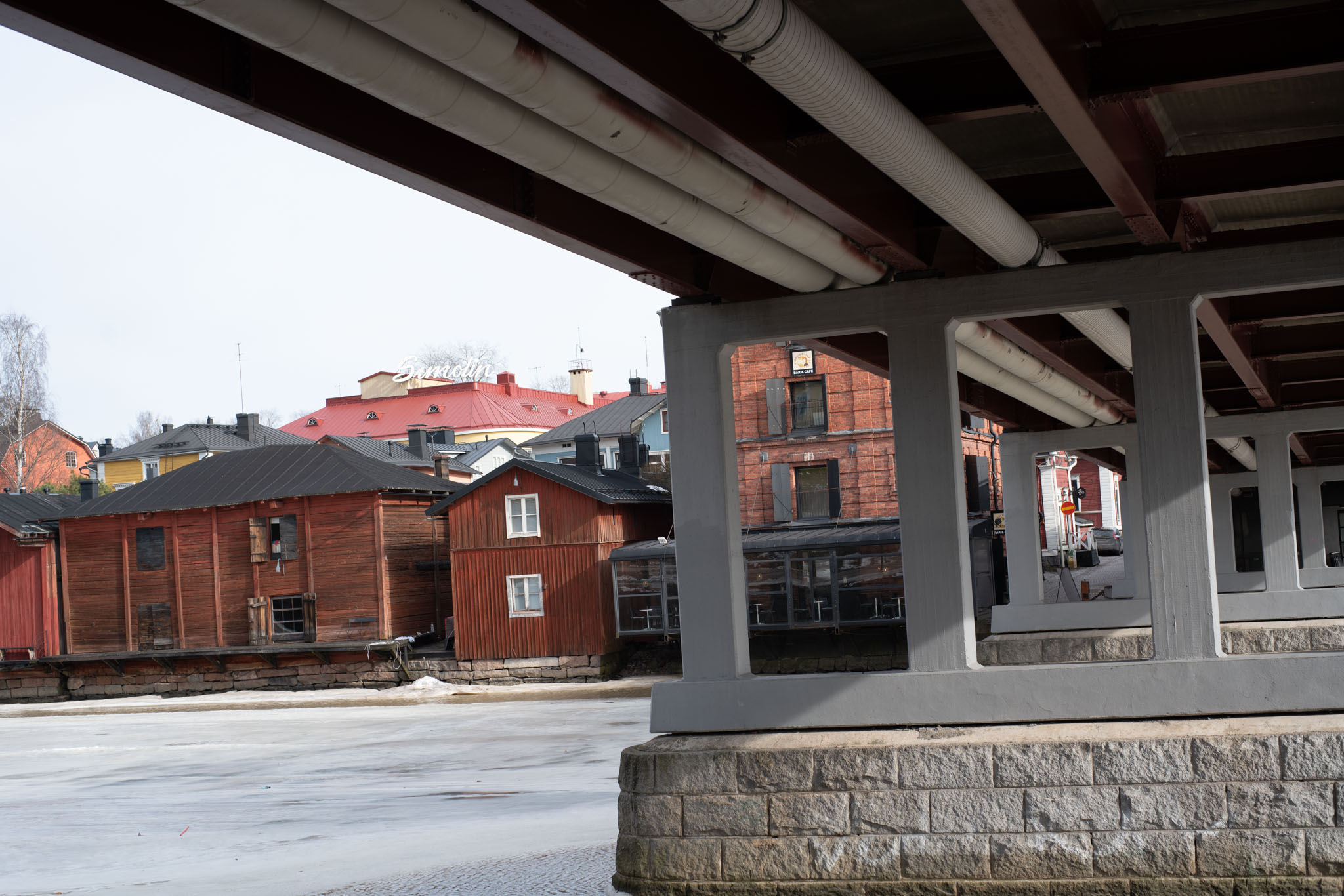
@ f/5.6, 1/250 s
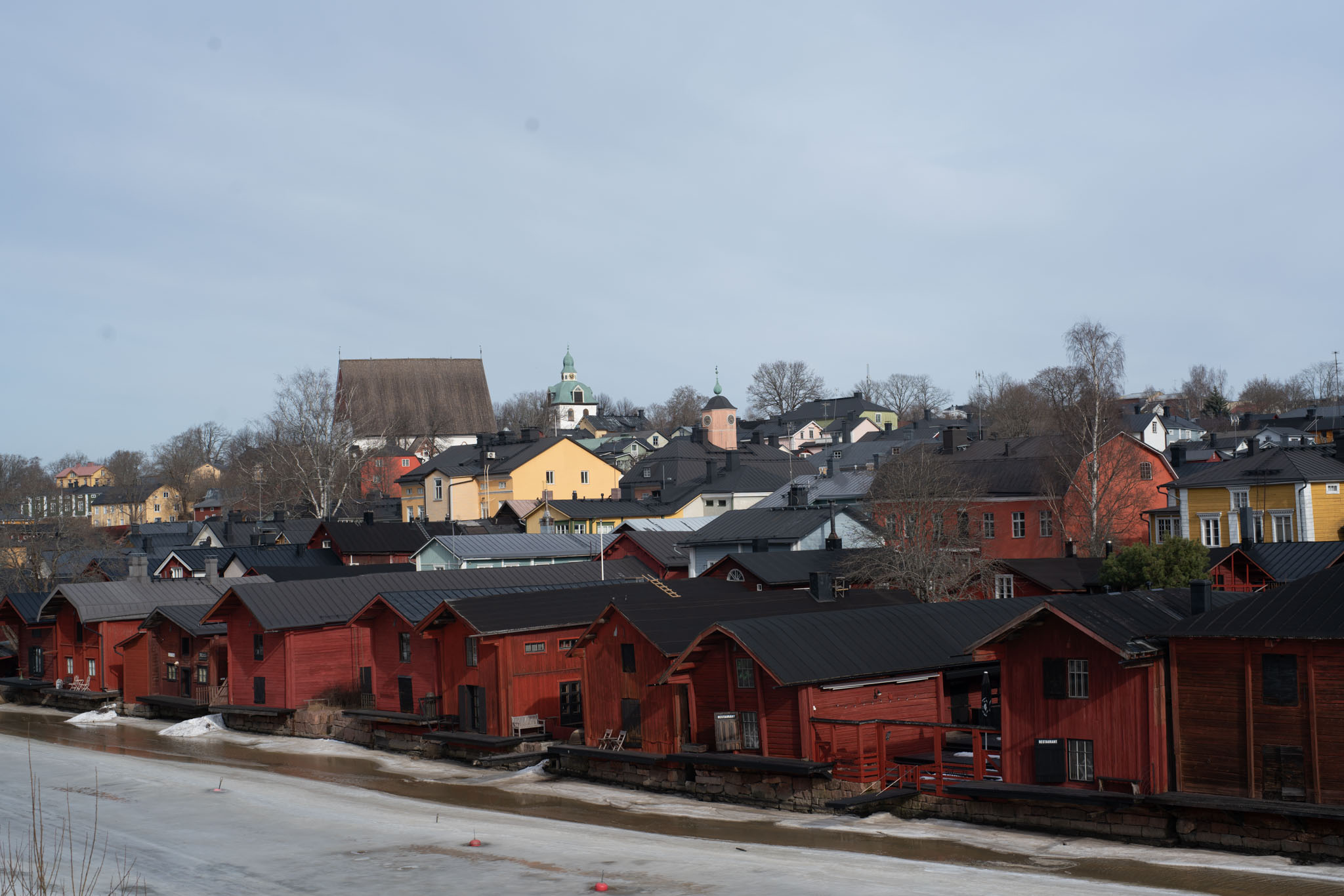
@ f/8, 1/320 s
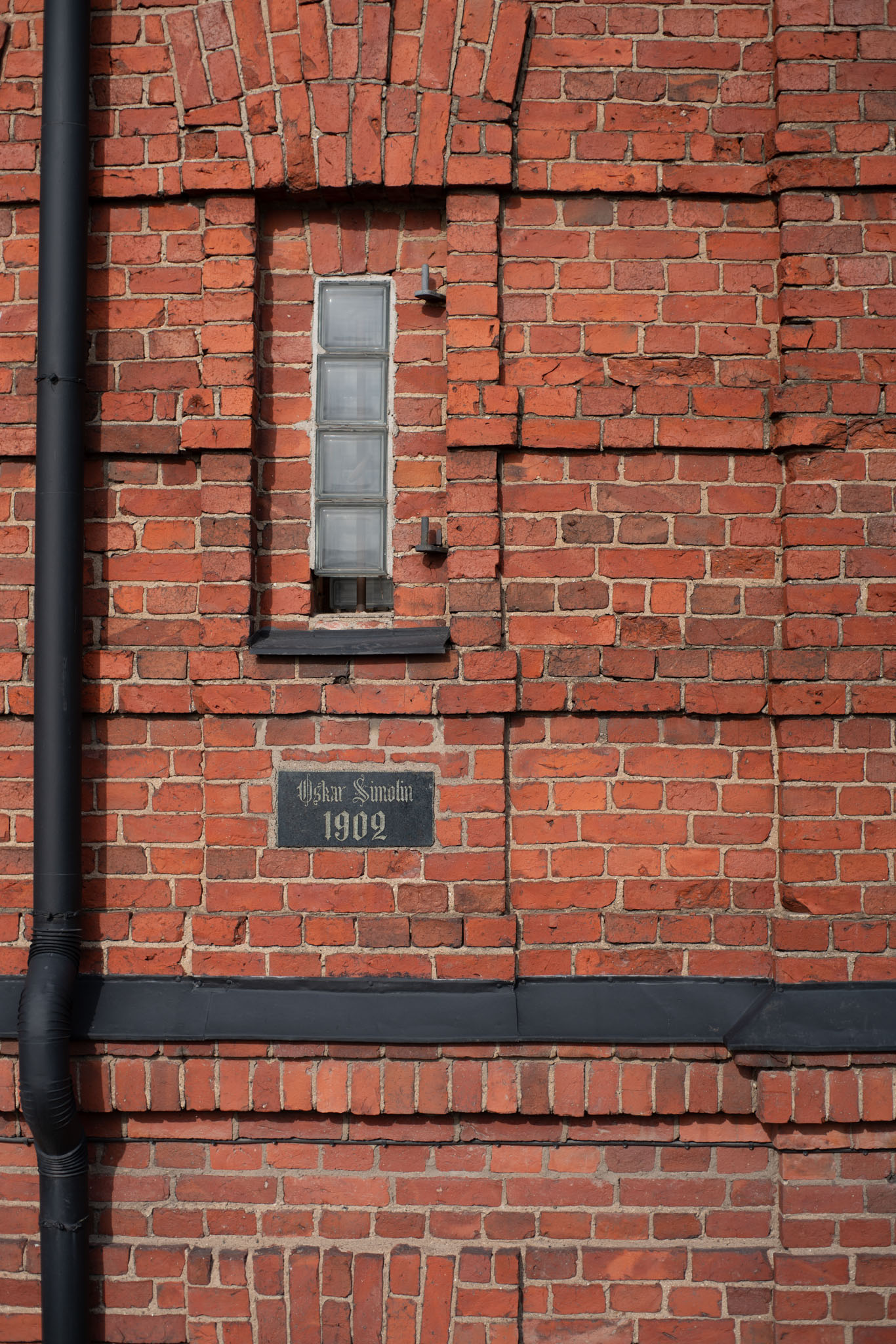
@ f/2.8, 1/2000 s
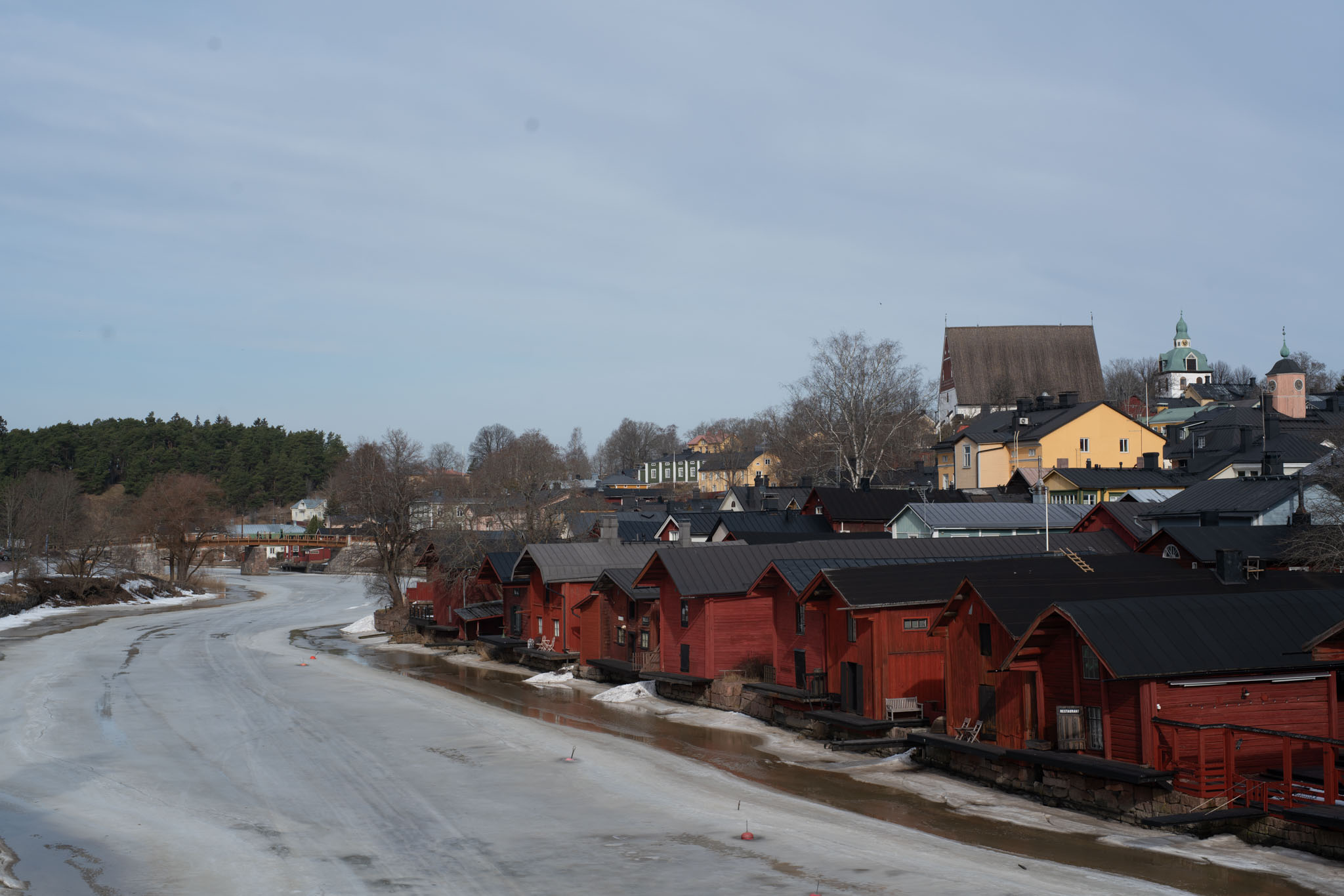
@ f/8, 1/400 s
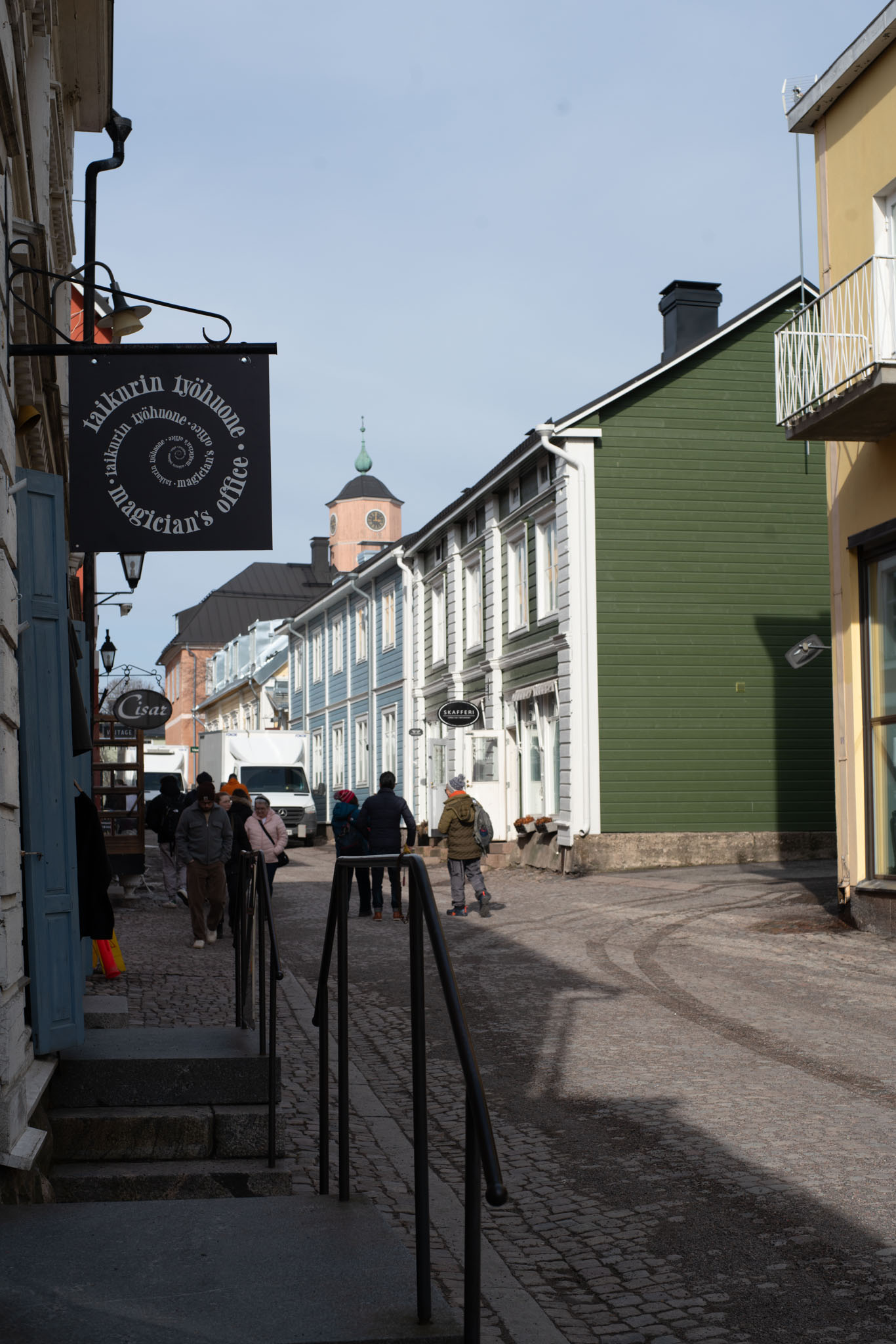
@ f/8, 1/320 s
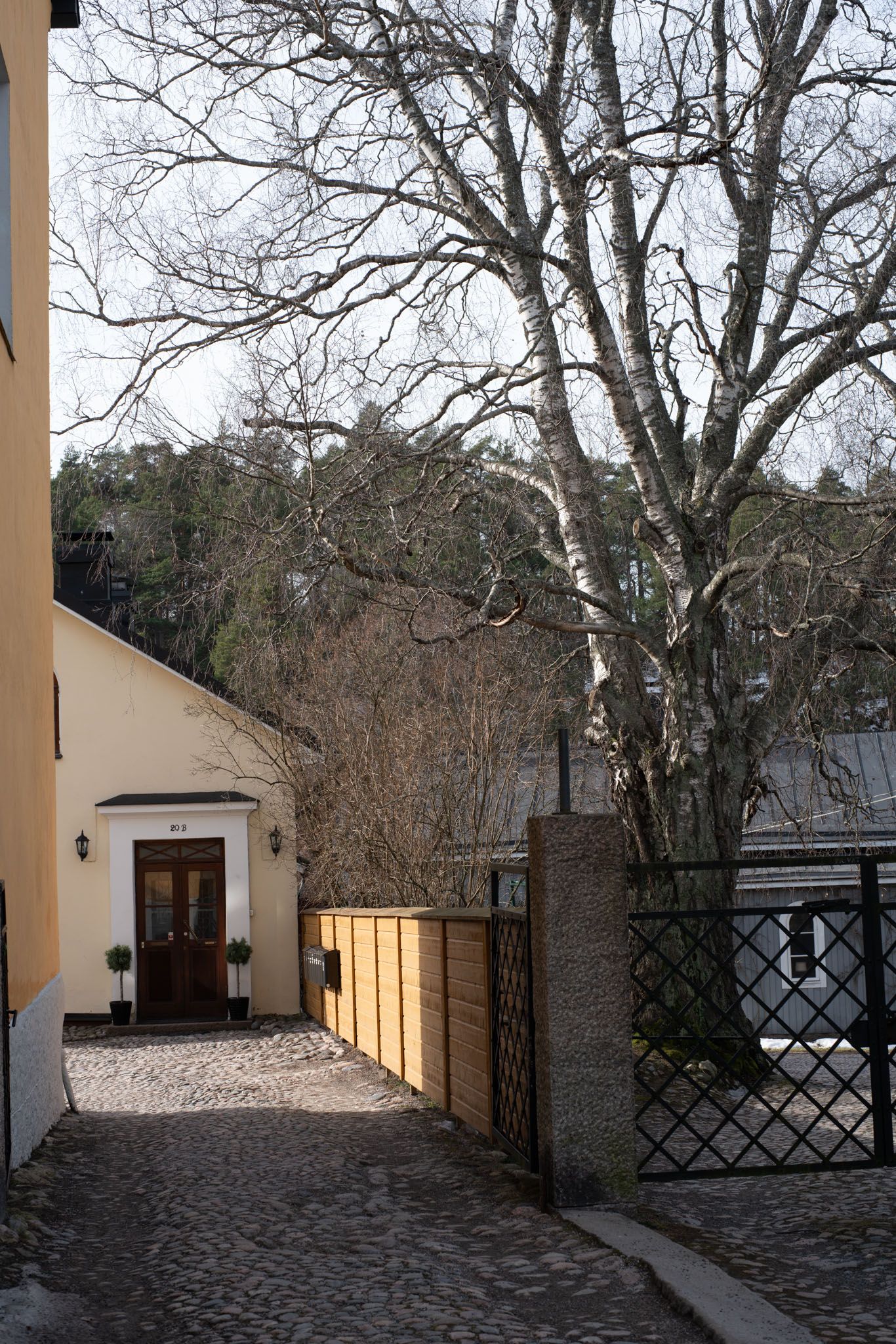
@ f/8, 1/125 s
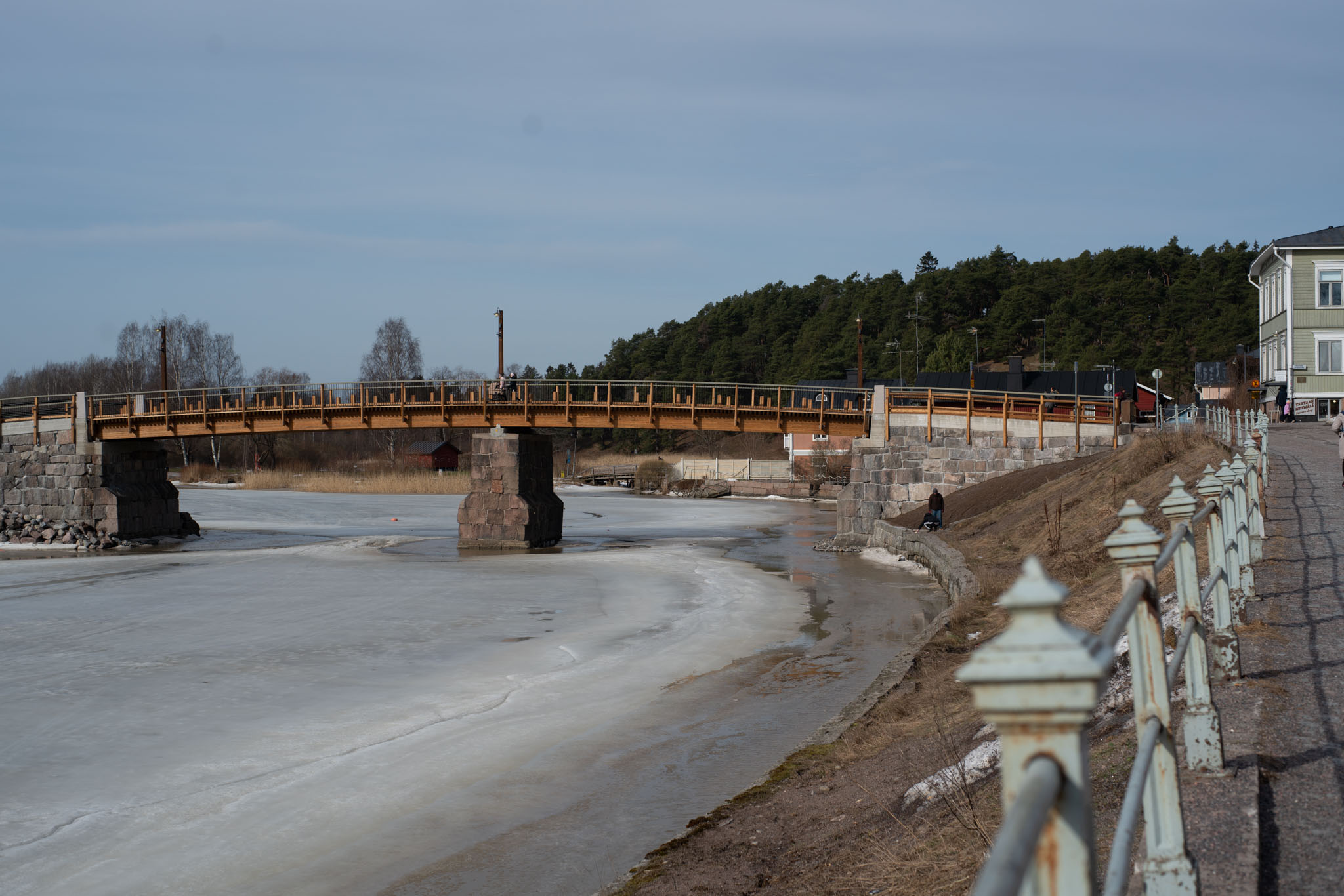
@ f/5.6, 1/1000 s
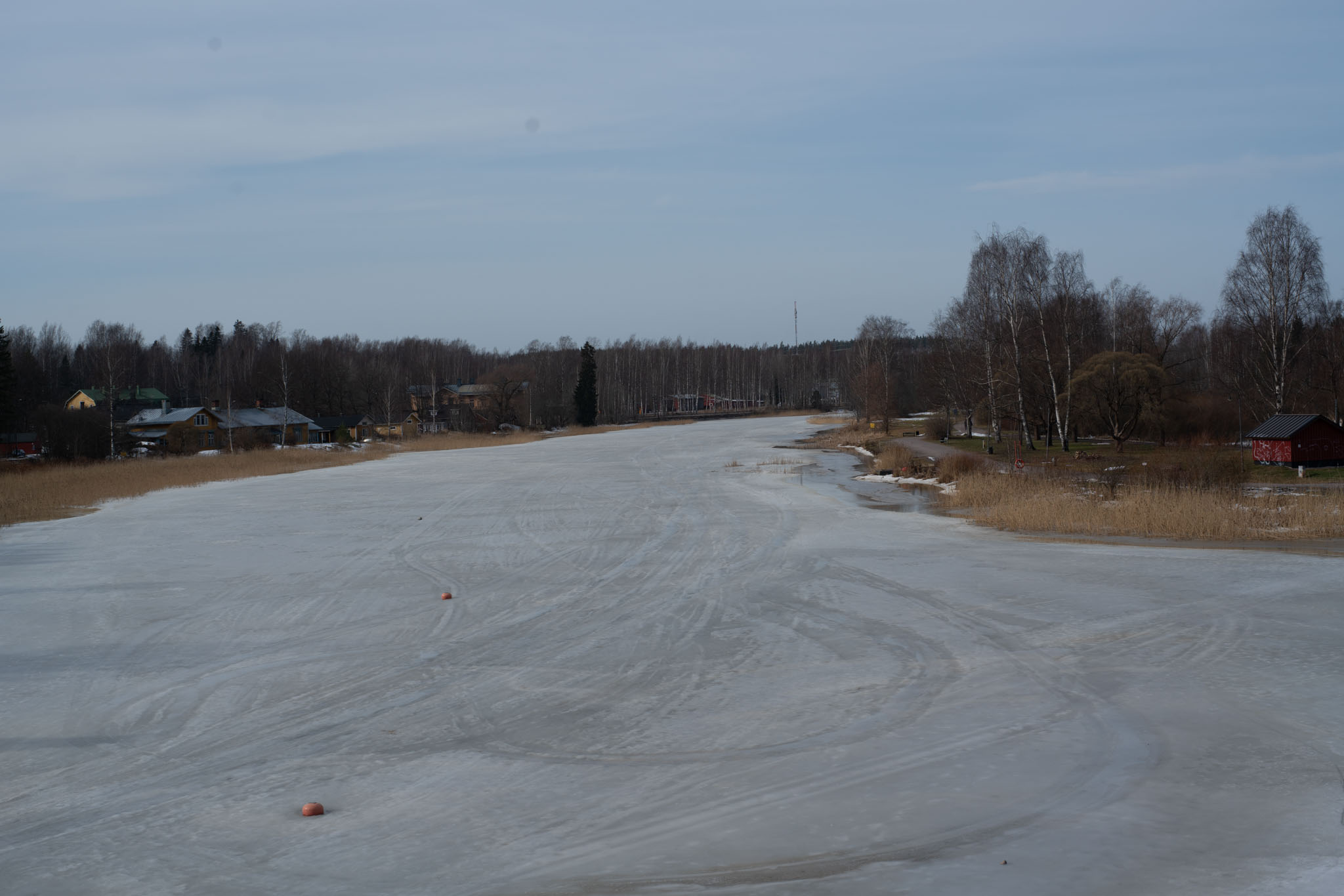
@ f/8, 1/500 s
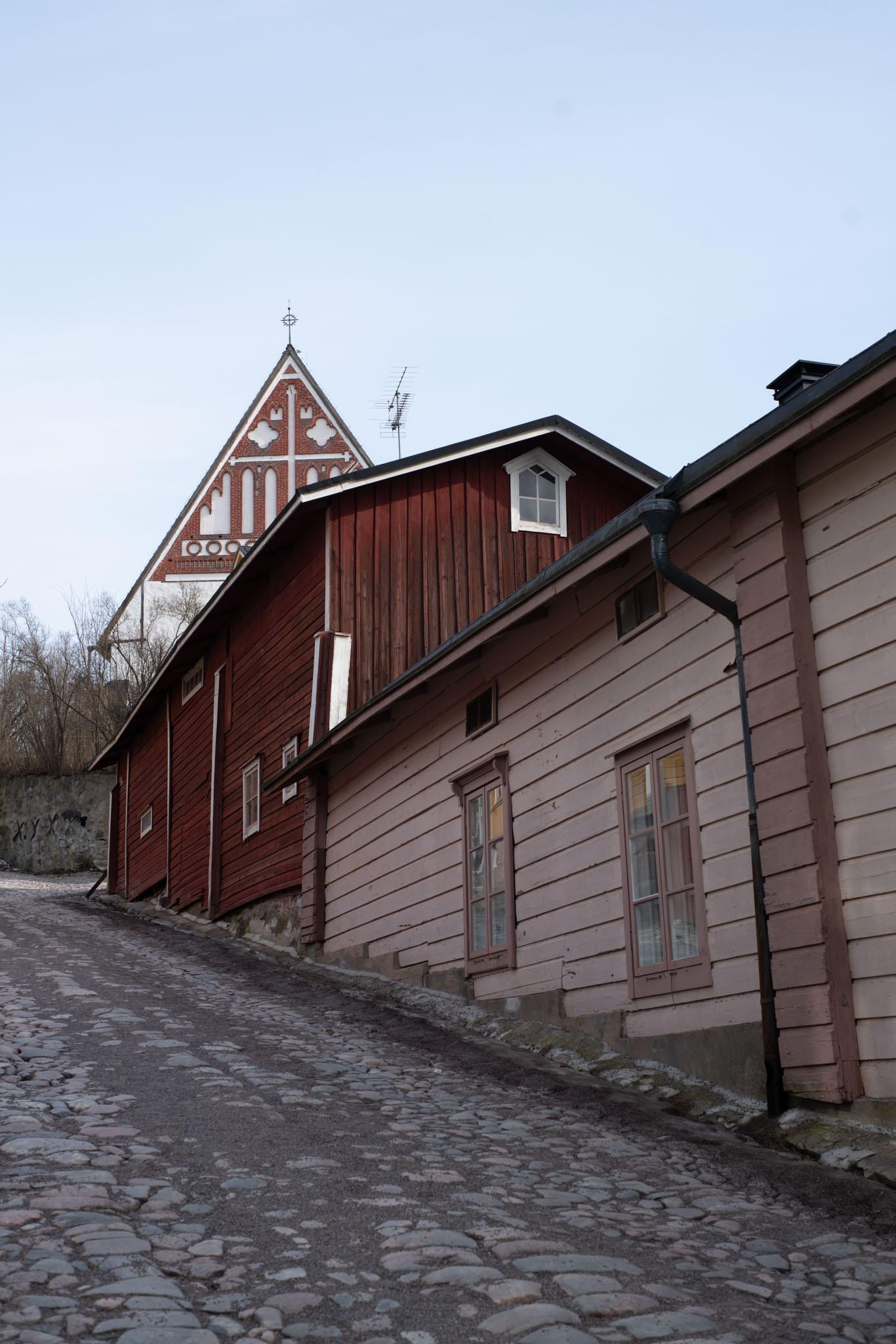
@ f/5.6, 1/320 s
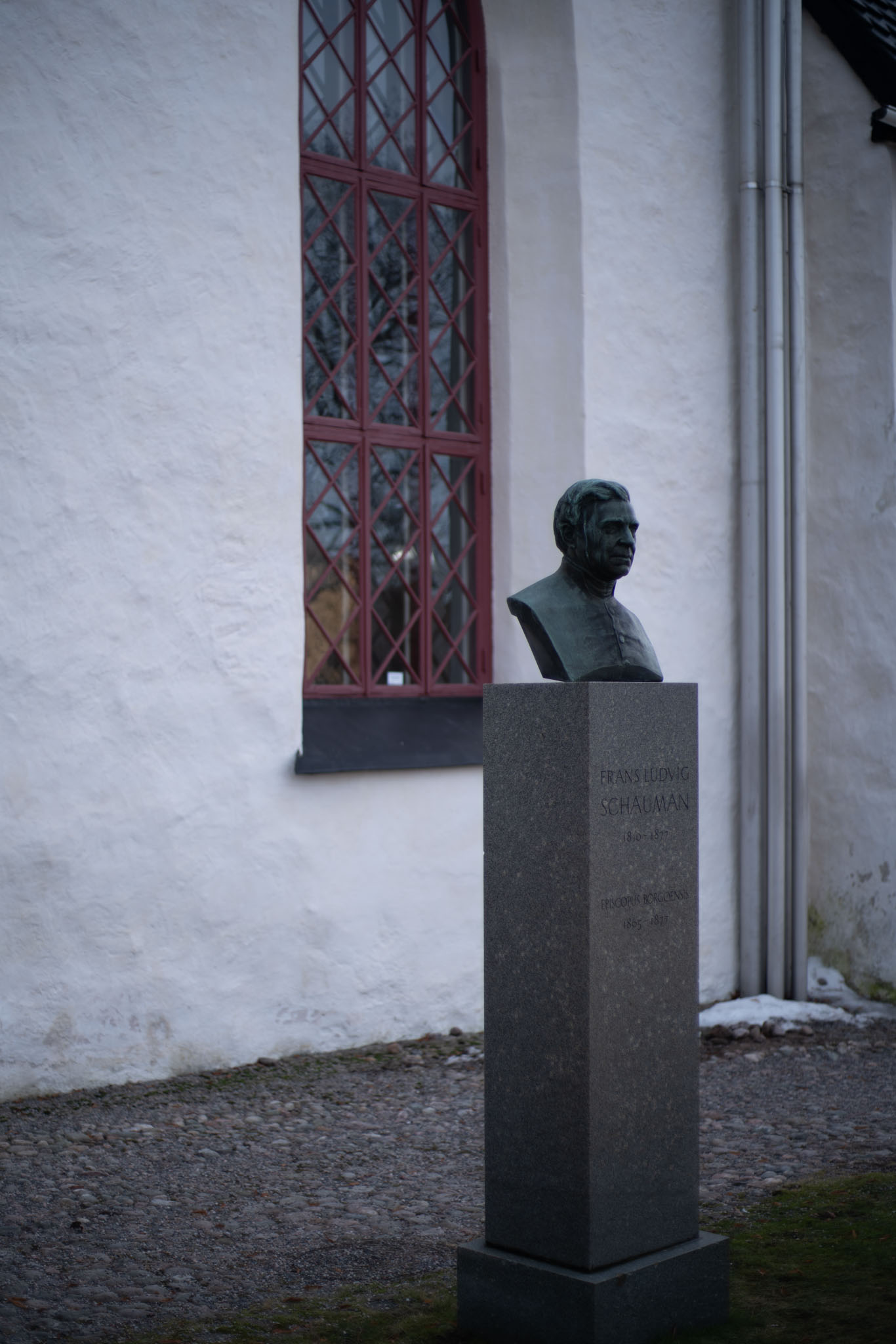
@ f/1.4, 1/2500 s
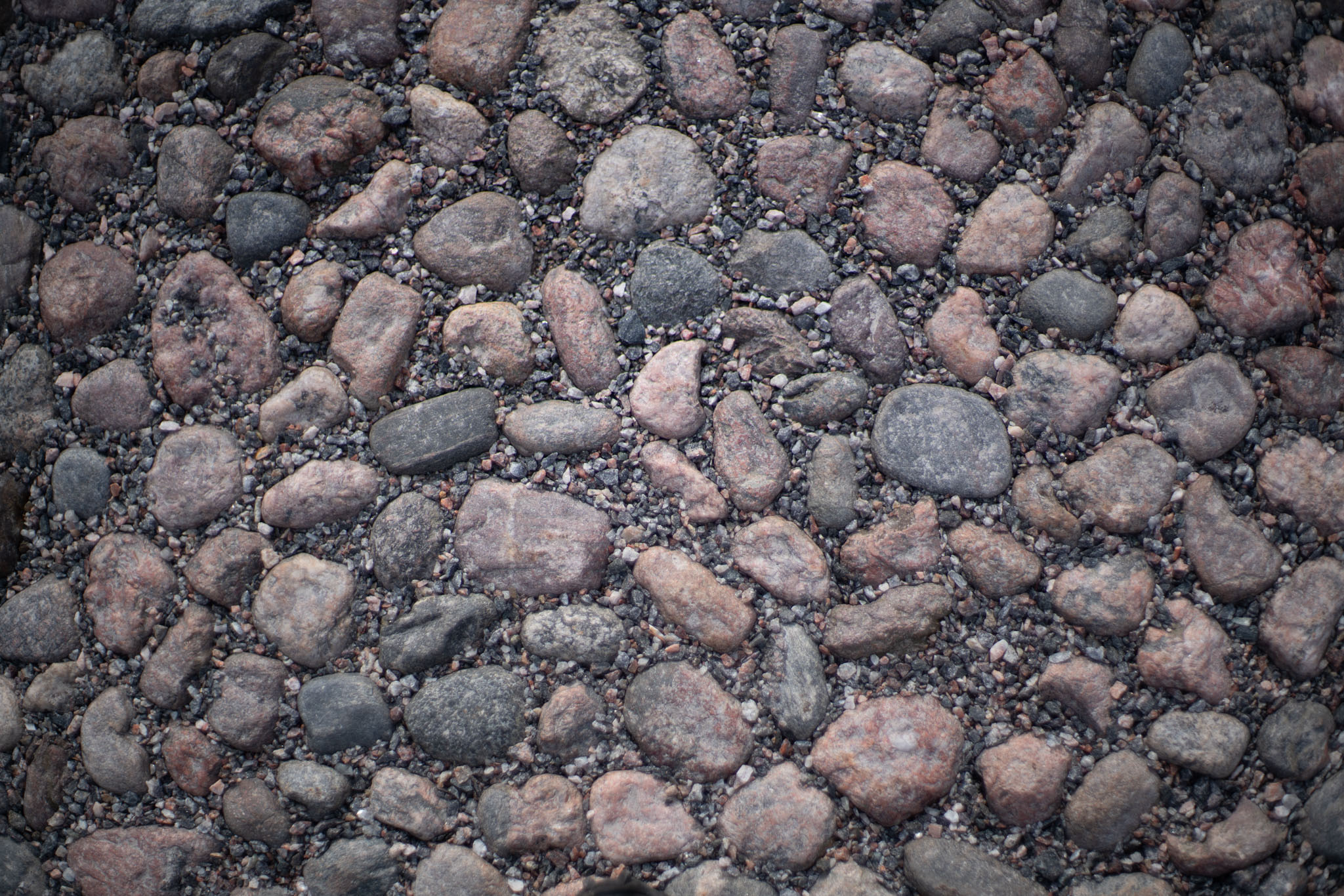
@ f/1.4, 1/4000 s
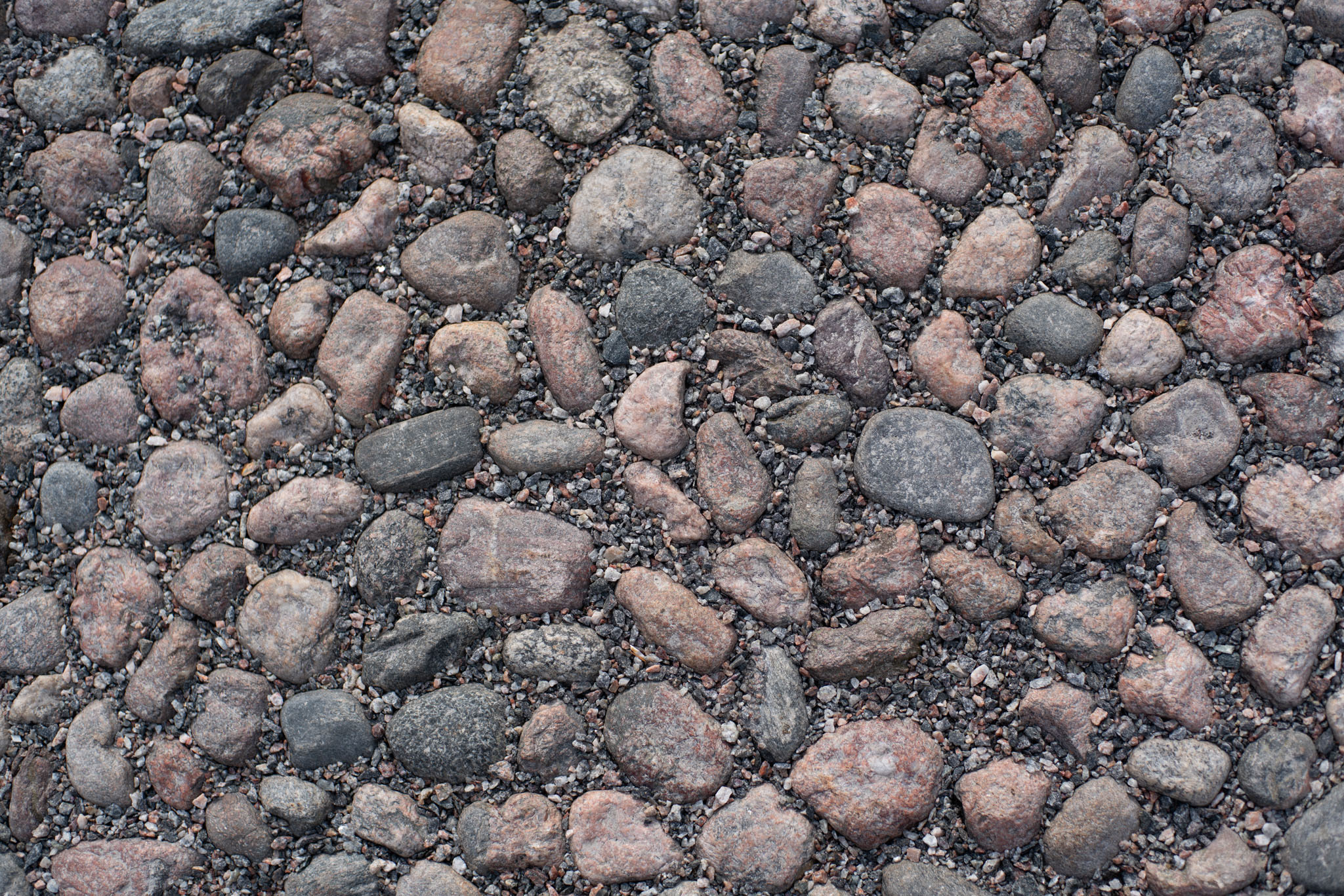
@ f/2.8, 1/1600 s
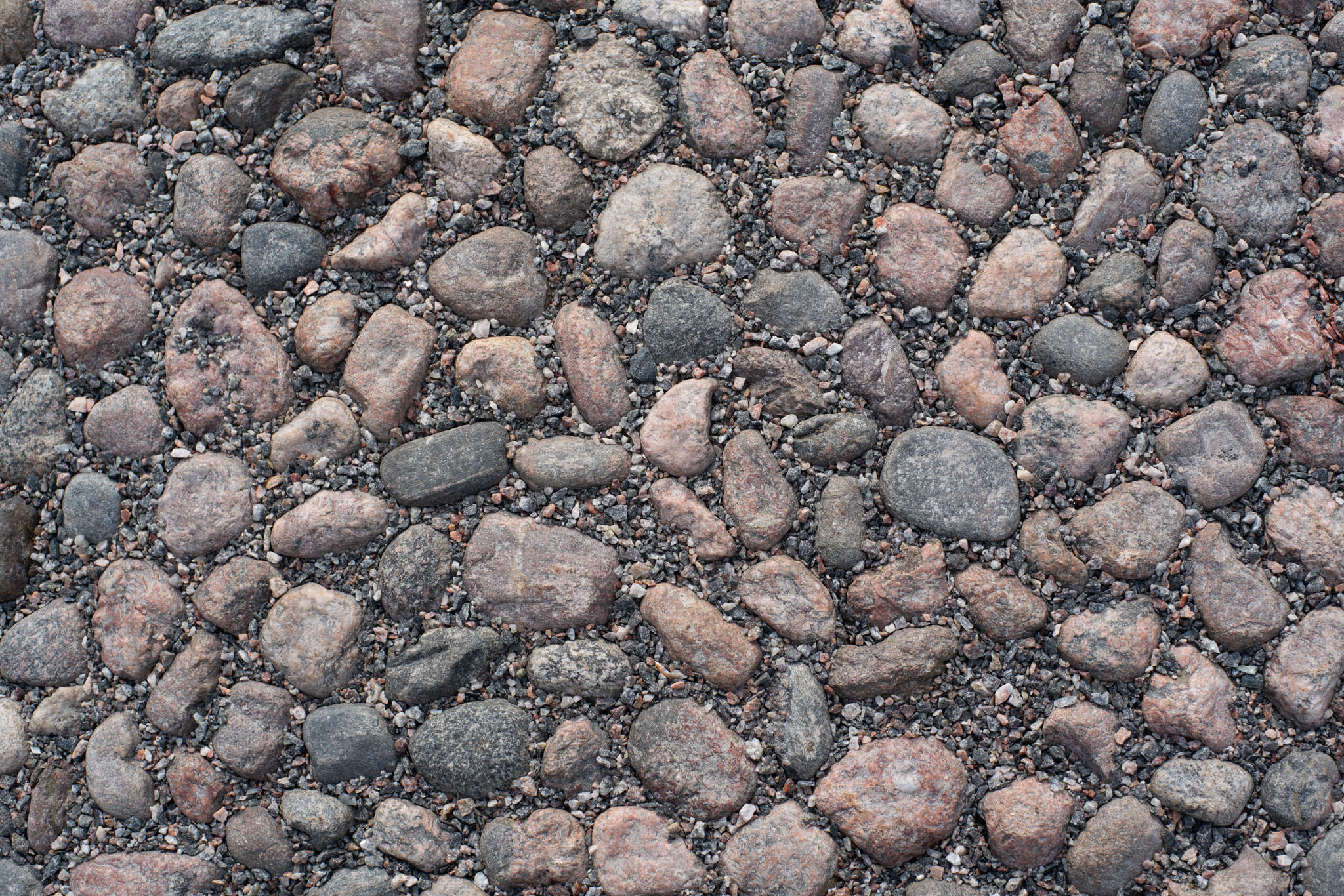
@ f/5.6, 1/320 s
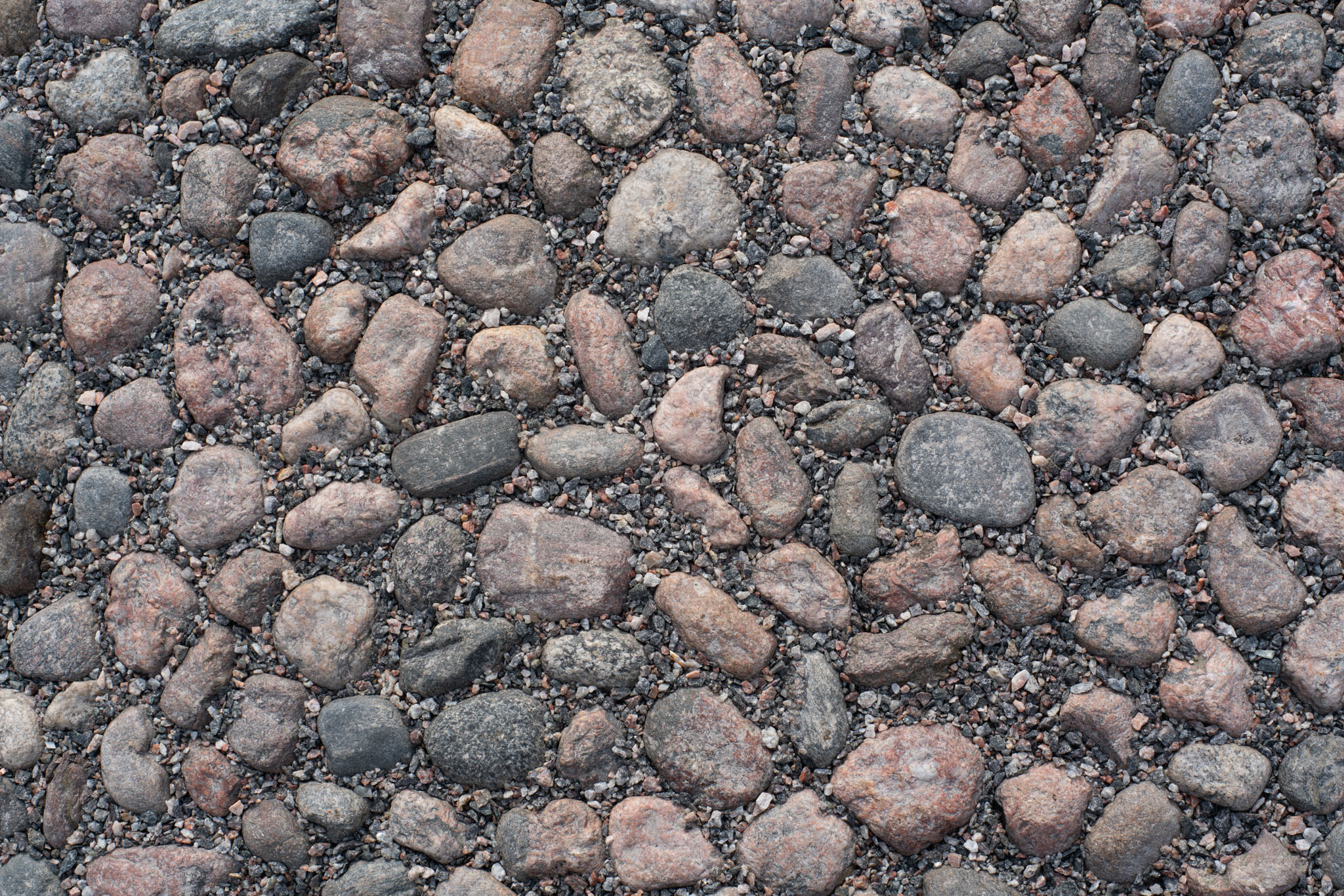
@ f/8, 1/160 s
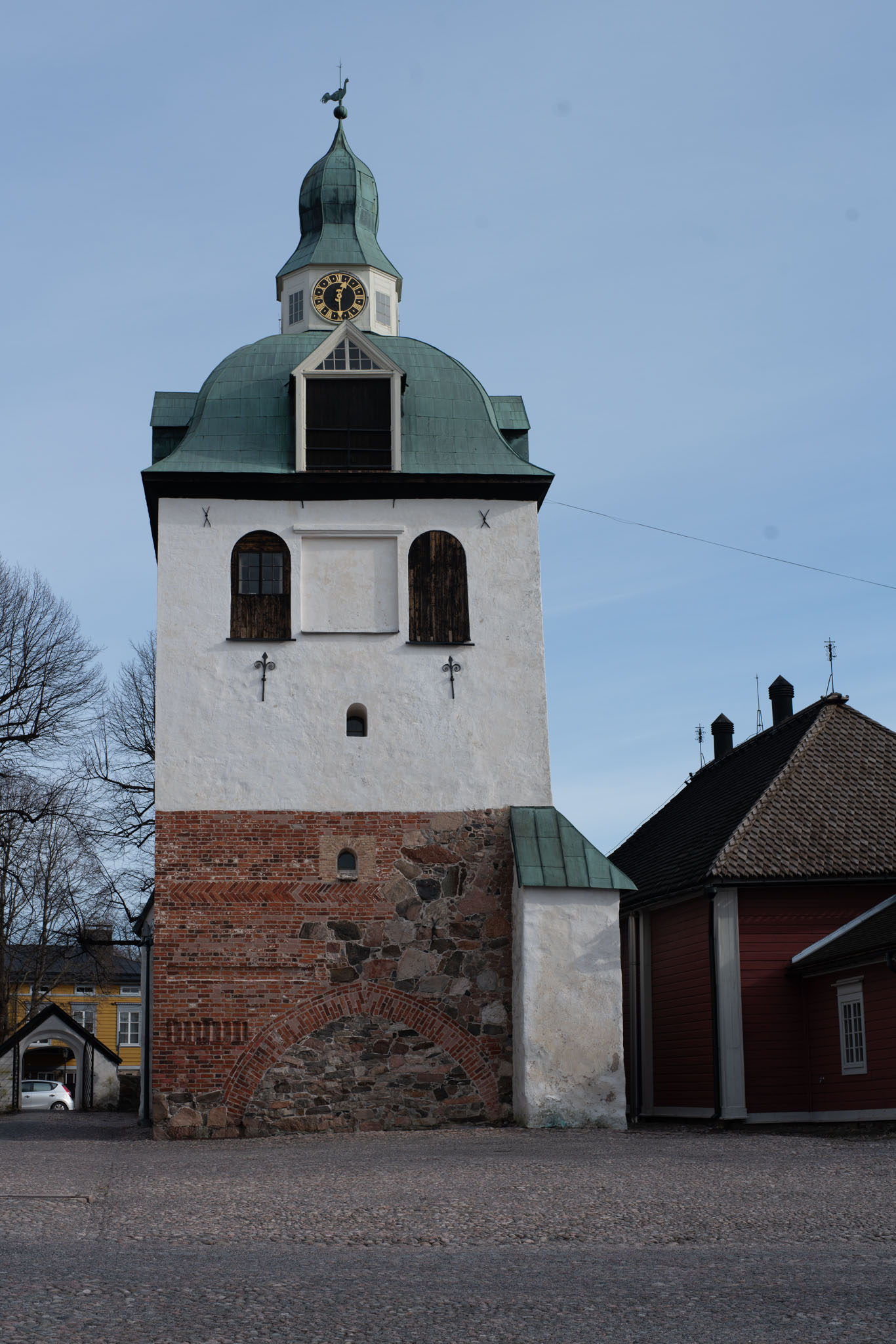
@ f/8, 1/320 s
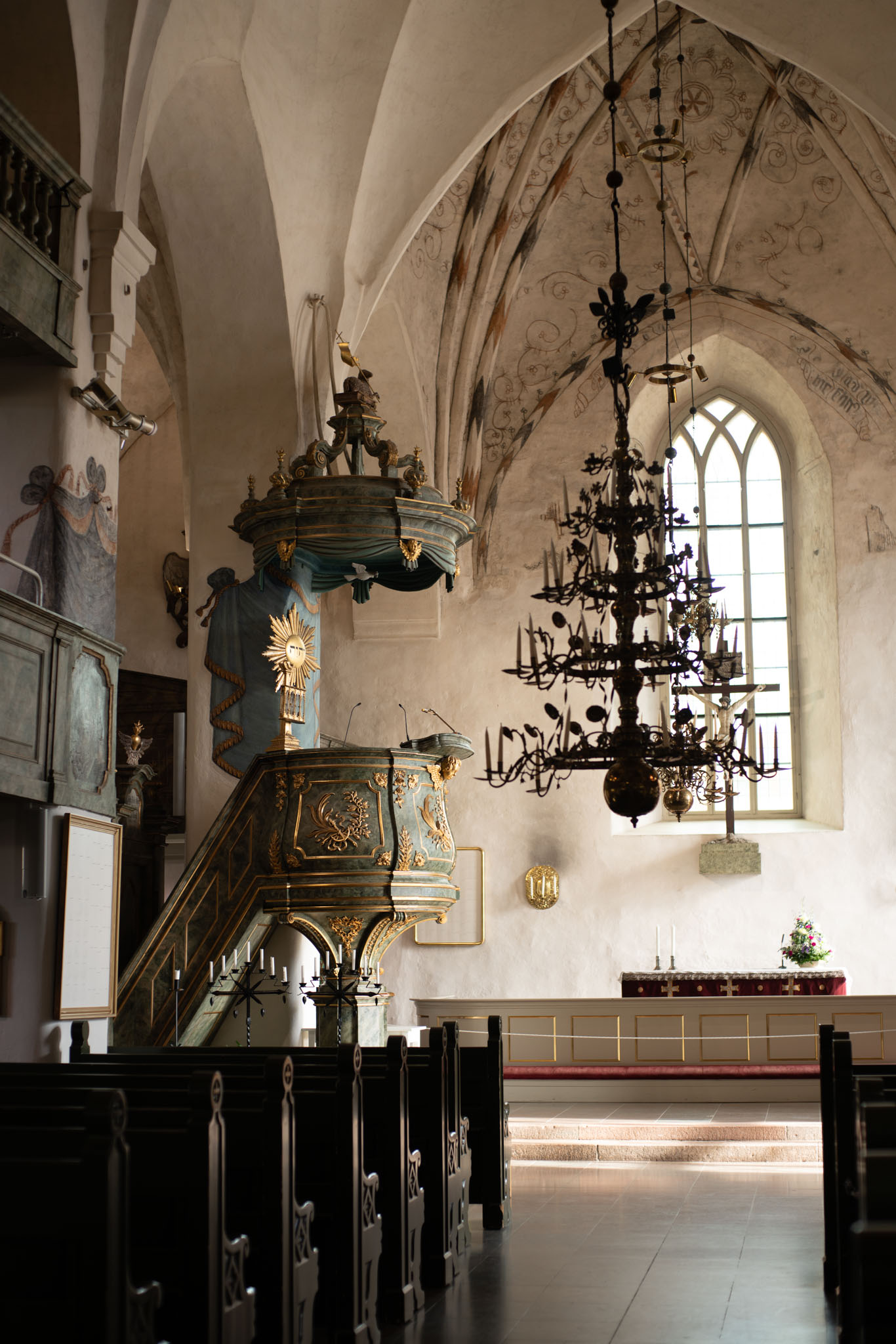
@ f/2.8, 1/30 s, ISO160
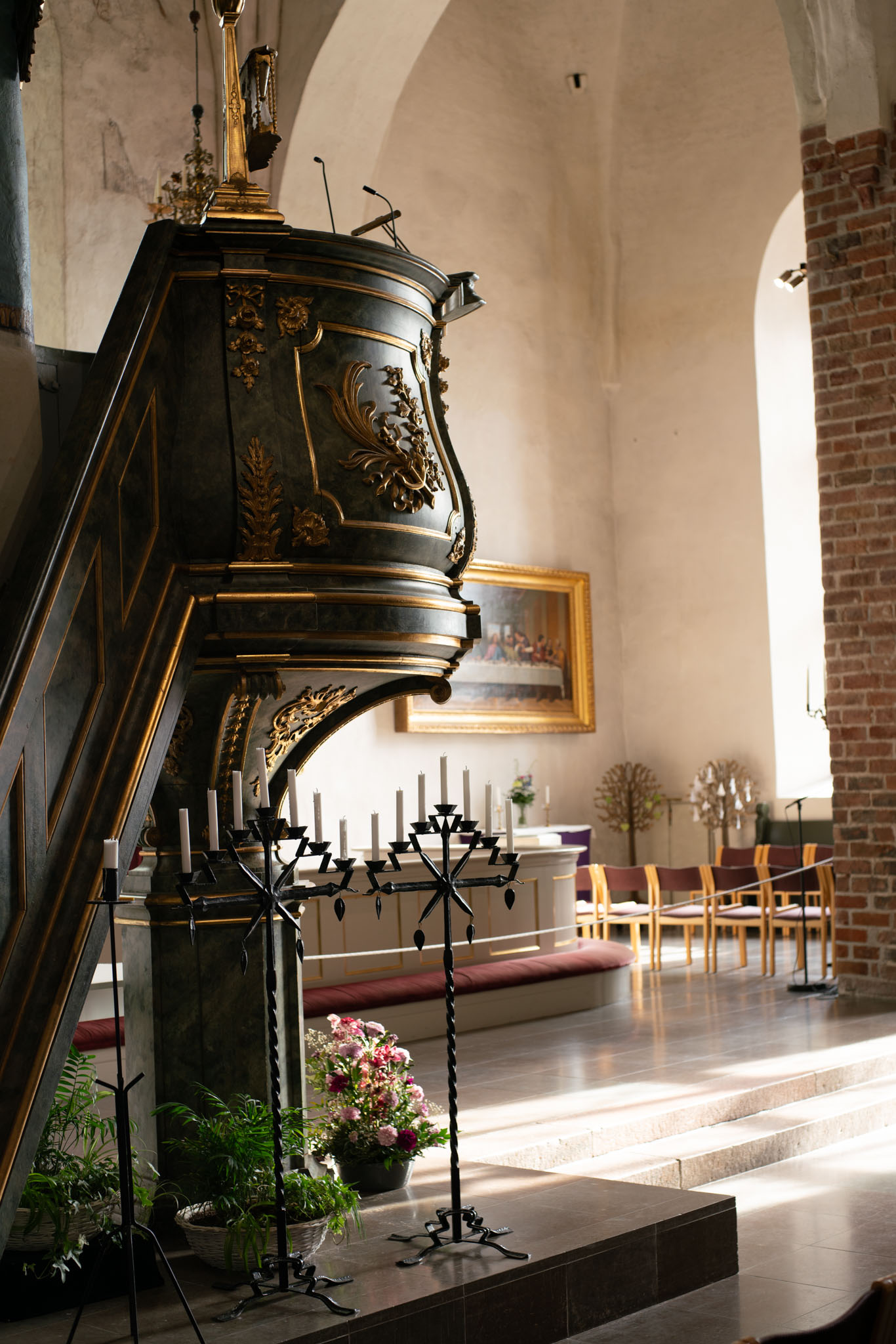
@ f/4, 1/30 s, ISO250
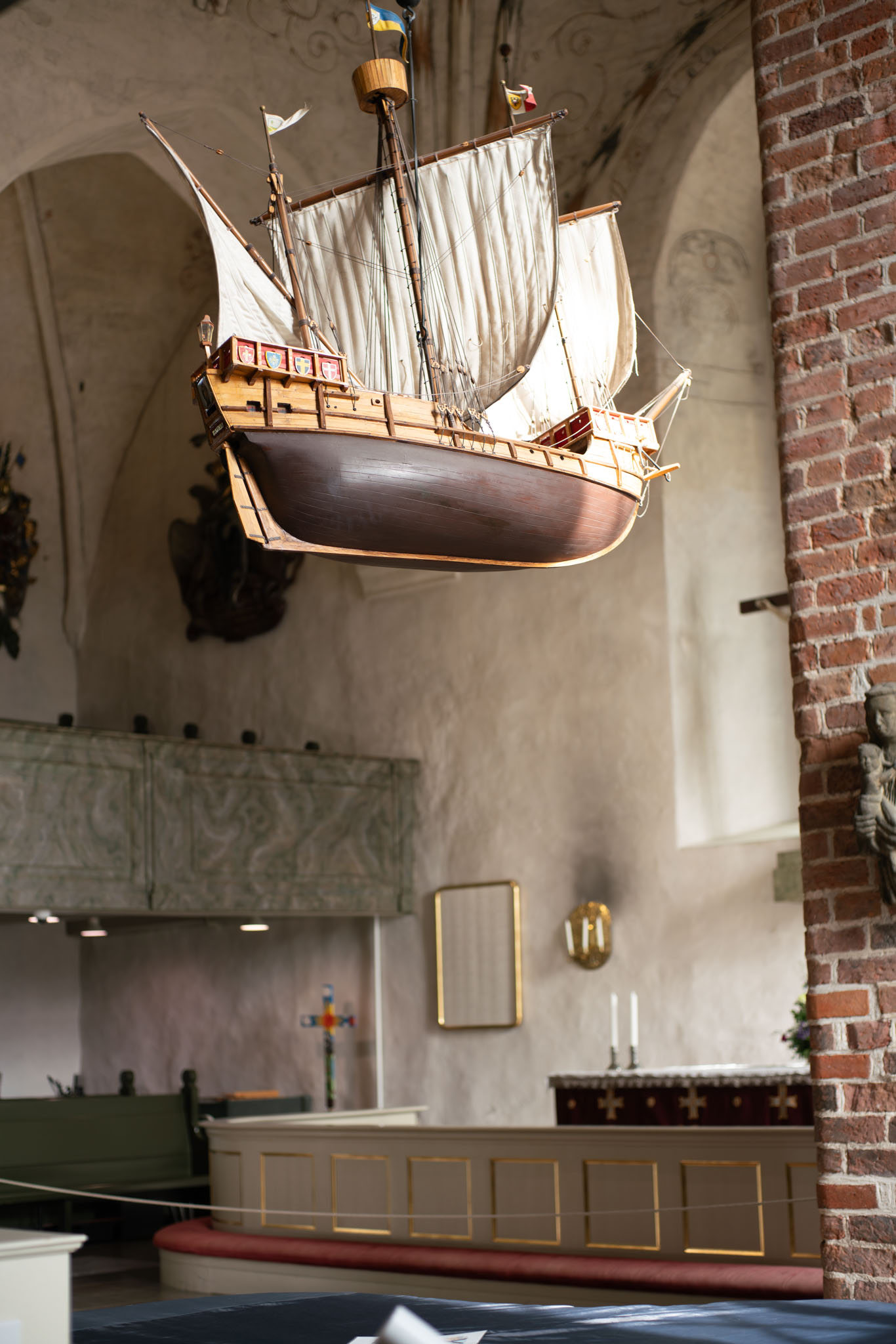
@ f/2.8, 1/40 s
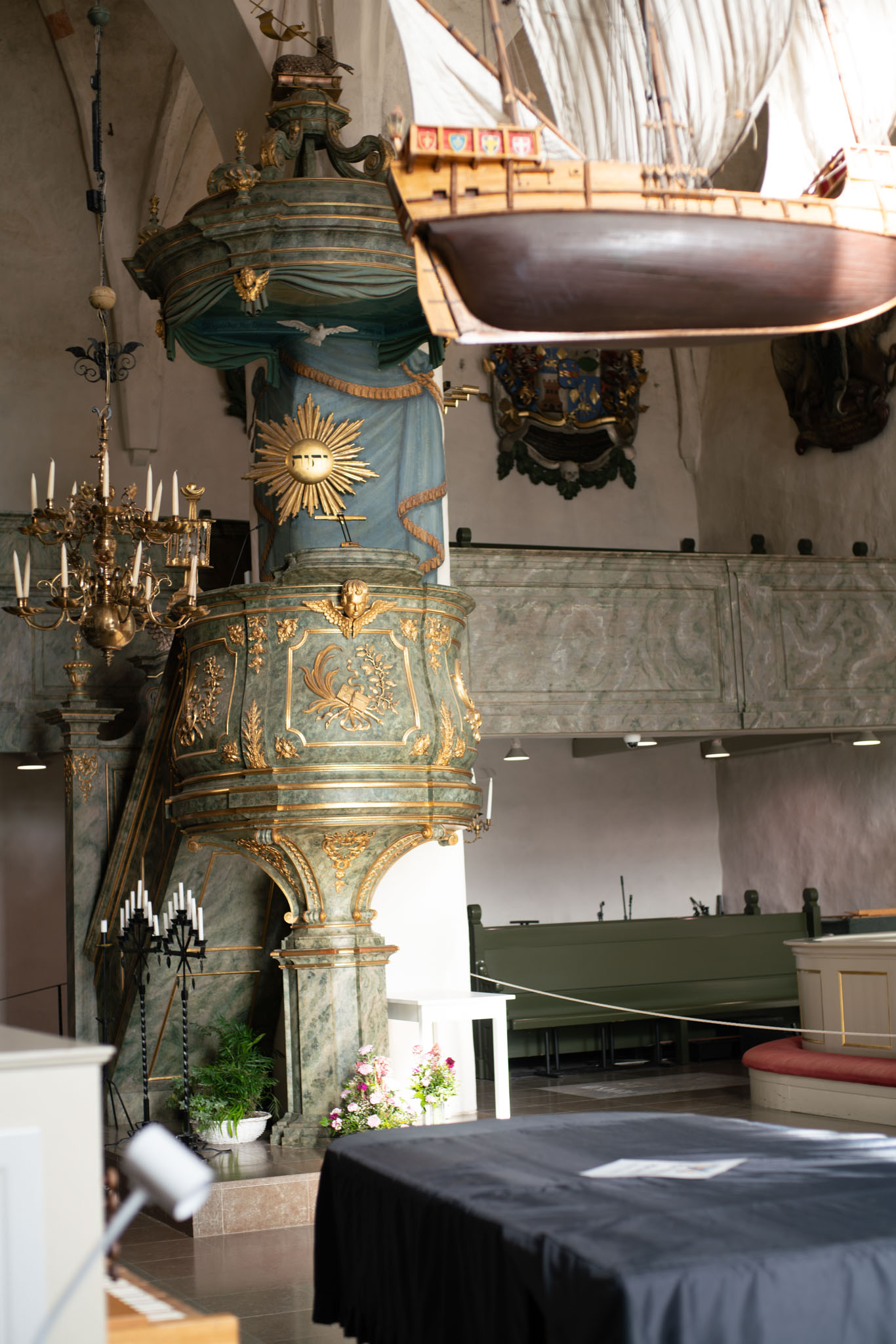
@ f/2.8, 1/30 s
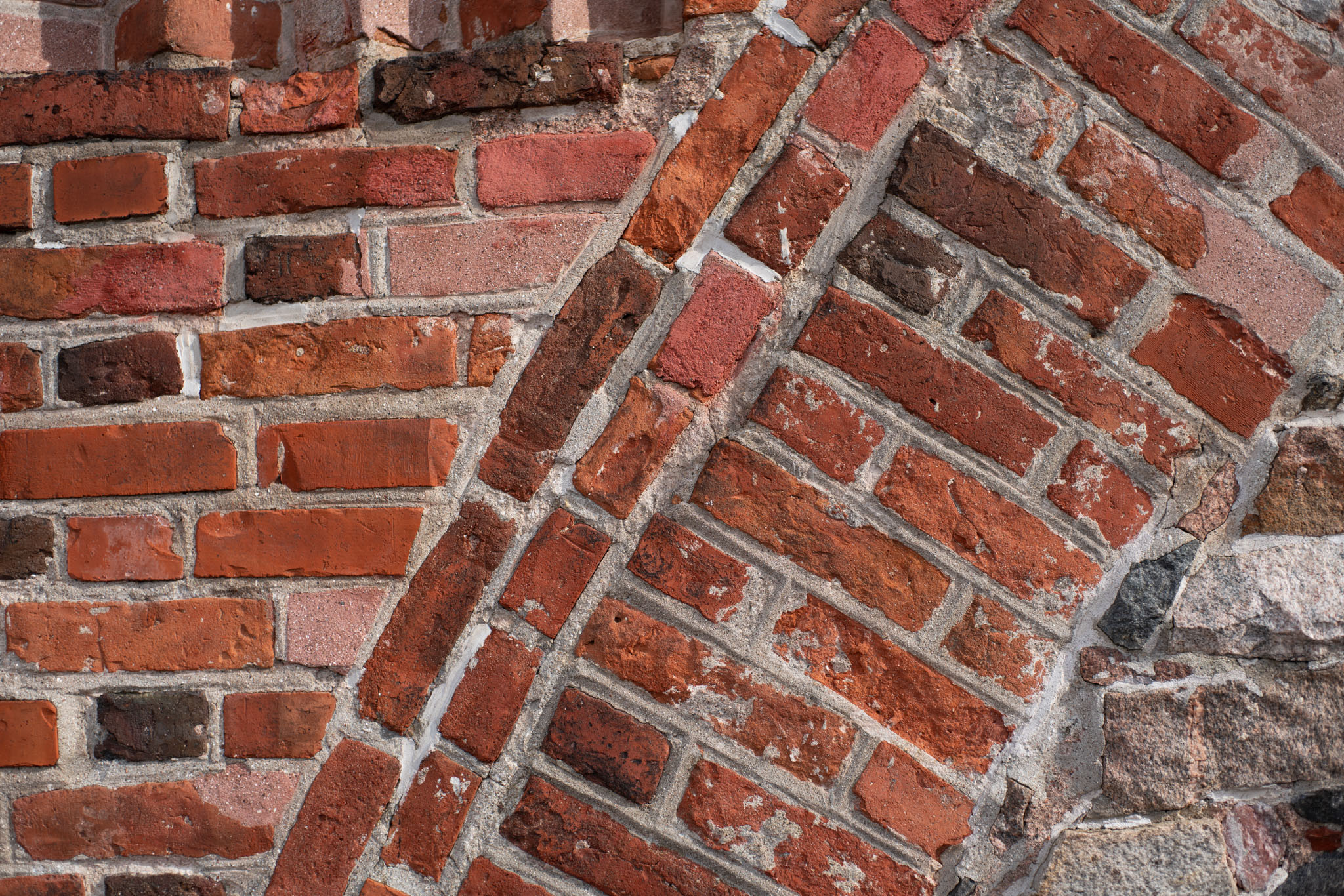
@ f/2.8, 1/1250 s
Footnotes
- As part of a Cold War deal between the East and West branches of Carl Zeiss, Carl Zeiss East was not allowed to use the Carl Zeiss name or pre-war trademarks in western markets while the same limitations applied to West German Zeiss in the Eastern bloc. ↩︎
- There are some indications that there were plans of selling this lens also as a “Voigtländer Color-Ultron 50mm F/1.4”, but I have never seen a copy of such a lens, so it might be that those plans never reached fruition. ↩︎
- No changes to exposure or colours, no sharpening, no denoising, no defringing. License plates and identifying marks retouched when necessary. ↩︎
Comments