
Pekka Buttler, February 2026
(Featured image: 1:1 crop from a snowy landscape shot)
Introduction
First off, you can also access the lens’ data sheet.
The Topcon (Tokyo Kogaku) RE. Auto-TOPCOR 58mm F/1.4 lens was introduced in 1963 together with the ground-breaking Topcon RE Super camera. It hails from Topcon’s ‘pro’ line of cameras and lenses (See the JAPB company profile for Topcon).
Its mainline specifications of 58mm f/1.4 make it a classic representative of the category of fast fifties. This design remained ‘the’ Topcon fast fifty until 1973 when Topcon introduced the more modern Tokyo Kogaku RE GN TOPCOR 50mm F/1.4
The sample I took to meet sub-zero tempertures hails from from the 1970s era (it’s a black variant), but as there is nothing to indicate that Topcon did any major tweaks to the optical design of the 58/1.4, these samples should be indicative of the standard performance of the Topcon 58/1.4
Looking at the mainline specs, the combination of a 58 mm focal length with an f/1.4 maximum aperture is nothing exceptional, but it has two features that make it stand out from the competition.
First, in an age when pretty much all other lens manufacturers styled their lenses in various shades of black, early era1 Topcon RE lenses are matte silver, often with a chromed front bayonet mount (for lens hoods etc) and very nice rubber focus rings. I know better than to assume that taste is a universal characteristic, but I think it looks damn nice.
Second, with its 62 mm filter thread and 340 gram weight, this is a rather big lens for a fast fifty.
Read on to see my attempt at describing this lens’ strengths and weaknesses.
Ergonomics
First off, Topcon RE lenses use their own variant of the Exakta mount. The short version is that it’s a classic Exakta bayonet, with some added mechanical interfaces (indicator prongs and stop-down levers) to facilitate the level of automation desired by Topcon. Topcon RE lenses and Exakta cameras are not a necessarily trouble-free match (or vice versa), but – importantly – any Exakta adapter that you are likely to have will work perfectly with Topcon RE lenses. If you want to dig into the details, feel free to do so at the JAPB article on the Exakta mount and its variants.
Assuming you already have an Exakta adapter for your camera, you just insert this lens, twist and listen for the locking lever to snap. Then you go shooting.
The Topcon RE 58 mm f/1.4 lens is a bit larger than the average 60s fast fifty. The lens makes good use of its size by offering the photographer a nicely wide focus ring that is exquisitely dampened and a joy to use. During my walk-around it was around -15° C which in combination with a 3 m/s northerly wind (==> feels like -22° C) pretty much guaranteed that I never took of my fleece gloves. Even so I had no problems manipulating the focus ring with precision.
Regarding the aperture ring I was not so lucky. The aperture ring of Topcon RE lenses invariably is a rather narrow affair, which – when mounted on a Topcon RE camera – ends up quite close to the camera housing. Luckily things are actually a bit better when adapted as the adapter makes finding the aperture ring possible even when wearing gloves.
The aperture ring is otherwise nicely tactile, with clicks that are both easily felt and counted (even when wearing gloves) without at any stage putting up considerable opposition. I have shot this lens a decent amount of time (mostly adapted but also natively) and whenever I’ve decided to check what my aperture value is (when I’ve counted the rapid clicks and think I am at a specific aperture, only to decide to nevertheless check it visually) I have almost invariably been right on target.
Setting the scene:
Time and place: Helsinki’s eastern suburbs, 14.2.2026.
After a (customarily) dark November to January, February is showing some of its best sides: The Sun already rises above the horizon for 9 hours and – unlike November or December – blue skies are not unheard of. At the same time it has been bitingly cold and although sunshine and a snowy landscape makes for at times painfully bright vistas, the sun does little to heat up the air.
I recently got my hands on the Topcon fast fifty – the Topcon RE Auto Topcor 58 mm f/1.4 and wanted to get a handle on this rather legendary lens. Hence this is a combination of Walk-around while also the youngest kids are frolicking in the snow.
In winter and coldness I usually prefer my Nikon Z 5, but as I had recently got some new batteries for the Sony ⍺7R2, I wanted to check how they dealt with the temperatures. Interestingly, the batteries worked flawlessly, but it seems that the camera’s shutter was not as cooperative (some images show clear signs of uneven shutter movement).
All images were taken with a Sony ⍺7R2, a K&F concept Exakta->Sony FE adapter, and the Topcon RE 58 mm f/1.4 lens. All shots in RAW, handheld with IBIS on (IBIS set to 55 mm).
Edit in post: ACR default conversion only1, straighten, resize to 2k, save as JPEG quality 60.
Images and commentary
Let’s start with sharpness, because there lies the biggest surprise. Before going on, unless you understand the difference between ‘definition’ and ‘contrast’, you better read up on the distinction.
No-one expects a 1960s legacy lens to be as sharp as modern lenses, and everyone knows to expect that if you use a 1960s fast fifty wide open, you better not be looking for sharpness (Bokeh? Yes. Dreamy portraityness? Hell yes.). Even so, there is something going on with this lens wide open that is slightly beyond the norm.
At f/1.4 this lens is unabashedly dreamy (far from sharp), which typically is an indicator of spherical aberrations. In today’s imagery (sun, white snow => extreme contrasts) is that dreaminess is at times exacerbated by honestly quite massive longitudinal chromatic aberrations. This is especially evident in that wide-open images not only suffer lower than optimal definition but also suffer significant contrast loss.

That combination of spherical aberrations and longitudinal chromatic aberrations is obviously at its worst at f/1.4, but it is not gone by f/2 and in high-contrast transitions, there are remnants left even at f/2.8. On the other hand, at f/4 and beyond, this lens is bitingly sharp (until diffraction starts eating into definition at f/16). Hence, speaking about centre sharpness we can see peak sharpness from f/4 to f/11, usable sharpness (when sharpness is sought) at f/2 and f/2.8, but f/1.4 should not be used if sharpness is important.
Moving from the centre to the corners things get even more interesting. That legacy-era lenses are not corner-to-corner sharp at wider apertures is not unusual. Even so, I feel there is maybe a more pervasive off-centre unsharpness with the Topcon RE 58/1.4 and I am – as of yet – not quite sure whether this is due to the lens’ field curvature or due to more than usual astigmatism, but it does feel like the corner areas simply do not reach sharpness before f/5.6–f/8. For reference, see collage below.
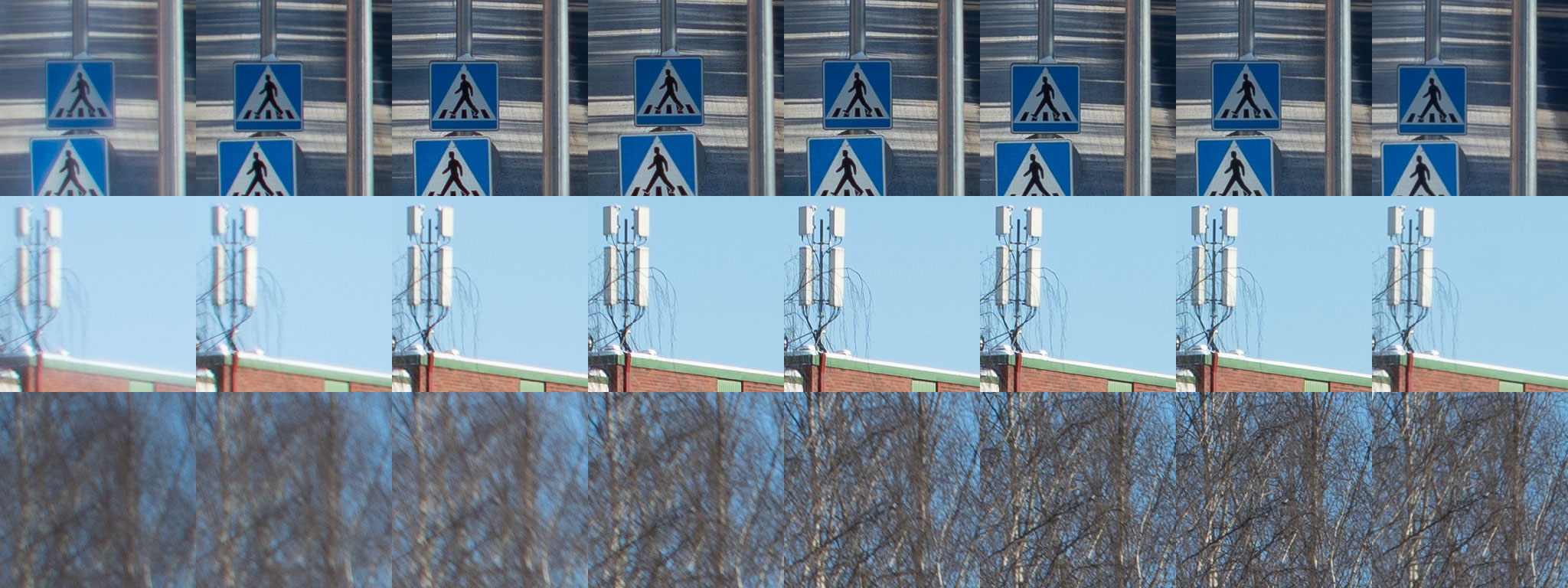
Columns fLtR: f1.4 to f/16 in full stop increments (click to enlarge).
In the collage above the centre crops (in the absence of extreme contrasts) tell a somewhat different story: Here there is a big difference between f/1.4 and f/2 (but not as big as in the high-contrast scenario), and after that we’re dealing with gradually improving sharpness to peak sharpness at f/8.
In the off-centre crops there is a big improvement from f/1.4 to f/2 and another when going to f/2.8 as well as a smaller (but still significant) improvement going from f/2.8 to f/4 (after which sharpness is essentially flawless).
In the border crops the story is again different. Wide open is mush (but shows no signs of smearing in either the sagittal or tangential direction) and while f/2 and f/2.8 get progressively better, we’re far from being able to contend with f/2.8. In fact, we have to go all the way to f/5.6 to be in the ‘ok but not great’ territory and f/8 before we’re able to say ‘corner-to-corner sharp’
It almost feels as if – whoever designed this lens at Tokyo Kogaku all those 63 years ago – had sat down and thought to themselves: “I want to design a lens that is perfect for headshot portraiture”. With these characteristics a lens should be able to offer dreamy, almost esoteric portraits at f/1.4 and f/2 and interesting environmental portraits at f/2.8 and f/4 (while being able to work as a landscape lens at f/5.6–f/11). Sadly I am unable to verify this conjecture, but … I wonder what else you’d want from a headshot lens?
Even the vignetting profile of this lens is perfect for portraiture. There certainly is condsiderable vignetting wide open, but the fall-off is gradual and does not induce a corner colour cast and by the time you’ve stopped down the lens to f/5.6 vignetting is entirely gone (in my opinion it stops being field-relevant at f/2.8)
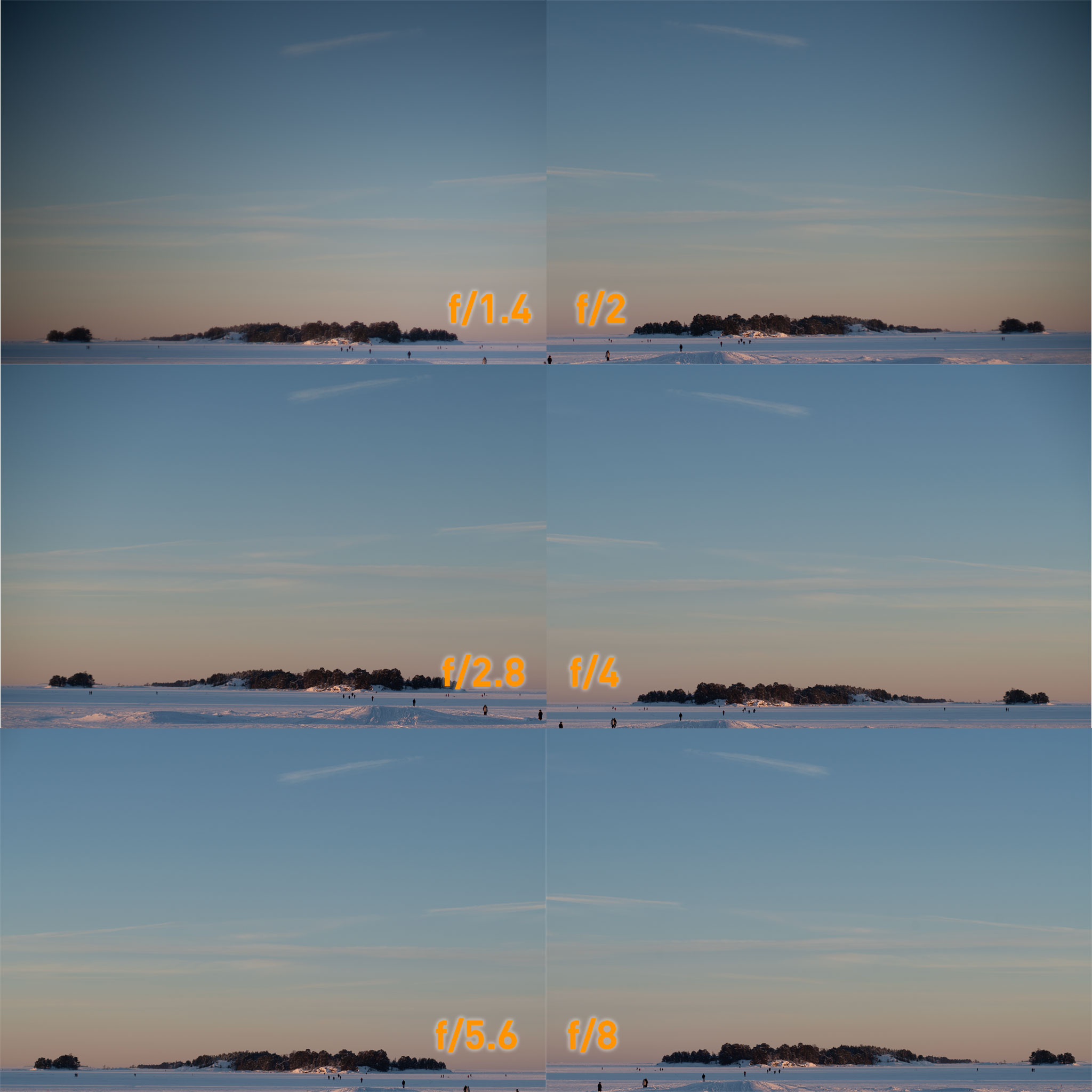
This lens does have some level of geometric distortions, namely a clearly visible (but not severe) level of barrel distortion. This geometric distortion should not be a big issue in the normal shooting range).
Lateral chromatic aberrations (which you would see in high-contrast transitions in corner areas at all apertures) do not seem to be an issue for this lens. Also, I generally no special colour balance (that the images would be especially cold or warm). Instead the colour balance of the lens is neutral (You should not let the fair share of golden hour shots and blue skies below fool you).
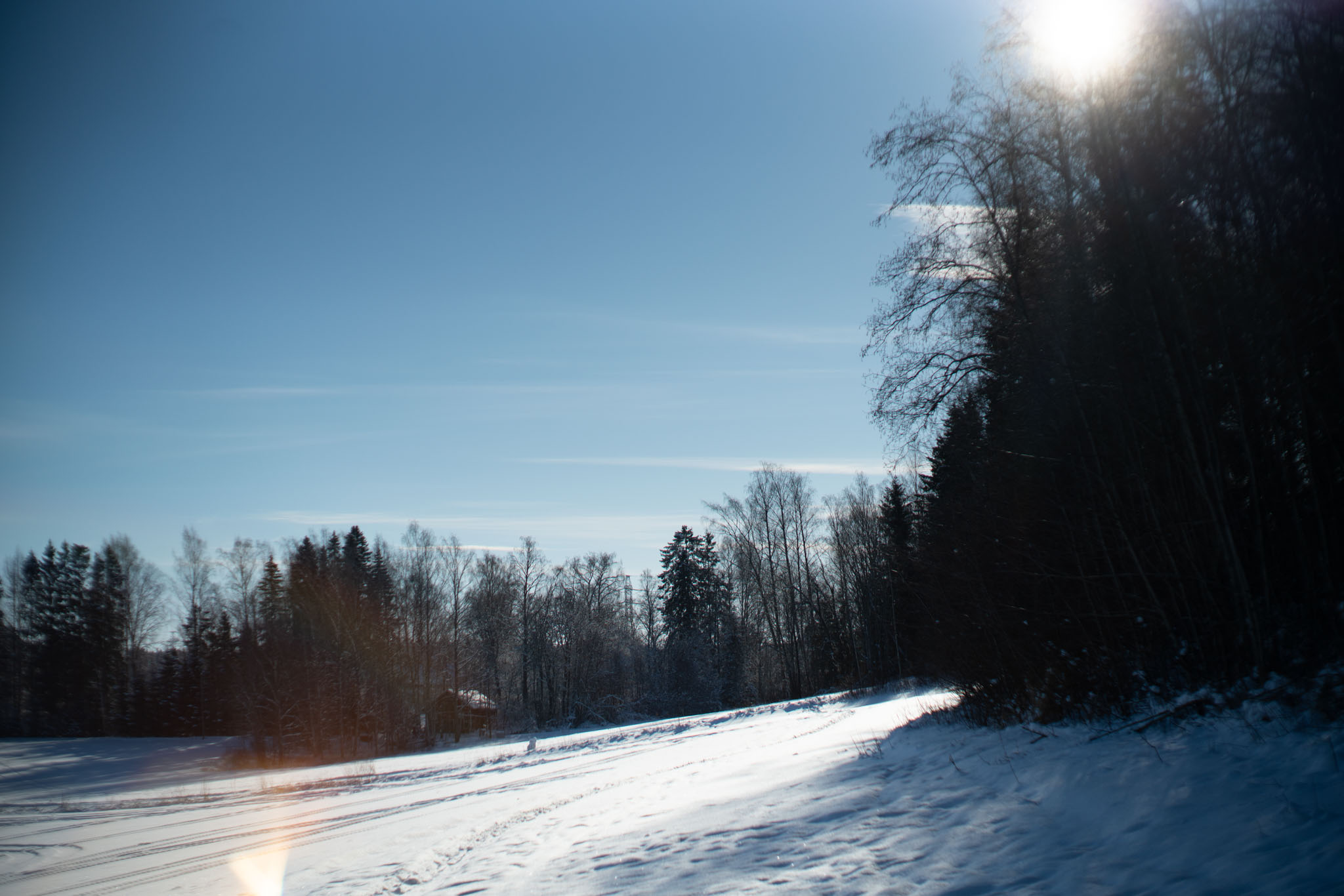
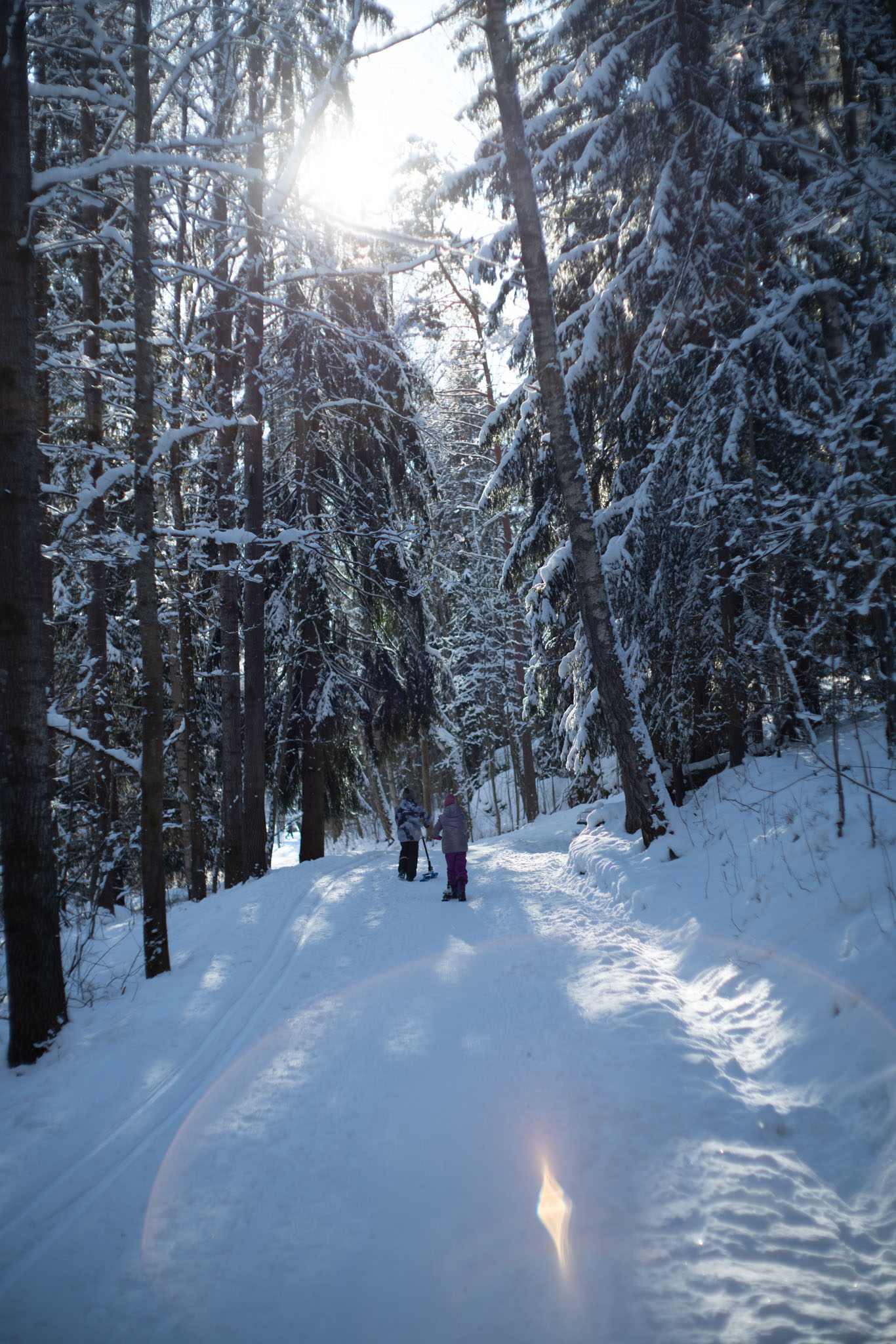
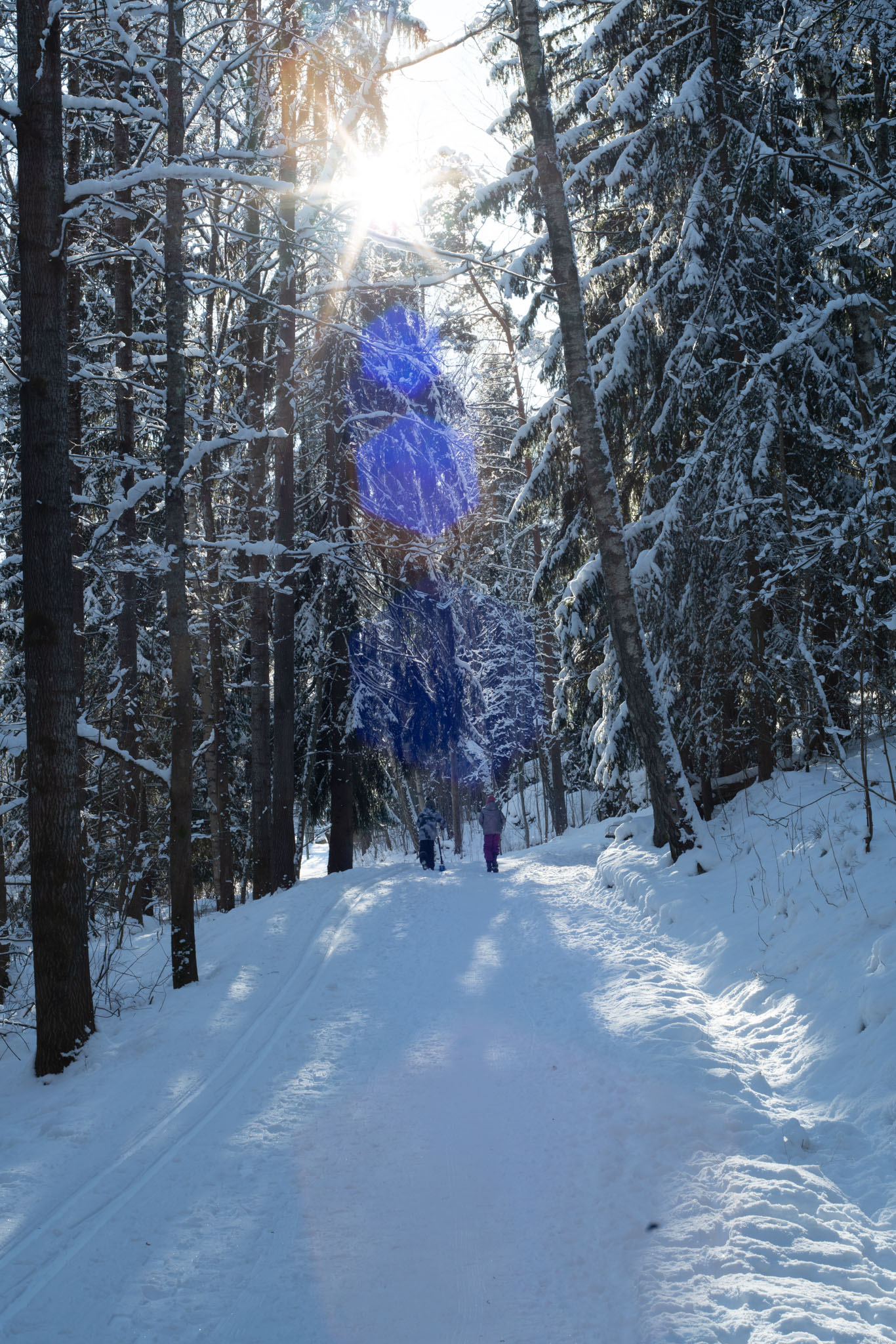
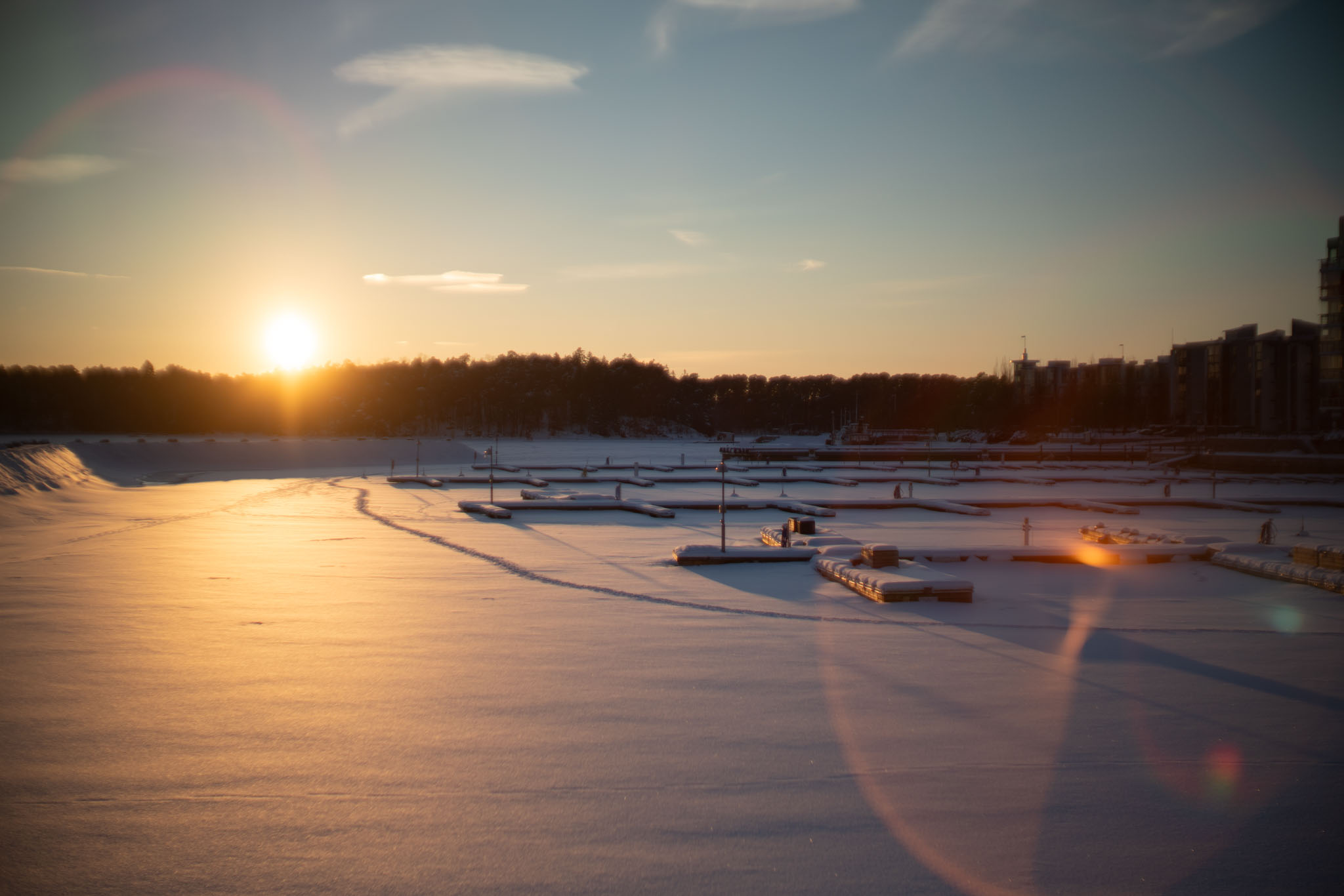
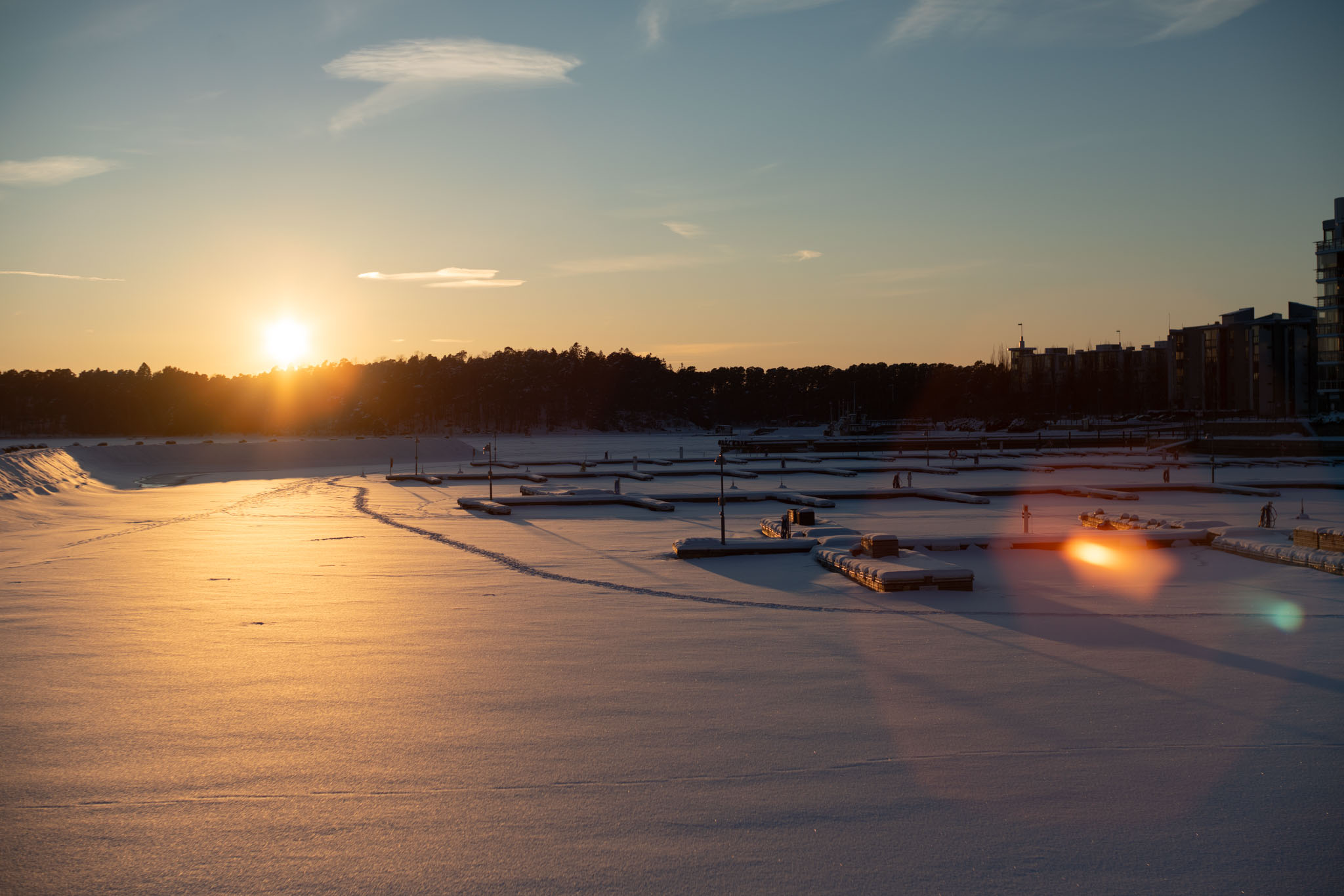
When shooting against the light the lens shows some level of ghosting and veiling. Veiling is not very bad, and while it may reduce contrast in areas near strong light sources, this result is better than expected given that this lens is from before the age of effective multi-coating. The ghosting on the other hand rather tends to be an added bonus as the ghosts are not too big and tend on the appealing side.
I have not had a chance to take this lens out to photograph starscapes or the nighttime lights of distant cities, so I can say nothing absolute about whether the lens shows significant comatic aberration or astigmatism. That said, even the earlier tests indicate that this lens is not a good choice if your aim is to document the night sky.
As already indicated, the lens does have a modicum of field curvature, and this is certainly a contributing factor in the lens’ low corner sharpness, but the field curvature in the tested (close range) is far from extreme. Even then: field curvature can negatively influence sharpness, but can have a positive effect on bokeh and can help in achieving subject separation (again something that you’d want to have in a portrait lens)
In sum: This walk-around has not tested every use case, and there are some aspects of the lens (what causes the corner softness) that I have not quite yet fathomed. At the same time, even this brief test would indicate that this lens might be a bit of a case of Dr. Jekyll vs. Mr. Hyde and that you shift between the ultimate portrait monster and the calm and controlled landscape lens by twisting the aperture ring.
Gallery:
If you want to pixel peep the original RAW files, please get in touch or leave a comment.
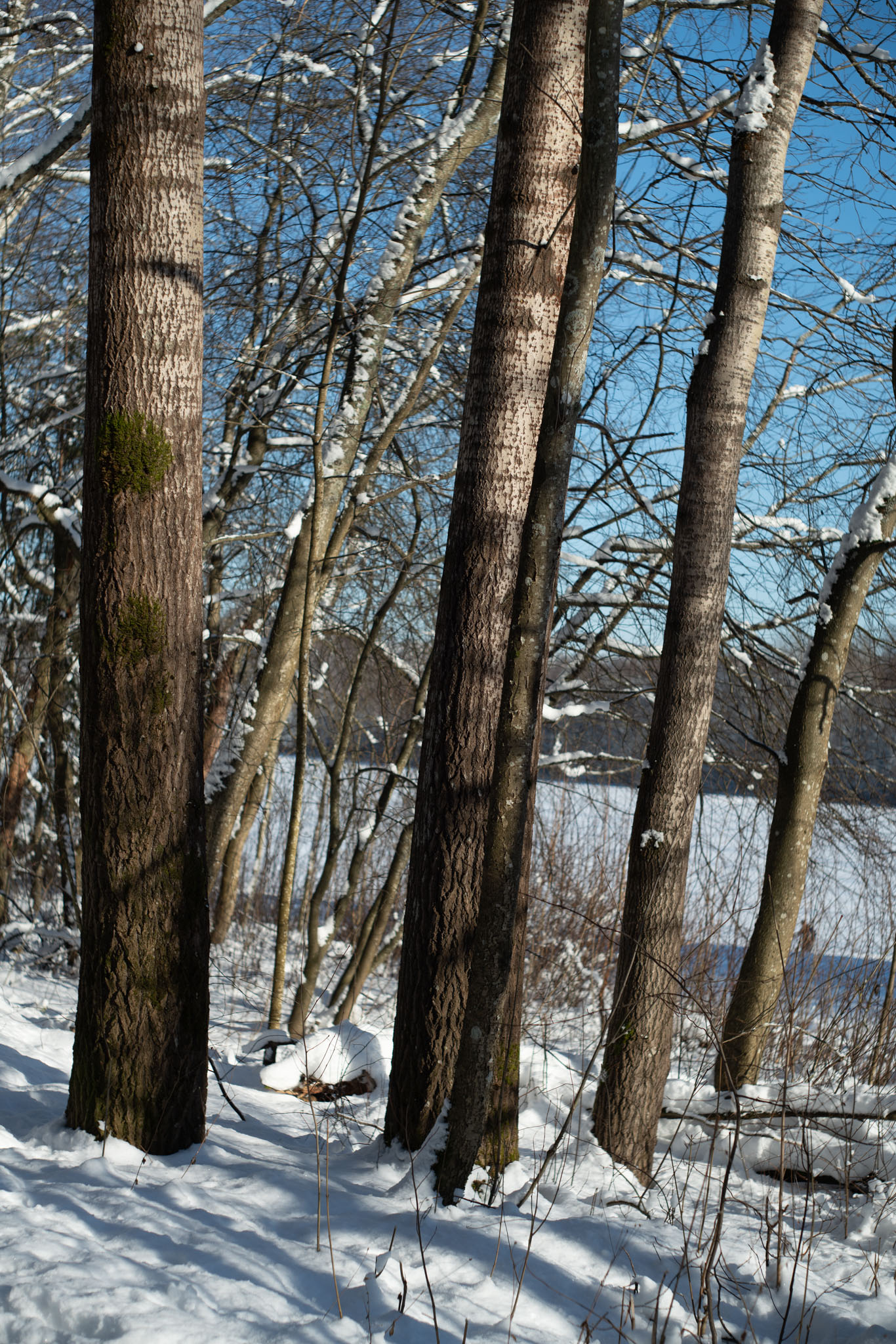
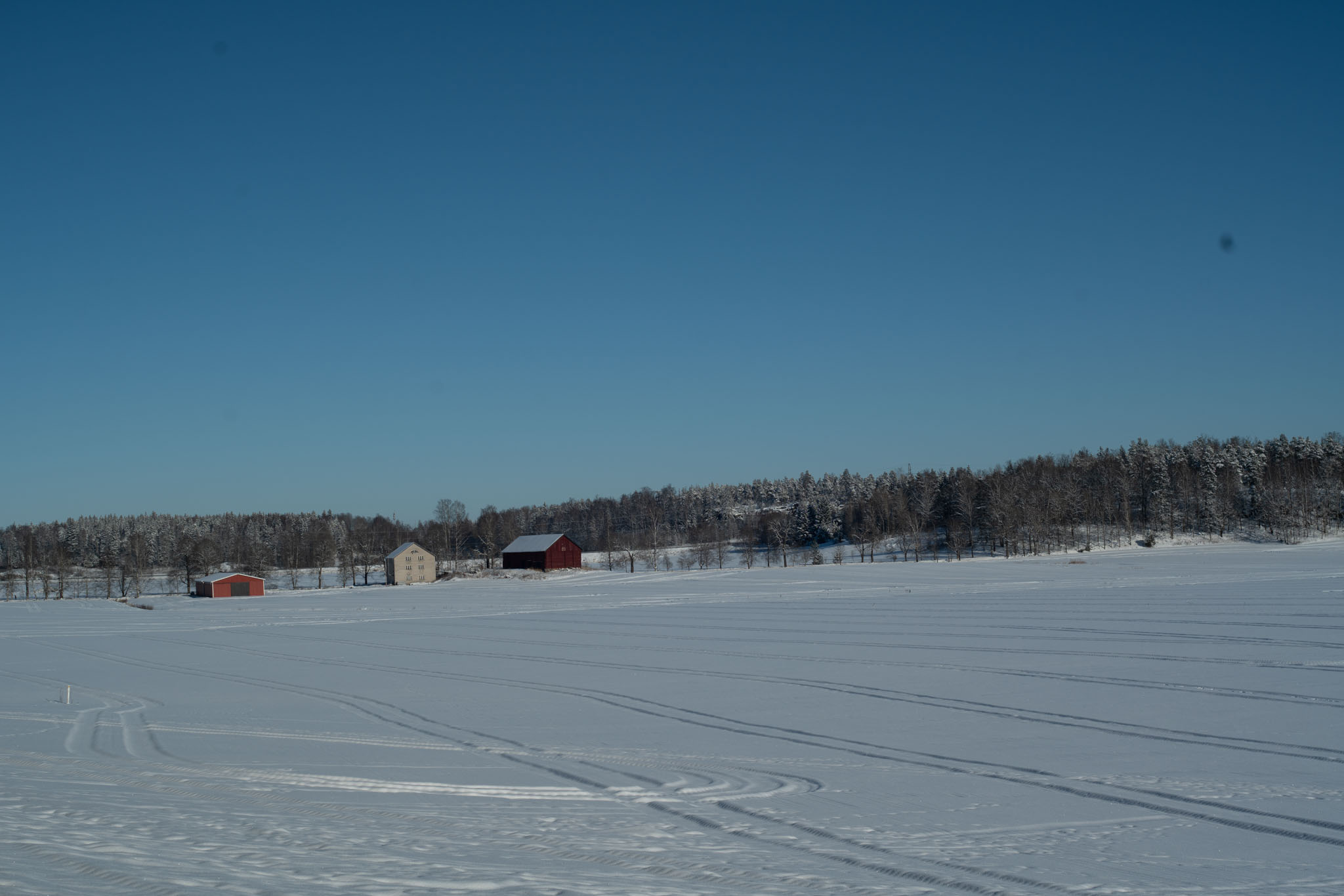
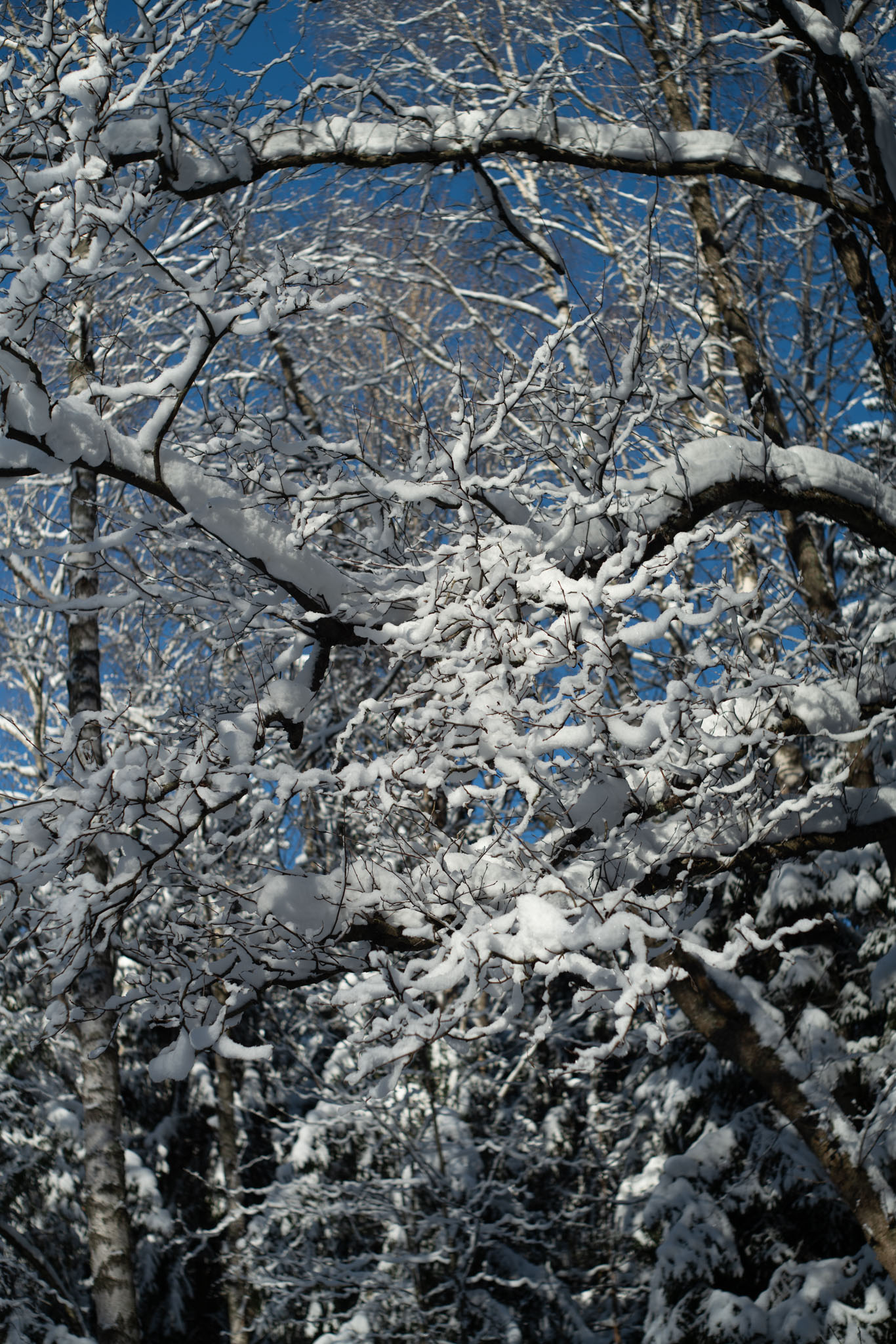
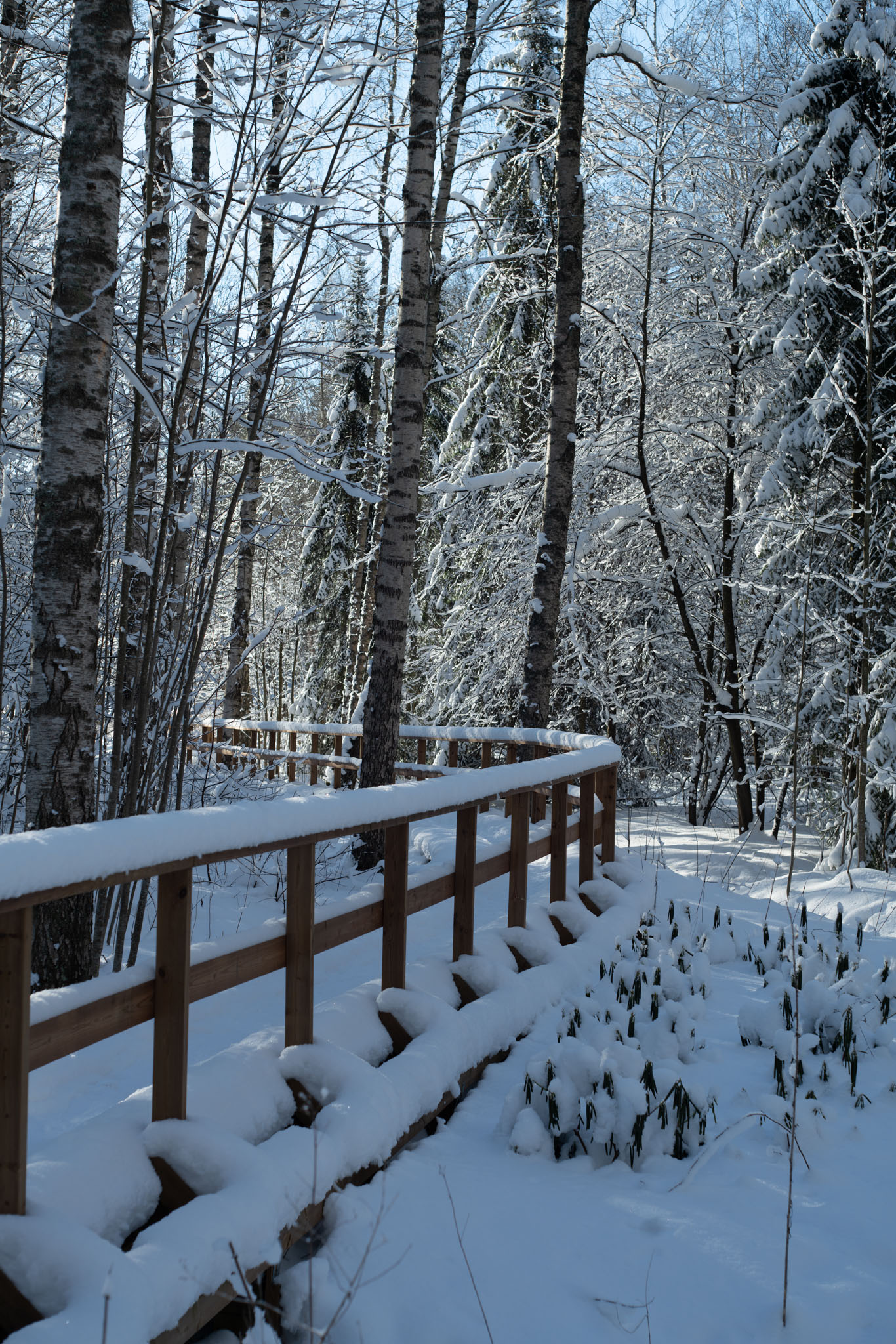
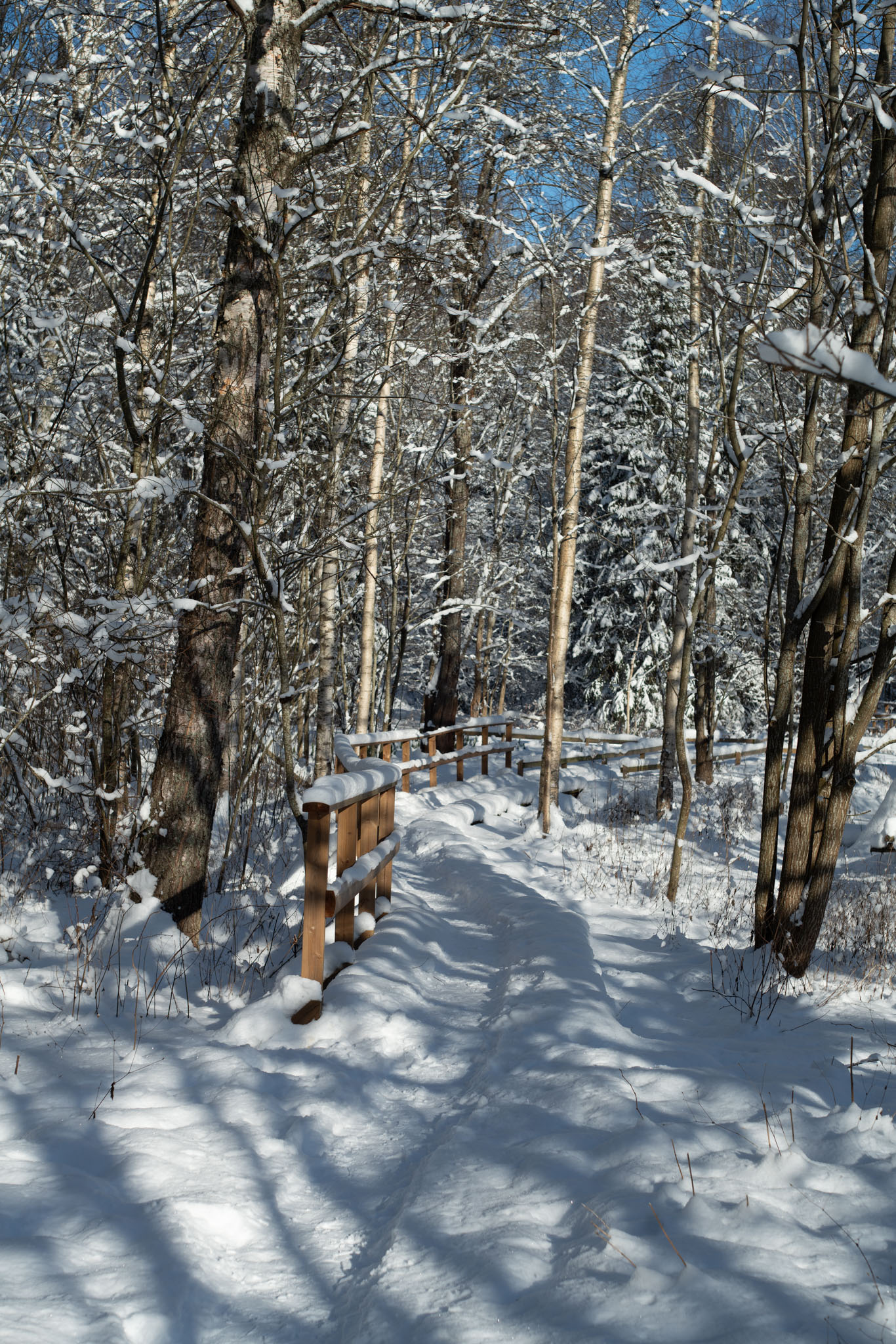
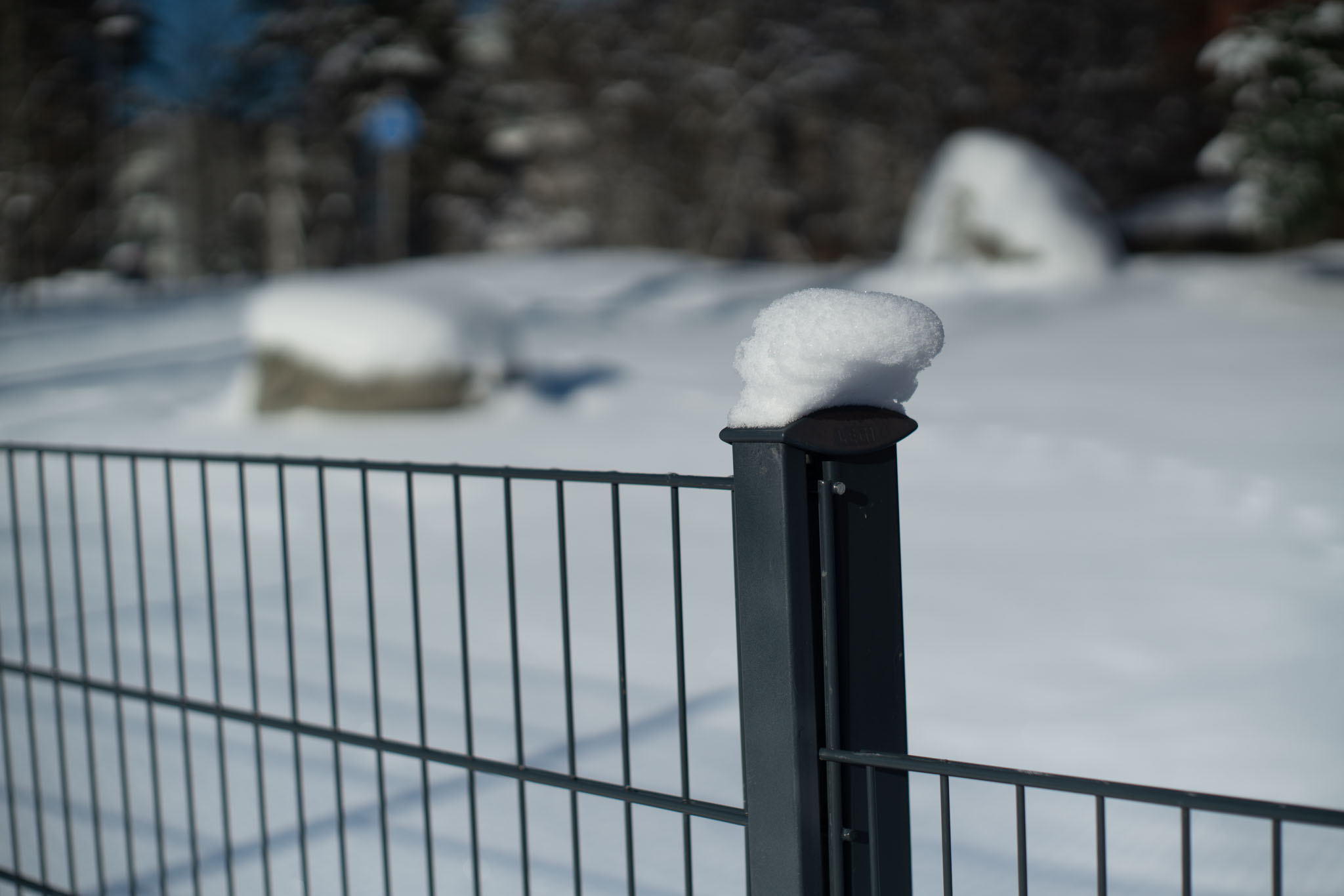
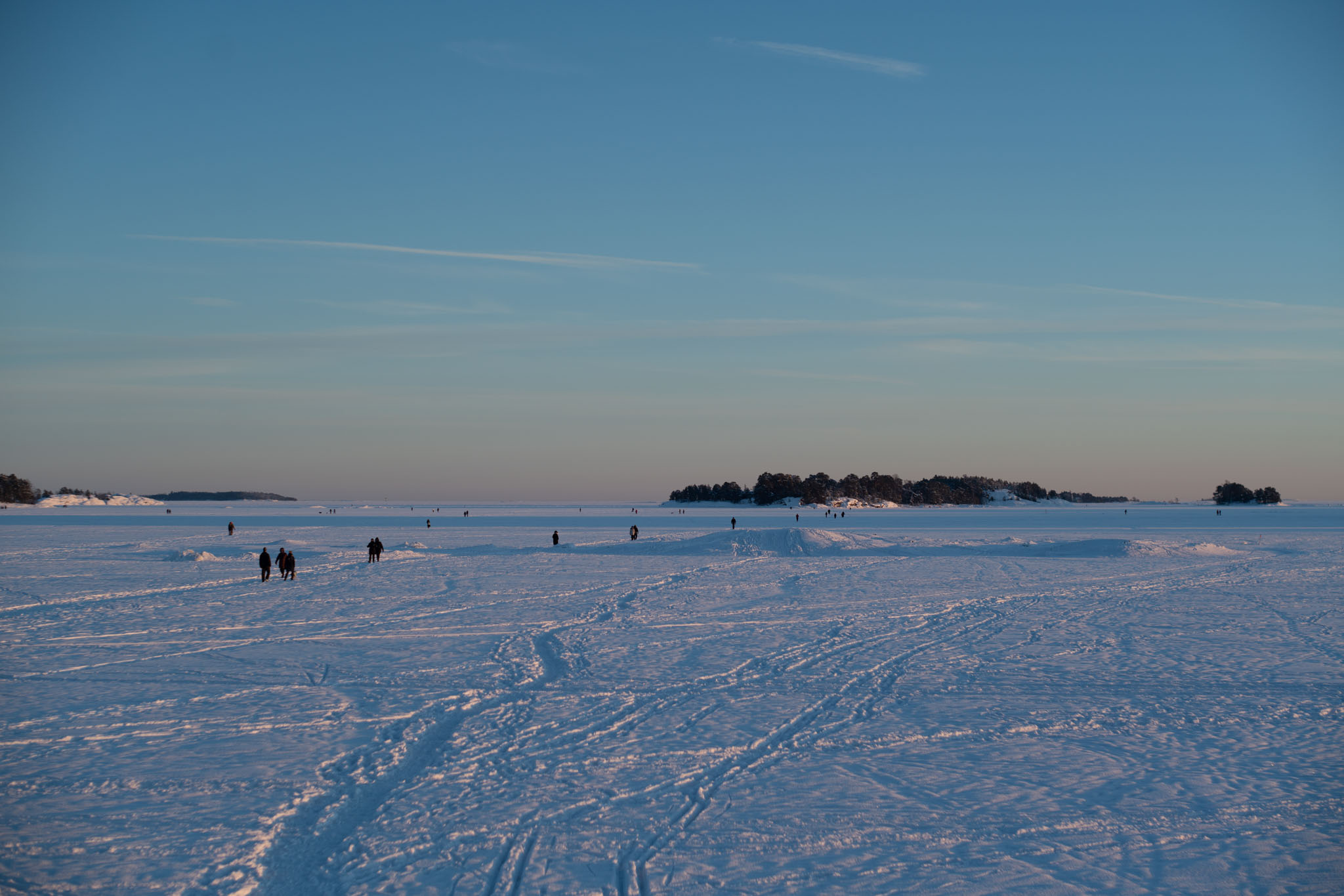
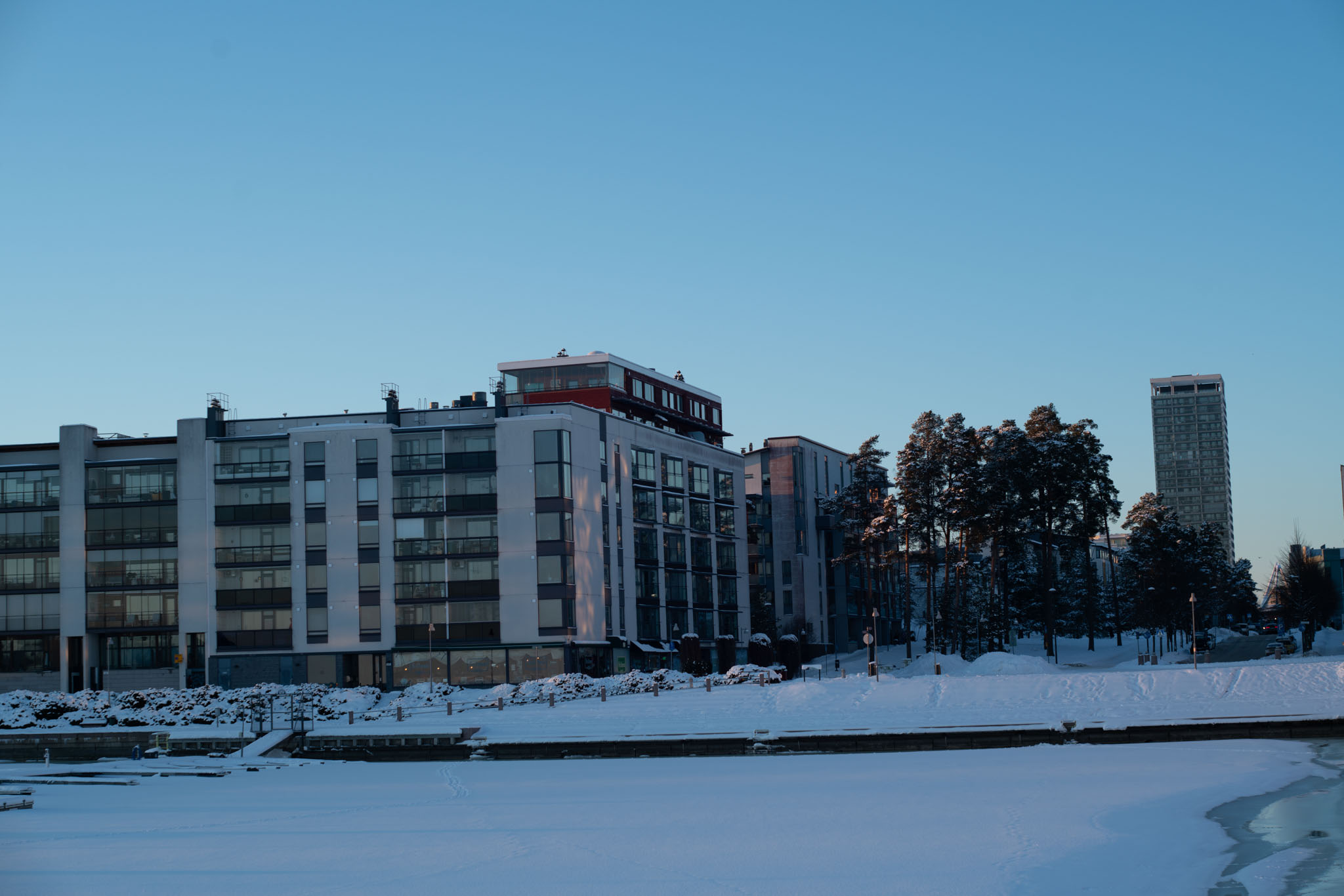
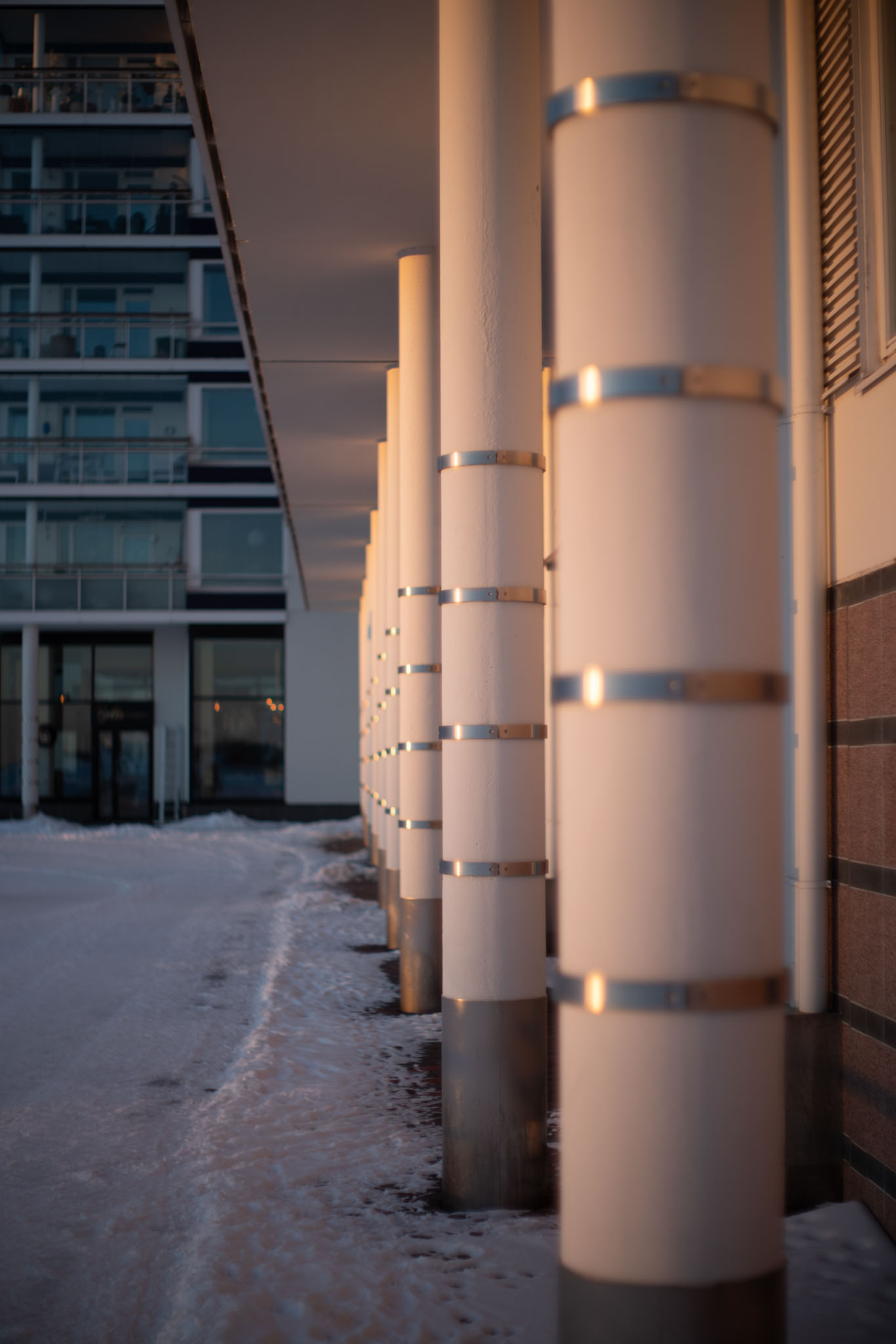
Topcon RE 58/1.4@ f/4, 1/1000 s
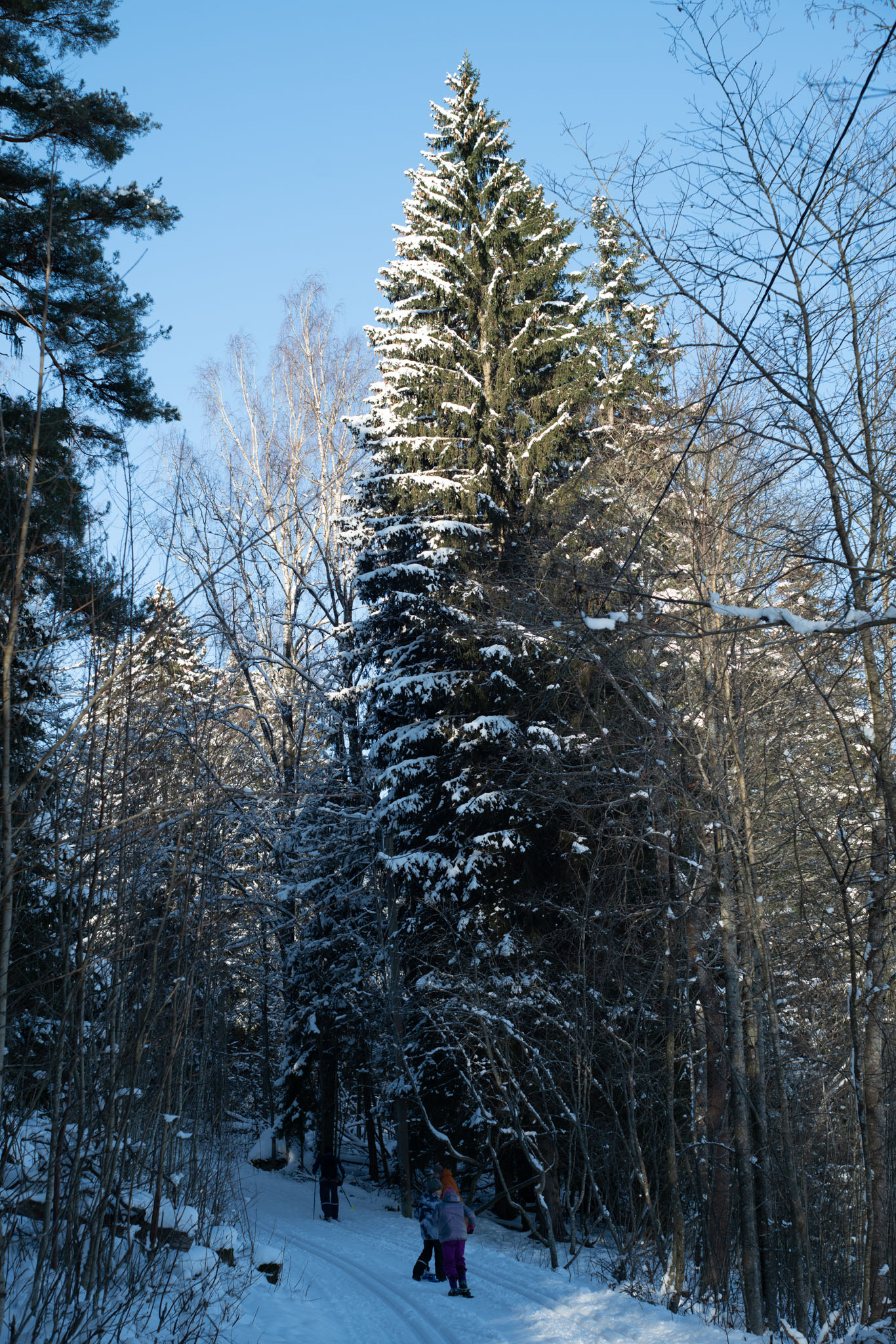
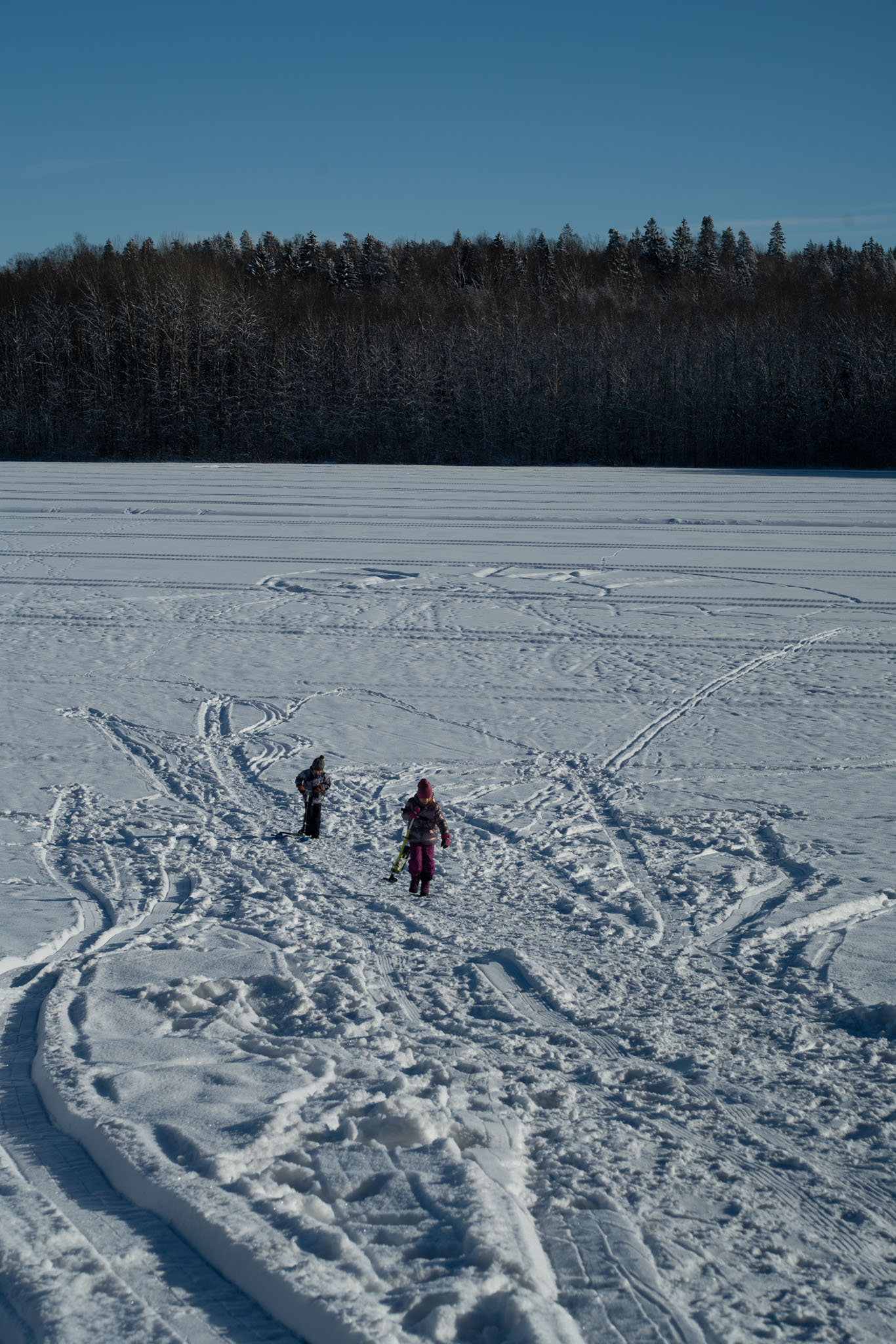
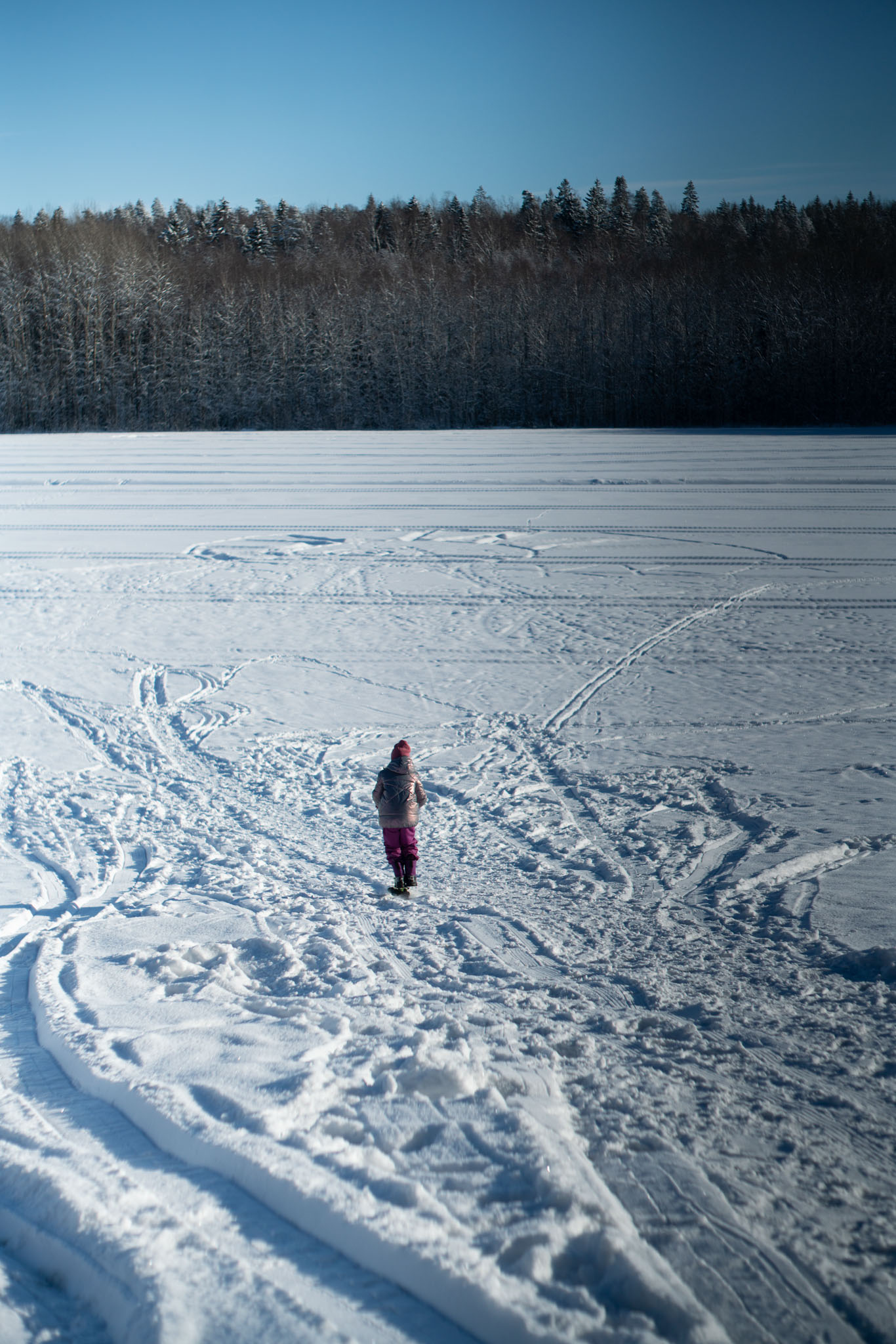
(note, here the shutter was not moving evenly – likely due to the cold)
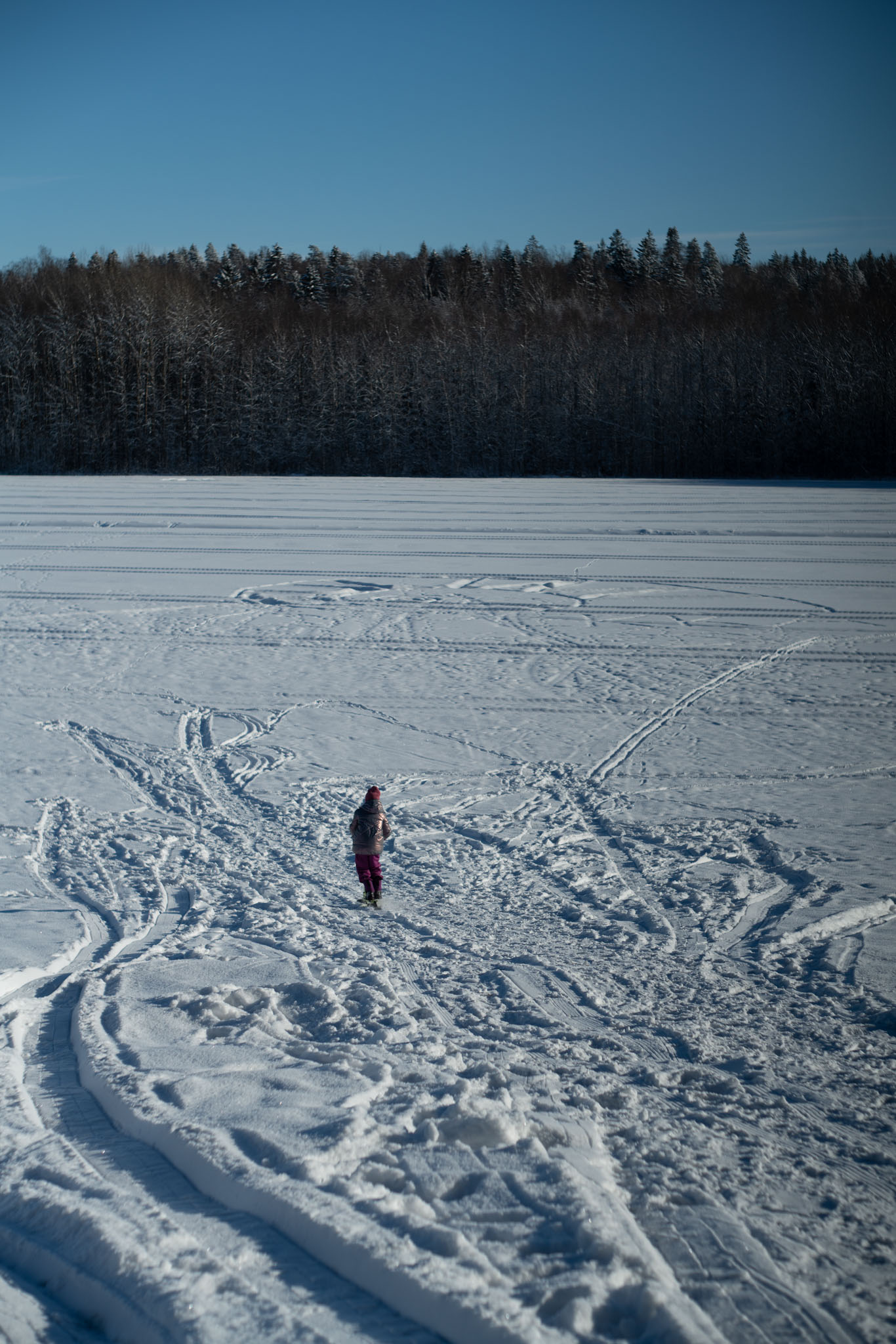
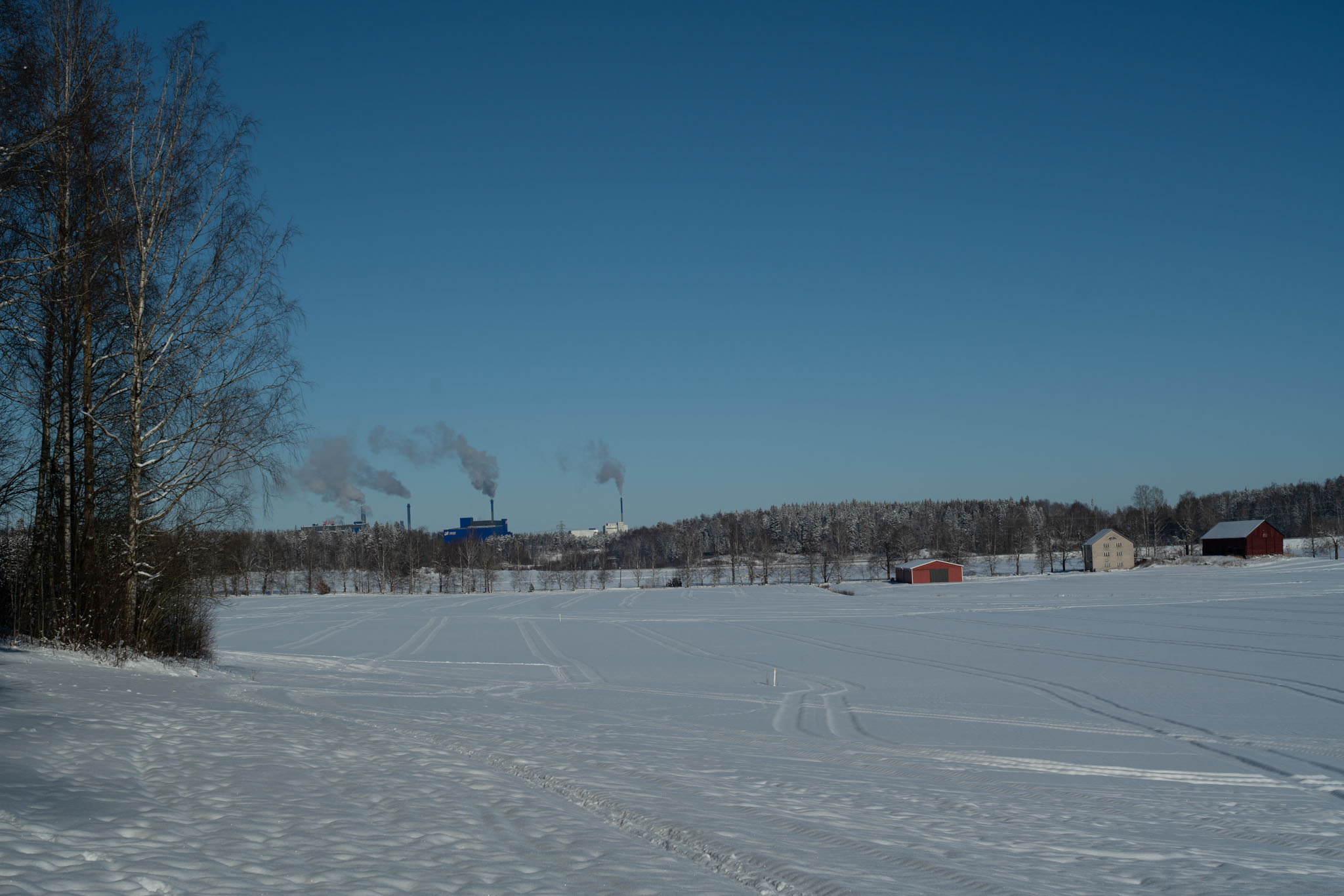




Comments