Pekka Buttler – July 2026
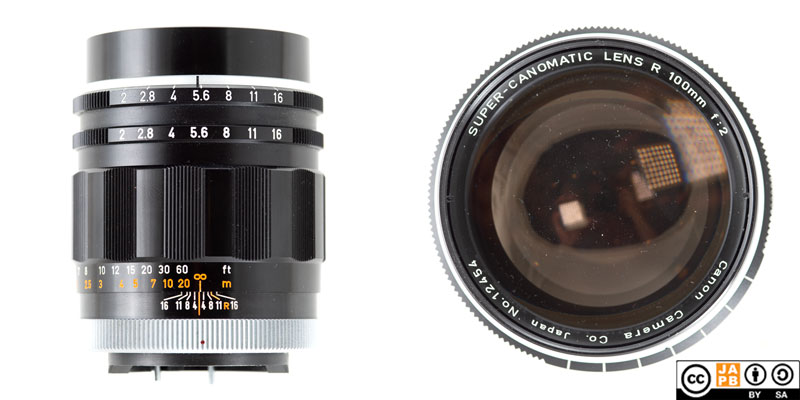
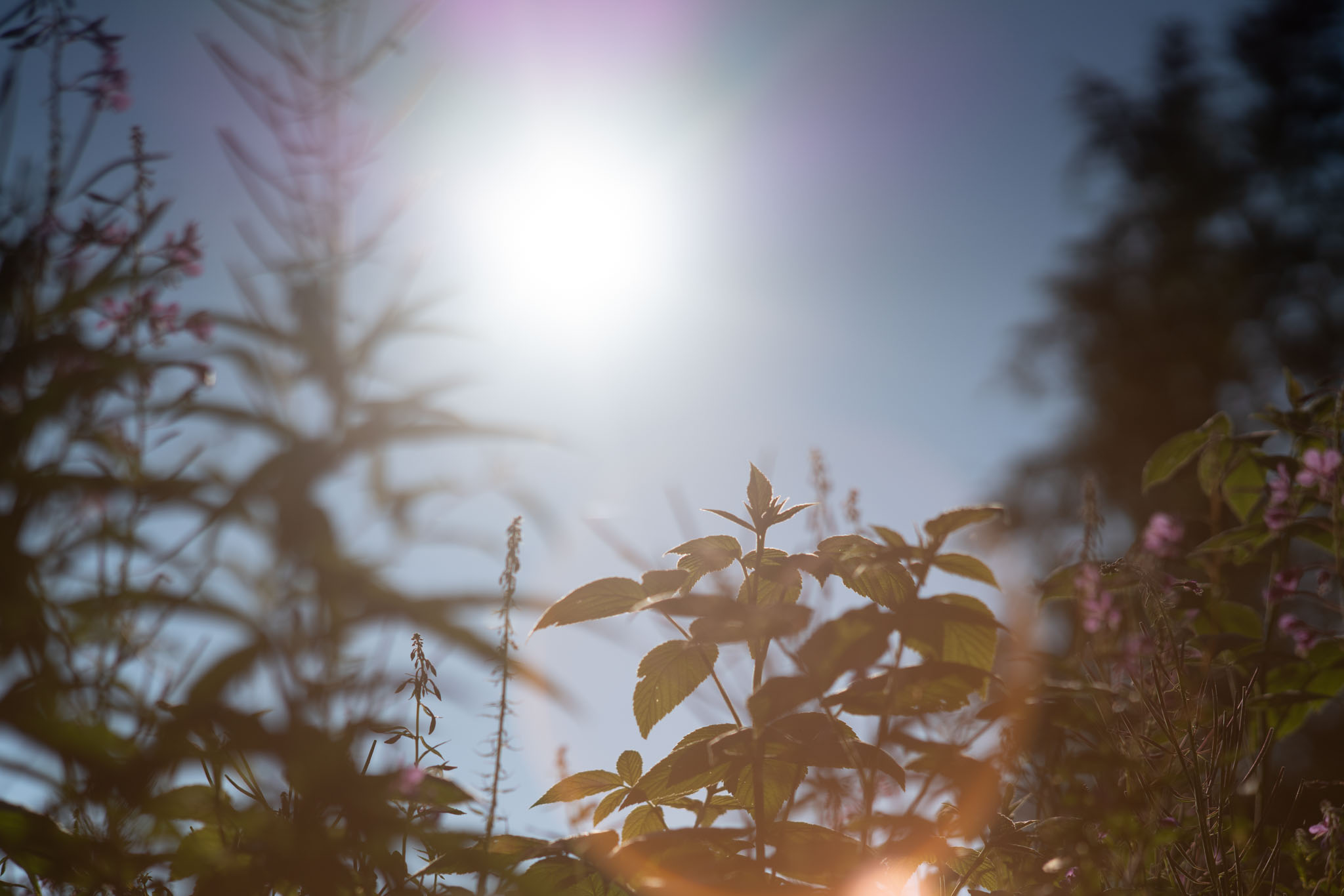
[Featured image: Canon R 100 mm f/2 @ f/4, 1/60 s, ISO200 (1:1 excerpt)]
You can access the lens’ data sheet here.
What is a JAPB Gallery?
I will call this an extended gallery, because I want to add some commentary, but first, let’s see some pics. If you want to pixel peep the original RAW files, please get in touch or leave a comment.
Take 1
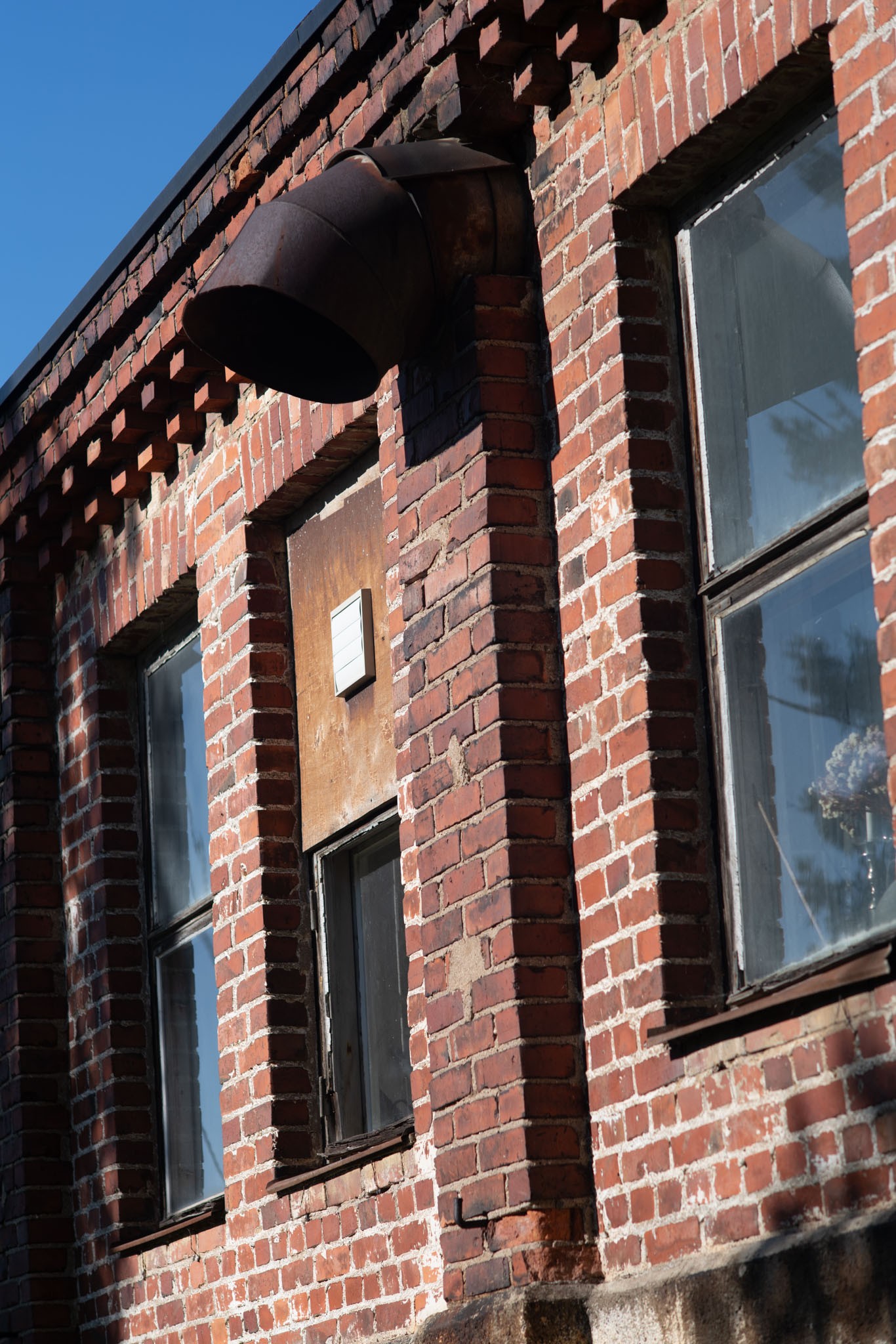
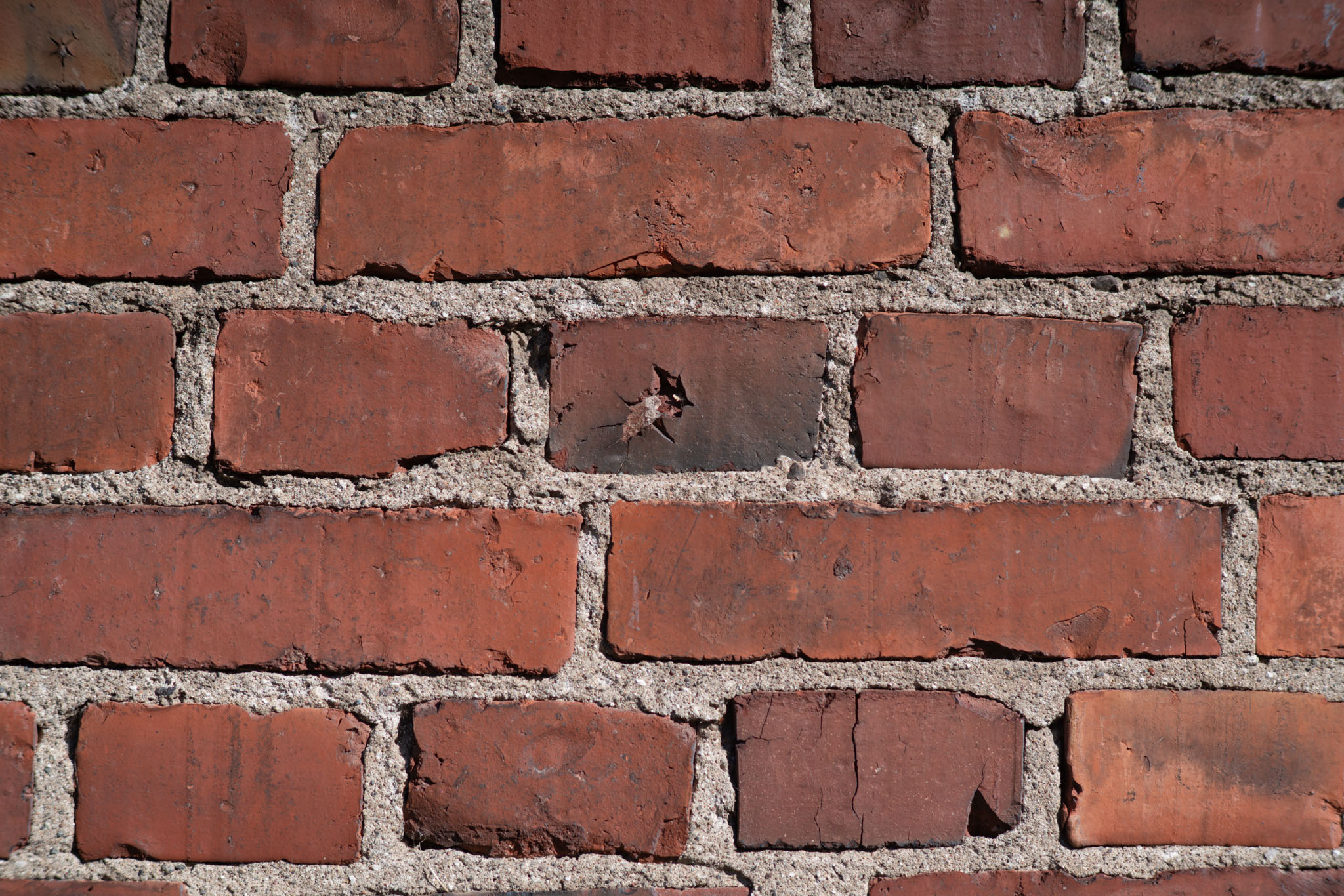
Time and place: Kellokoski old iron works 14.07.2026 between 5 and 6 pm.
Weather: Sunny, +22° C.
Sony ⍺7R2, noname (modified) Canon FD ->NEX adapter, Canon R 100 mm f/2 lens. All shots in RAW, handheld with IBIS on. AWB.
Edit in post: ACR default conversion only1, straighten, resize to 2k, save as JPEG quality 60.
All shots ISO 100 unless stated differently.

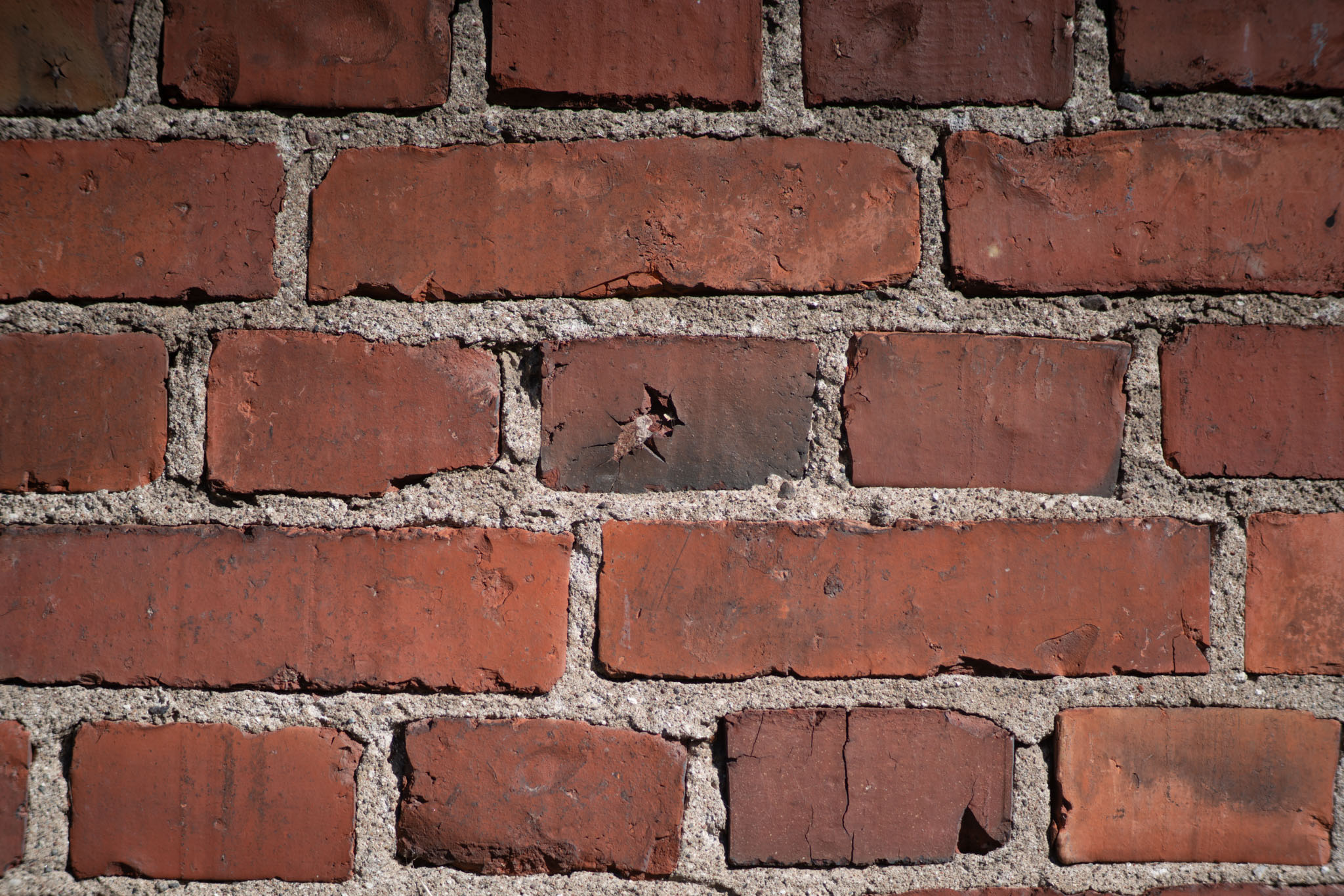
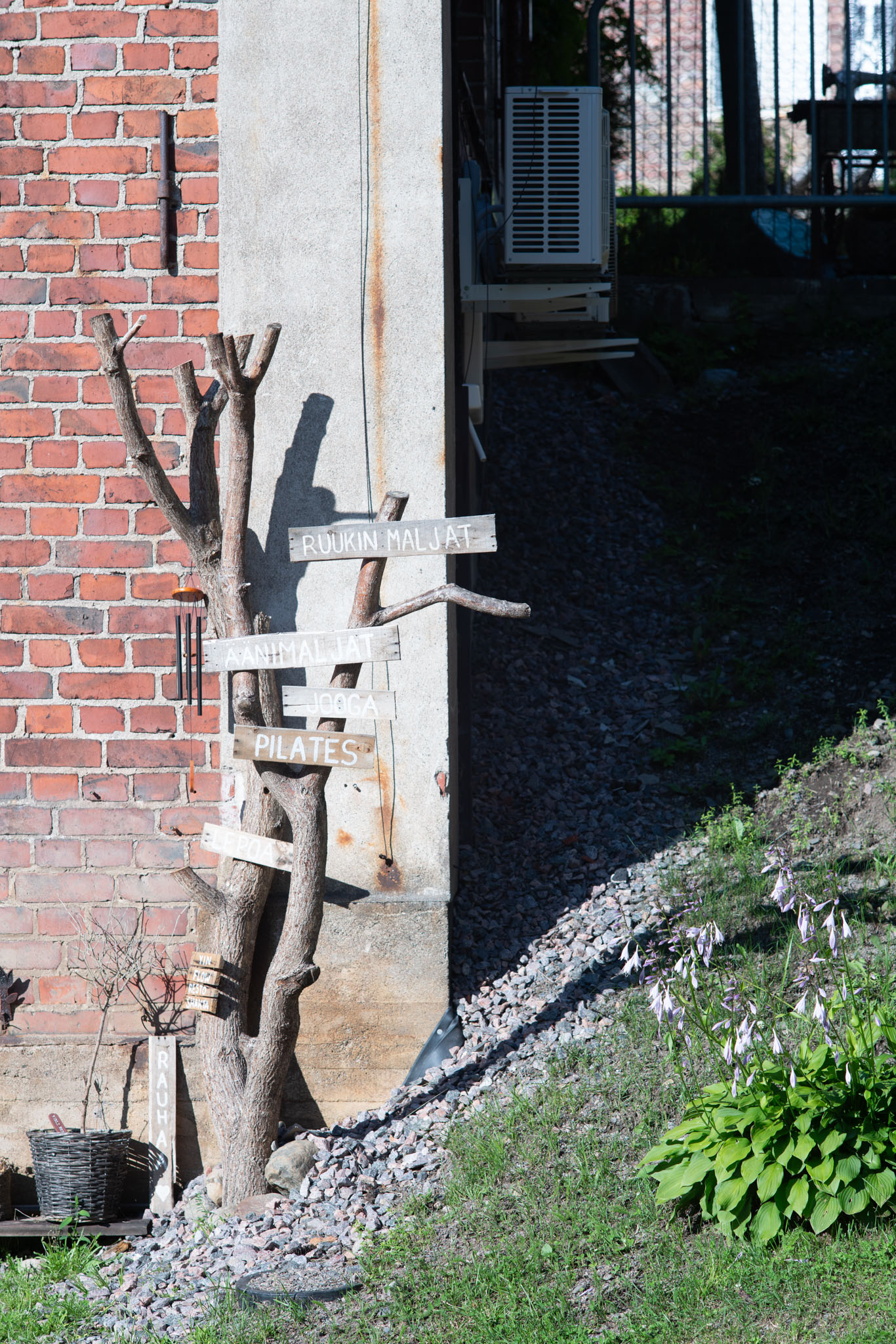
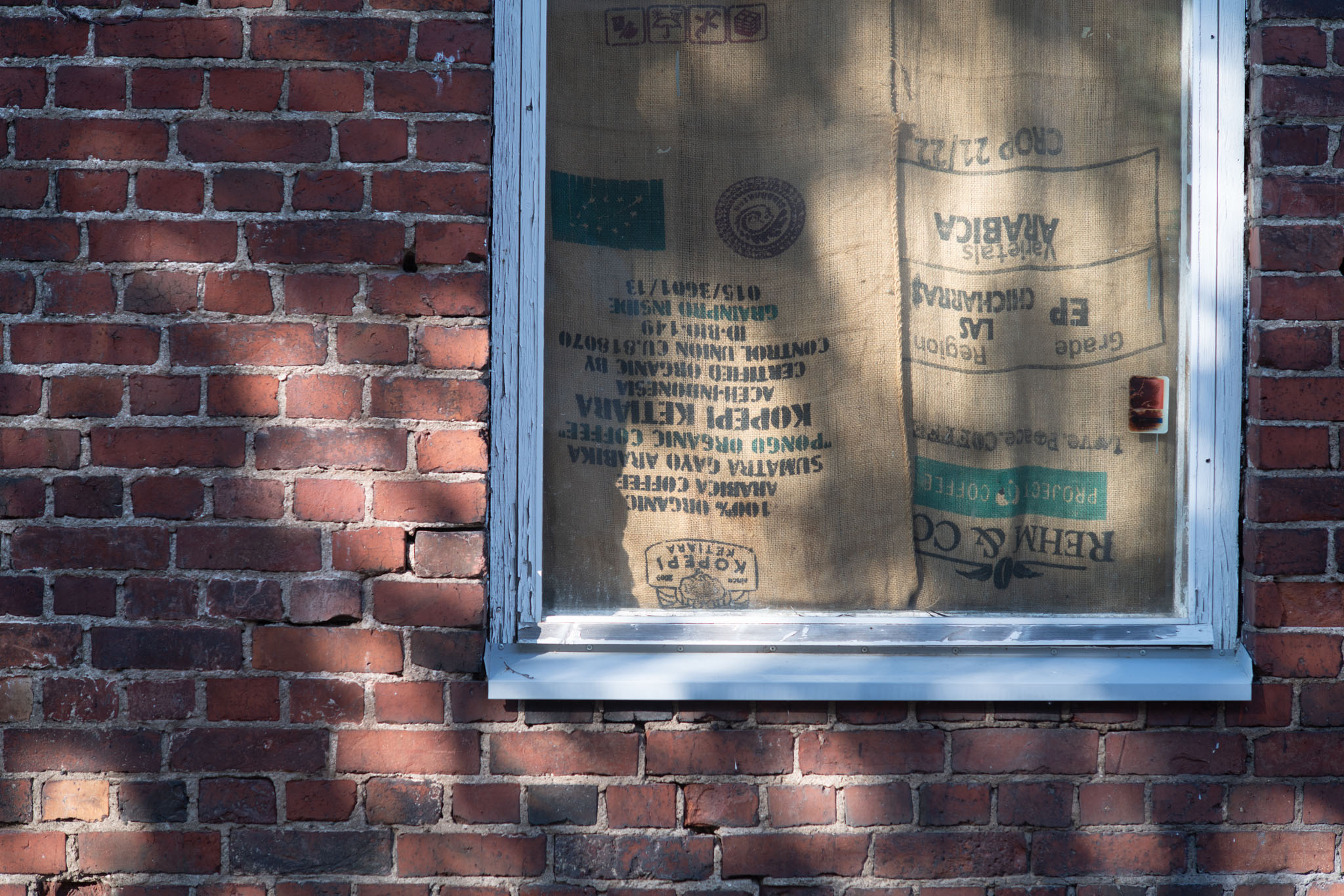
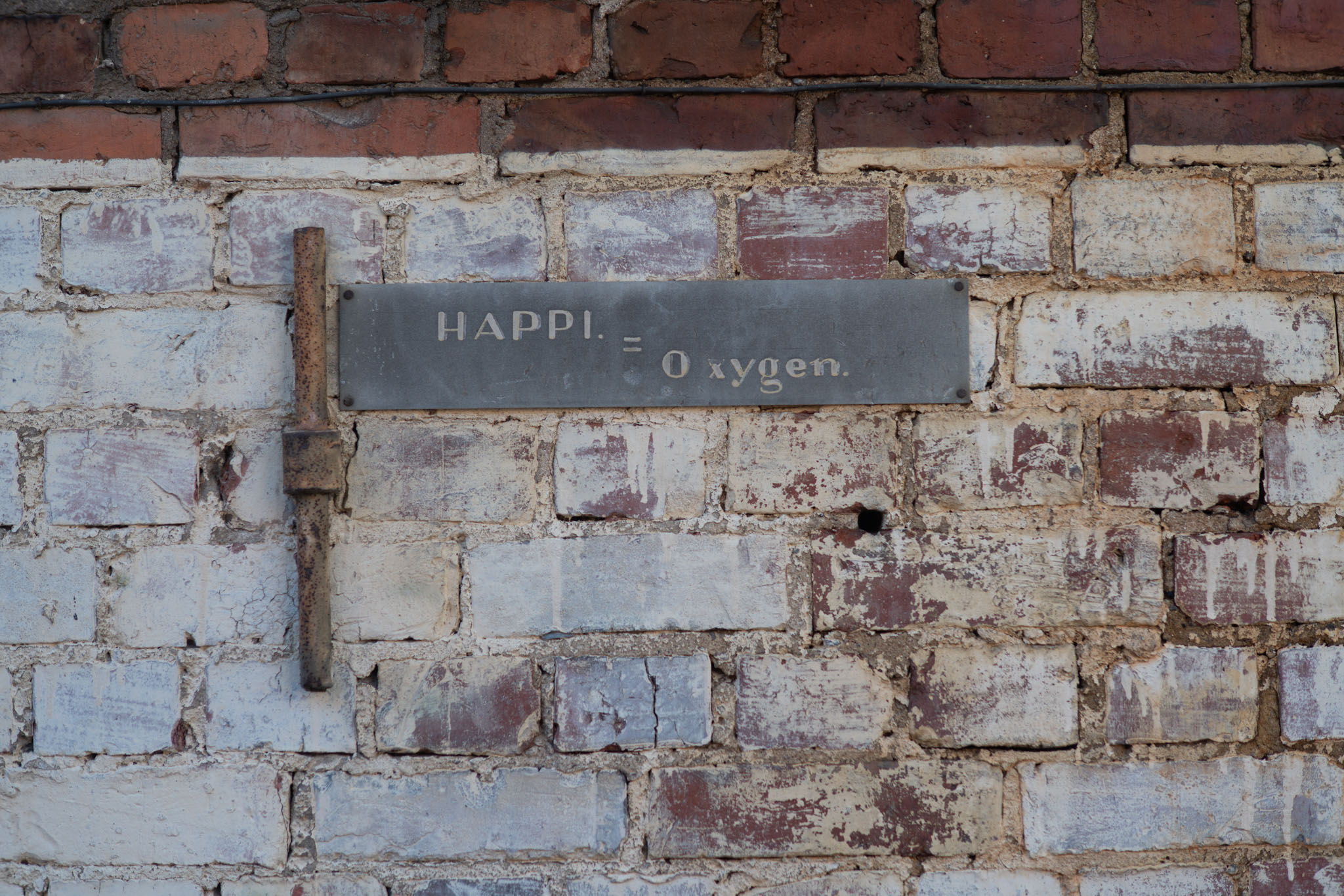
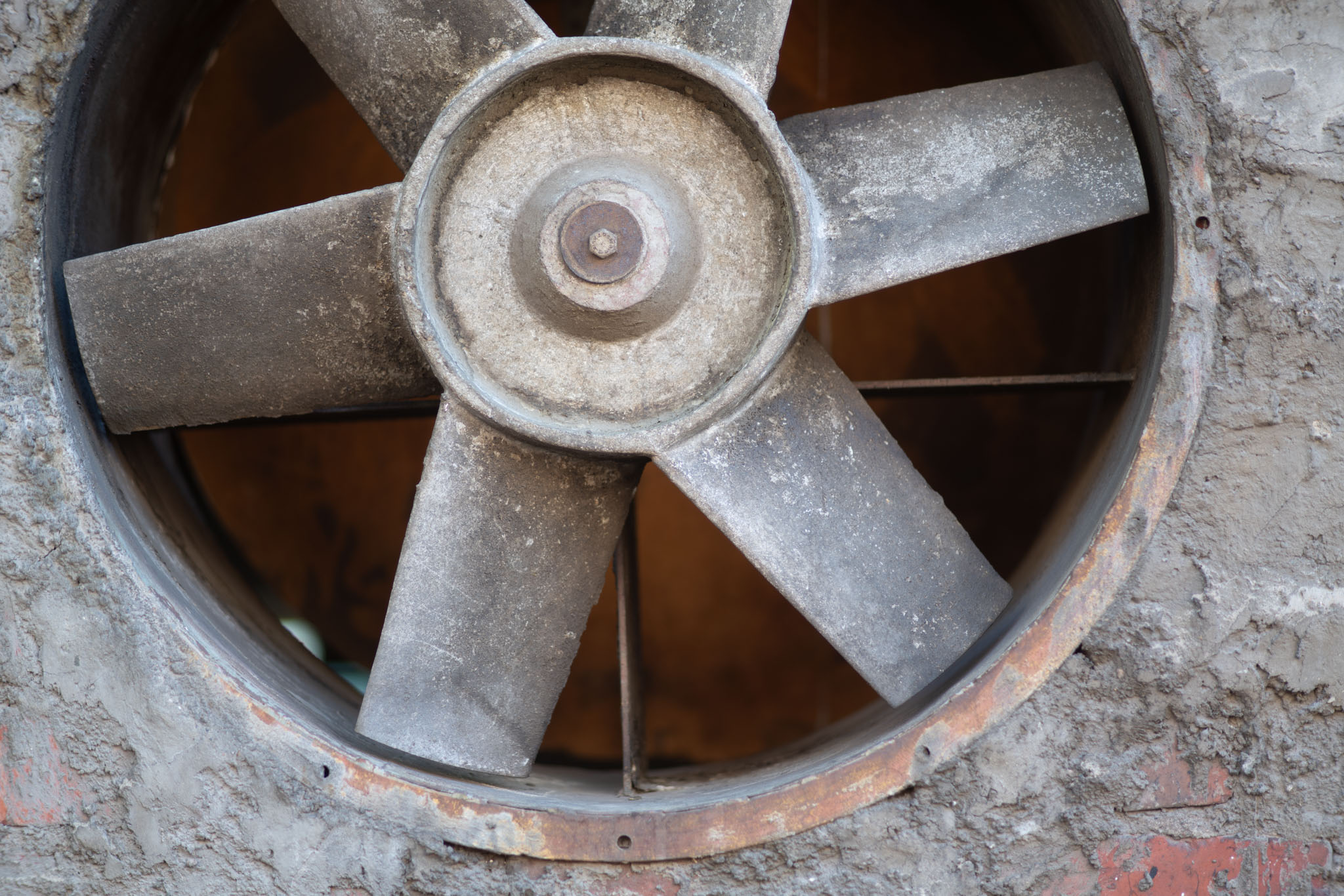
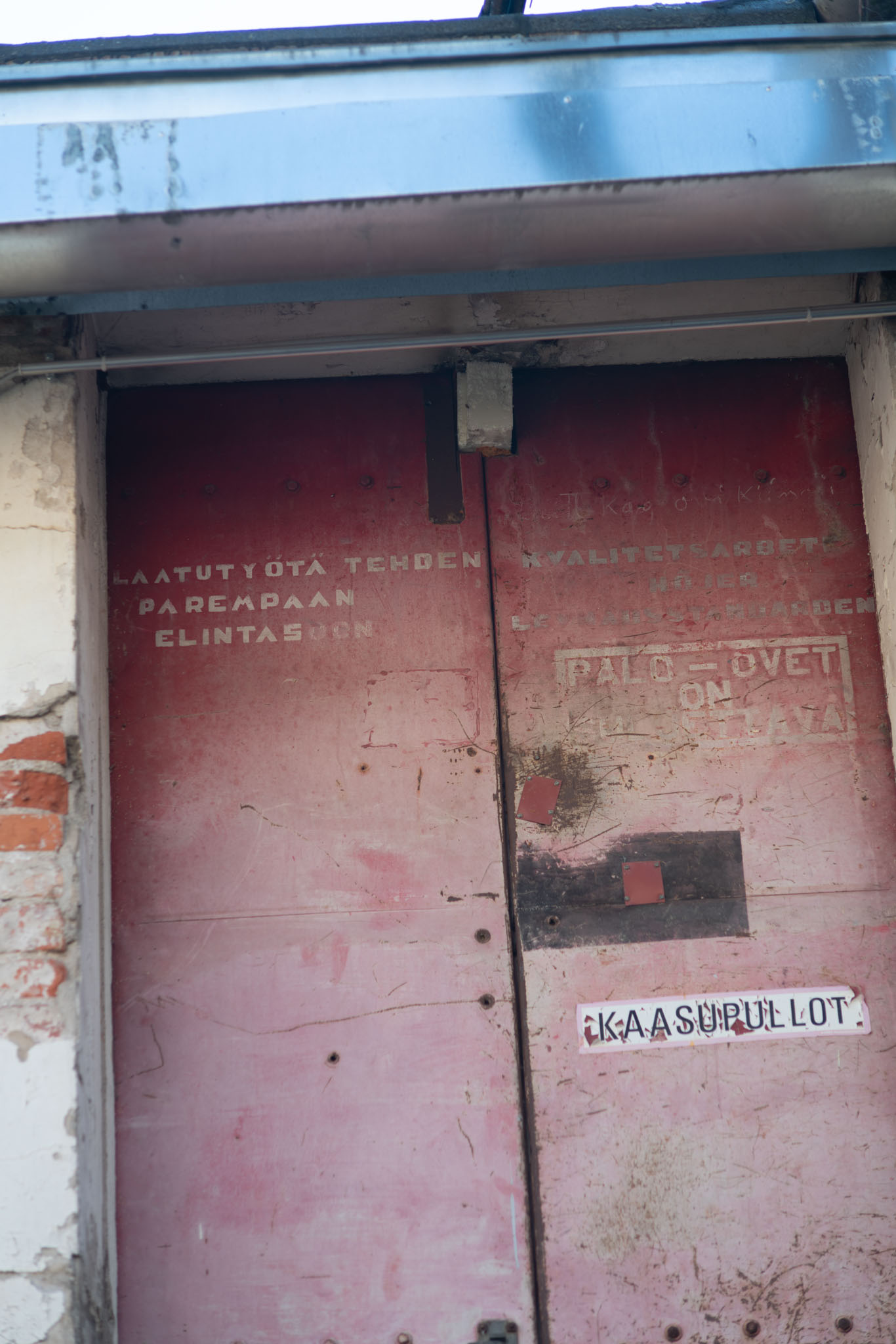

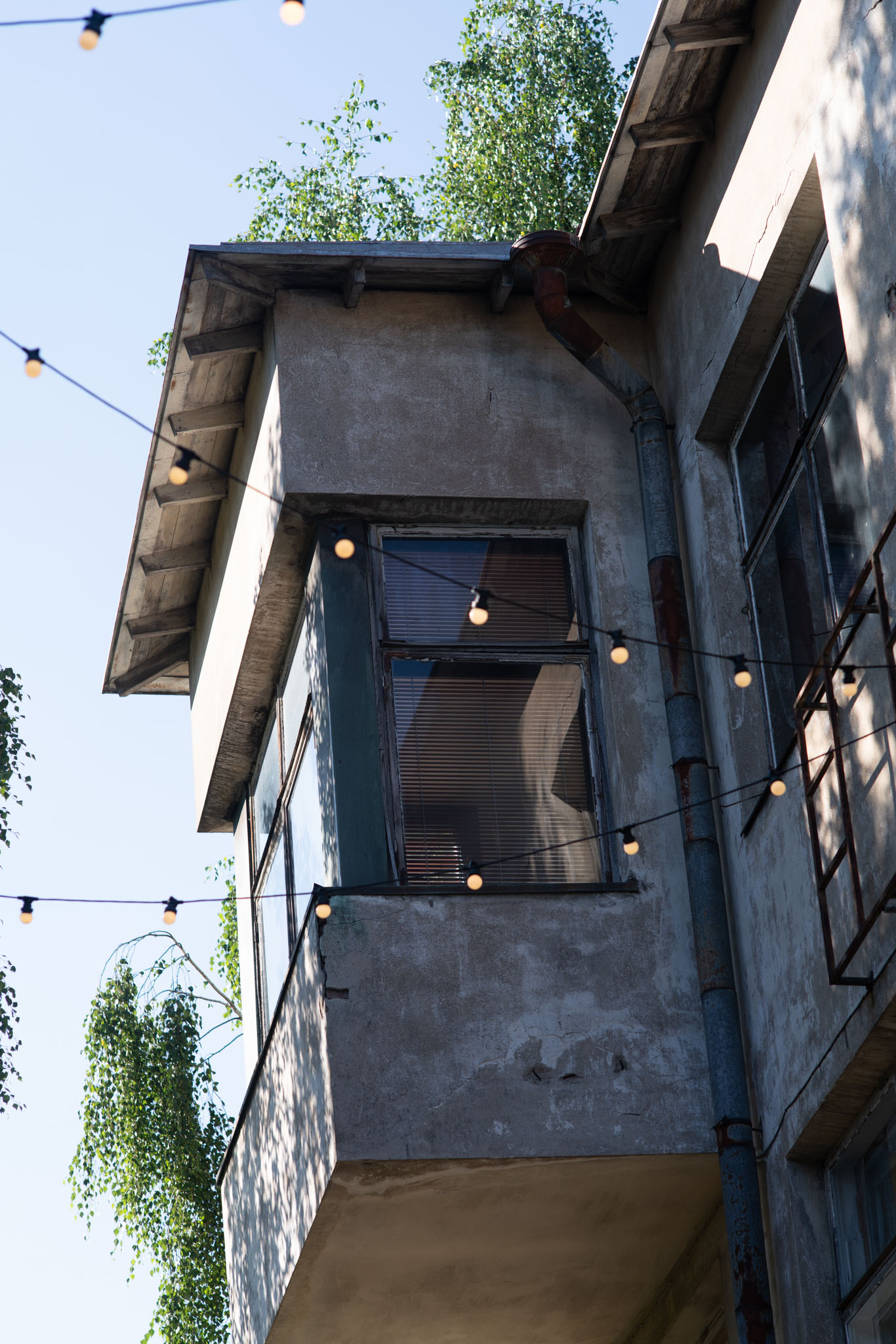
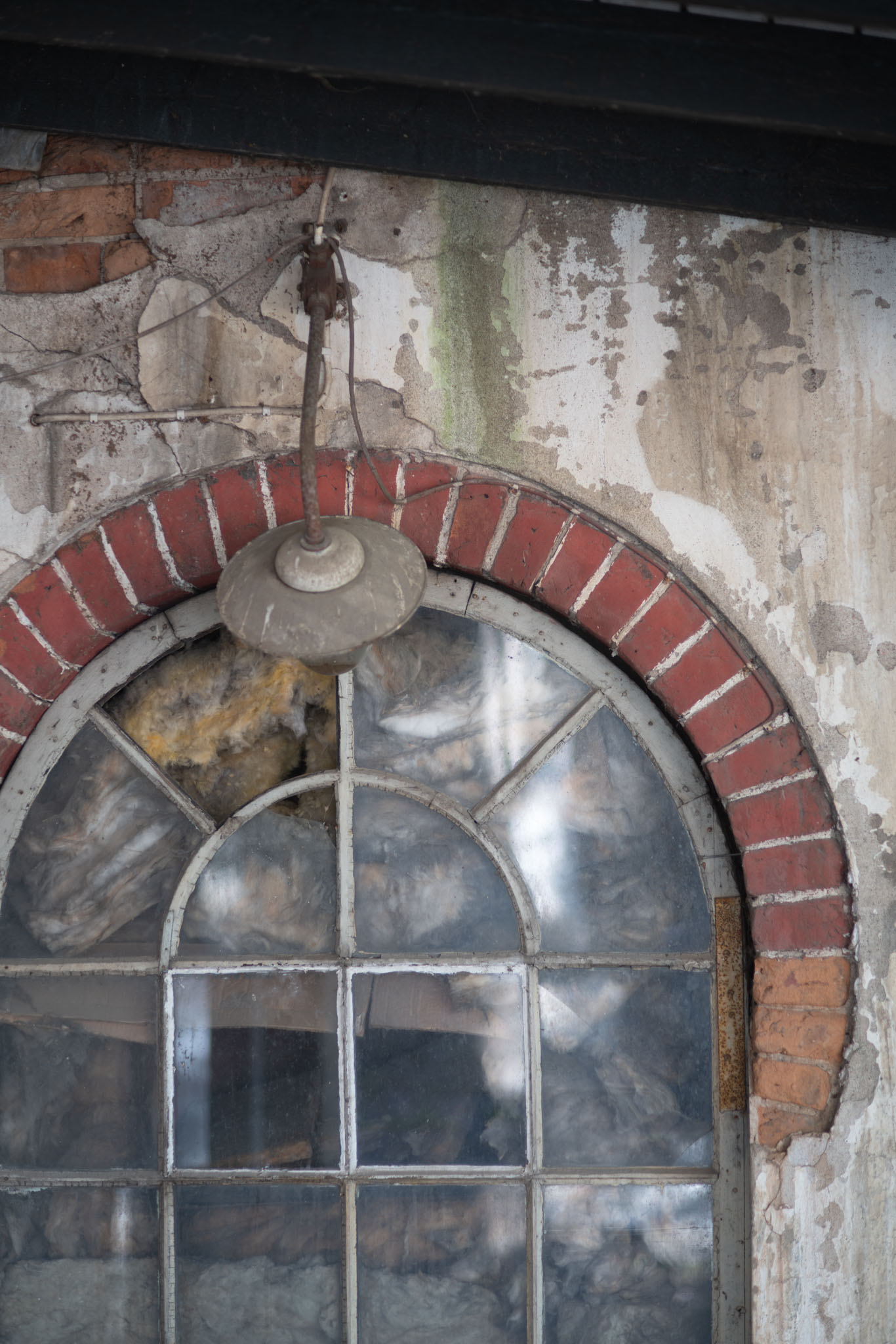
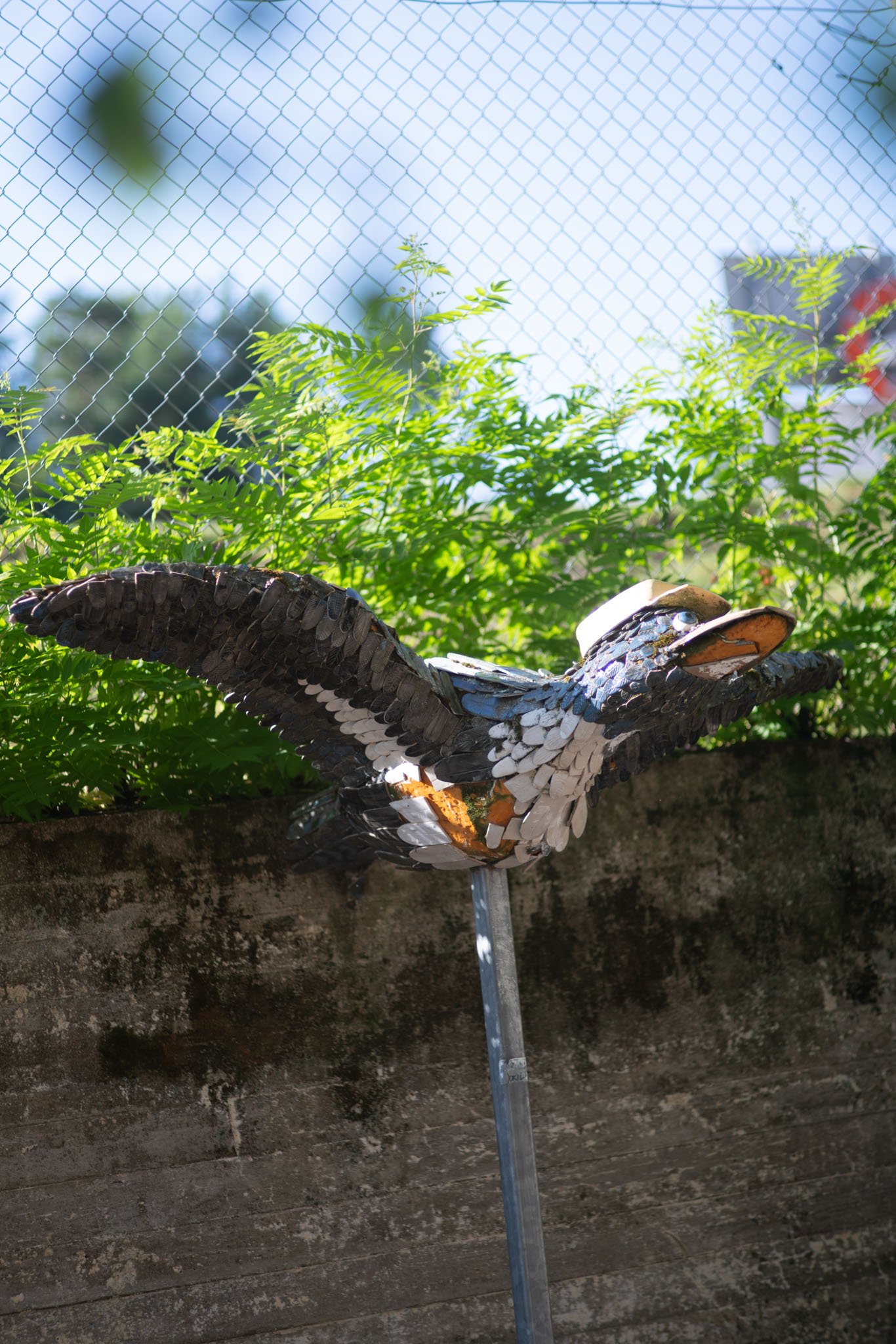
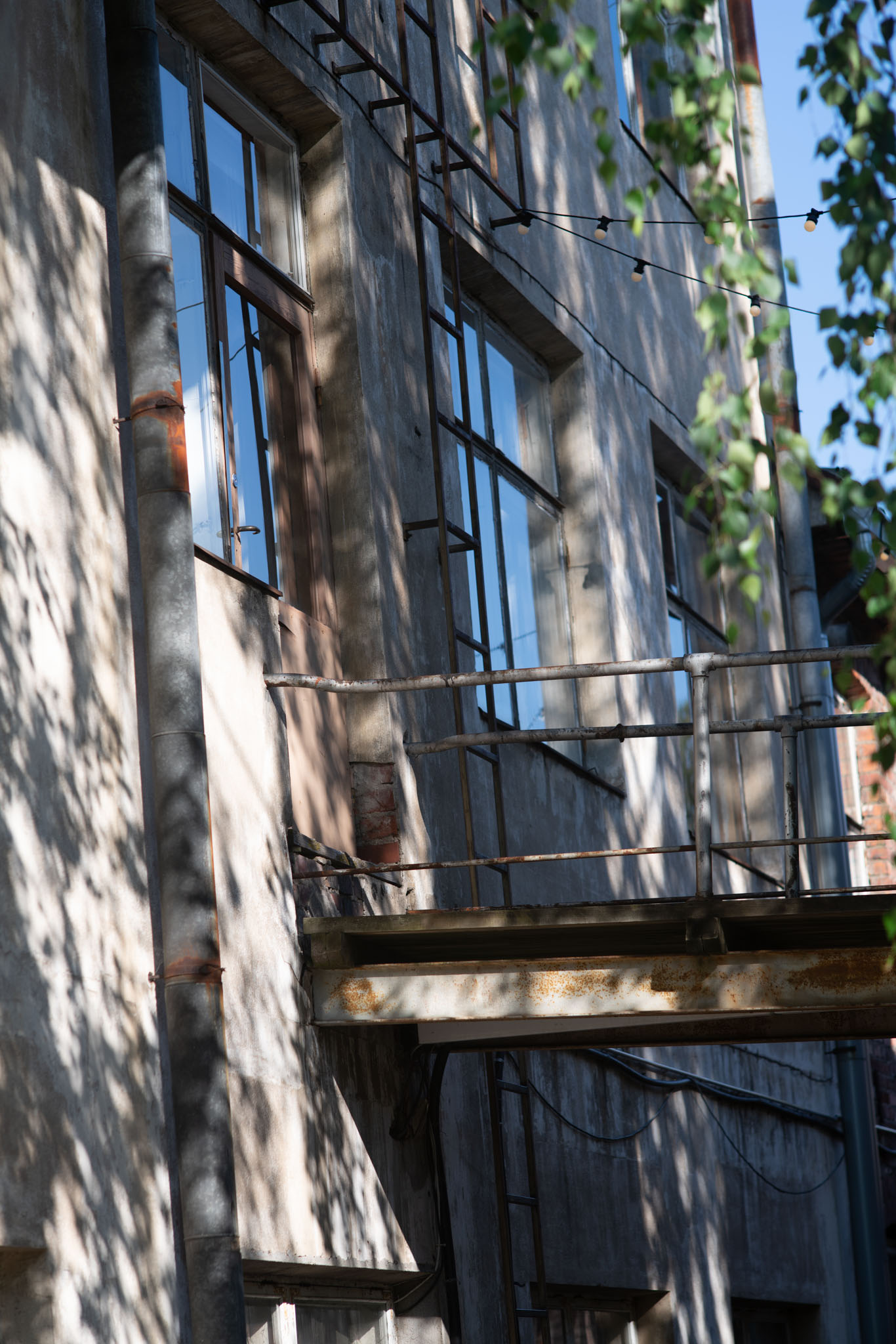
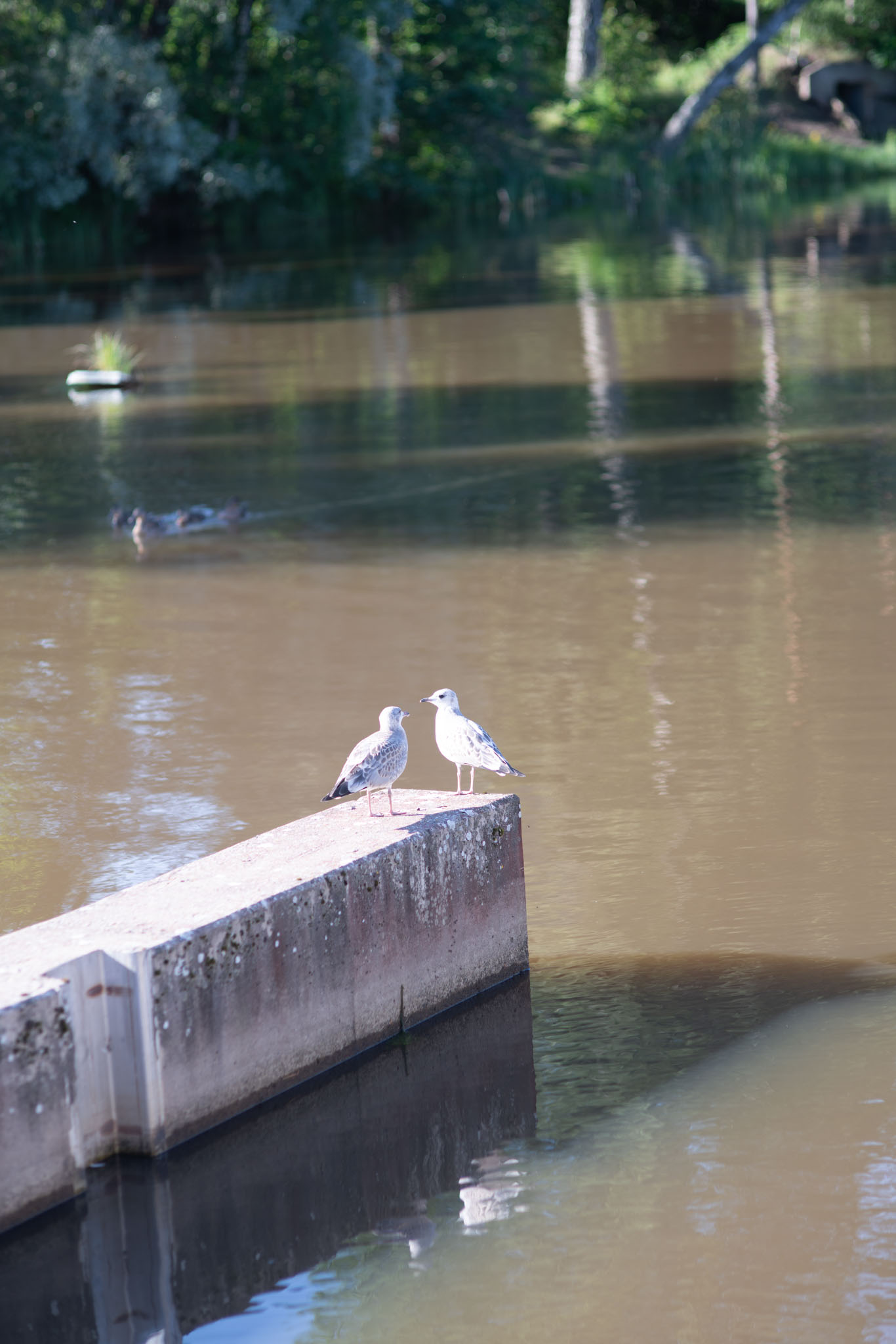
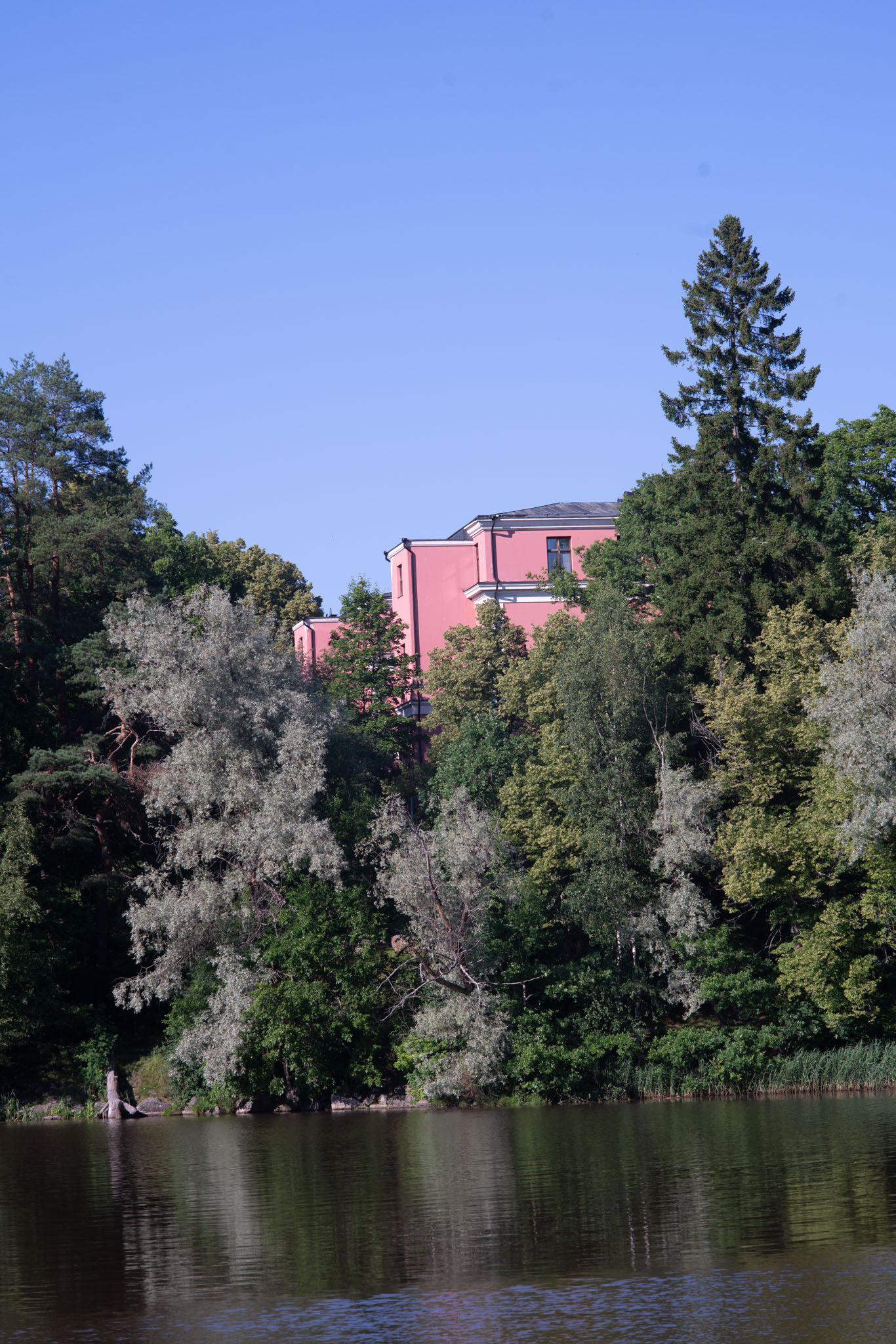
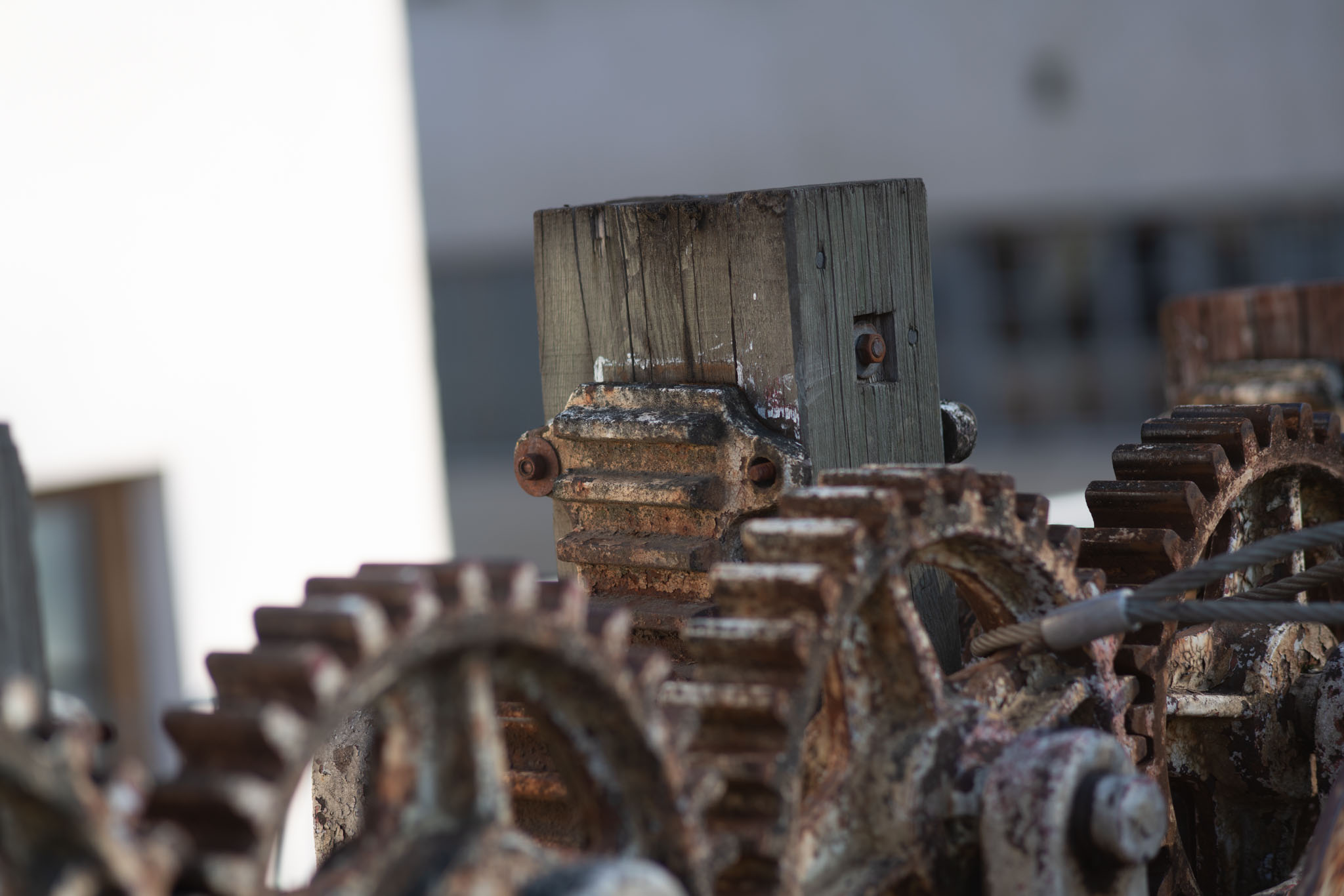
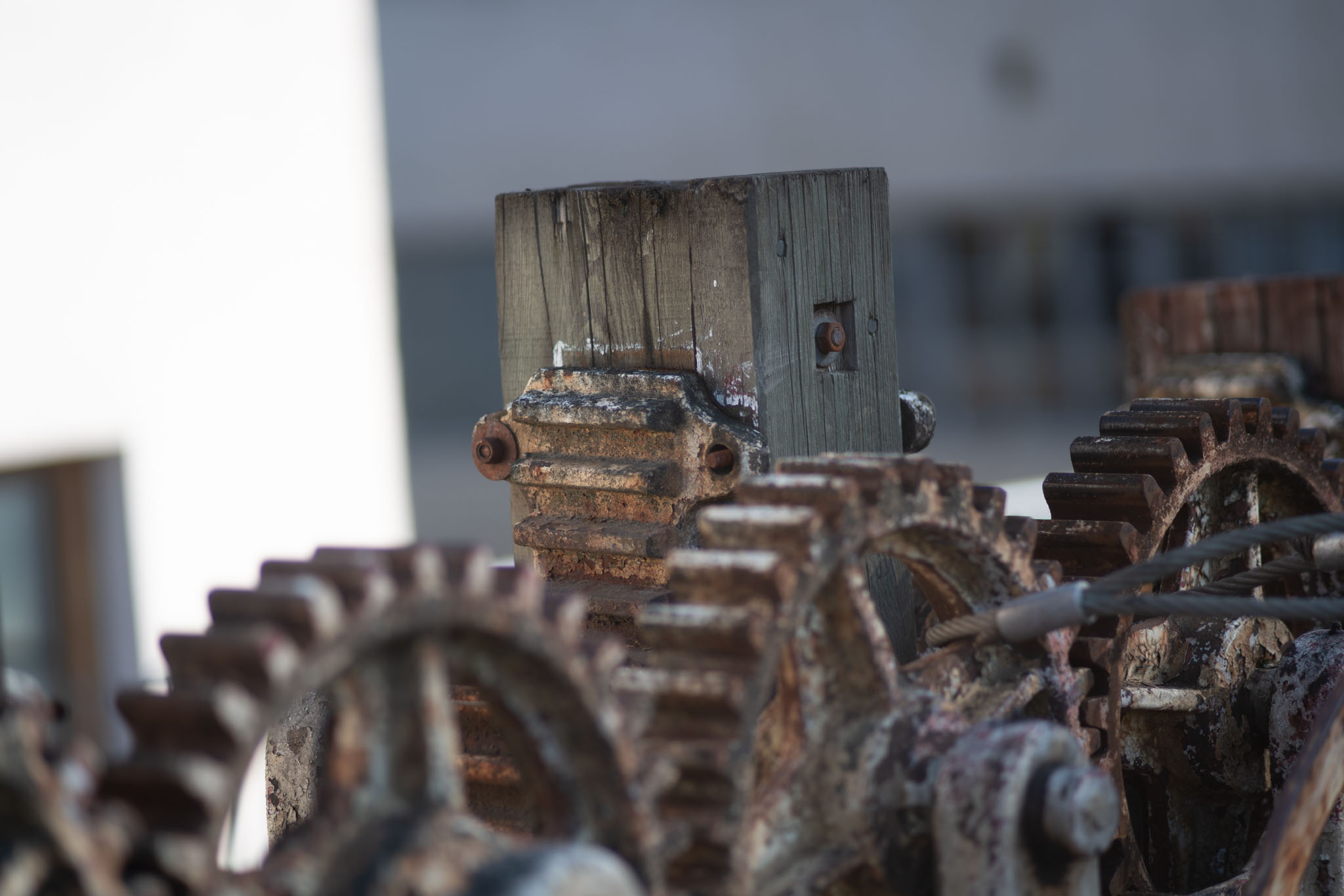
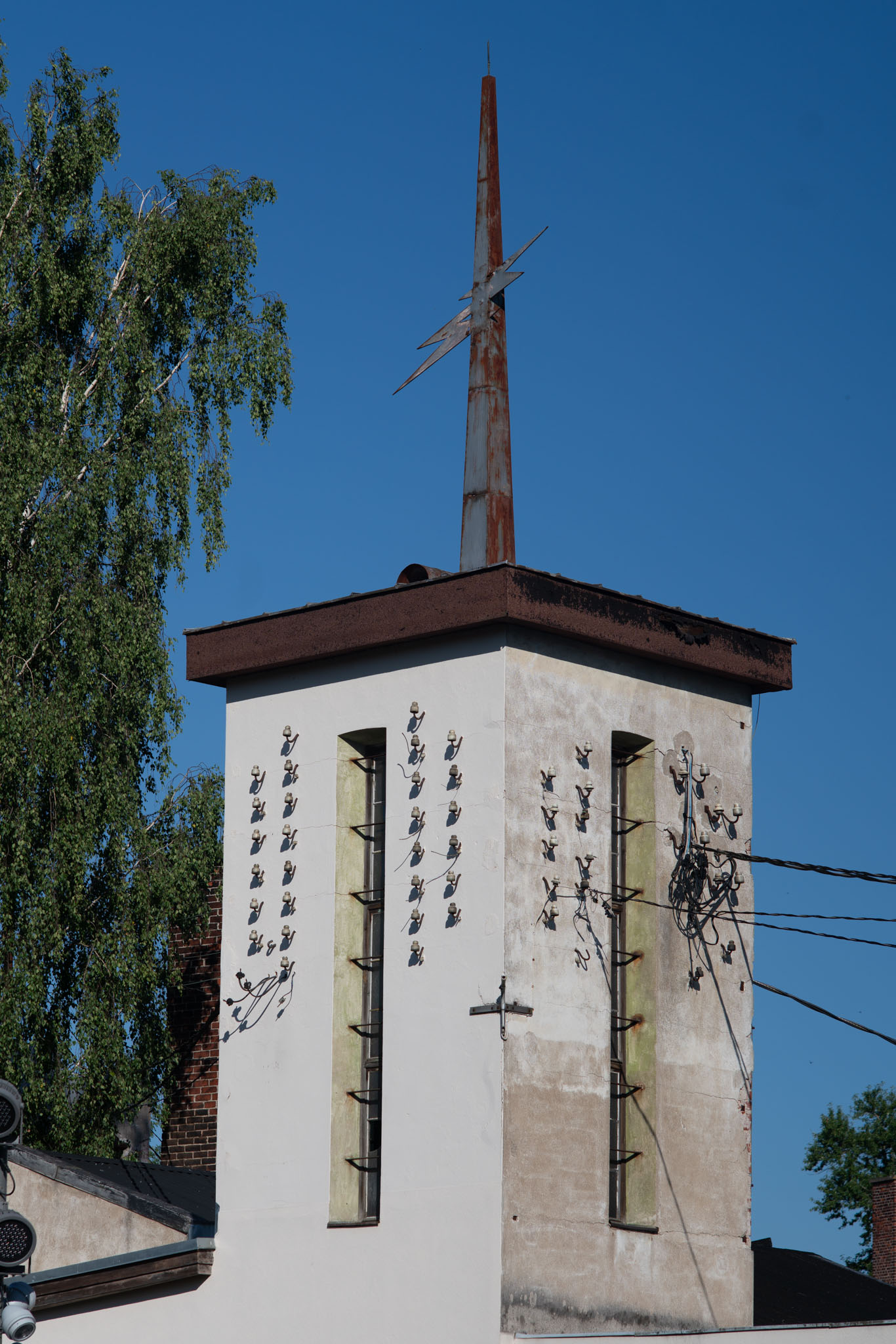
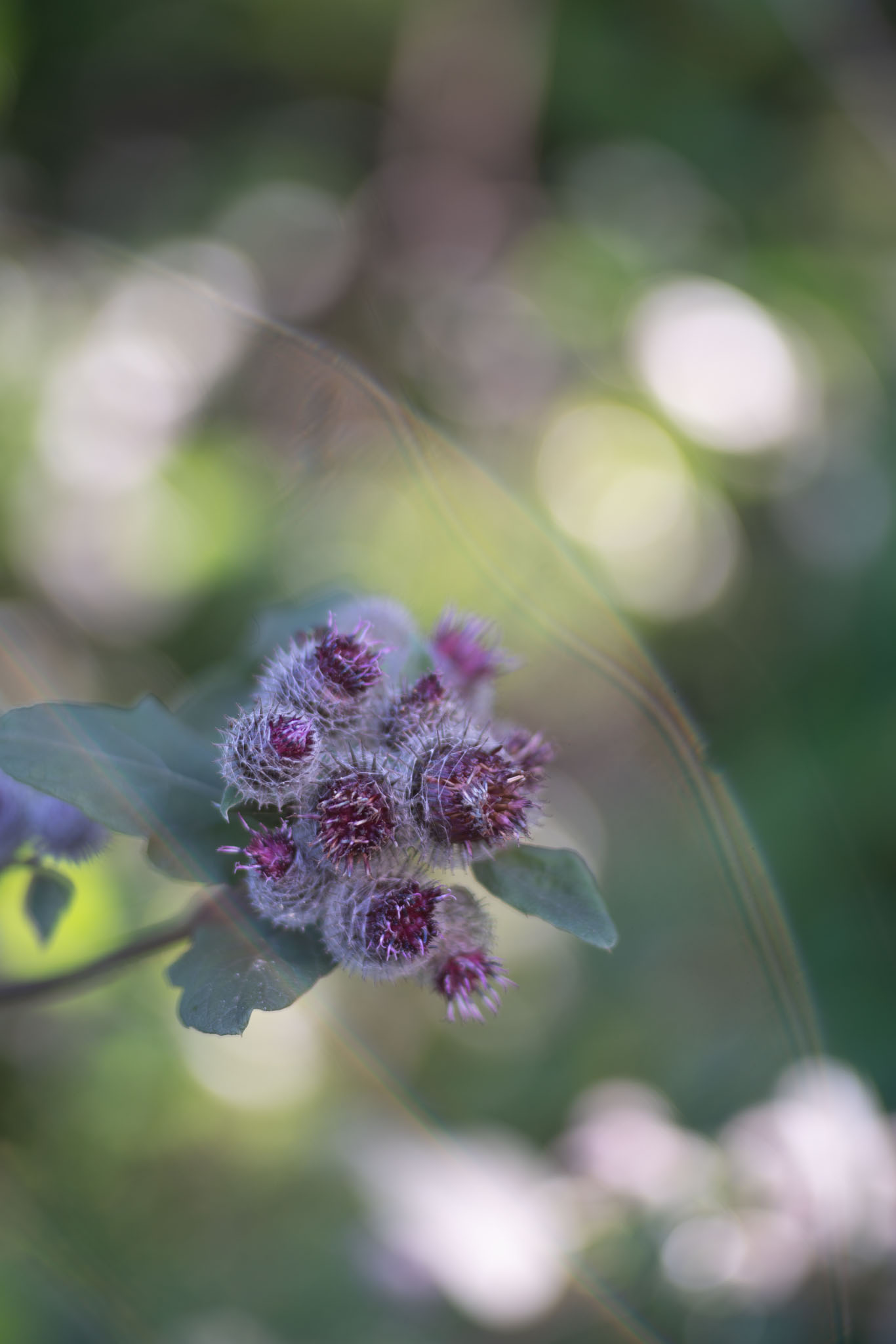
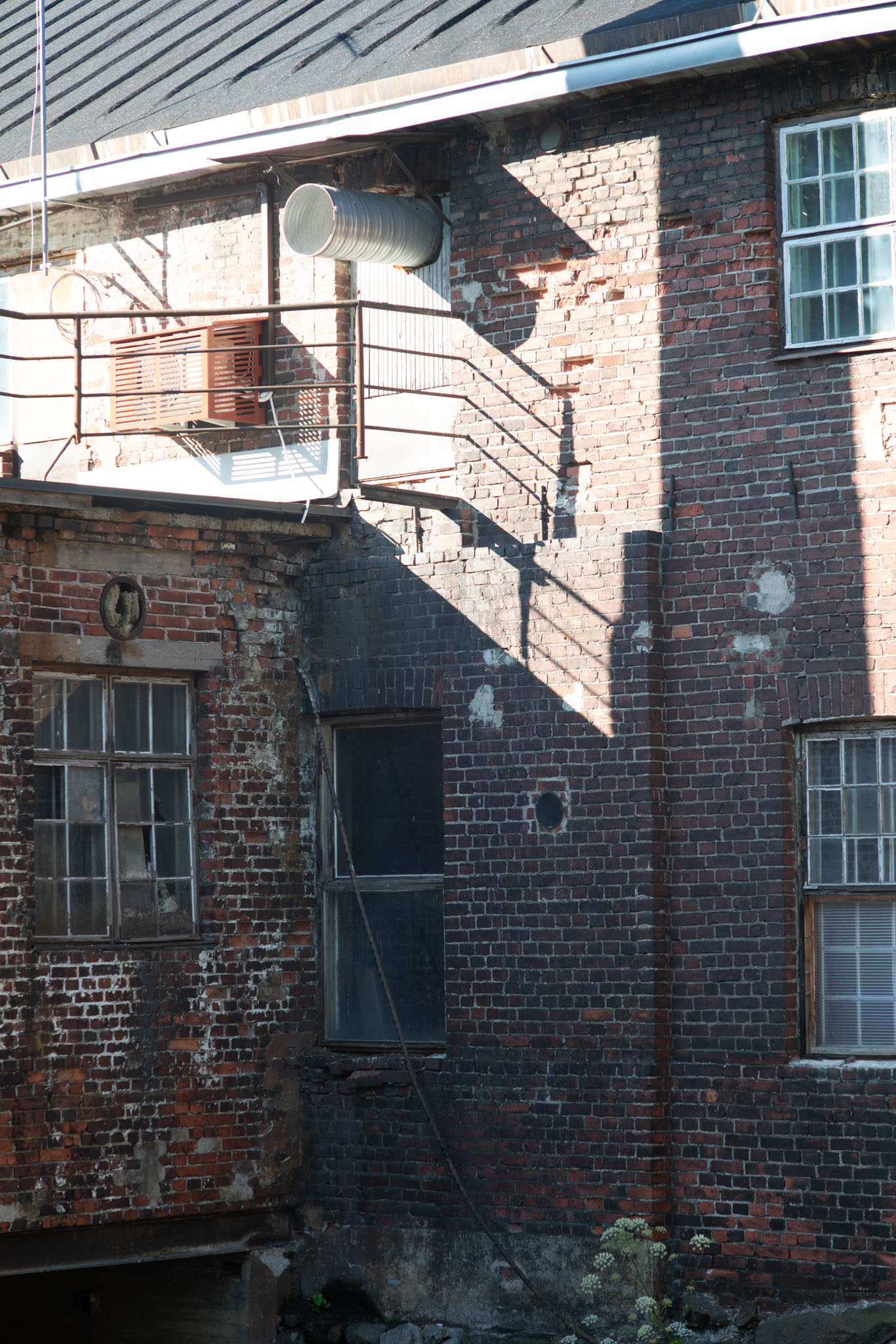
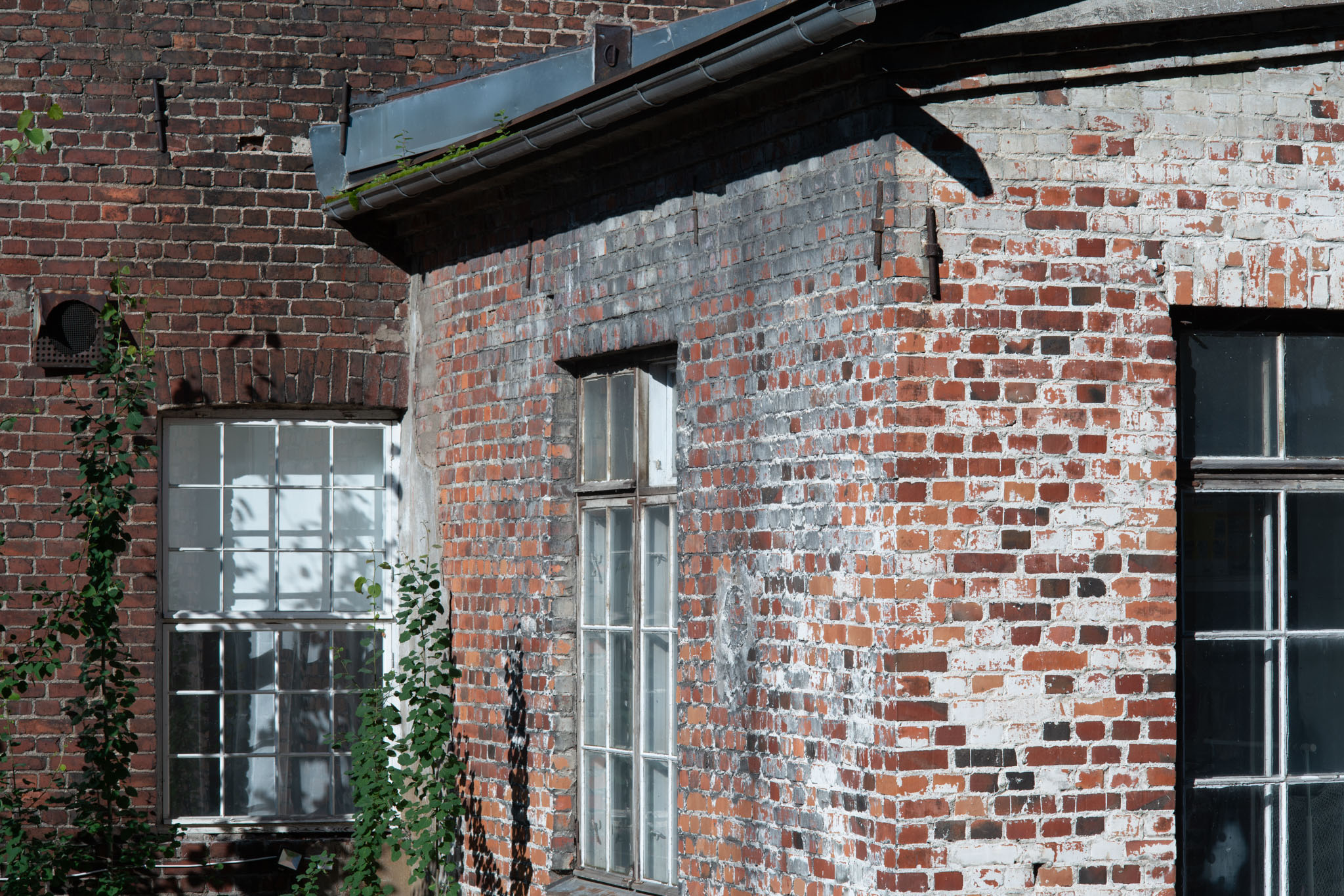
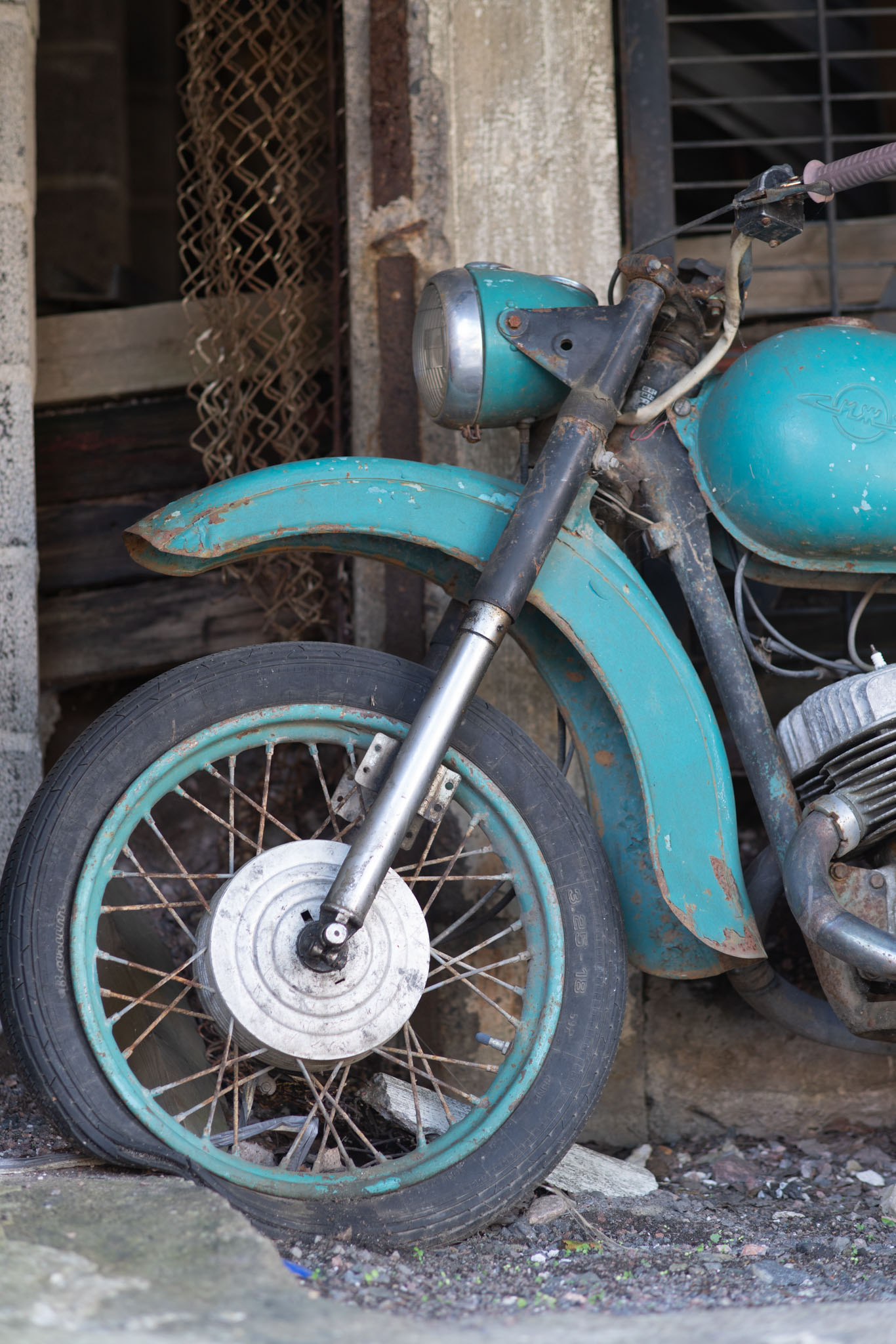
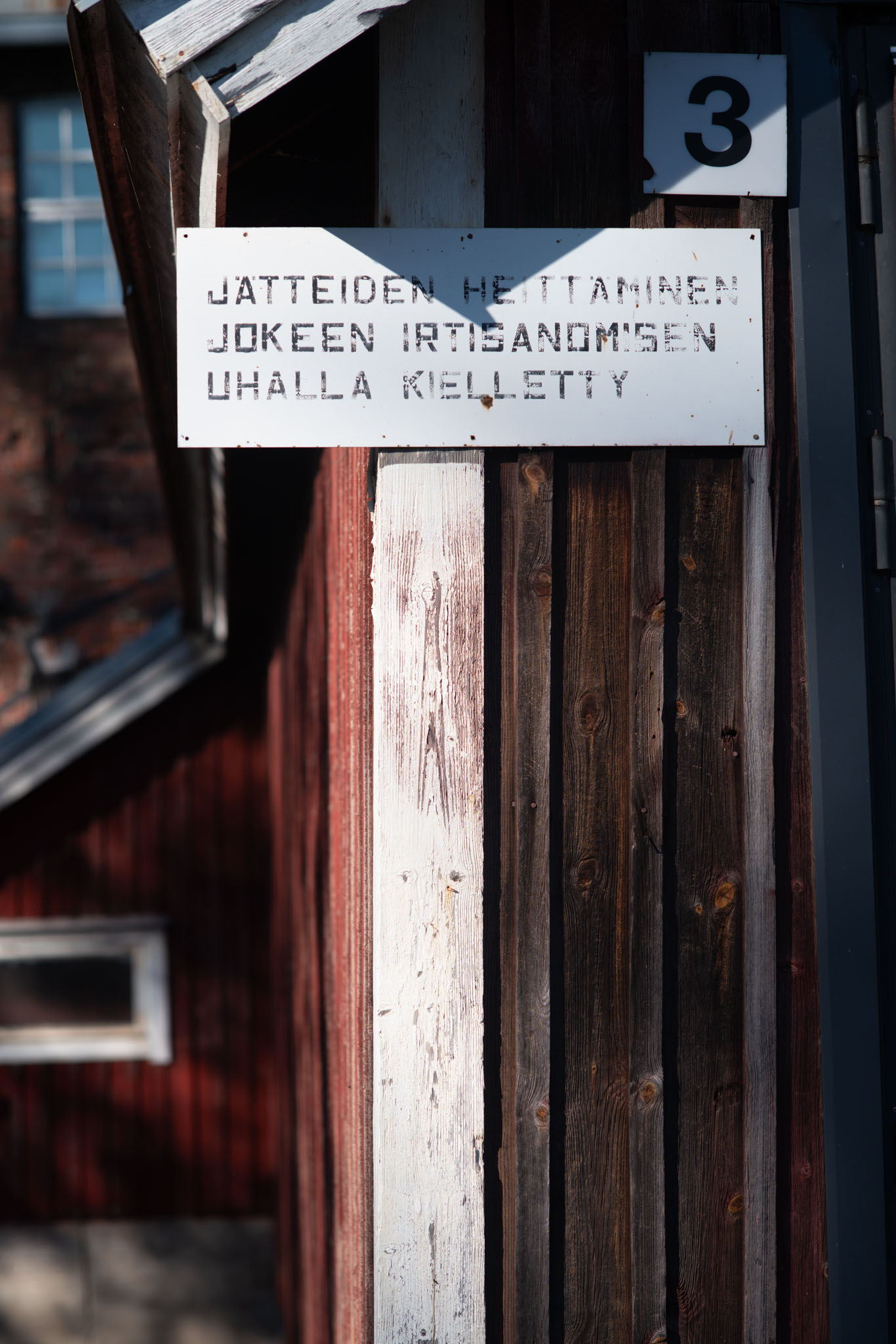
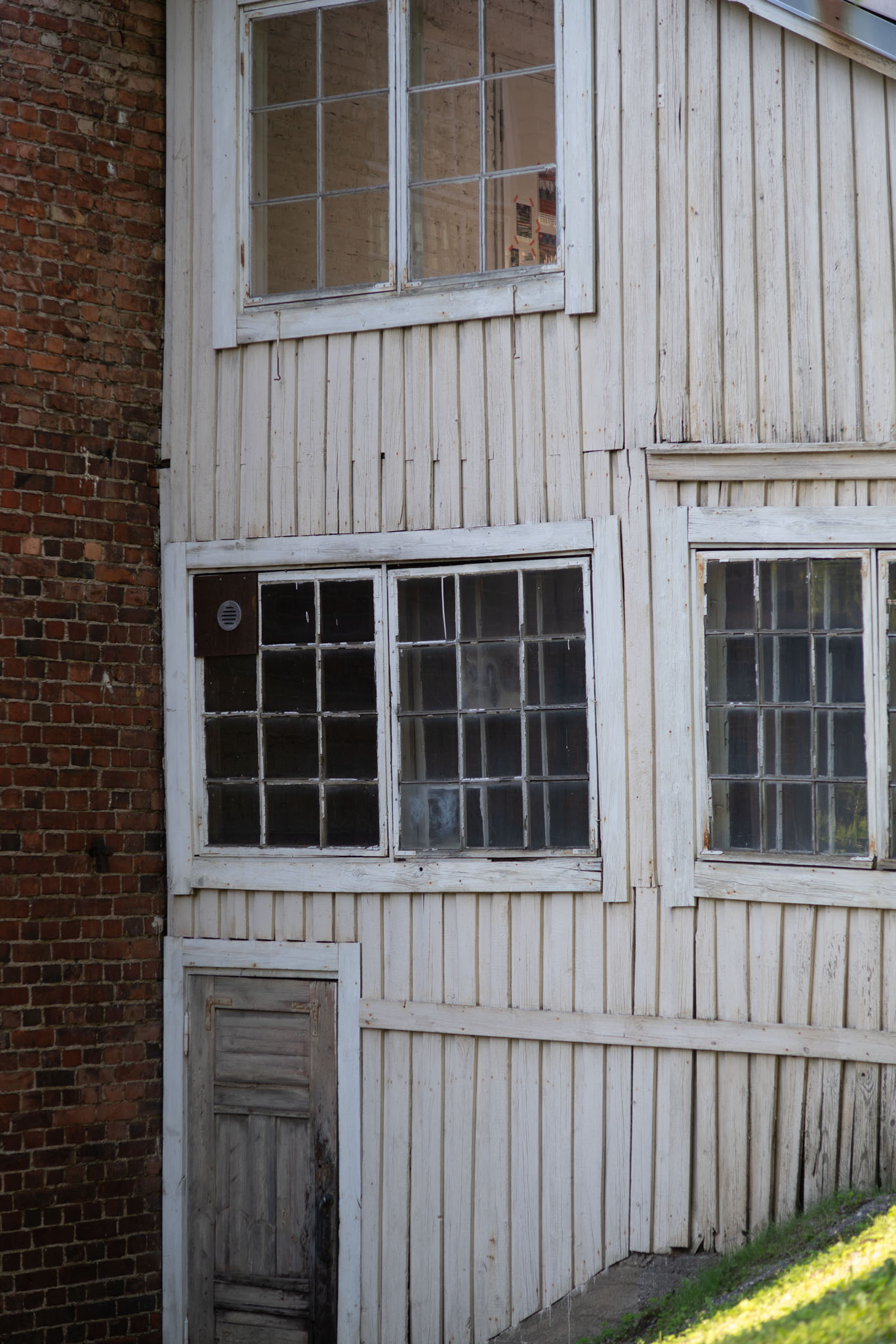
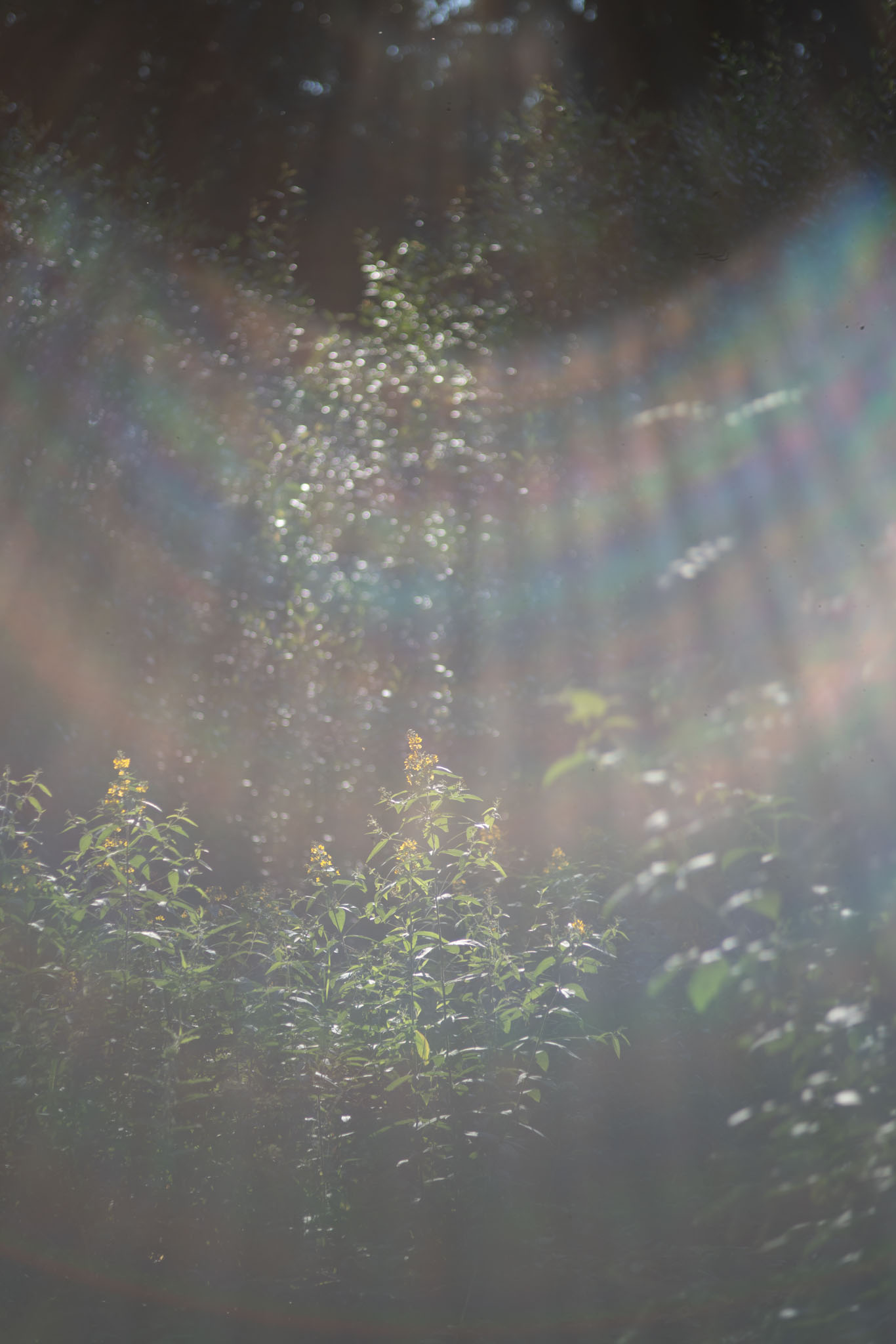
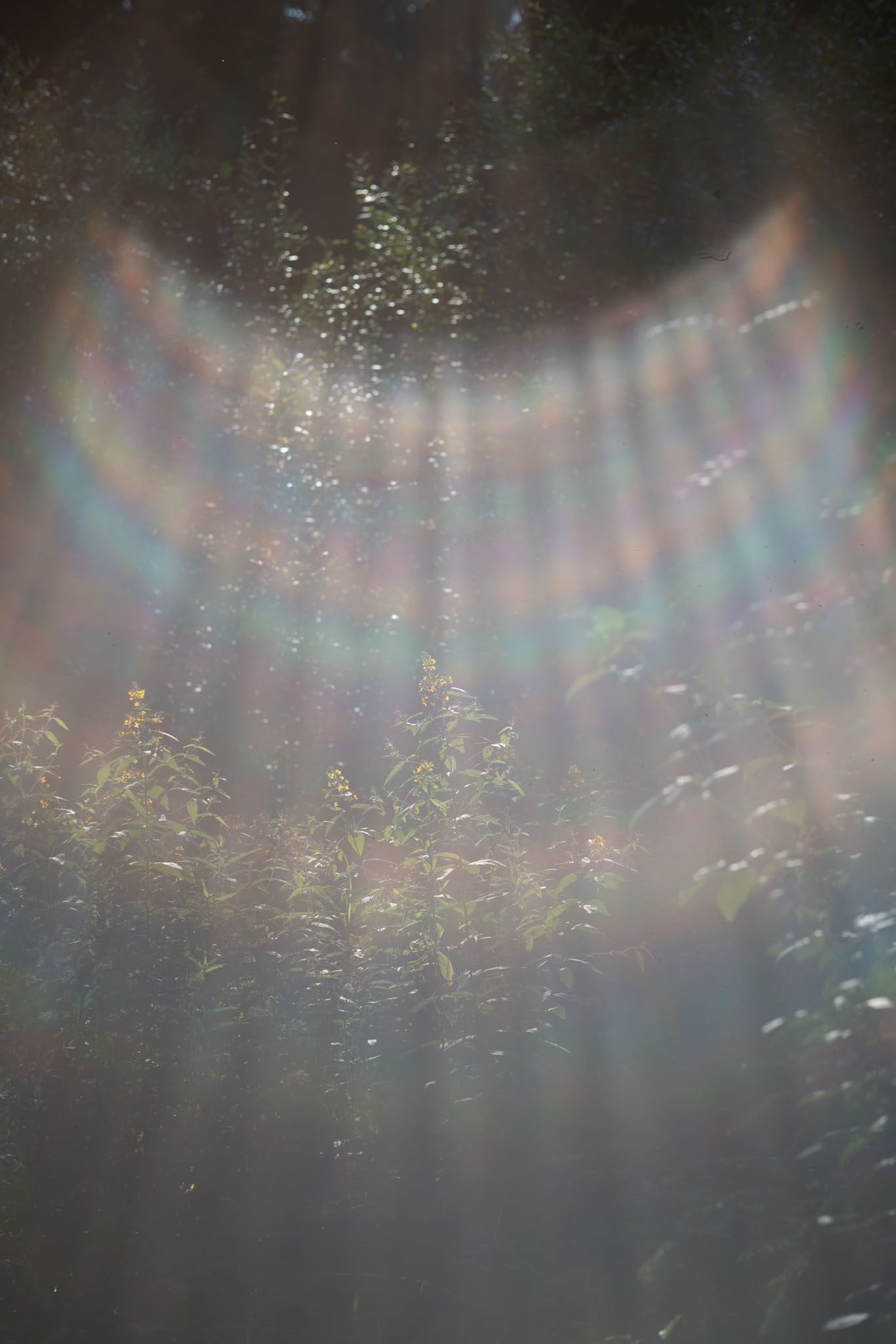
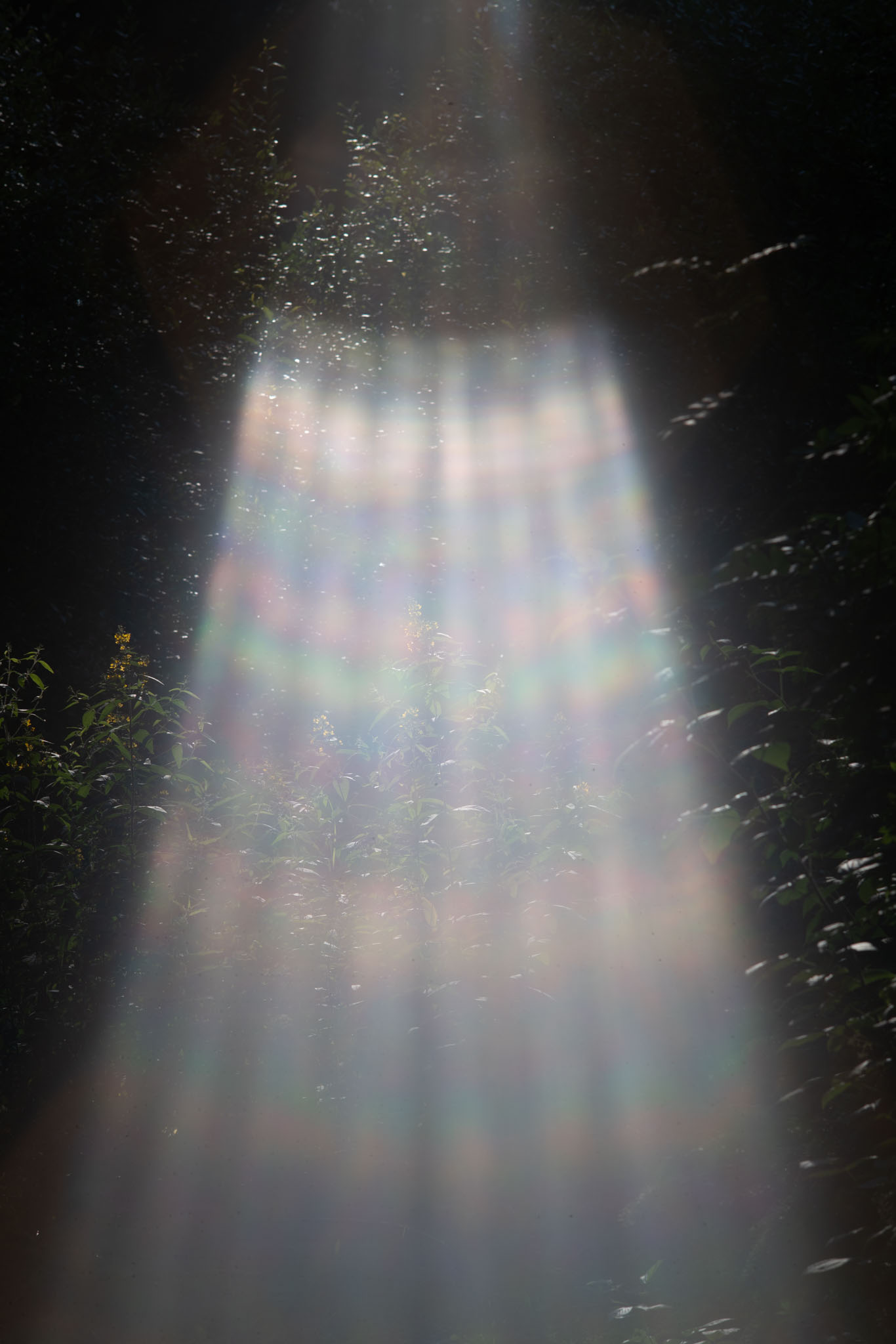
Commentary
This is a wide-aperture portrait lens introduced in 1959. Considering its date of design, this has to be considered an adventurous design for its time. Even so, the lens hold up quite well … in most regards.
You’ll be happy to notice that the lens is reasonably sharp from wide open and importantly the lens does not suffer from significant spherical aberrations. This means that not only is definition high wide open, but so is contrast. Also, I have not seen any game-changing field curvature (even though that would be permissible in a portrait lens). Chromatic aberrations are a weak spot if you want to shoot in the bright sunlight without stopping down, but in less contrasty situations CAs are barely noticeable. Also vignetting is not really as big an issue with this lens as you might expect from a wide-aperture lens. There is some barrel distortion, but unless you want to shoot architecture or use the lens for reproduction work, the geometric distortions are not field-relevant.
Now for the bad news. First, ergonomics. This lens hails from an era when the entire camera industry was not yet sure how they wanted to implement auto aperture. Canon seems to have been even more unsure of their way as Canon experimented with at least four ergonomic approaches in the Canon R and Canon FL era. Sadly, this lens’ approach is the worst (for shooting stills with this lens adapted to a modern camera) as you have two rings, the more prominent of which gives you nice satisfying clicks (but does not affect the shooting aperture) and another ring that is a no-click manual aperture control (which you need to use). If, like me, you like to set aperture without raising your eyes from the viewfinder, this lens will make trouble for you.
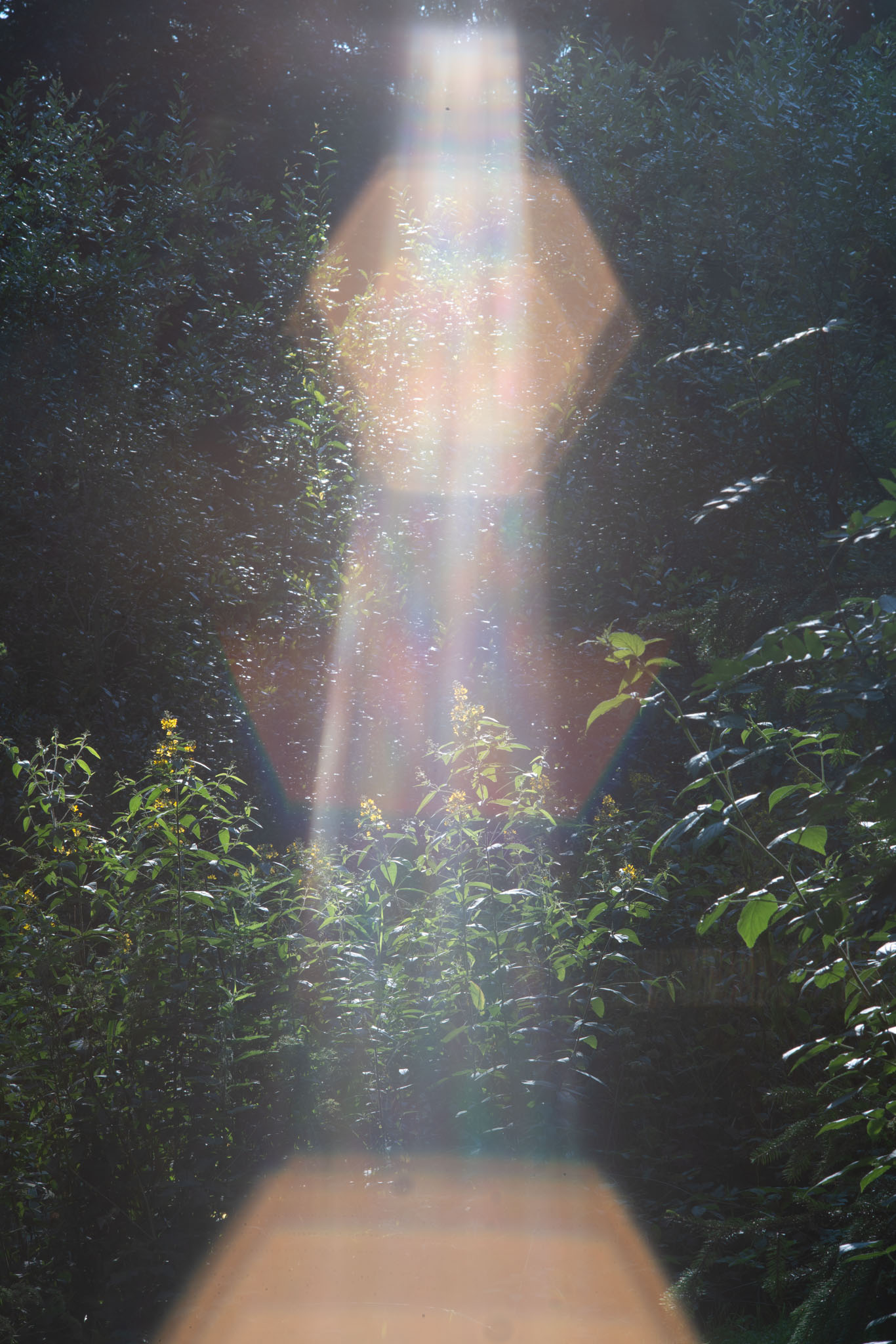
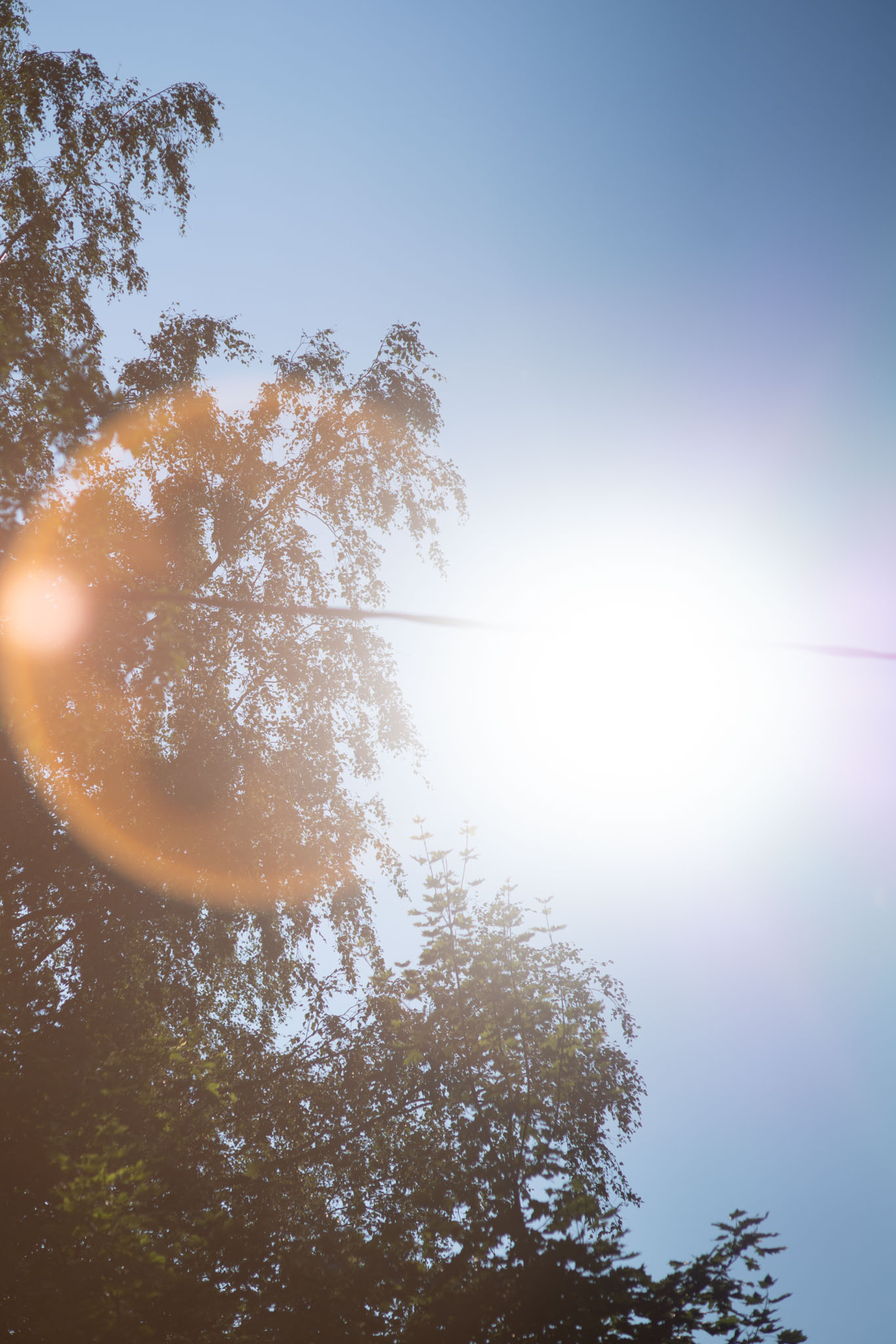
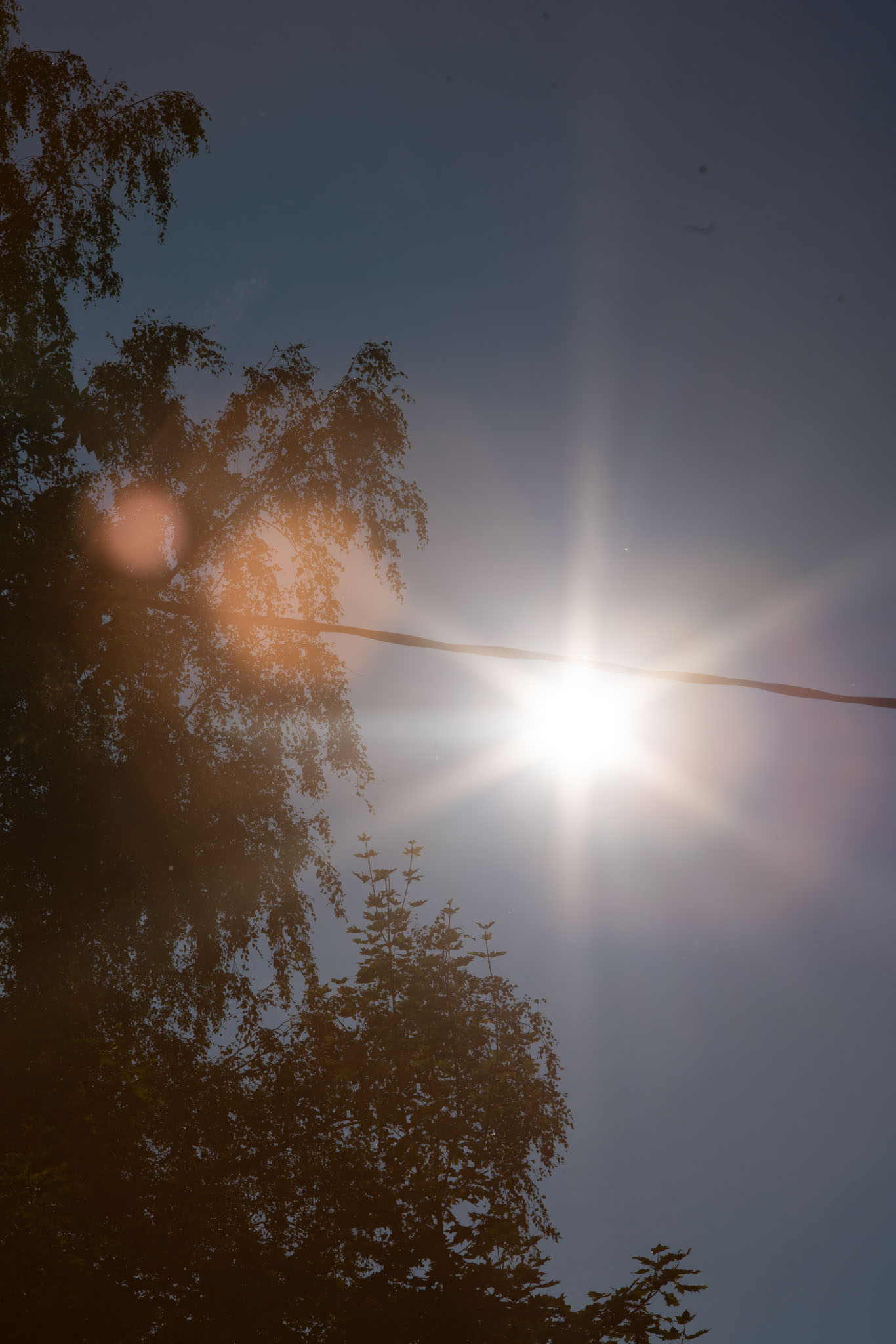
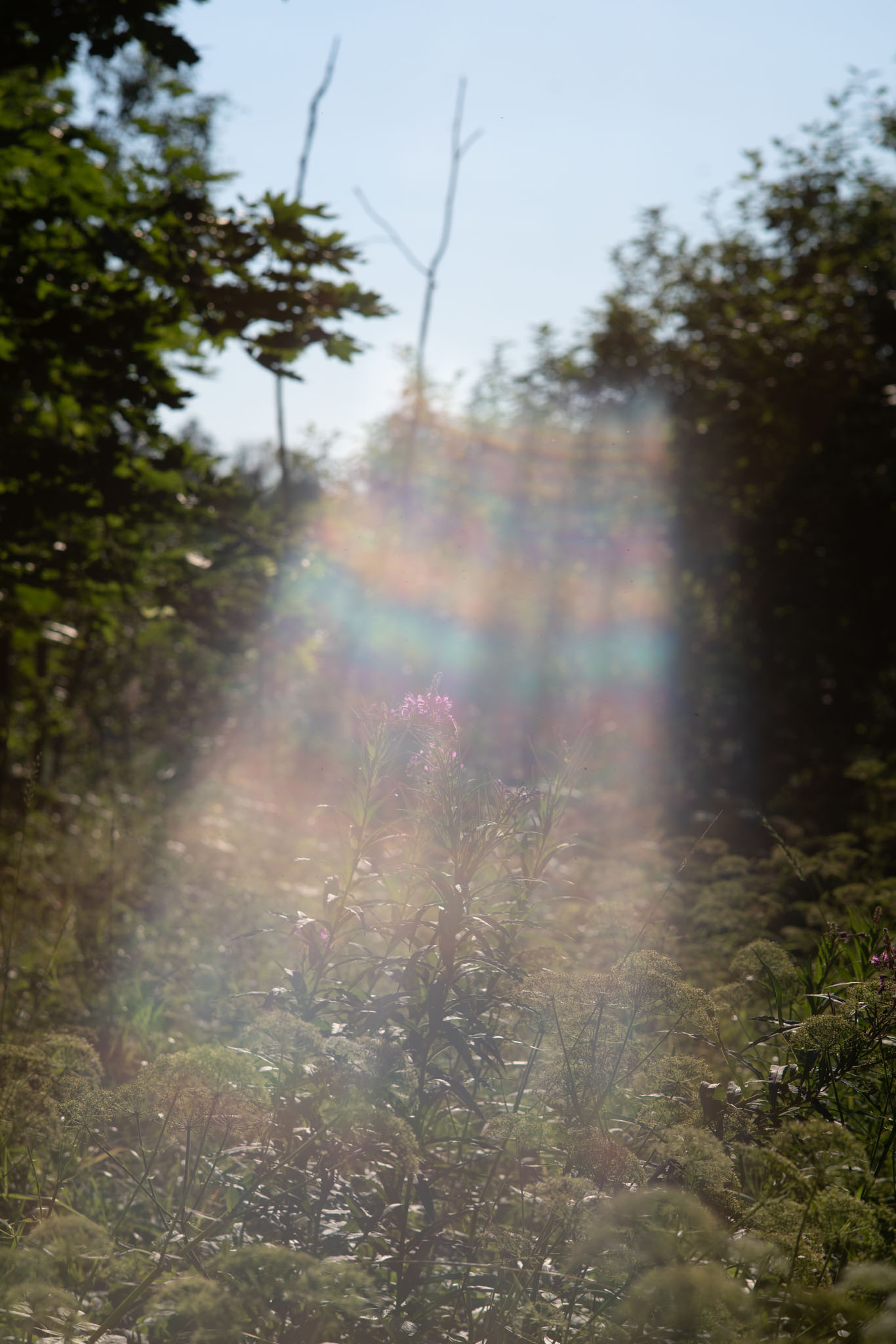
The other bad news (besides the large aperture purple fringing in high-contrast situations) is that this lens does have a tendency to flare massively, as is amply visible from the gallery above. On the plus-side, you might be able to work this to your advantage, but it might turn out to be a tad demanding to manage.
- No changes to exposure or colours, no sharpening, no denoising, no defringing. License plates and identifying marks retouched when necessary. ↩︎